Dry FliesZ-Dun
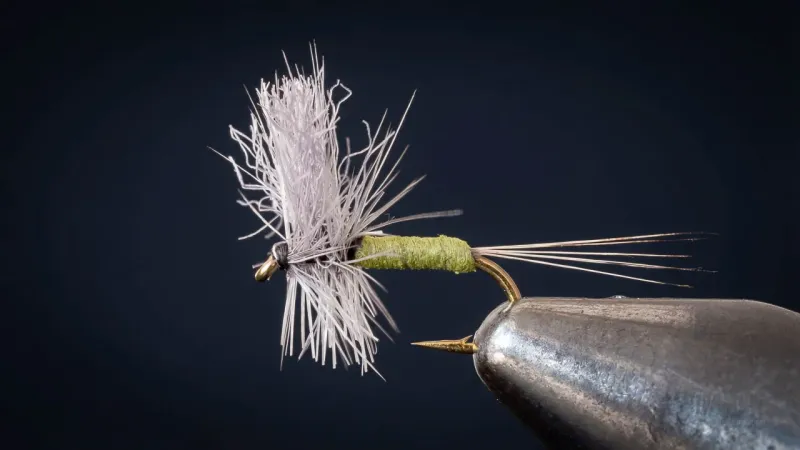
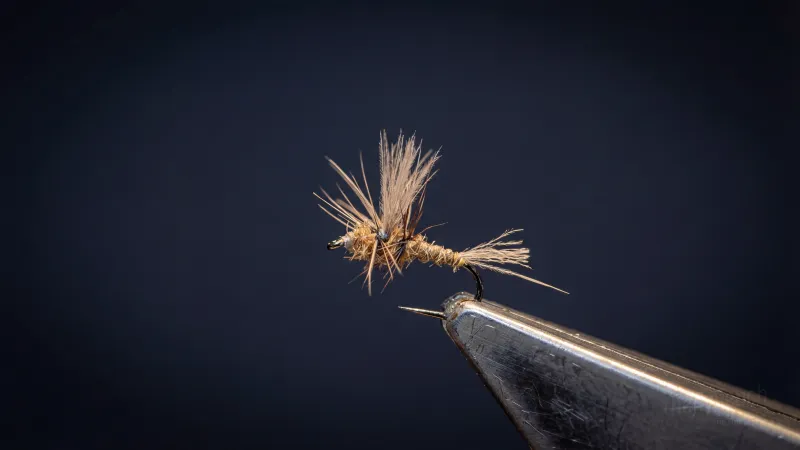
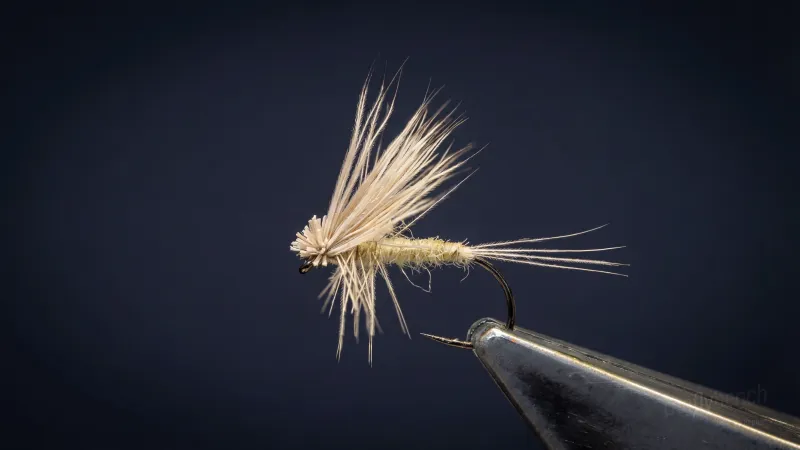
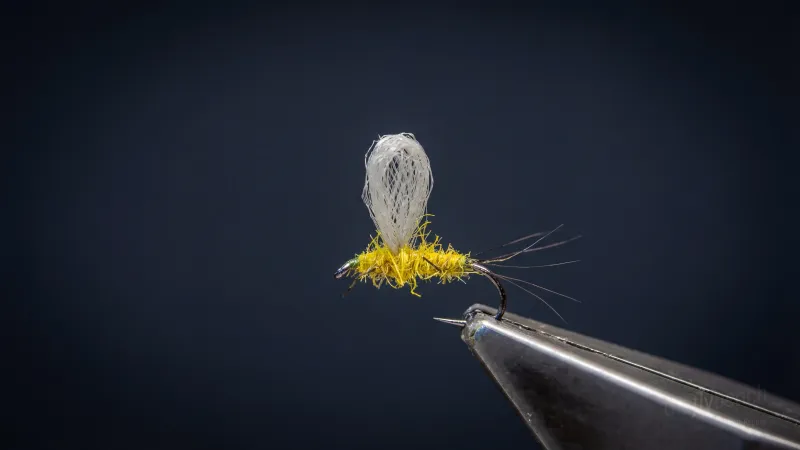
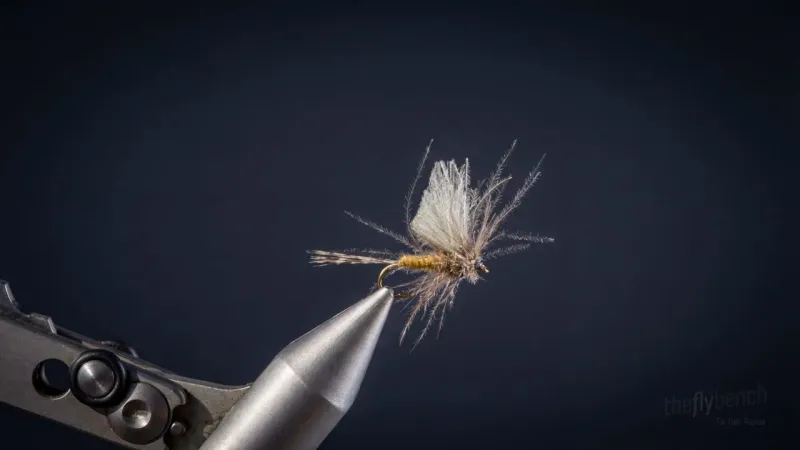
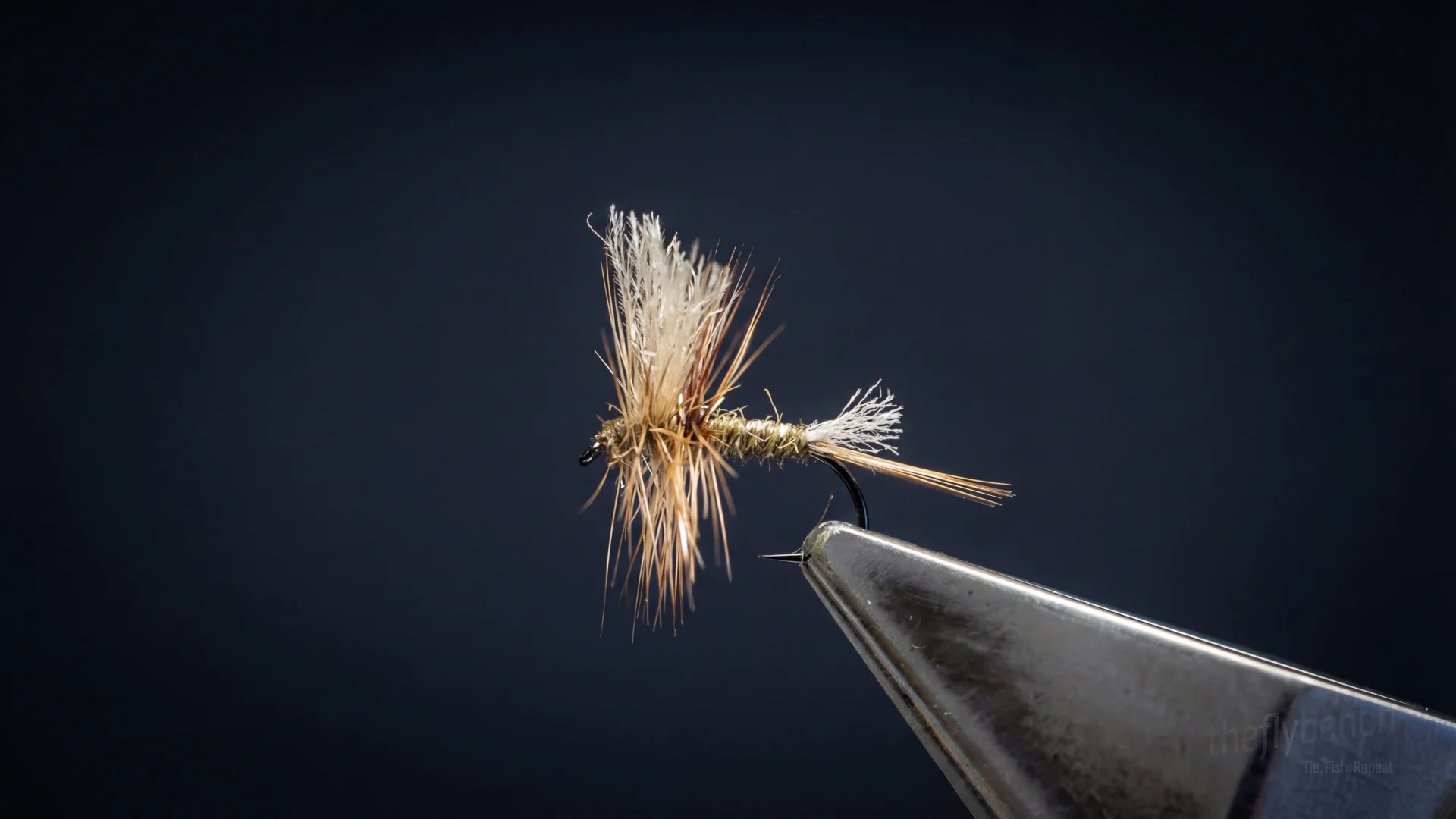
Andrzej Koziel developed this mayfly dun pattern featuring Z-lon or synthetic wings creating realistic translucent appearance matching natural mayfly wings. Upright wing positioning and balanced hackle keep fly riding correctly on surface. Clean silhouette and minimal materials prove effective during selective feeding when fish closely inspect duns.
Spring, Summer, Fall
Intermediate
Trout
Feb 2026
Overview
Andrzej Koziel developed this mayfly dun pattern featuring Z-lon or synthetic wings that create a realistic translucent appearance matching natural mayfly wings. The upright wing positioning and balanced hackle keep the fly riding correctly on the surface. Its clean silhouette and minimal materials make it effective during selective feeding when fish inspect duns closely. The pattern can be tied in various sizes and colors to match specific hatches.
Where to Buy This Fly
We only link to fly shops we trust. Some links are referral links, which may earn us a commission at no extra cost to you.
Materials
- Hook:
- Tiemco 102Y #15
- Thread:
- Benecchi 12/0, tan
- Tail:
- Hackle barbs, cree
- Abdomen:
- Rabbit, tan; rabbit, natural grey; synthetic dubbing, olive - equal parts (or color to match the natural mayfly)
- Rib:
- Tying thread
- Hackle:
- Cree - trimmed flush underneath body
- Thorax:
- Rabbit, tan; rabbit, natural grey; synthetic dubbing, olive - equal parts (or color to match the natural mayfly)
Behavior & Presentation
Natural Behavior: Freshly emerged mayfly duns rest motionless on the surface with upright wings while completing the transition from nymphal to adult form, unable to escape until wing drying completes. Heavy hatches concentrate dozens of helpless duns in single feeding lanes, creating predictable surface feeding opportunities as trout sip drifting adults methodically.
Where Trout Eat It: Drifting in the surface film on smooth water, with selective trout establishing feeding rhythms in spring creek flats and tailwater pools where mayfly duns concentrate during heavy emergences.
How to Fish It: Perfect drag-free drift with delicate presentation, relying on the realistic translucent wing appearance to fool selective trout scrutinizing surface offerings during heavy mayfly hatches.
Best Water: Spring creek flats with calm surfaces, tailwater slicks where mayfly emergences concentrate, and foam lines collecting drifting duns during peak hatch periods on technical waters.
Strike Type: Rhythmic confident sips as selective trout establish steady feeding patterns, intercepting drifting duns with minimal surface disturbance during sustained mayfly emergences.
Fishing Strategy
Rigging Suggestions: Fish on 12-15 foot leader tapering to 5X-6X fluorocarbon tippet. Fine tippet supports delicate presentation needed for selective feeding during heavy mayfly emergences.
Seasonal Timing: Most effective during major mayfly hatches April through June and again September through October when water temperatures range 48-60°F. Peak selectivity occurs during heavy emergence periods when trout closely inspect surface offerings.
Pro Tips: Z-lon wings create realistic translucent appearance matching natural mayfly wing structure. The pattern can be tied in various sizes and colors to match specific mayfly species during regional hatch periods.
Entomology
Mayfly duns rest motionless on the water's surface after emerging from their nymphal shucks, their upright wings and delicate posture making them highly visible to feeding trout. Fish prefer these newly emerged adults because they are unable to escape quickly and represent concentrated nutrition during hatch events, when dozens or hundreds may be drifting in a single feeding lane simultaneously.
- Order
- Ephemeroptera
- Common Name
- Mayfly
- Organism Type
- insect
- Life Stage
- adult