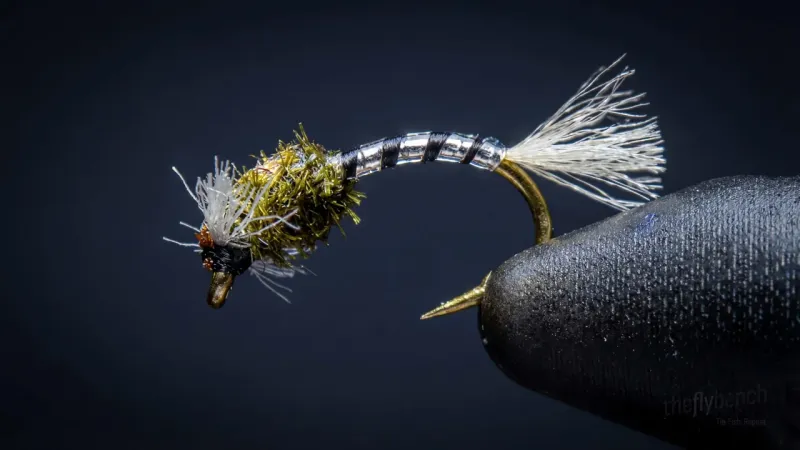
Midge / EmergersPert-Near Chironomid Pupa
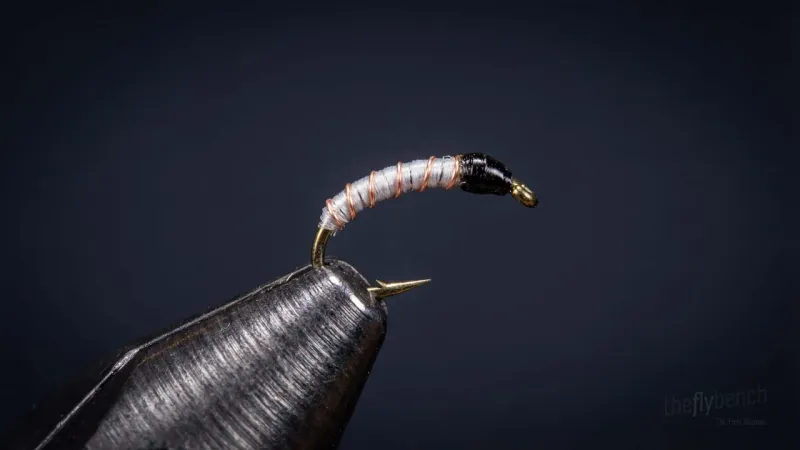
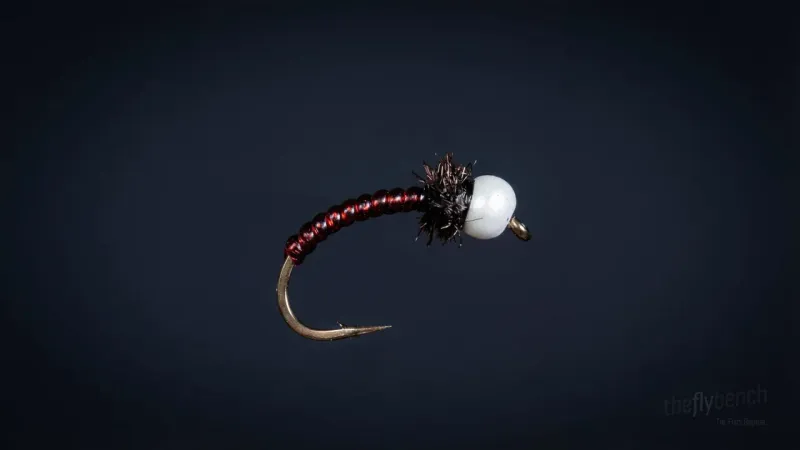
A precisely crafted chironomid pupa with a translucent body and white breather filaments that perfectly mimics ascending midges in stillwaters. The pattern's realistic segmentation and slender profile make it particularly effective during spring and fall when trout key on chironomids in lakes from British Columbia to Montana.
Spring, Summer
Intermediate
Trout
Apr 2025
Overview
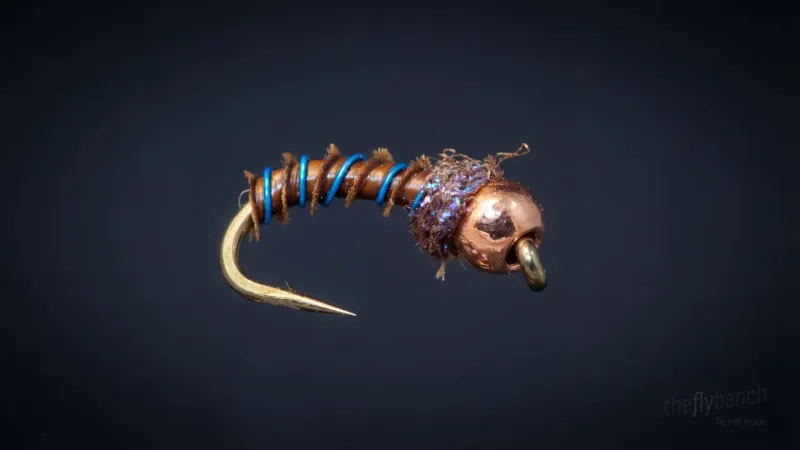
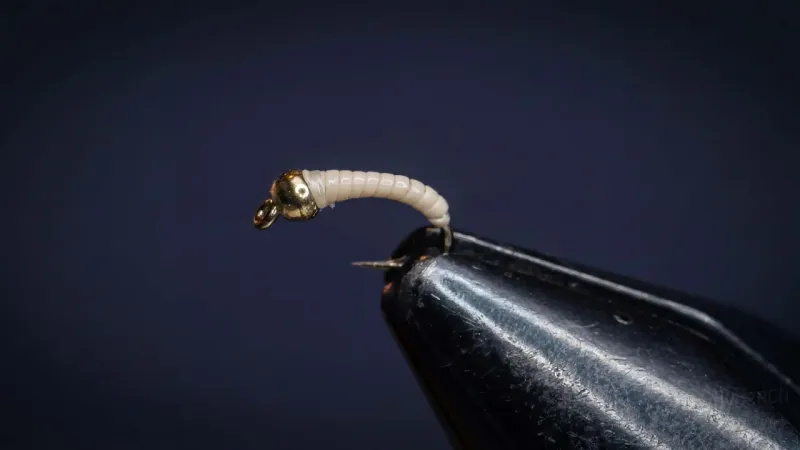
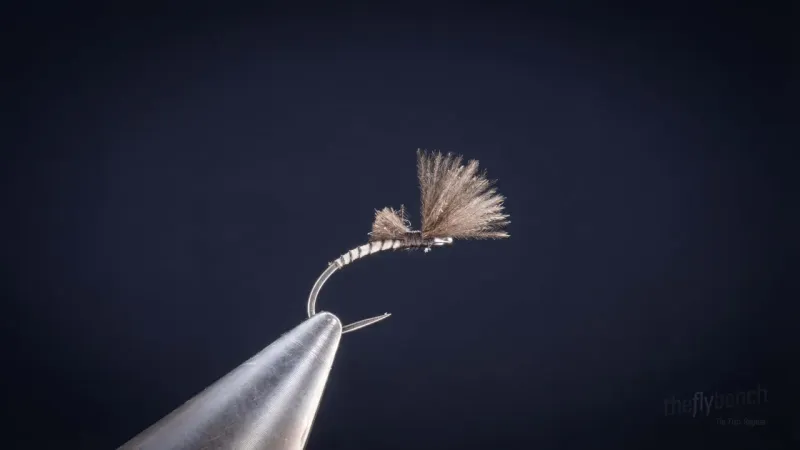
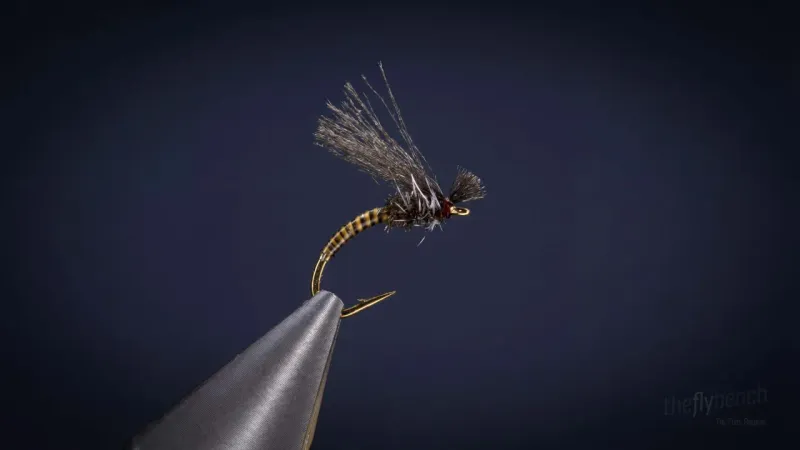
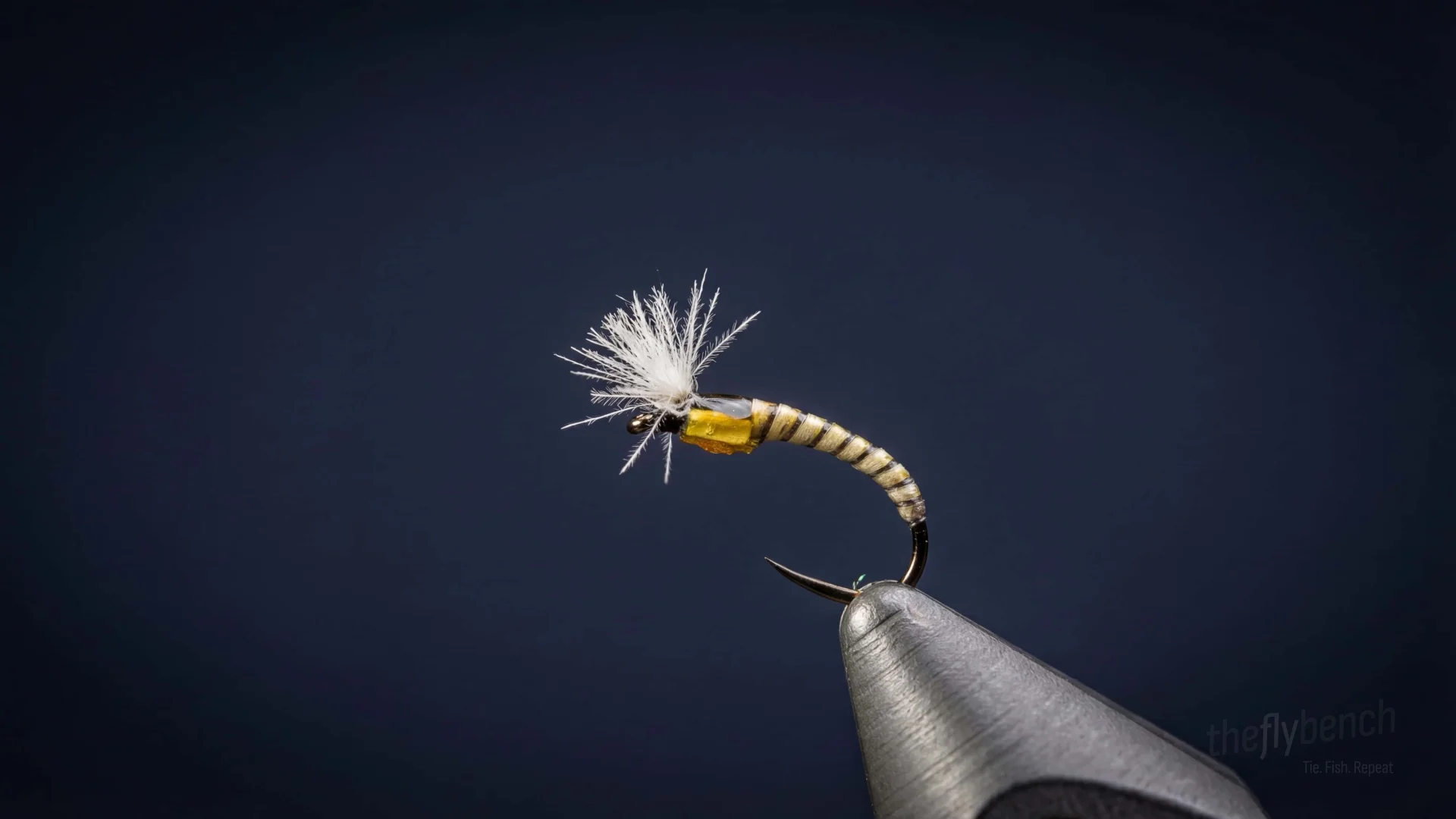
The Pert-Near Chironomid Pupa is a minimalist, ultra-realistic midge pupa pattern. Tied on a curved midge hook, it features a slim, thread-wrapped body with a fine wire rib and a subtle bead or thread head for weight. Designed to sink quickly and match natural chironomids “pert near” perfectly, this fly is ideal for stillwater or slow current scenarios when trout are keyed in on midges just below the surface.
Where to Buy This Fly
We only link to fly shops we trust. Some links are referral links, which may earn us a commission at no extra cost to you.
Materials
- Hook:
- Hanak H 333 BL Czech Nymph Hook - 16
- Thread:
- 8/0 UNI-Thread Waxed Midge - Black
- Body:
- Hemingway Synthetic Tapered Peacock Quill - Holo Natural
- Wing Pads:
- Nature's Spirit Stripped Goose Biots - Sulphur Orange
- Breathers:
- Para Post Wing Material - White
Behavior & Presentation
Natural Behavior: Chironomid pupae rise through stillwater columns at an extremely slow pace, suspended by gas bubbles trapped in their pupal shucks that reflect light. This vertical ascent can take minutes, leaving them completely defenseless as they hang motionless between bottom and surface, allowing trout to cruise specific depth zones and intercept pupae with minimal effort.
Where Trout Eat It: Trout cruise specific depth zones in lakes and reservoirs, intercepting pupae during their slow ascent toward the surface.
How to Fish It: Fish with static presentations or painfully slow retrieves of 1-2 inches per minute, letting the fly hang vertically beneath an indicator.
Best Water: Most effective along drop-offs, shoals, and channel swings where trout cruise predictable feeding lanes.
Strike Type: Fished with static presentations or painfully slow retrieves of 1-2 inches per minute, letting the fly hang vertically beneath an indicator, strikes manifest as micro-movements. Watch for indicator dips so subtle they appear as wind drift along drop-offs and shoals where trout cruise predictable feeding lanes.
Fishing Strategy
Rigging Suggestions: Suspend beneath a strike indicator using a 12-20 foot leader tapered to 5X or 6X tippet. Adjust depth to match the thermocline or visible cruising fish, typically 4-15 feet.
Seasonal Timing: Prime from April through June when water temperatures reach 50-60°F and chironomid emergences are most prolific in lake environments.
Pro Tips: The resin body creates a glossy finish that mimics the gas bubbles trapped in natural pupae. Fish 2-3 flies at different depths on the same leader to locate the feeding zone.
Entomology
Chironomid pupae rise through stillwater columns at a maddeningly slow pace, suspended by a gas bubble trapped in their pupal shuck that reflects light. This vertical ascent can take minutes, leaving them completely defenseless against feeding fish. Trout cruise specific depth zones to intercept pupae during their ascent, making chironomid fishing a game of matching the exact suspension depth where fish are feeding.
- Order
- Diptera
- Family
- Chironomidae
- Common Name
- Chironomid
- Organism Type
- insect
- Life Stage
- general