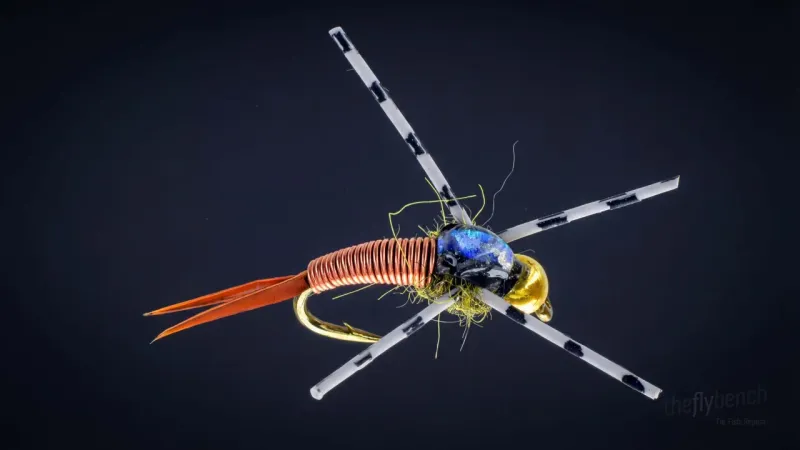
NymphPeeping Caddis Nymph
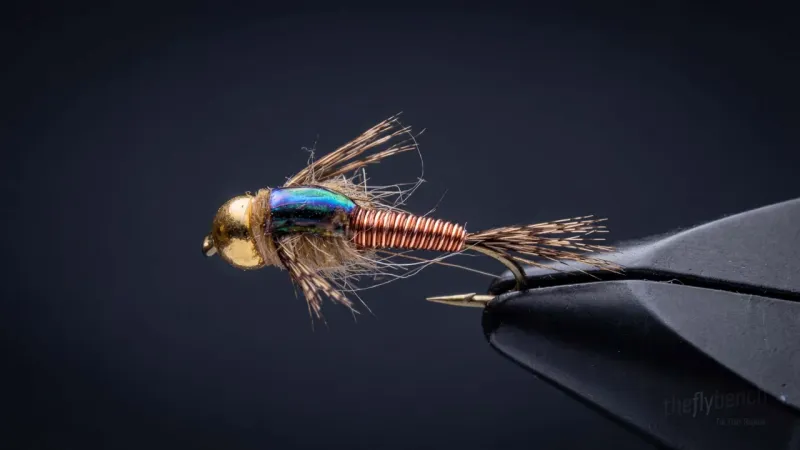
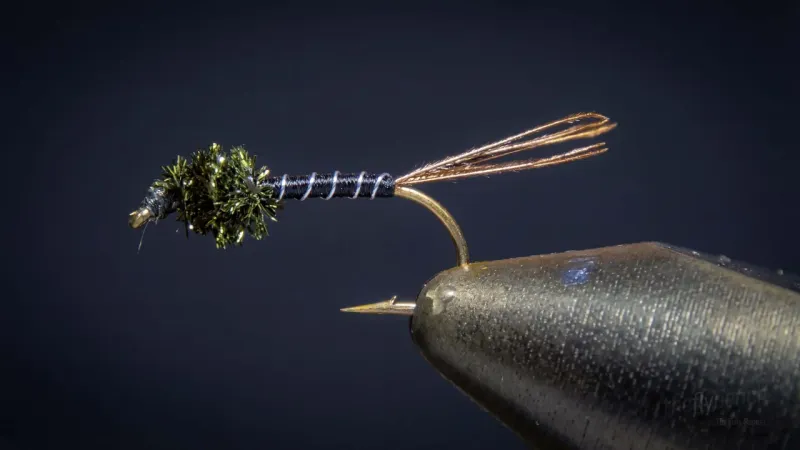
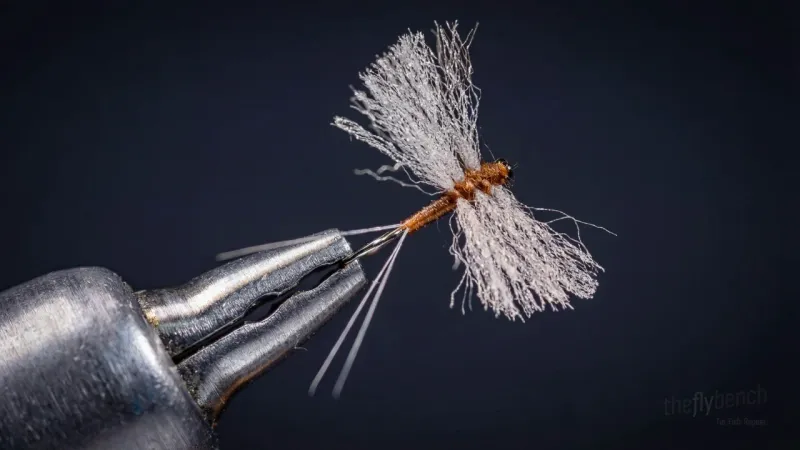
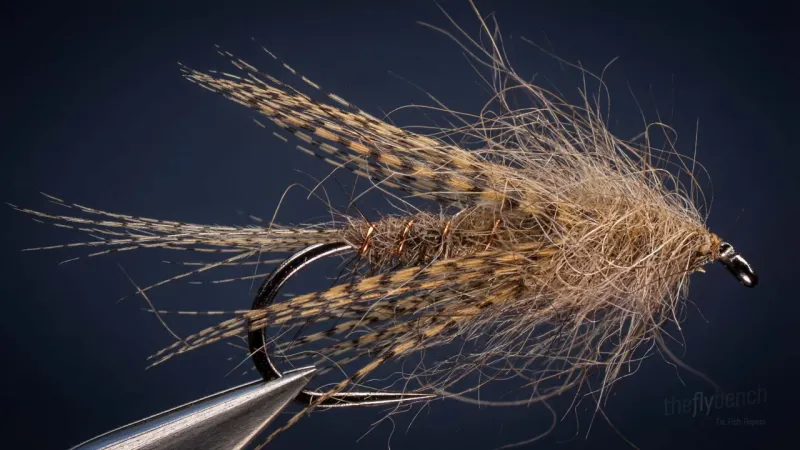
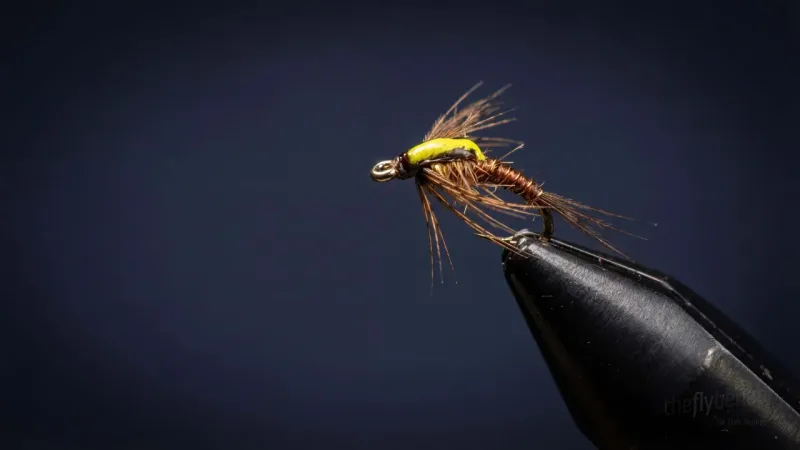
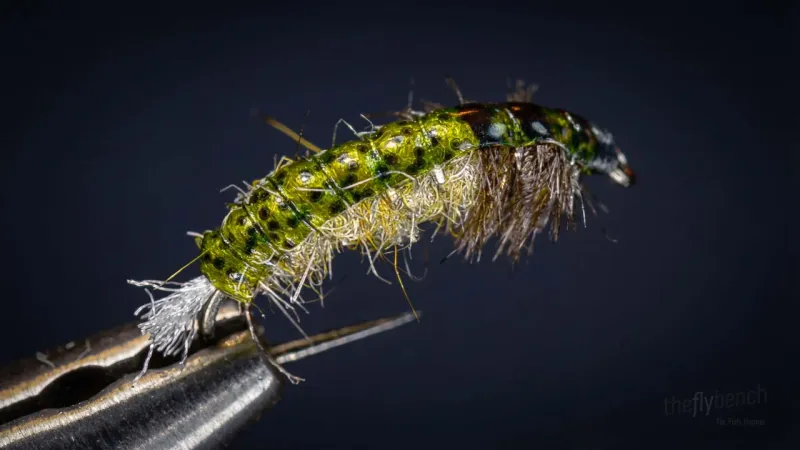
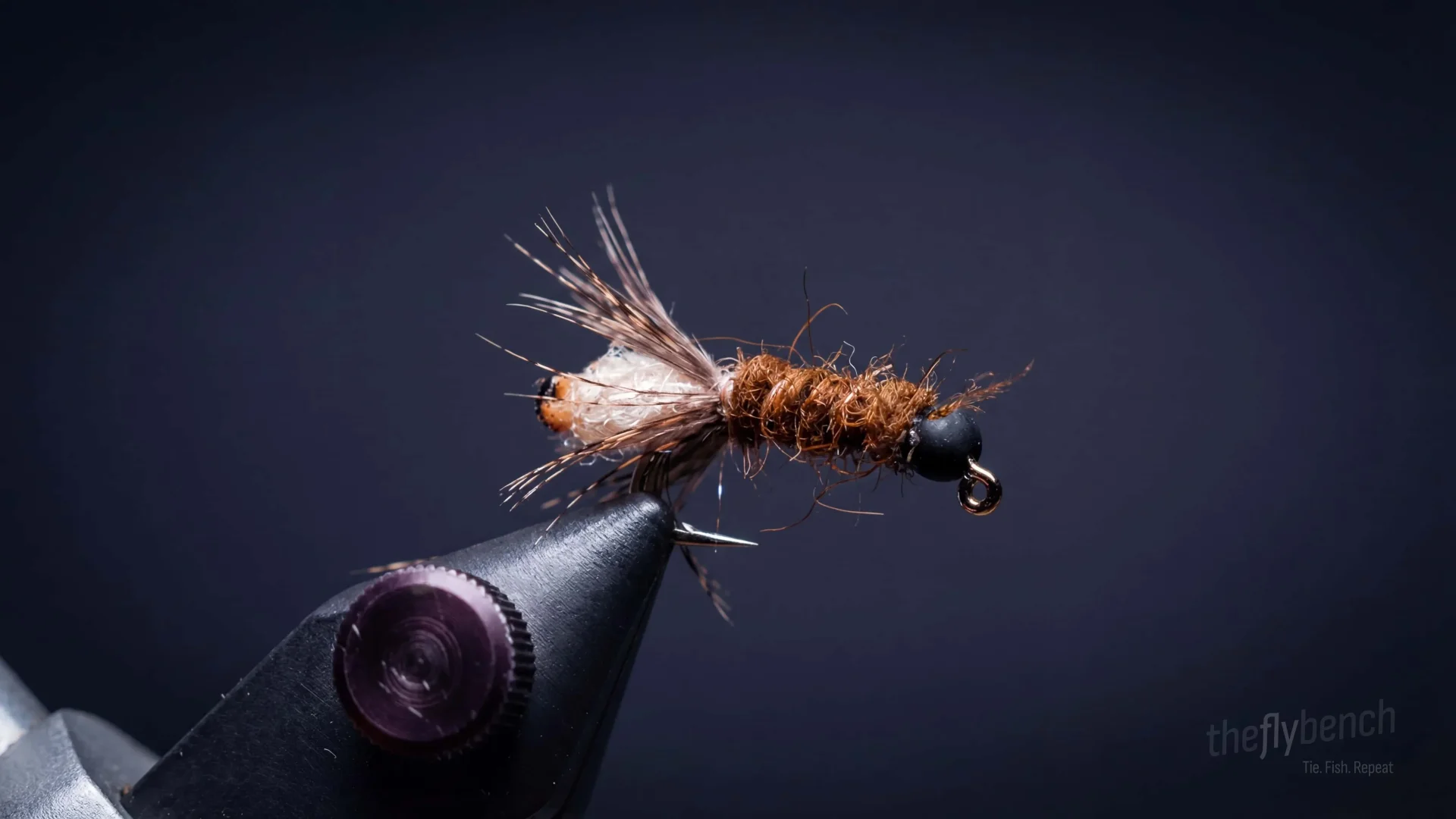
The Peeping Caddis Nymph is a weighted pattern designed to imitate cased caddis larvae found along stream beds. The yarn body mimics the debris case that protects the larva, while partridge legs and a dubbed head represent the exposed insect peeking from its shelter. A productive pattern for trout and grayling in freestone streams.
Year Round
Intermediate
Trout, Grayling
Dec 2025
Overview
The Peeping Caddis has become a go-to pattern for targeting trout and grayling feeding on cased caddis. The pattern can be tied in various colors to match local cased caddis species—brown, olive, and green are common choices. Barry Ord Clarke popularized a version using Dyneema thread and Antron wool for the peeping head. The tungsten bead and jig hook design allow the fly to sink quickly and ride hook-point up, reducing snags.
Where to Buy This Fly
We only link to fly shops we trust. Some links are referral links, which may earn us a commission at no extra cost to you.
Materials
- Hook:
- Jig hook, #10–#14
- Bead:
- Tungsten slotted bead, 3.5–4.0mm, copper
- Thread:
- UTC 70 denier, black
- Weight:
- Lead-free wire wraps (optional)
- Case/Body:
- Polypropylene yarn, olive, brown, or tan
- Legs:
- Hungarian partridge hackle
- Collar:
- UV Ice Dub, light gray
- Head:
- Hare's mask dubbing, natural
- Finish:
- UV resin or head cement
Behavior & Presentation
Natural Behavior: Cased caddis larvae crawl across cobbled streambeds while foraging, occasionally tumbling downstream when dislodged by current forces. Year-round presence makes these armored larvae a reliable food source, especially during behavioral drift.
Where Trout Eat It: Fish feed near bottom in riffles, runs, and pocket water where larvae tumble through 1-4 foot depths along rocky substrate.
How to Fish It: Bounce the pattern along bottom with tumbling dead drift, matching how dislodged larvae roll helplessly through current.
Best Water: Target pocket water behind boulders, seams along structure, and riffle edges where larvae concentrate on cobble.
Strike Type: Sharp tick or sudden weight on the line signals fish grabbing tumbling larvae from near-bottom feeding positions.
Fishing Strategy
Rigging Suggestions: Fish on 9–12 foot leader with 4X–5X tippet. Works well as a point fly in a two-fly euro nymph rig or under an indicator.
Seasonal Timing: as cased caddis larvae are always present in most trout streams. Particularly productive in spring before adult caddis hatches begin and in fall when trout are actively foraging along the bottom.
Pro Tips: Sinks quickly due to the tungsten bead and optional wire wraps. The jig hook design keeps the hook point riding up to reduce snags.
Entomology
Free-living caddis larvae crawl actively across cobbled streambeds, foraging without protective cases while exposing soft, vulnerable bodies to predation. Trout readily consume these mobile larvae for their accessibility and year-round presence, particularly during behavioral drift periods when displaced individuals tumble downstream.
- Order
- Trichoptera
- Common Name
- Caddisfly
- Organism Type
- insect
- Life Stage
- larva