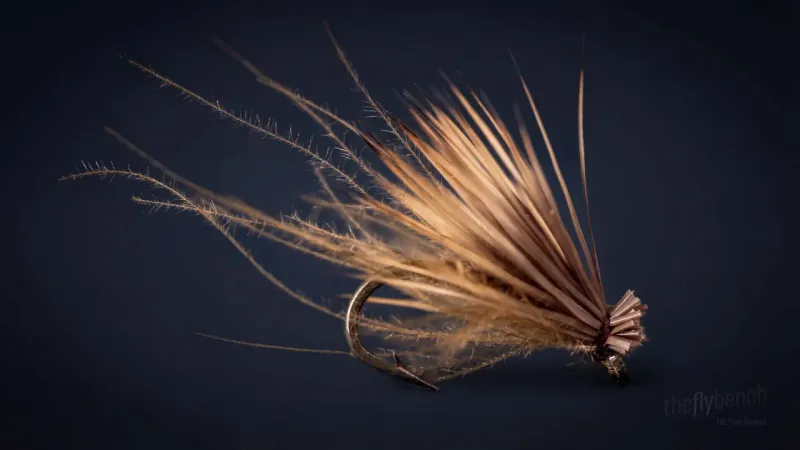
Dry FliesPeacock Elk Hair Caddis
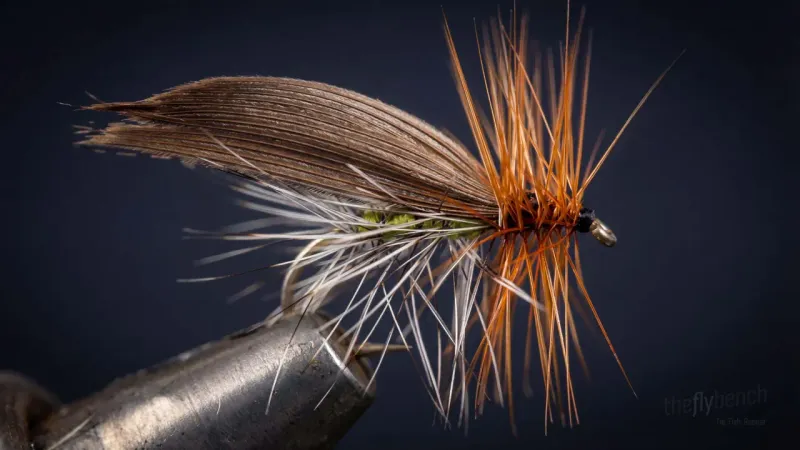
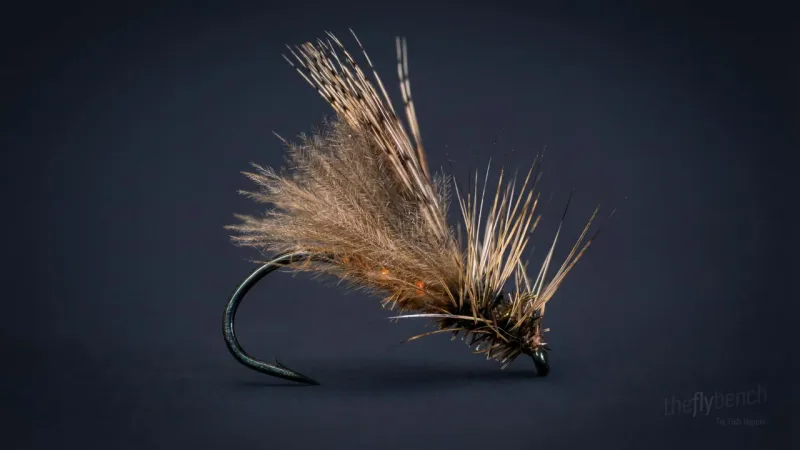
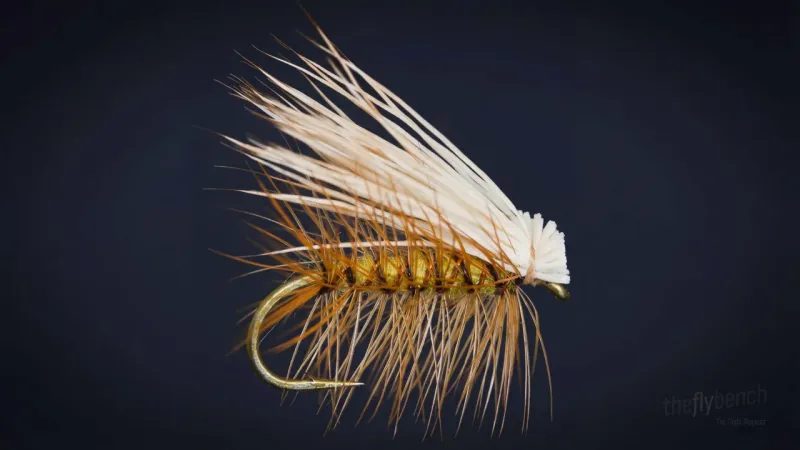
The Peacock Elk Hair Caddis is a variant of the classic Elk Hair Caddis, using a peacock herl body for added flash and attractiveness. It's a versatile pattern that imitates a wide variety of caddis species.
Spring, Summer
Intermediate
Trout
Apr 2025
Overview
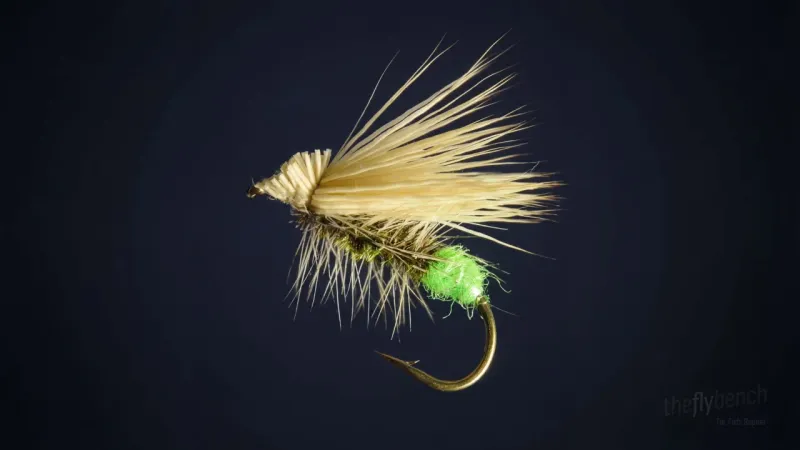
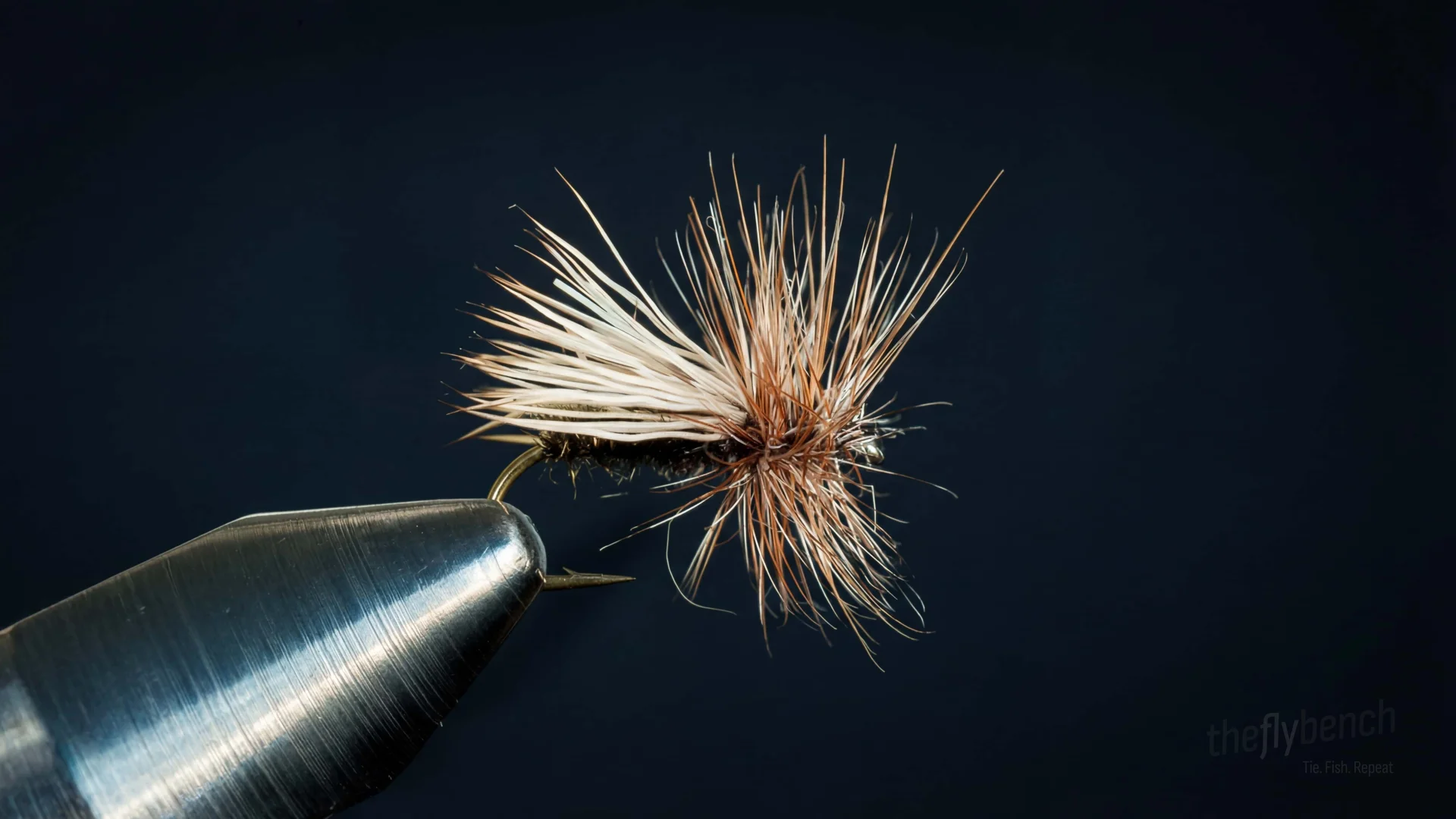
The Peacock Elk Hair Caddis is a classic dry fly with endless variation potential. While the original features a peacock herl body, tan elk hair wing, and brown hackle, anglers frequently adjust hackle color, body dubbing, or even use UV resin over the peacock for added durability and flash, tailoring the fly to match local caddis species and water conditions.
Where to Buy This Fly
We only link to fly shops we trust. Some links are referral links, which may earn us a commission at no extra cost to you.
Materials
- Hook:
- Tiemco 101, size #12-#18
- Thread:
- Black 8/0 Uni-Thread
- Body:
- Peacock herl
- Wing:
- Elk hair
- Hackle:
- Brown rooster hackle
Behavior & Presentation
Natural Behavior: Adult caddisflies skitter and flutter across the surface after emergence, creating disturbances as they bounce along while drying wings or ovipositing. These active movements trigger aggressive feeding responses as trout key on the distinctive skating behavior.
Where Trout Eat It: Trout rise to caddis in the surface film along riffle edges and seams where adults concentrate during hatches and egg-laying flights.
How to Fish It: Fish with dead-drift or skittering presentations, occasionally twitching the fly to imitate the active movements of caddis on the surface.
Best Water: Target riffle edges and seams in moderate to fast flows, focusing on foam lines and current breaks where caddis activity concentrates.
Strike Type: Expect aggressive, splashy rises as trout react to the active caddis profile.
Fishing Strategy
Rigging Suggestions: Use 9-foot leaders tapered to 5X or 6X tippet. Fish solo or as indicator fly with small nymph dropper 18-24 inches below.
Seasonal Timing: Most effective late April through September during caddis emergences and egg-laying activity. Peak productivity May through July when water temperatures reach 50-65°F and multiple caddis species are active.
Pro Tips: The peacock herl body adds attractive iridescence and natural segmentation. Elk hair provides unsinkable flotation and excellent visibility. The pattern's durability makes it ideal for fast water and aggressive fish. Trim hackle underneath for flush float when fish are selective.
Entomology
Mature caddisflies flutter and hop across the water surface during egg-laying runs, their wings creating turbulent disturbances as they alternately touch down and lift off. This energetic activity combined with their abundance during summer and fall hatches triggers aggressive feeding responses from trout who have learned to associate the commotion with easy meals.
- Order
- Trichoptera
- Common Name
- Caddisfly
- Organism Type
- insect
- Life Stage
- adult