Midge / EmergersBig Bear Emerger
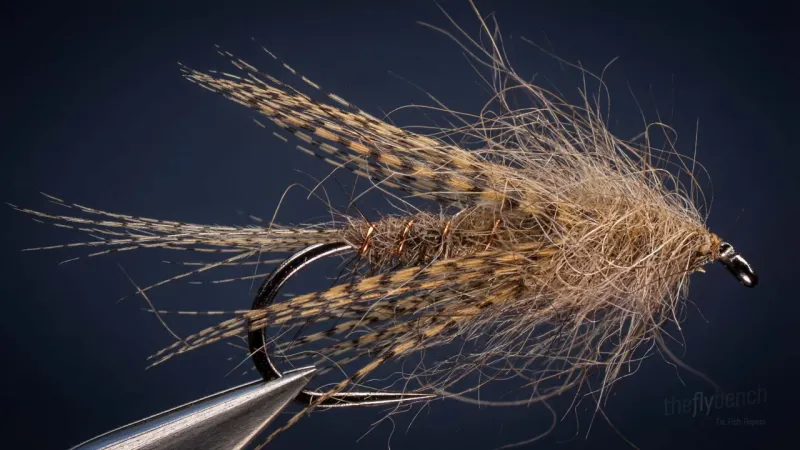
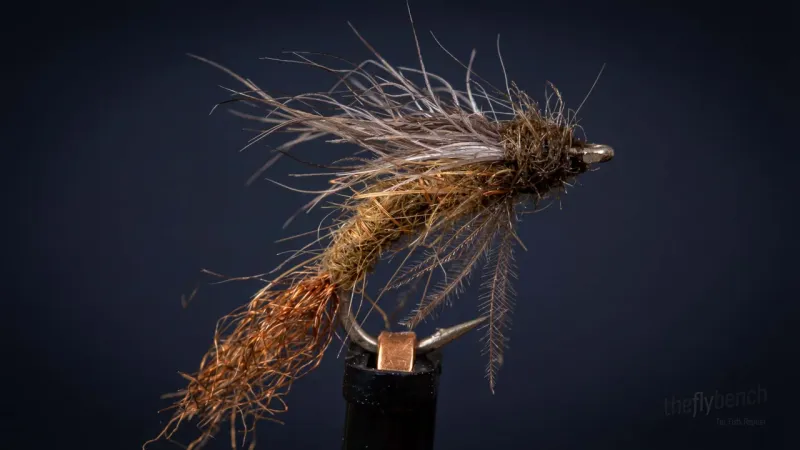
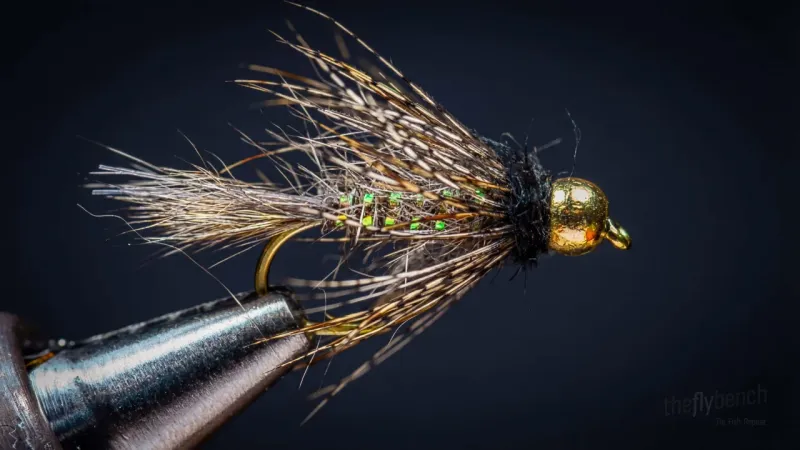
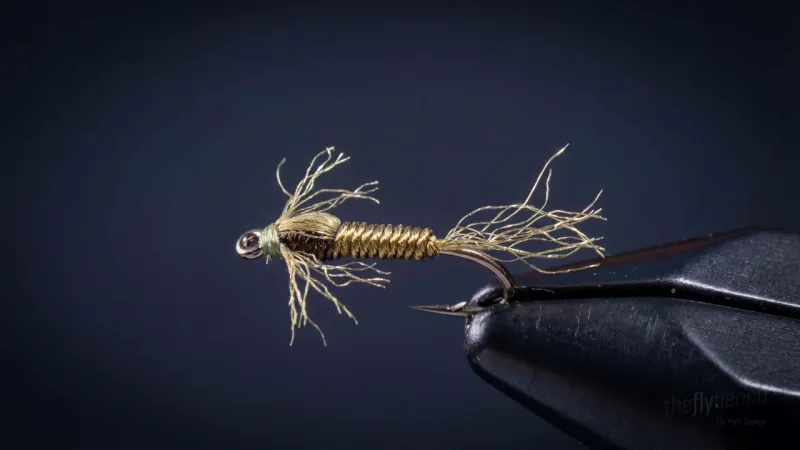
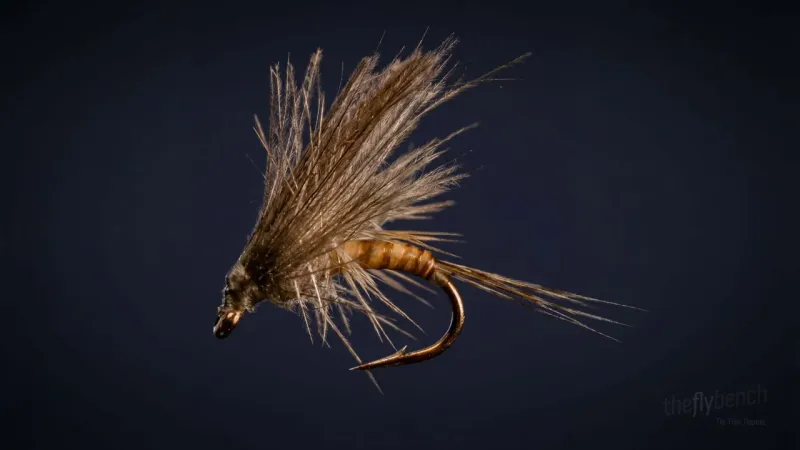
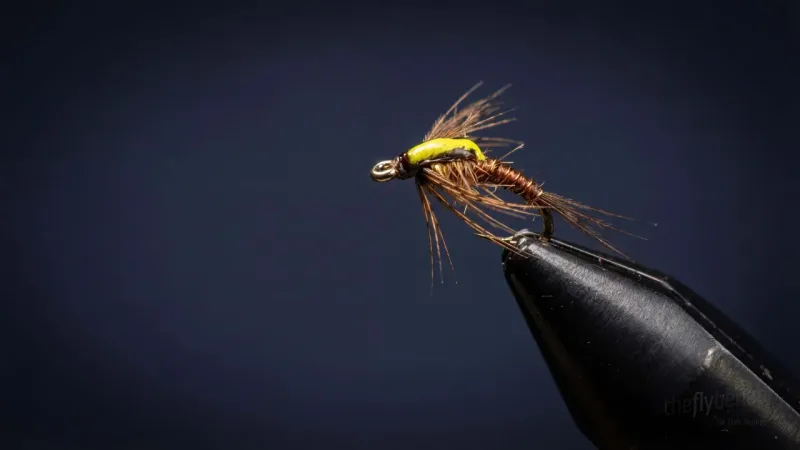
This is a versatile and effective emerger pattern that imitates a variety of mayflies as they transition from nymph to adult. The Big Bear Emerger offers a lifelike silhouette under the water, enticing trout with its realistic presentation.
Spring, Summer
Intermediate
Trout
Apr 2025
Overview
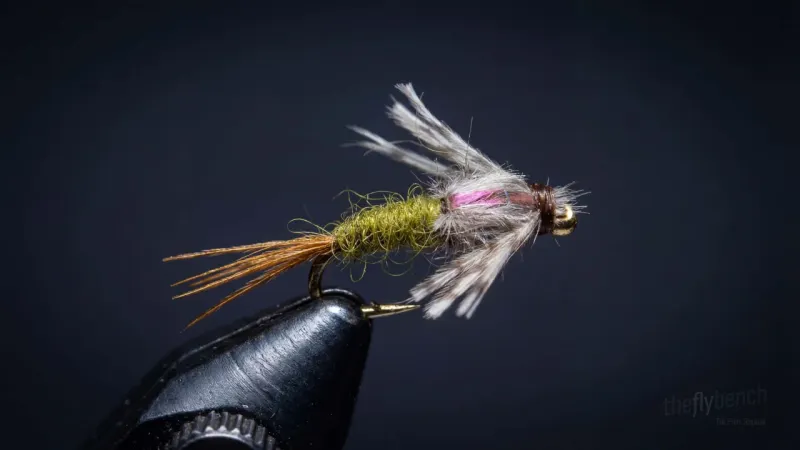
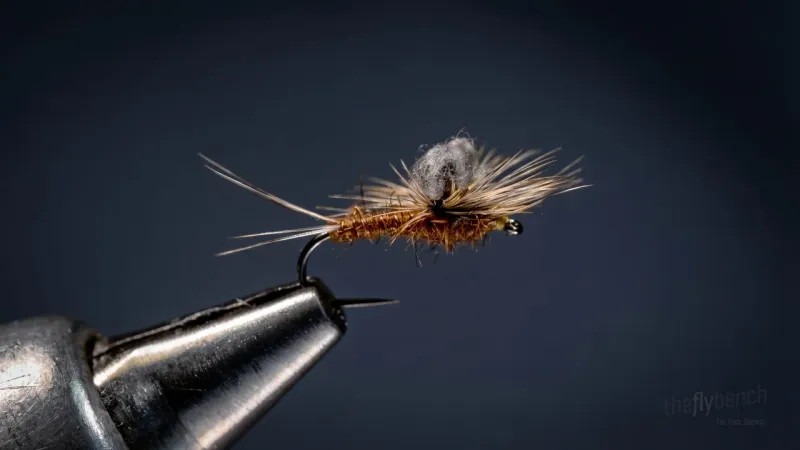
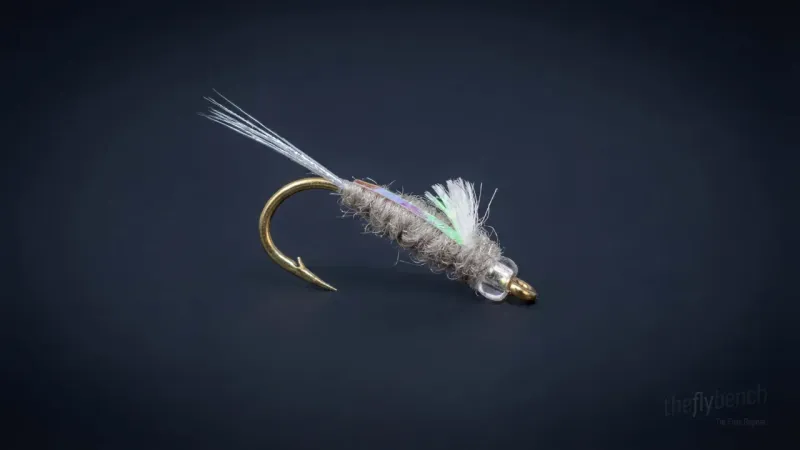
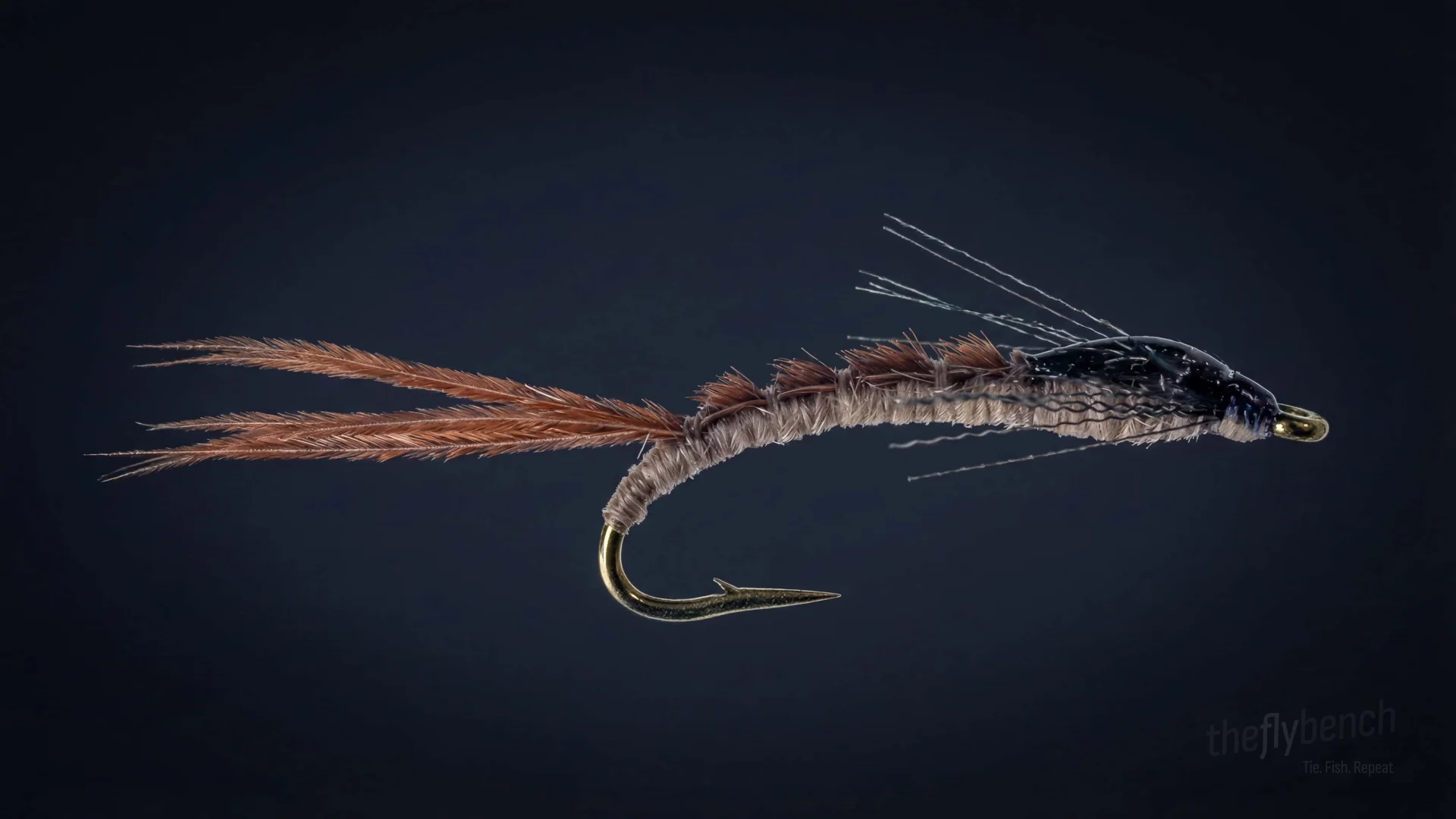
The Big Bear Emerger is a versatile mayfly emerger pattern tied with a CDC wing, trailing shuck, and a lightly dubbed body. It's designed to ride low in the film, mimicking a mayfly struggling to emerge. The sparse silhouette and natural materials make it an effective choice on selective trout in slow-moving water.
Where to Buy This Fly
We only link to fly shops we trust. Some links are referral links, which may earn us a commission at no extra cost to you.
Materials
- Hook:
- Tiemco 200R, sizes #16-#22
- Thread:
- Yellow UTC 70
- Tail:
- Pheasant Tail
- Rib:
- Yellow UTC 70
- Casing:
- Olive Antron or Z-Lon
- Thorax:
- PMD Superfine Dubbing
Behavior & Presentation
Natural Behavior: Large mayfly species hang in the film for extended periods, their substantial bodies requiring more time to extract from nymphal shucks. This prolonged emergence makes them priority targets during peak hatch windows.
Where Trout Eat It: Trout sip this sparse emerger in the surface film during mayfly emergences on slow-moving spring creeks and tailwaters. The CDC wing and trailing shuck create a low-riding profile that selective fish key on in glassy runs and tail-outs during late morning hatches.
How to Fish It: Fish in the film with drag-free drifts using a dry-dropper rig with the Big Bear as the dropper below a buoyant dry fly. Apply floatant only to the Antron wing post, allowing the body to sink below the surface while the wing remains visible for tracking.
Best Water: Most effective in tail-outs, back eddies, and flat water sections where trout have time to inspect emergers. The sparse silhouette shines on slow-moving water with selective fish during late morning and early afternoon mayfly emergences in worldwide applications.
Strike Type: More confident takes on larger profiles—fish commit with visible head-turns and surface disturbance.
Fishing Strategy
Rigging Suggestions: Use a dry-dropper rig with the Big Bear Emerger as the dropper below a buoyant dry fly. Fish on 9-12 foot leaders with 5X-6X tippet for delicate presentations.
Seasonal Timing: Most effective from April through September during mayfly emergences, with peak activity during morning and evening hatches. Use this fly when mayflies are beginning to emerge, often in late morning or early afternoon.
Pro Tips: The white Antron wing aids in visibility while the body sinks below the water to perfectly imitate emerging mayflies caught in the surface film. Apply floatant only to the wing post.
Entomology
Mayfly emergers transition from nymphs to adults in the surface film, partially submerged with wing cases splitting and wings beginning to unfold. This vulnerable stage involves considerable struggle and time suspended in the current, making them easy targets. Trout become highly selective during mayfly emergences, focusing on the exact transitional stage rather than fully emerged duns or submerged nymphs.
- Order
- Ephemeroptera
- Common Name
- Mayfly
- Organism Type
- insect
- Life Stage
- general