NymphIce Wing Caddis
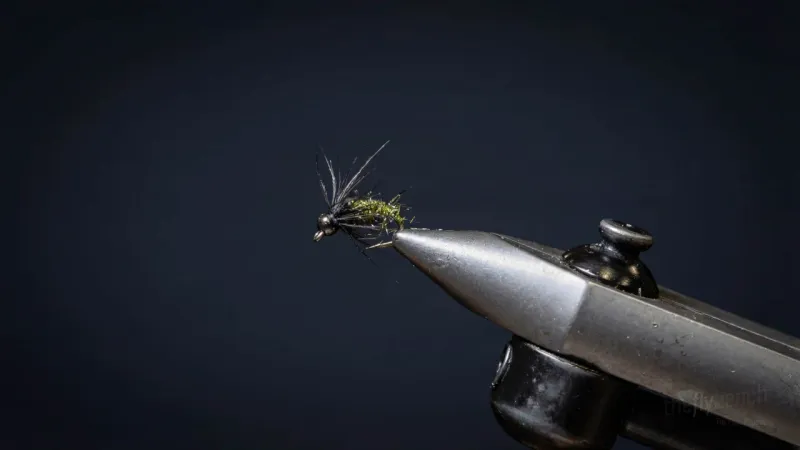
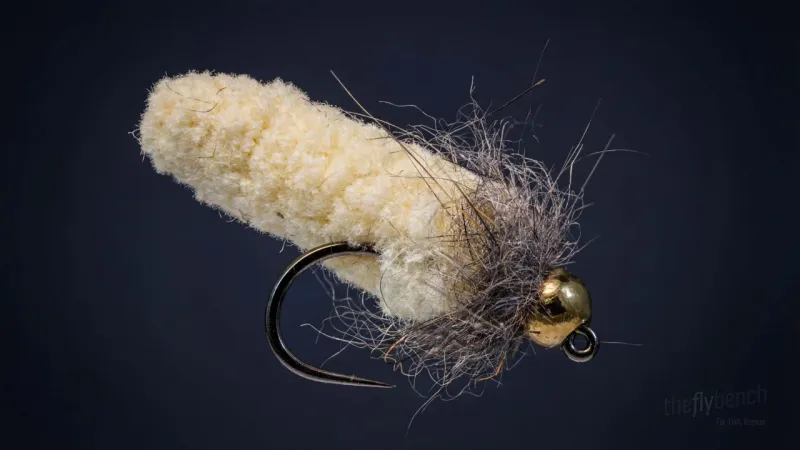
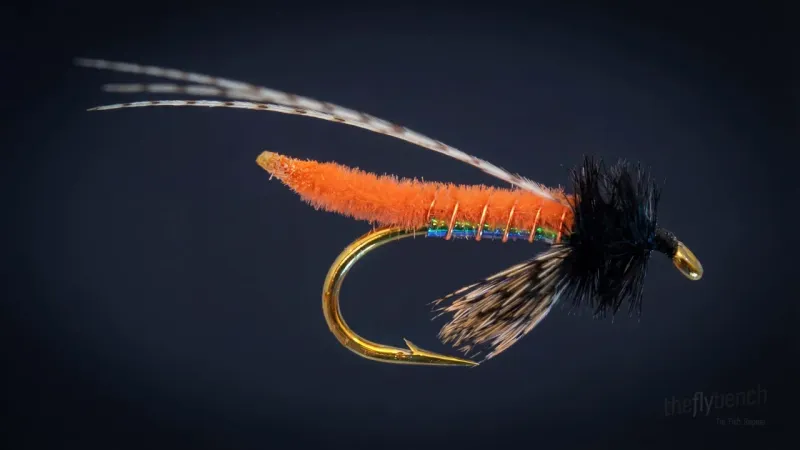
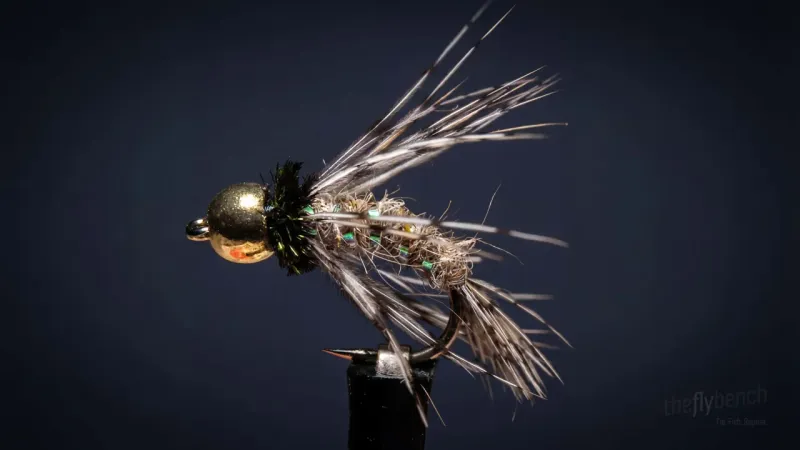
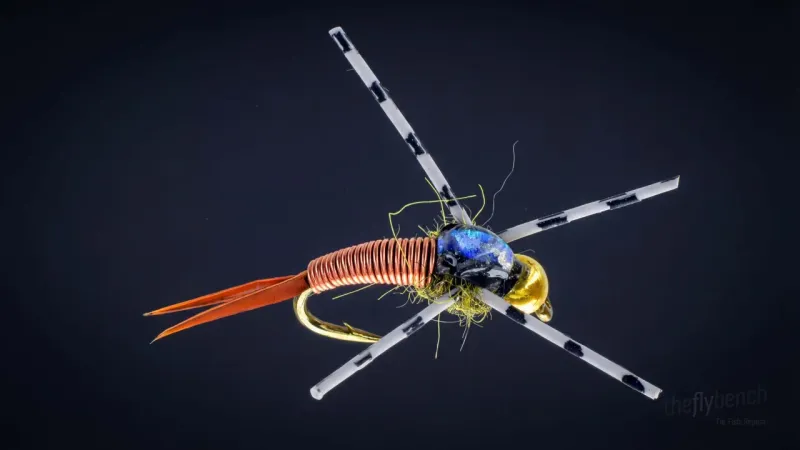
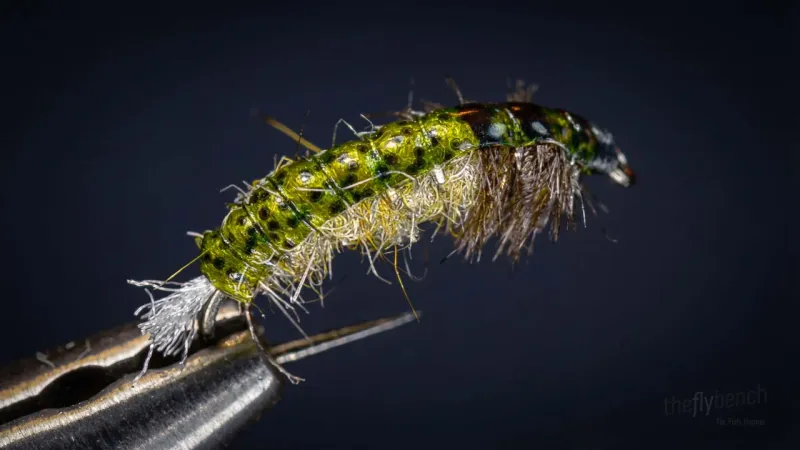
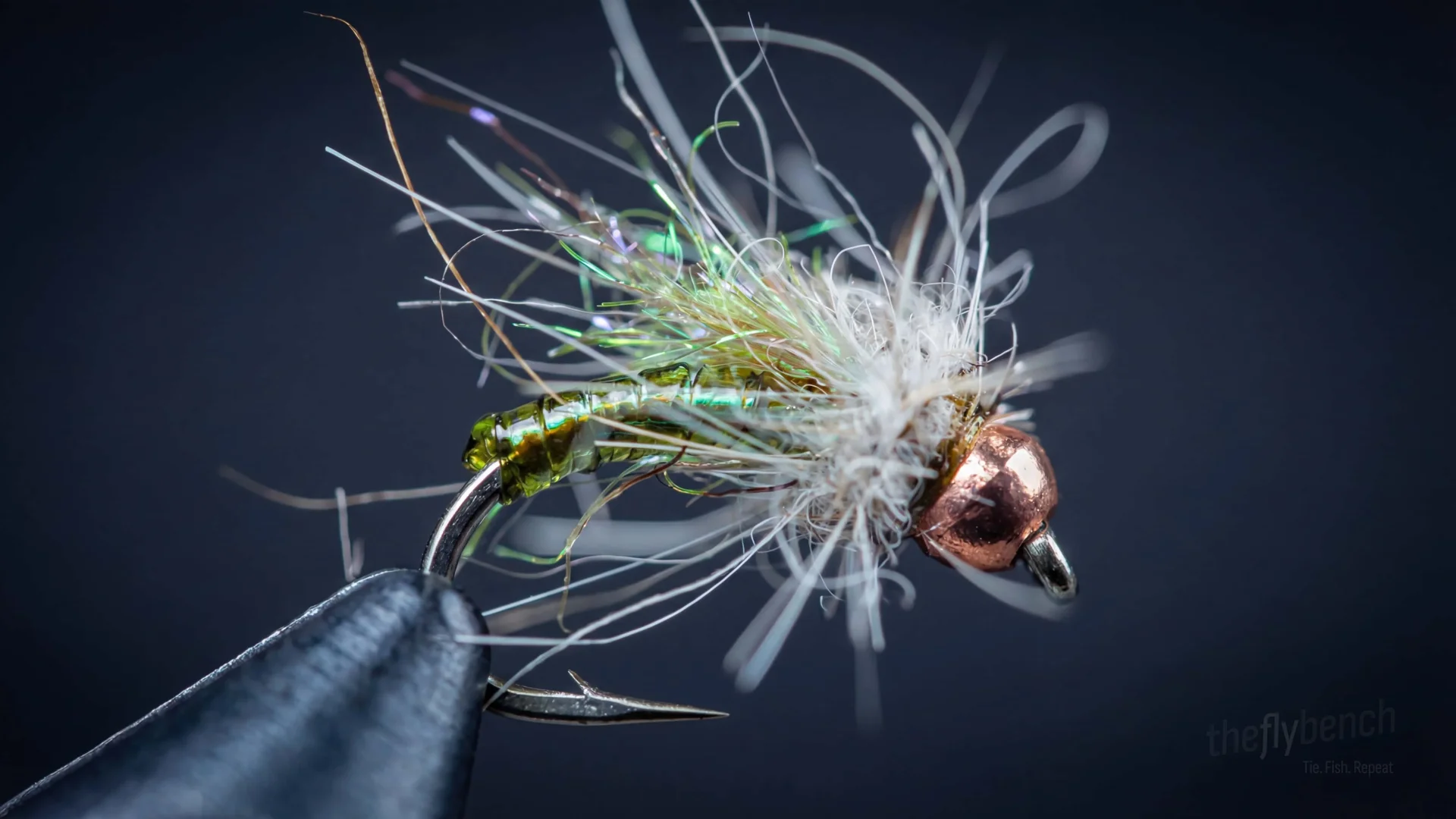
The Ice Wing Caddis is a flashy caddis pupa imitation that excels when targeting selective trout. The Ice Dub wing creates a translucent, shimmering profile that mimics the gas bubble trapped beneath a natural caddis pupa's wing case. A versatile pattern that belongs in every nymph box.
Spring, Summer, Fall
Intermediate
Trout
Dec 2025
Overview
This pattern from Trident Fly Fishing showcases the effectiveness of Ice Dub as a wing material. When wet, the Ice Dub turns translucent with a subtle UV tinge that closely mimics the gas bubble trapped beneath a natural caddis pupa's developing wing case. The hollow tubing body creates a realistic segmented appearance while the pearl tinsel adds flash to attract attention. Can be tied in various colors to match local caddis species—olive, tan, and amber are all productive choices.
Materials
Hook: Daiichi 1120, size #10–#16
Bead: Tungsten bead, 7/64", copper
Thread: UTC 70D, olive
Body: Hollow tubing, olive
Tinsel: Pearl tinsel, large
Wing: Ice Dub, olive brown
Collar: Hare's ear dubbing
Behavior & Presentation
Natural Behavior: Pupae make their critical ascent from the streambed to the surface, swimming upward with rapid undulations while trapped within translucent pupal sheaths. Fish target these ascending pupae because they are highly visible, completely defenseless during transformation, and represent peak nutritional content after weeks of larval feeding.
Where Trout Eat It: Fish feed in mid-water columns during April through October emergence periods, targeting ascending pupae in runs and pocket water.
How to Fish It: Dead drift through holding water or swing on the rise to imitate an ascending pupa transitioning to the surface.
Best Water: Focus on runs, pocket water, and riffle edges in freestone streams and tailwaters where caddis populations thrive.
Strike Type: Watch for indicator dips, subtle tightening, or hesitations signaling fish intercepting the drifting or ascending pupa.
Fishing Strategy
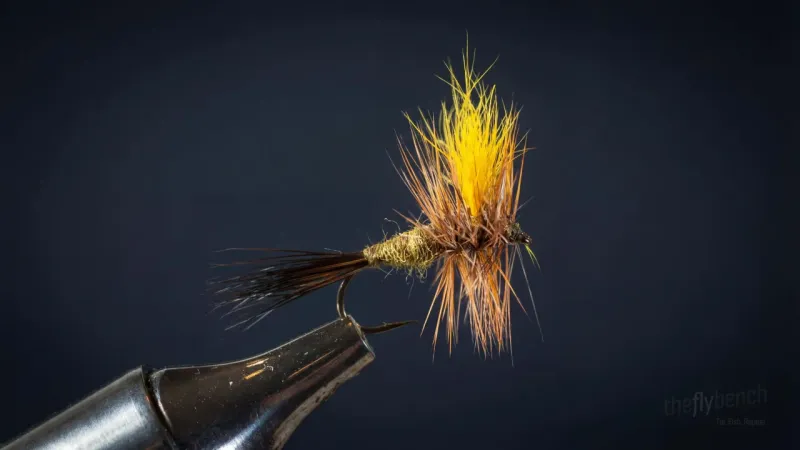
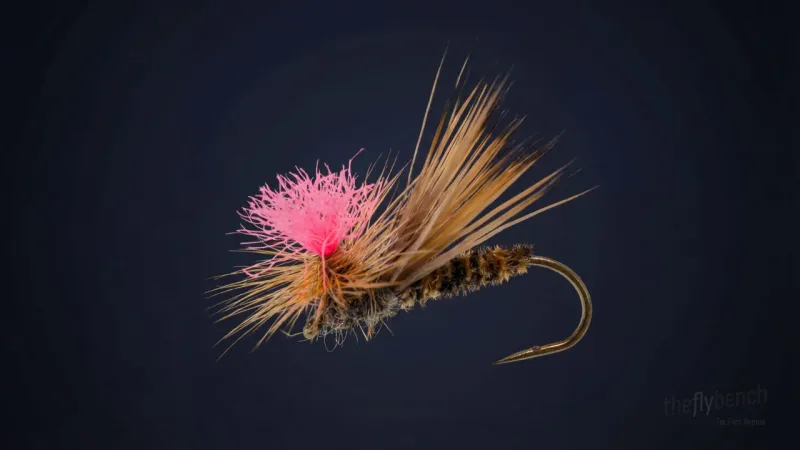
Rigging Suggestions: Use as a dropper 12–18 inches below a buoyant dry fly like an Elk Hair Caddis or Stimulator. Also effective under an indicator in deeper runs.
Seasonal Timing: , summer, and fall caddis emergences. Particularly productive from April through October when caddis pupae are actively ascending to the surface.
Pro Tips: Sinks quickly due to tungsten bead. The Ice Dub wing provides subtle flash and UV reflection underwater.
Entomology
Caddis pupae make their critical ascent from the streambed to the surface, swimming upward with rapid undulations while trapped within translucent pupal sheaths. Fish target these ascending pupae because they are highly visible, completely defenseless during transformation, and represent peak nutritional content after weeks of larval feeding.
- Order
- Trichoptera
- Common Name
- Caddisfly
- Organism Type
- insect
- Life Stage
- pupa