NymphNewman's Micro Matcher
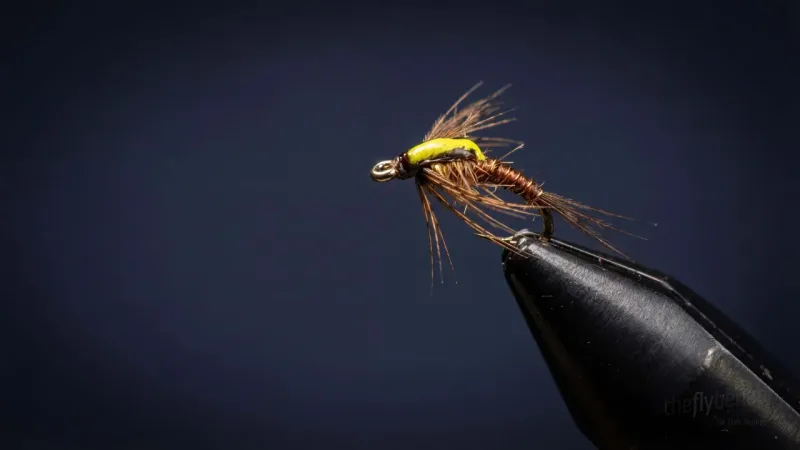
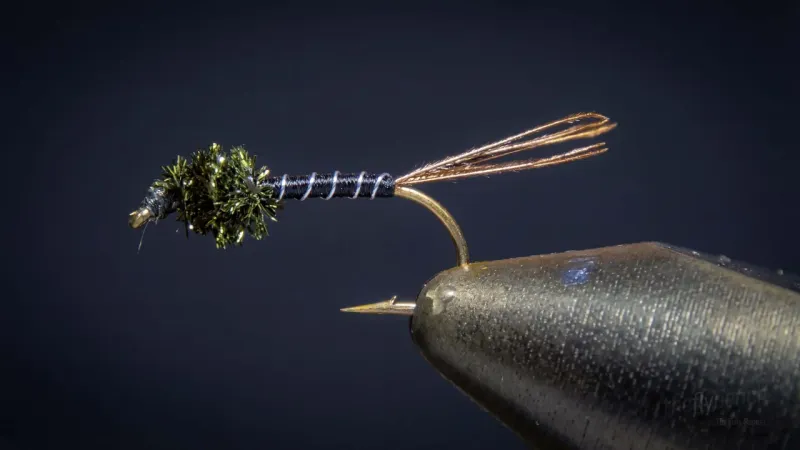
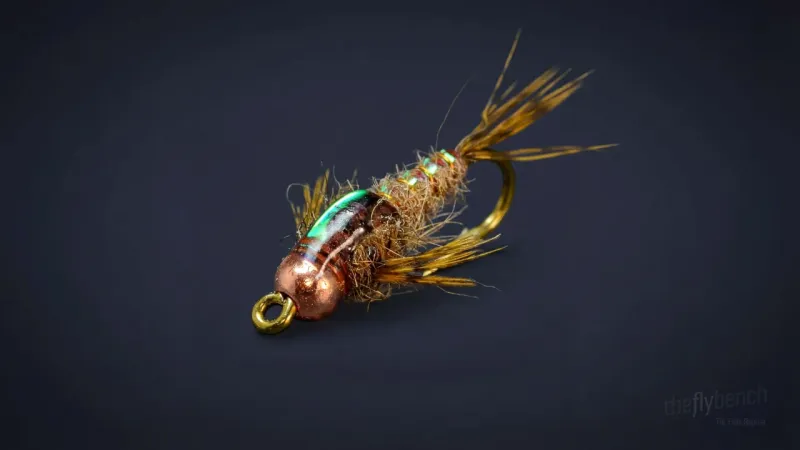
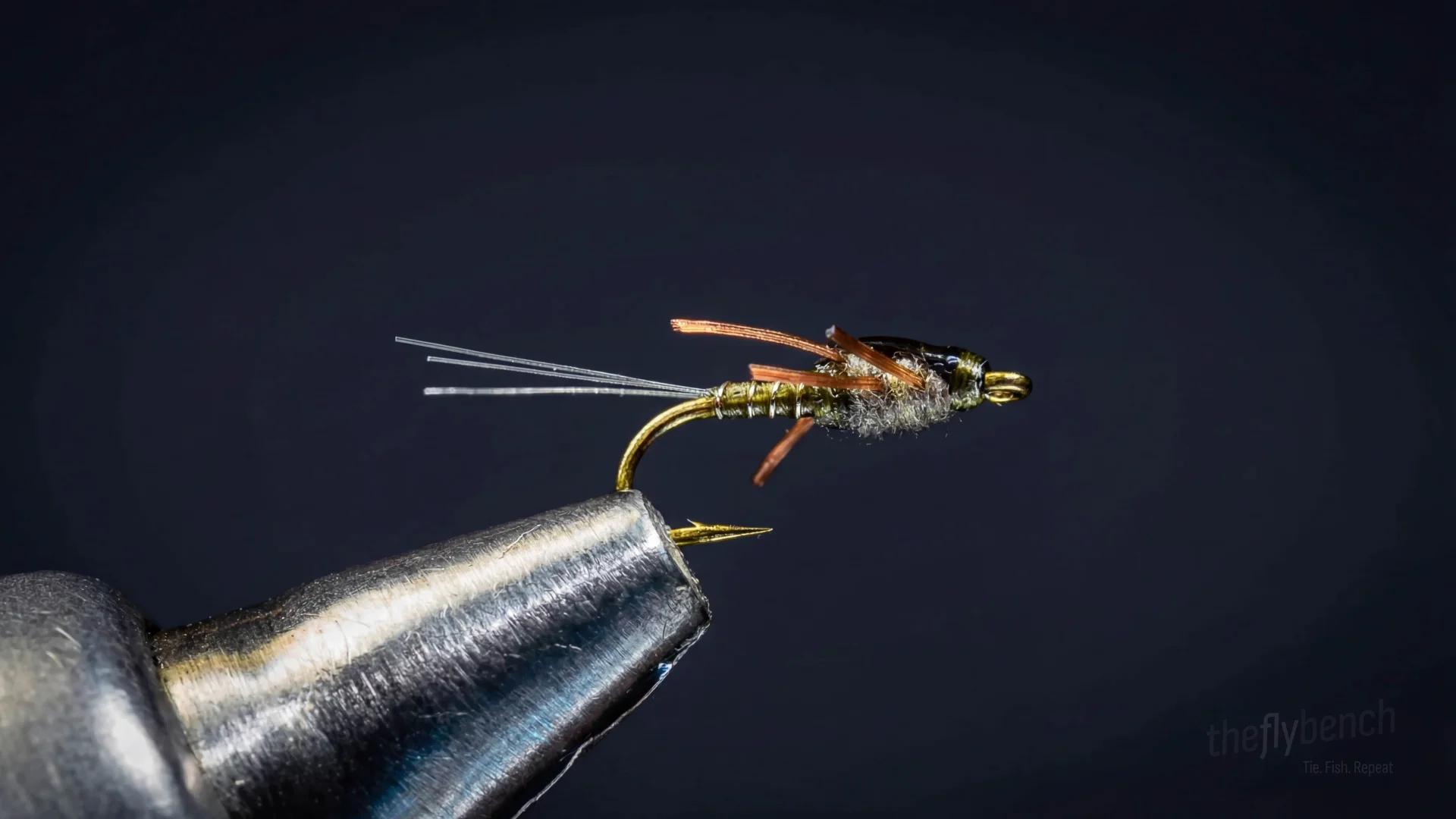
Newman's Micro Matcher is a detailed Baetis nymph imitation that bridges the gap between technical tailwater patterns like the RS2 and leggy attractor patterns like Pat's Rubber Legs. Developed by Walter Newman for the selective trout of Colorado's South Platte River, this pattern features a slim thread body with wire ribbing, a Thinskin wingcase, and three sets of Senyo's Shaggy Dub legs that create subtle movement. The UV resin coating accentuates the silhouette and adds durability.
Spring, Summer, Fall
Advanced
Trout
Dec 2025
Overview
This Walter Newman pattern tied by Charlie Craven from Charlie's Fly Box represents an innovative hybrid approach to Baetis nymph design. Newman grew up fishing Colorado's South Platte River and developed this pattern to combine the slim profile of technical tailwater patterns with the leg movement found in larger attractor nymphs. The pattern's most challenging aspect is placing the three sets of ultrafine Shaggy Dub legs evenly and perpendicular to the shank. The synthetic legs create water resistance that causes the fly to move more naturally in the current. The tail is tied long and cut blunt to replicate the thicker tail fibers of natural mayfly nymphs. The UV resin top coat creates a clean silhouette and adds significant durability to this delicate pattern.
Materials
Hook: Tiemco 101, #18-22
Thread: Nanosilk 30 Denier (Semperfli), olive
Tail: Mayfly Tails, blue dun
Rib: Wire (UTC), silver extra-small
Abdomen: Thread (Nanosilk), olive
Wingcase: Thinskin, black
Thorax: Superfine Dubbing, adams gray
Legs: Senyo's Shaggy Dub, brown
Coating: Solarez UV Resin, thin hard
Behavior & Presentation
Natural Behavior: Small Baetis nymphs scurry and dart along rocky substrate between refuge spots, their quick movements punctuated by brief drifting episodes. The Shaggy Dub legs pulse and wave independently in even subtle currents, mimicking the constant leg motion of active mayfly nymphs.
Where Trout Eat It: Trout target this pattern in tailwater feeding lanes and technical flats where selective fish inspect tiny Baetis nymphs in clear, low flows. The synthetic legs create water resistance causing natural movement in subtle currents along seams and shelves.
How to Fish It: Fish with 6X-7X fluorocarbon on light nymphing rigs as trailer behind larger stonefly or leech patterns. Dead drift with occasional subtle lifts—the pattern's synthetic leg movement provides action even in slow currents requiring minimal manipulation.
Best Water: Designed specifically for technical tailwaters in gin-clear water. Fish seams, transition points between depths, and subtle current breaks in low, clear conditions where trout have time to scrutinize prey.
Strike Type: Takes range from aggressive taps to barely perceptible weight increases; maintain focus on the indicator for any pause, dip, or sideways movement and set promptly.
Fishing Strategy
Rigging Suggestions: Fish on a light nymphing rig with 6X-7X fluorocarbon tippet. Works well as a trailing fly behind a larger pattern like a stonefly or leech. Newman recommends pairing with a Higa's SOS or Gunslinger May as a lead fly with a midge trailer.
Seasonal Timing: Most effective during Baetis hatches in, and even. Blue-winged olives are prevalent on overcast, drizzly days when other insects are less active.
Pro Tips: This is a subsurface pattern designed to drift in the water column. The olive coloration matches natural Baetis nymphs while the UV resin coating adds a subtle sheen.
Entomology
Blue-winged olive nymphs exhibit characteristic quick, darting movements along the stream bottom, often swimming in short bursts between refuge spots. Fish target these small mayfly nymphs because they're abundant year-round and provide reliable protein in a compact, easily digestible package.
- Order
- Ephemeroptera
- Family
- Baetidae
- Common Name
- Blue-Winged Olive
- Organism Type
- insect
- Life Stage
- general