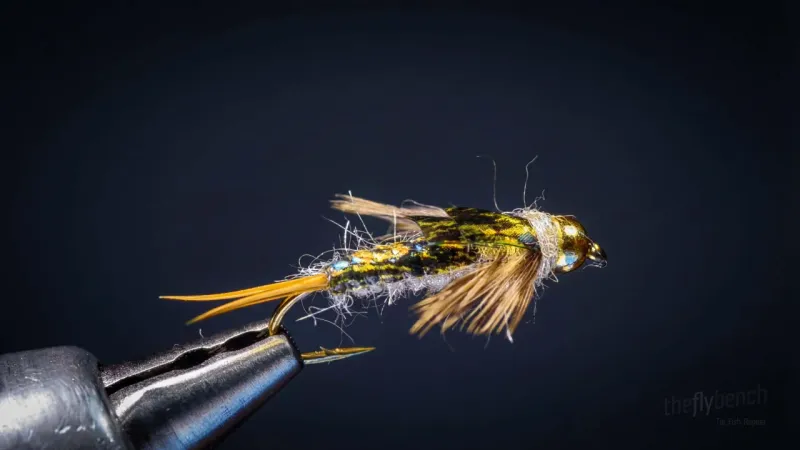
NymphHare's Ear Stonefly
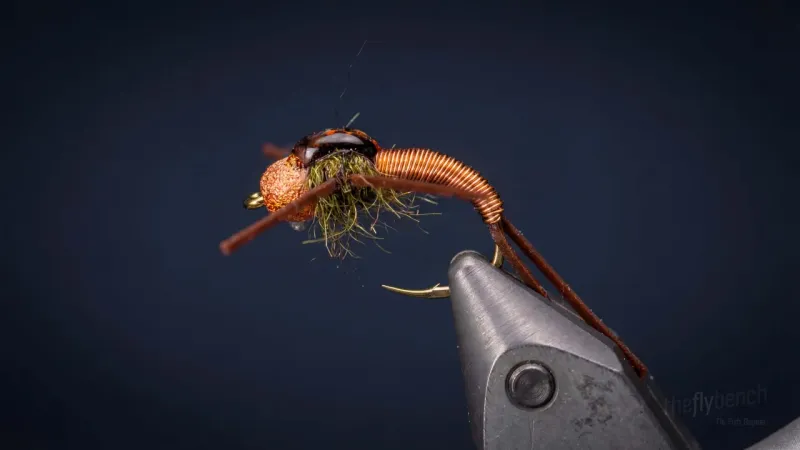
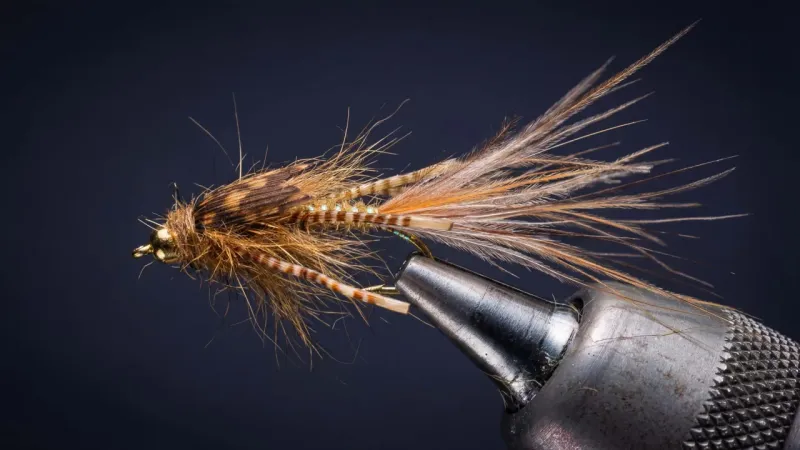
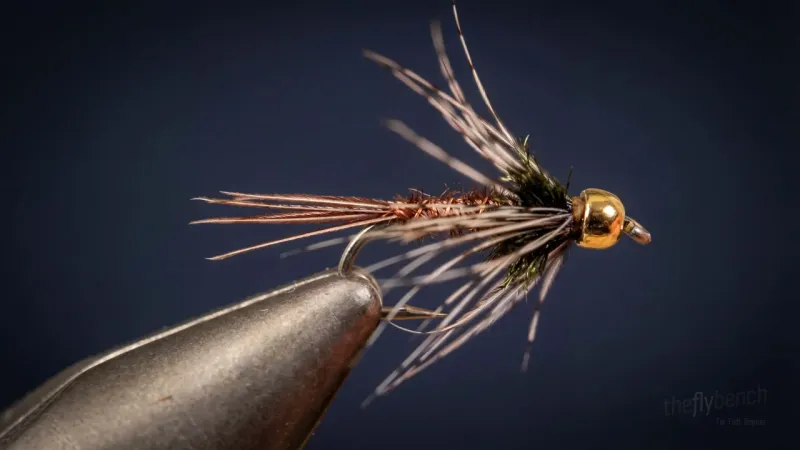
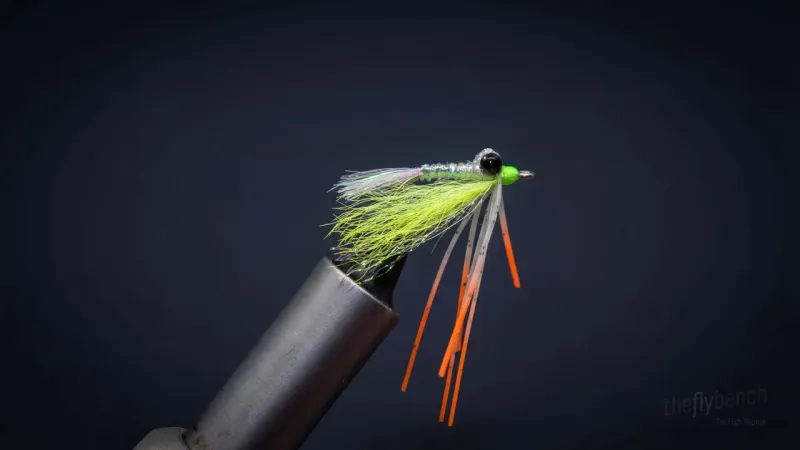
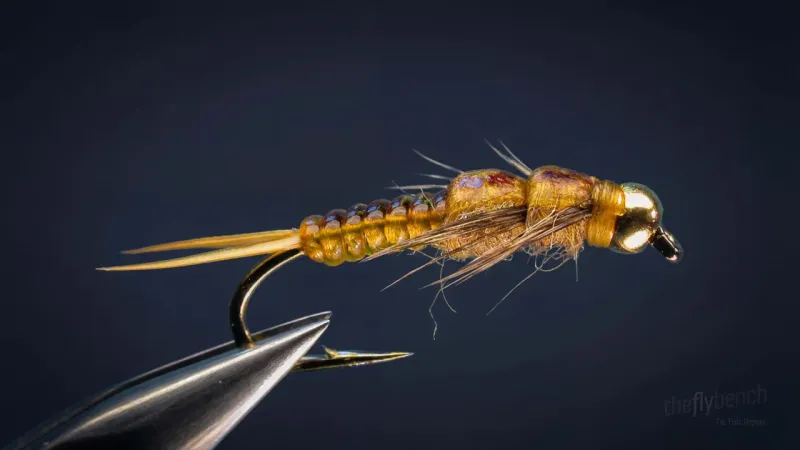
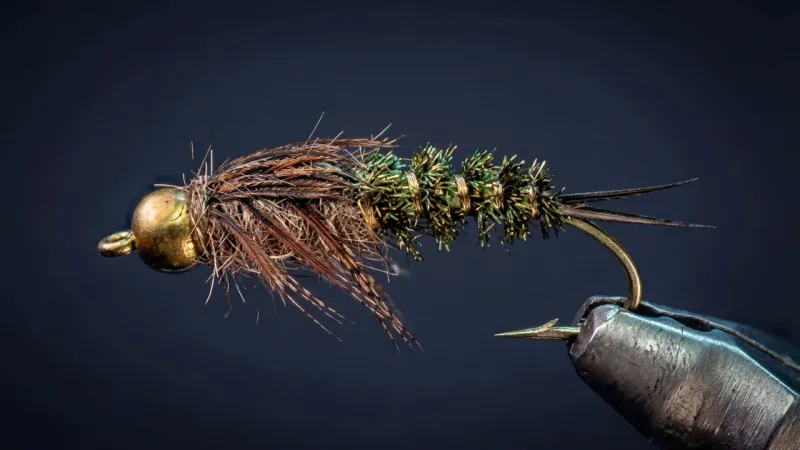
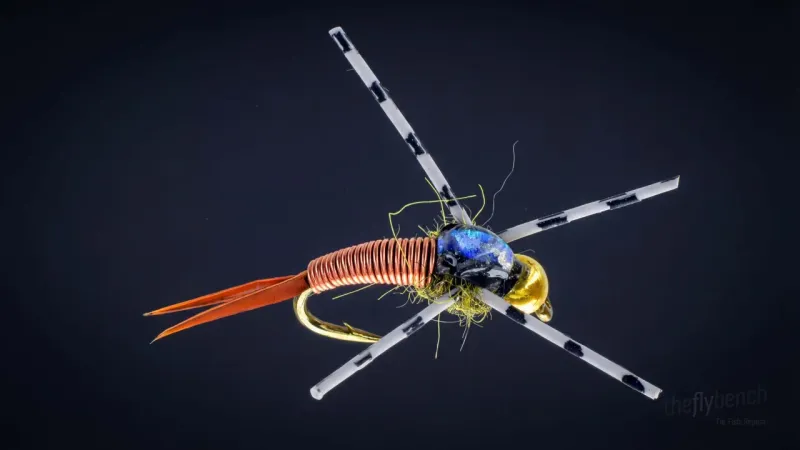
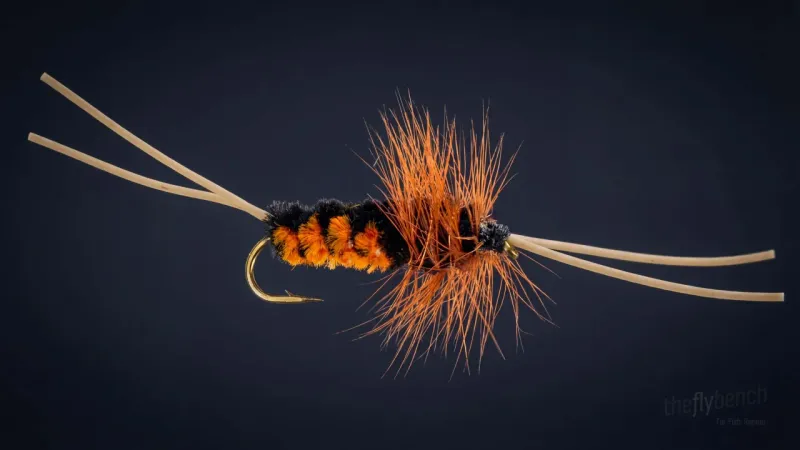
This robust pattern uses dubbed hare's ear fur to create a buggy, spiky profile that imitates large stonefly nymphs and other substantial aquatic insects. The natural guard hairs provide lifelike movement while the weighted body hugs the bottom in fast freestone rivers where golden and salmonfly nymphs are abundant.
Spring, Summer
Intermediate
Trout
Apr 2025
Overview
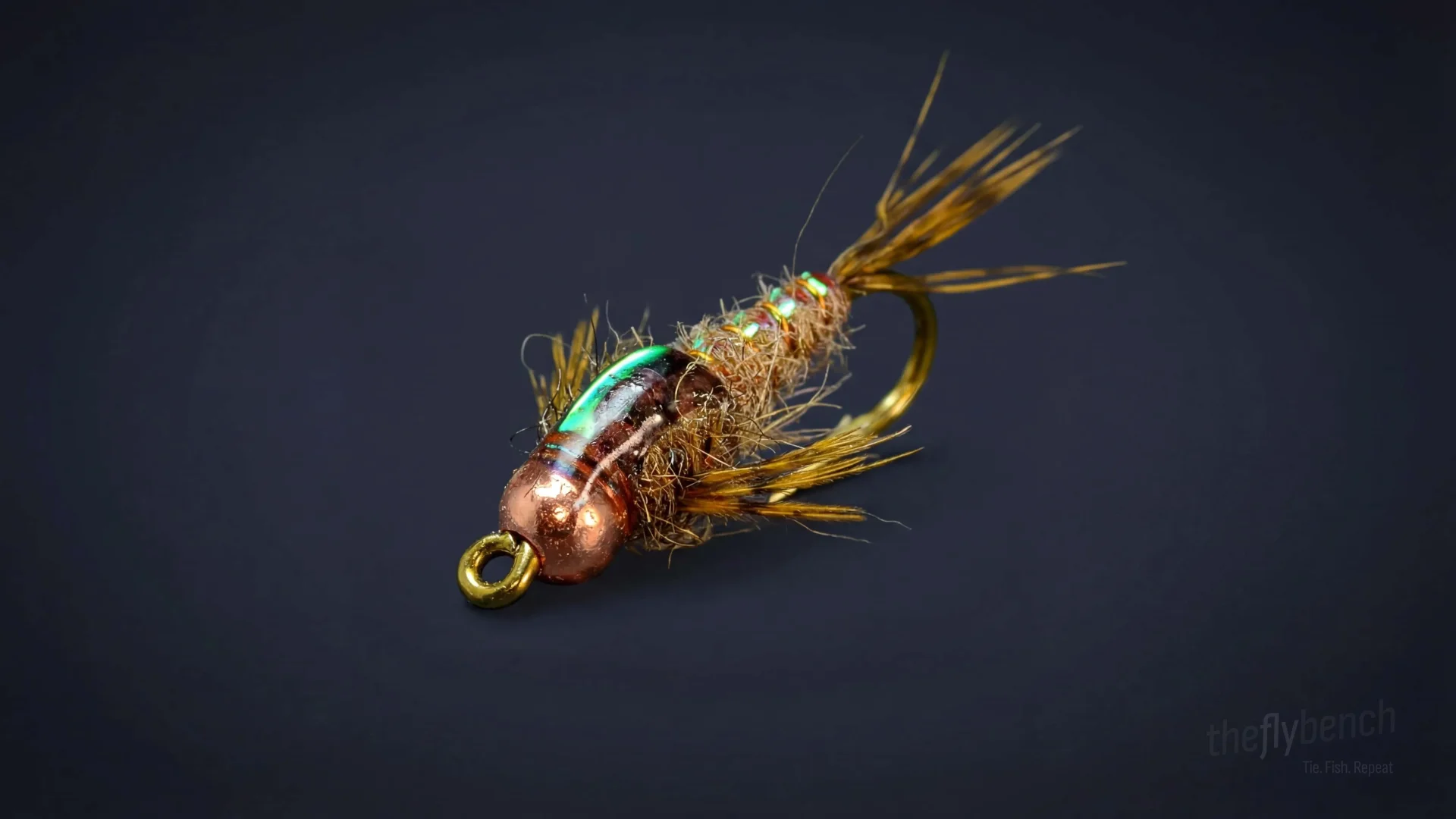
This nymph combines the buggy appeal of the classic Hare's Ear with a larger, more robust profile to imitate stonefly nymphs. It's typically tied on a long shank hook with a dubbed body using natural hare's mask, a rib of gold wire, a dark wingcase (often turkey tail or synthetic), and rubber legs for lifelike movement. A bead or lead wraps add the weight needed to get it deep in fast water.
Where to Buy This Fly
We only link to fly shops we trust. Some links are referral links, which may earn us a commission at no extra cost to you.
Materials
- Hook:
- Fulling Mill 1550, sizes #10-#18
- Thread:
- Semperfli Classic Waxed Thread - 8/0 - Brown
- Bead:
- Fulling Mill Tungsten Beads - Copper - 3.2mm
- Tail/Legs:
- Flash Sale Hackle 77 - Whiting 4B Hen Saddle - Variant (Speckled Brown)
- Lead:
- Lead Wire Spool - .015
- Ribbing:
- UTC Ultra Wire - Amber - Small
- Flash:
- Mirage Tinsel - Opal - Medium
- Body:
- Arizona Mega Synthetic Dubbing - Dark Hare's Ear
- Wingcase:
- Thin Skin - Mottled, Bustard Natural
Behavior & Presentation
Natural Behavior: Large stonefly nymphs maintain their grip on cobble undersides using strong tarsal claws, releasing only when powerful currents dislodge them during spates or when emergence instincts drive them toward shoreline rocks. Their heavy, armored bodies tumble along the bottom rather than swimming, making them conspicuous targets as they cartwheel through pocket water.
Where Trout Eat It: Trout target this heavy pattern deep in boulder-strewn pocket water where large stonefly nymphs crawl across cobble substrates. During emergence periods, fish intercept it in 4-7 foot depths where migrating nymphs tumble after dislodgement from high flows.
How to Fish It: High-stick through turbulent pockets with adequate weight to bounce bottom quickly. The robust profile and rubber legs require minimal added weight—maintain tight line contact and lift subtly during drift to imitate active nymph migration toward shore.
Best Water: Excel in high-gradient pocket water with distinct current breaks behind large boulders. Target deep chutes and bubbly whitewater where nymphs tumble, plus slack pockets adjacent to fast seams.
Strike Type: The indicator pauses mid-drift or dips sharply as fish grab the heavily-weighted nymph tumbling near bottom, often with a distinct upstream pull that telegraphs aggressive commitment.
Fishing Strategy
Rigging Suggestions: Fish solo on 9-foot leaders with 4X or 5X tippet, or pair with a smaller mayfly nymph dropper 18-24 inches below. Add weight to reach the bottom in faster currents.
Seasonal Timing: Most effective from April through July during stonefly nymph migration and adult emergence, particularly when water temperatures reach 50-60°F. Target pre-hatch periods and during active stonefly emergences when large nymphs migrate to shore.
Pro Tips: The natural hare's ear dubbing creates a buggy profile that blends with riverbed structure while the rubber legs add lifelike movement. This pattern's larger profile makes it an excellent searching fly when no specific hatch is occurring.
Entomology
Stonefly nymphs are powerful crawlers that inhabit the rocky substrates of cold, well-oxygenated streams, clinging to the undersides of large stones. They occasionally release into the drift when dislodged by current or during their migration to shore for emergence, tumbling along the bottom with their robust bodies. Their large size and meaty profile make them a prized meal for trout, especially during spring runoff when nymphs are most active.
- Order
- Plecoptera
- Common Name
- Stonefly
- Organism Type
- insect
- Life Stage
- nymph