Dry FliesRhyac
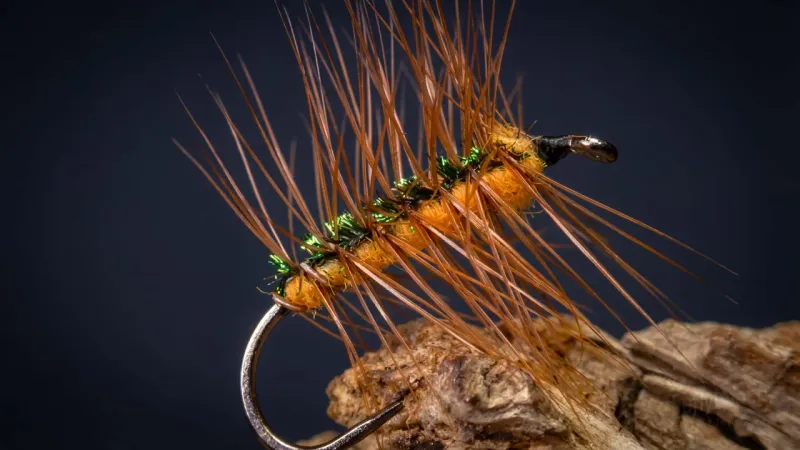
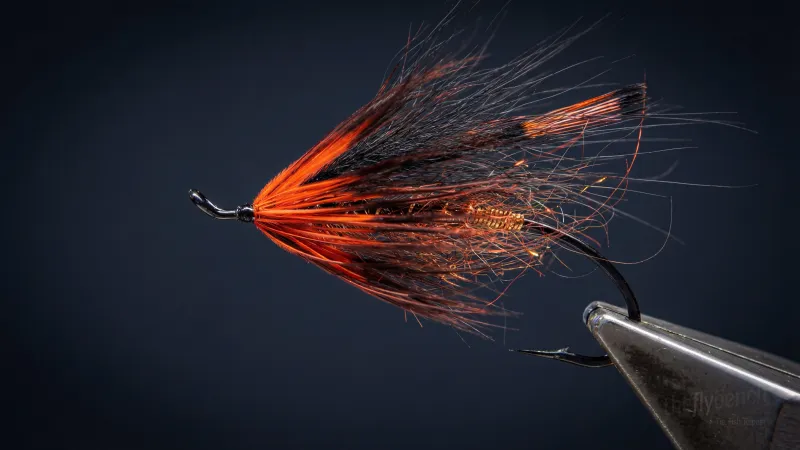
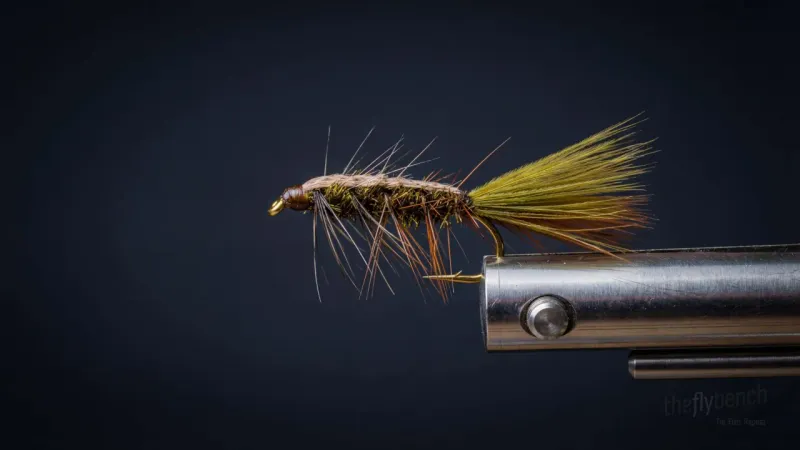
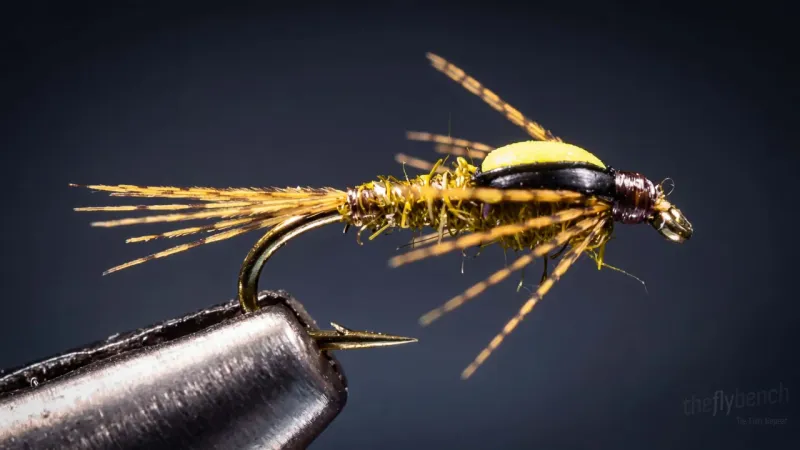
The Rhyac is a dry fly pattern designed by Joe Branham. This effective pattern combines traditional materials with proven techniques for consistent results in a variety of water conditions.
Spring, Summer, Fall
Intermediate
Trout
Feb 2026
Overview
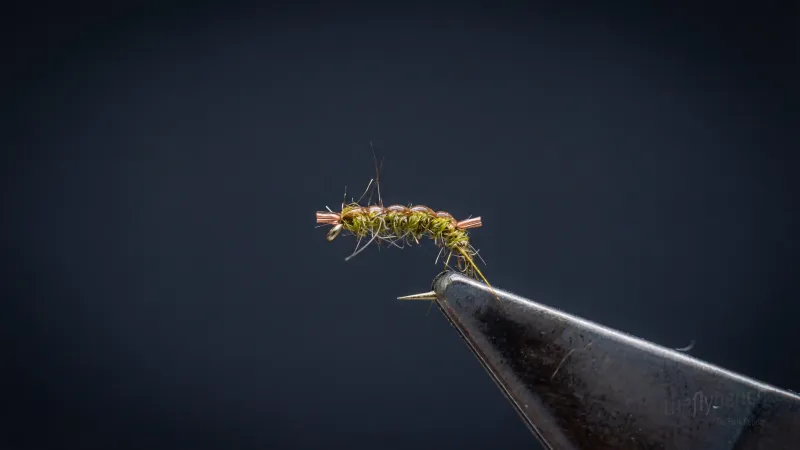
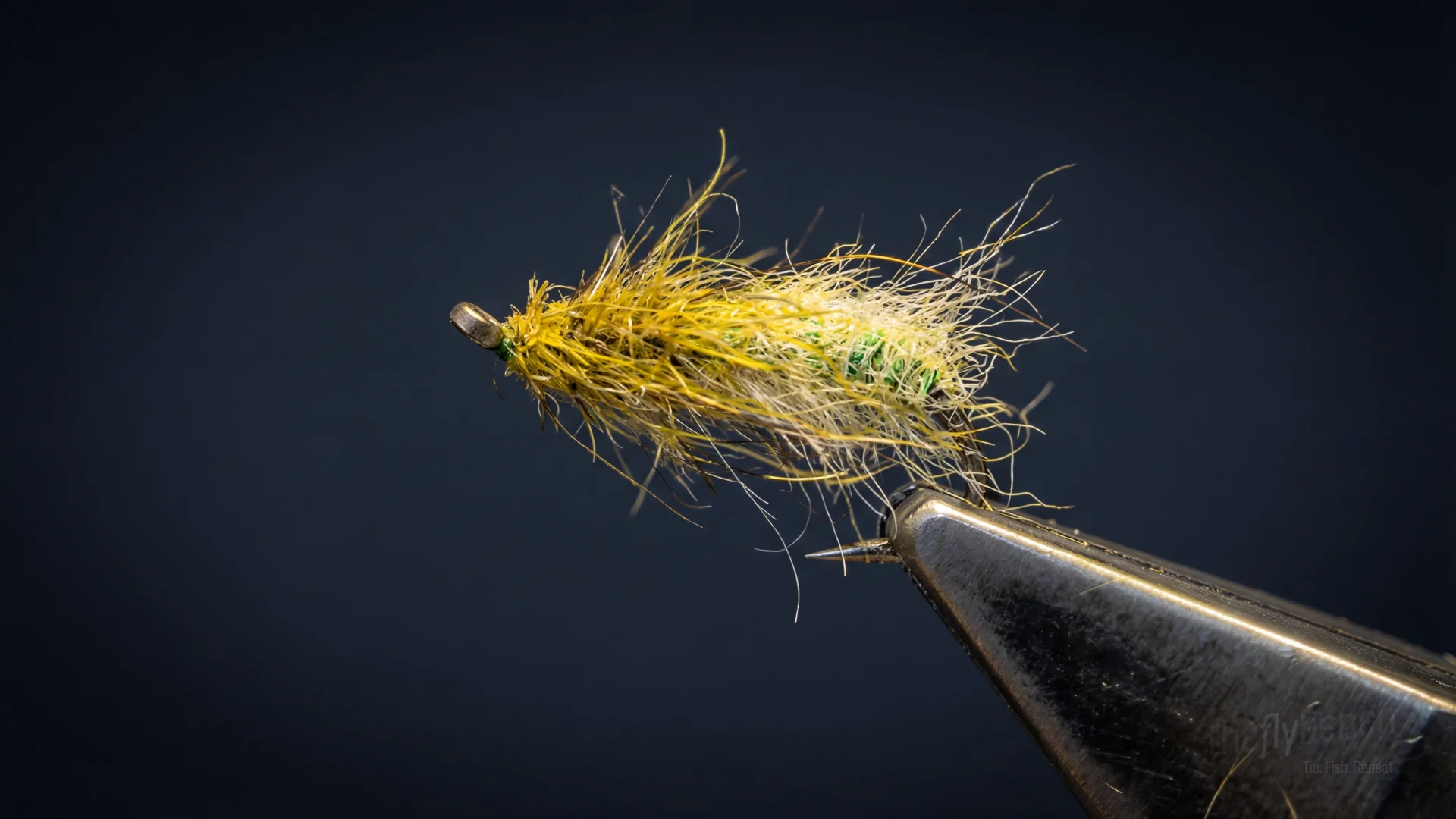
Joe Branham's pattern incorporates materials and proportions specifically for rhyacophila caddis, which have distinctive green or tan bodies. The dubbed body matches the naturals' coloration while the sparse hackle and low profile mimic their swept-back wing posture. Simple construction makes this pattern quick to tie in multiple color variations. Most effective during late spring and summer when green rock worms are active in fast, cold streams.
Where to Buy This Fly
We only link to fly shops we trust. Some links are referral links, which may earn us a commission at no extra cost to you.
Materials
- Hook:
- #10 (Aiken 1237)
- Thread:
- Uni Thread 8/0 brown
- Underbody:
- lead
- Abdomen:
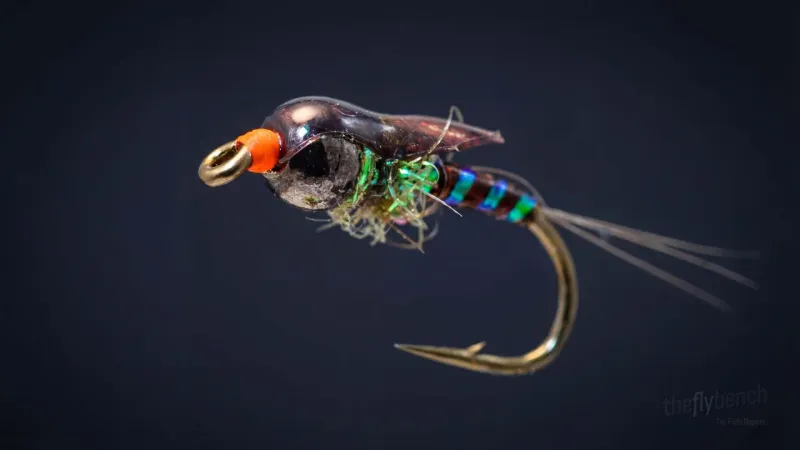
- olive thread covered by clear vinyl and painted on top using brown Edding 2200 pen
- Wingcase:
- brown foil
- Thorax:
- Hare’s Mask , light
- Head:
- Uni Thread 8/0 light olive
Behavior & Presentation
Natural Behavior: Fast-water emergences produce adults that pop to the surface and immediately run downstream on foot before taking flight. Anglers key on this because the predictable downstream skating creates feeding frenzies in turbulent water.
Where Trout Eat It: Fish intercept skating caddis in the surface film of fast freestone streams, tailwater riffles, spring creek runs, and choppy lake water.
How to Fish It: Dead drift with high-floating posture through fast currents. The robust hackle maintains visibility and buoyancy in turbulent pocket water where fish need time to commit.
Best Water: Focus on fast pocket water behind boulders, turbulent riffles, riffle edges, and current breaks where caddis emerge in broken surface conditions.
Strike Type: Watch for visible rises and aggressive eats as fish strike confidently at high-riding adults in fast water.
Fishing Strategy
Rigging Suggestions: Fish on a 9-12 foot leader with 4X-5X tippet (5-6 pound test). The high-floating design requires minimal floatant application. Use slightly heavier tippet in fast water for better turnover.
Seasonal Timing: Prime fishing from April through October, with exceptional performance during mayfly hatches (May-June) and caddis emergences (June-August). Fish during morning and evening when insect activity peaks.
Pro Tips: The robust hackle and buoyant design keep this fly riding high even in turbulent water. Sizes 12-16 are most versatile. The visibility makes this pattern excellent for low-light conditions and pocket water fishing.
Entomology
Caddis adults emerge en masse in fast water, popping to the surface and immediately running downstream on foot across the film. This rapid downstream skating behavior creates a feeding frenzy as fish anticipate the insects' predictable escape paths.
- Order
- Trichoptera
- Common Name
- Caddisfly
- Organism Type
- insect
- Life Stage
- adult