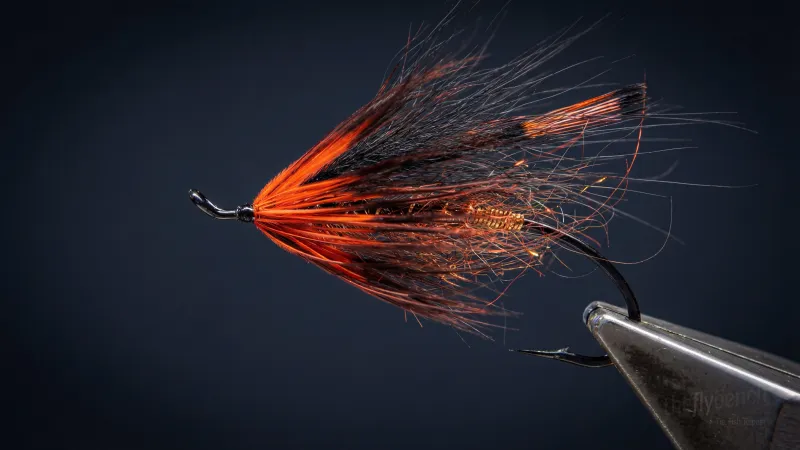
Dry Flies3D (Double Dirty Duster)
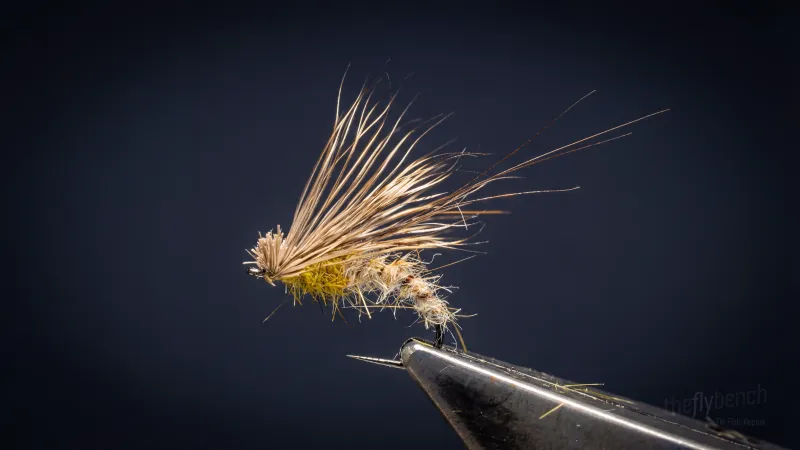
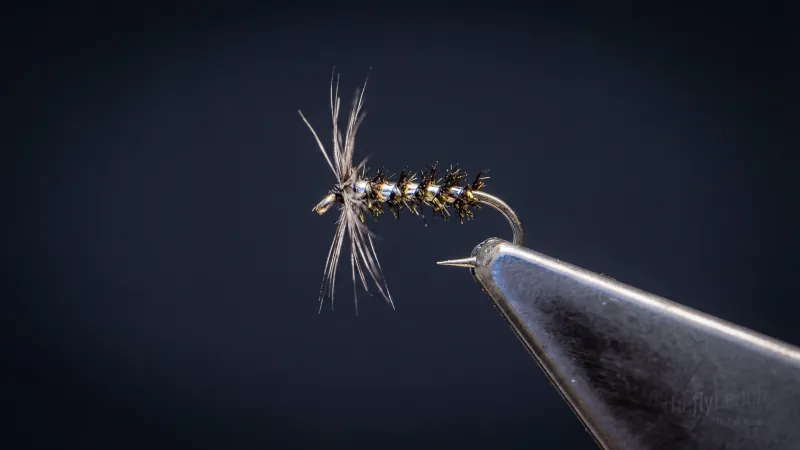
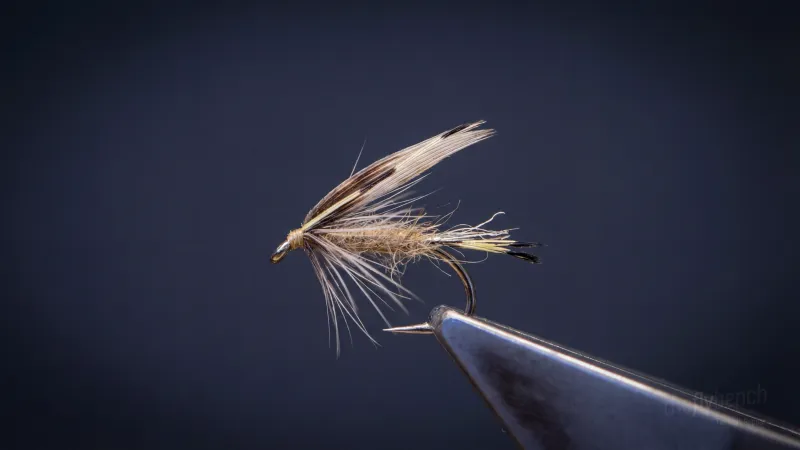
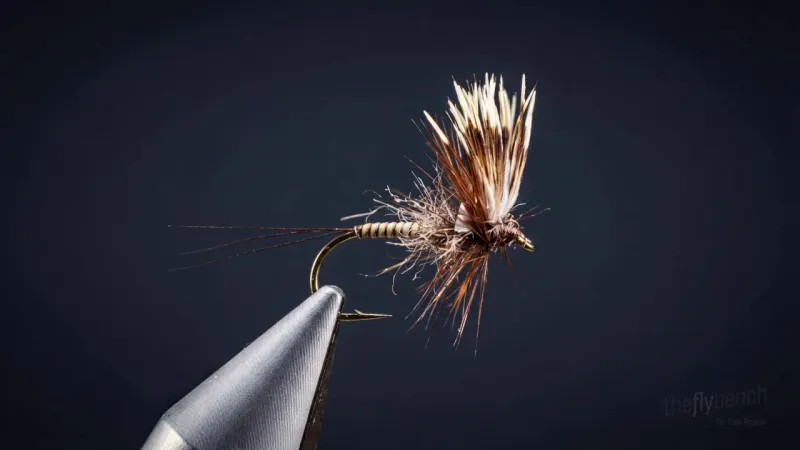
The 3D (Double Dirty Duster) is a dry fly pattern designed by Karkour Seyoufi. This effective pattern works well in a variety of water conditions and is tied with traditional materials for a proven presentation.
Spring, Summer, Fall
Intermediate
Trout
Feb 2026
Overview
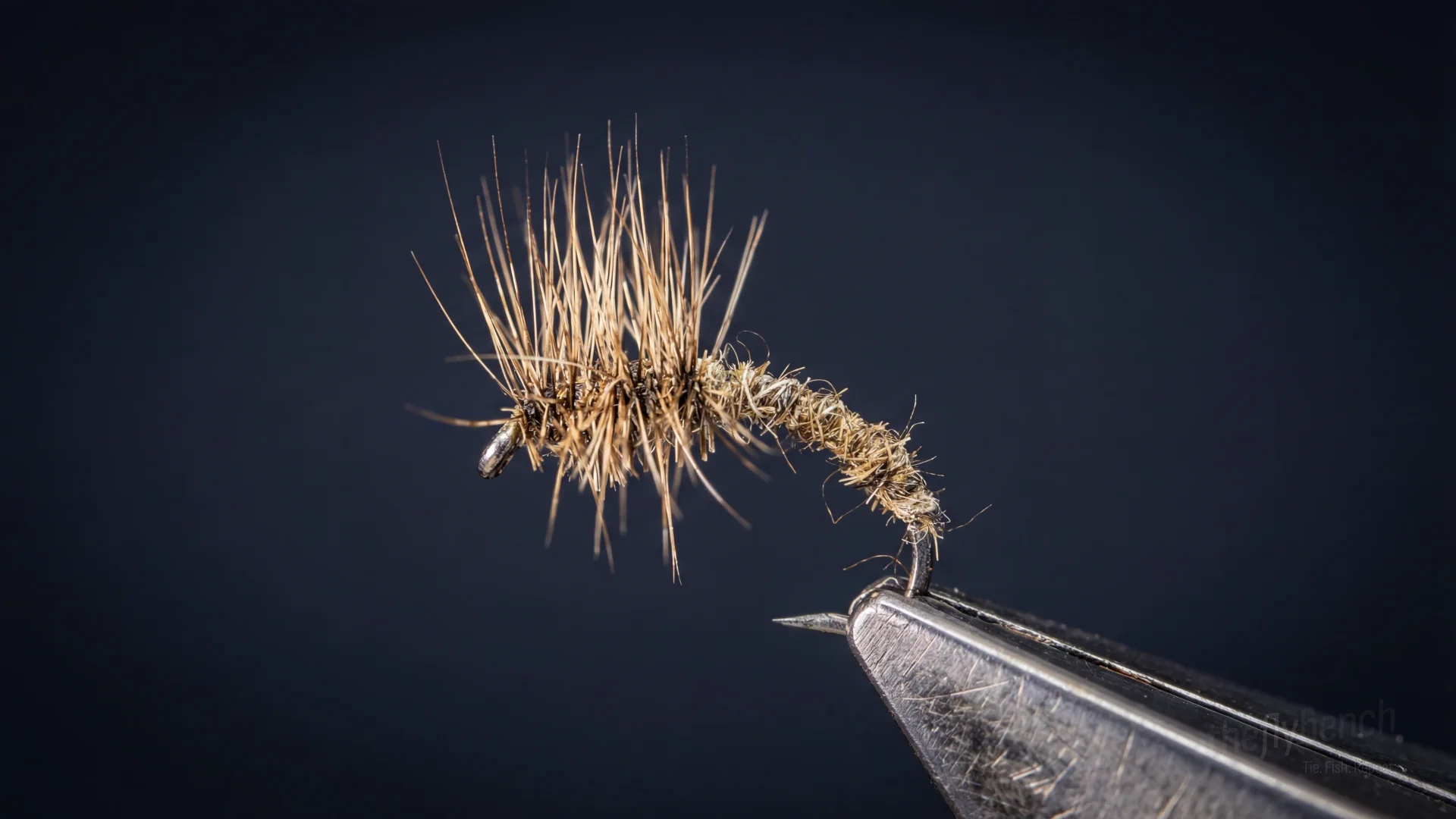
Designed by Karkour Seyoufi, this pattern combines traditional dry fly materials with modern tying techniques to create a versatile mayfly and caddis imitation. The 'Double Dirty' name refers to the dual-toned dubbing that creates segmentation and a natural appearance. Works well across various water conditions from smooth spring creeks to faster freestone streams. The balanced design provides good floatation while maintaining a realistic profile that appeals to selective trout during multiple hatch scenarios.
Where to Buy This Fly
We only link to fly shops we trust. Some links are referral links, which may earn us a commission at no extra cost to you.
Materials
- Hook:
- Partridge YK4A #12
- Thread:
- Benecchi 12/0, tobacco
- Hackle:
- 'Dirty' badger
- Body:
- Hare's mask
- Rib:
- Tying thread
Behavior & Presentation
Natural Behavior: Caddis skitter across riffles during egg-laying, creating V-wakes as they bounce repeatedly. Mayflies drift calmly after emergence with wings upright drying.
Where Trout Eat It: Fish take adult insects at the surface in runs, along seams where current concentrates them, and in tail-outs during hatch activity.
How to Fish It: Dead drift through feeding lanes or add subtle twitches for caddis behavior. Focus on visible rise forms and hatch activity.
Best Water: Work seams between current speeds, tail-outs with calm water, riffle edges where insects emerge, and runs with moderate flow.
Strike Type: Watch for visible rises or expanding rings as fish confidently take floating adults.
Fishing Strategy
Rigging Suggestions: Use a 9-12 foot leader tapering to 5X tippet for delicate presentations. Apply floatant to the body and hackle.
Seasonal Timing: Most effective during peak feeding periods at dawn and dusk. Water temperatures between 45-65°F typically produce best results.
Pro Tips: Floats well with proper floatant application. The natural materials provide good visibility without spooking wary fish.
Entomology
Adult caddisflies skitter erratically across the water surface during egg-laying runs, creating distinctive v-shaped wakes as they dip and bounce repeatedly across riffles and runs. The chaotic surface disturbance and repeated contact points trigger aggressive surface strikes from trout that associate this energetic behavior with easy-to-catch prey.
- Order
- Trichoptera
- Common Name
- Caddisfly
- Organism Type
- insect
- Life Stage
- adult