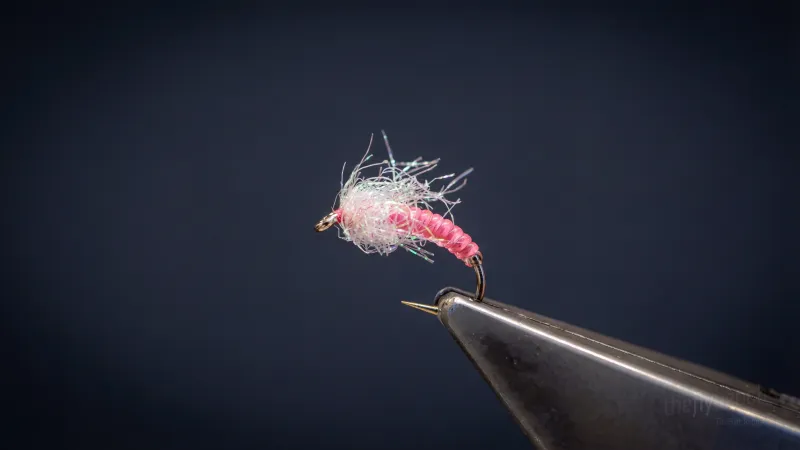
Dry FliesTrout Crack
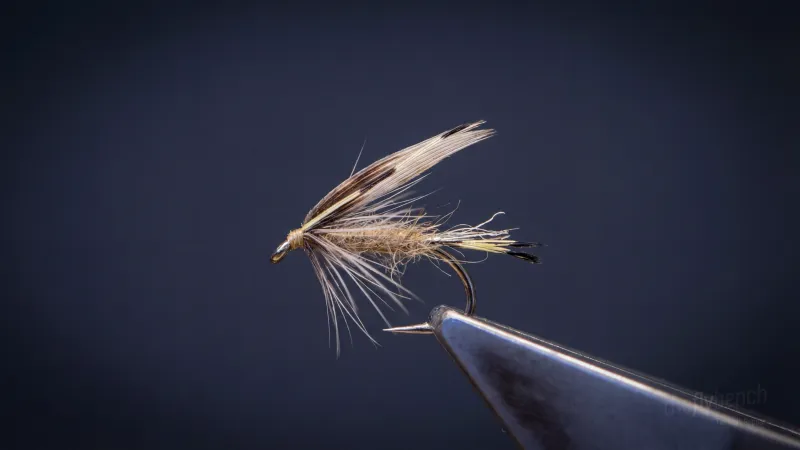
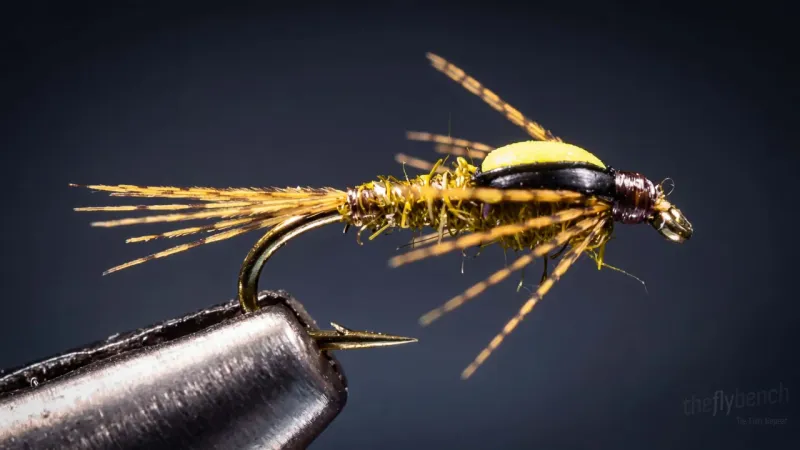
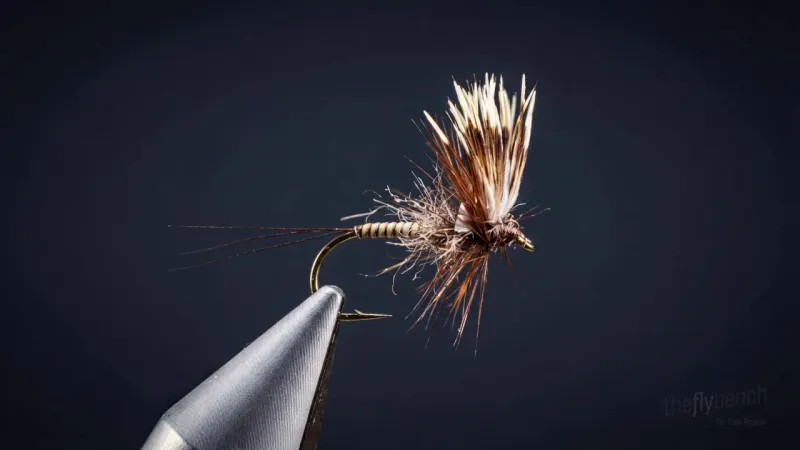
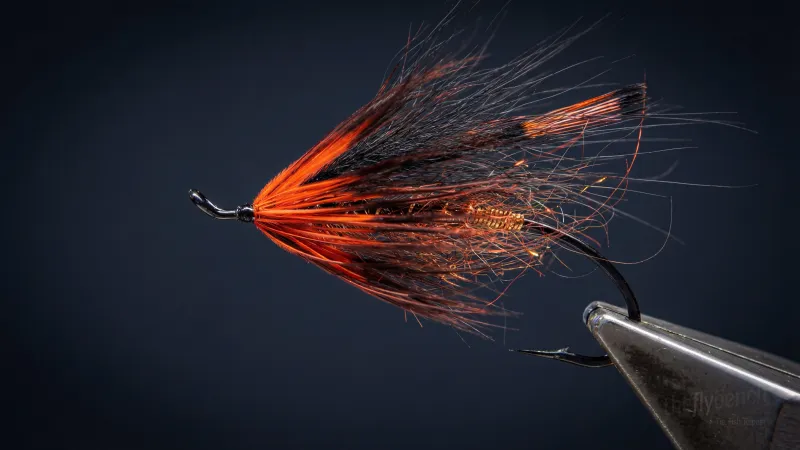
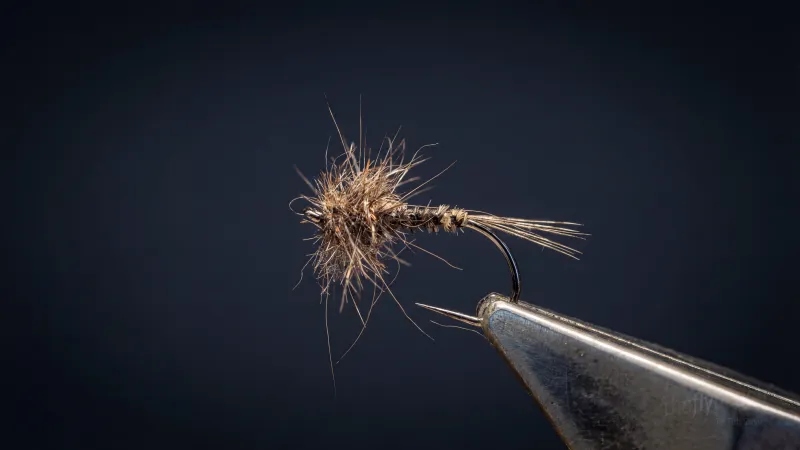
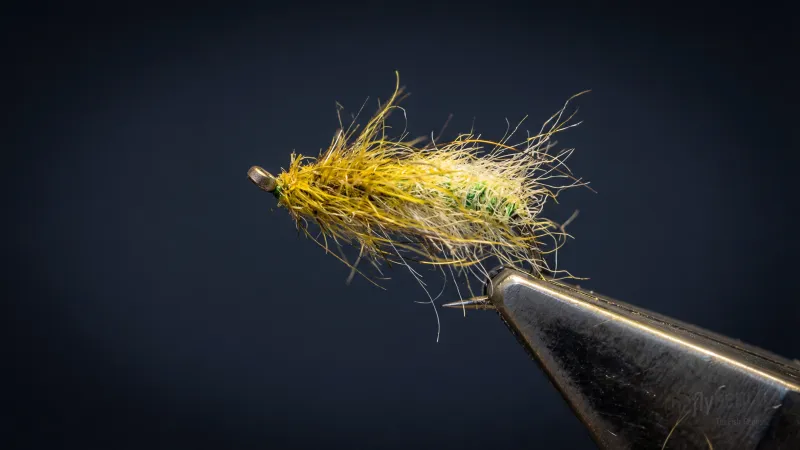
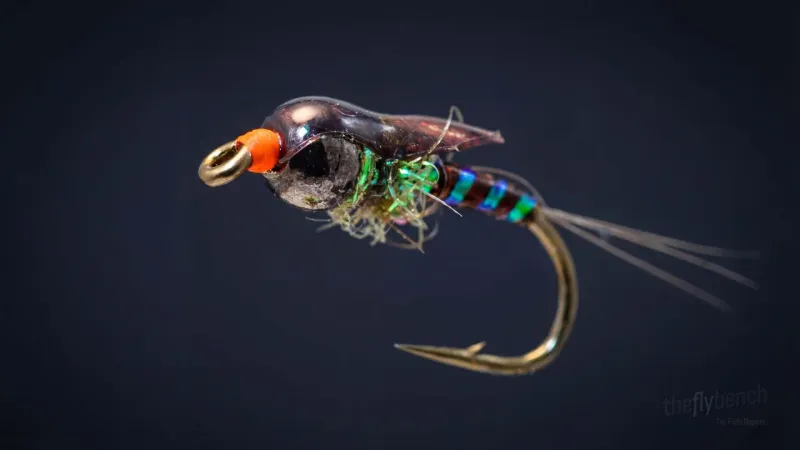
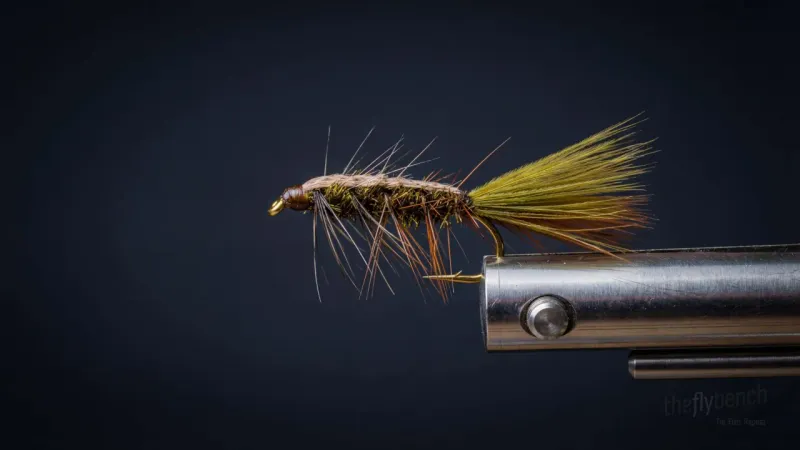
The Trout Crack is a dry fly pattern designed by Joyce Westphal. This effective pattern combines traditional materials with proven techniques for consistent results in a variety of water conditions.
Spring, Summer, Fall
Intermediate
Trout
Feb 2026
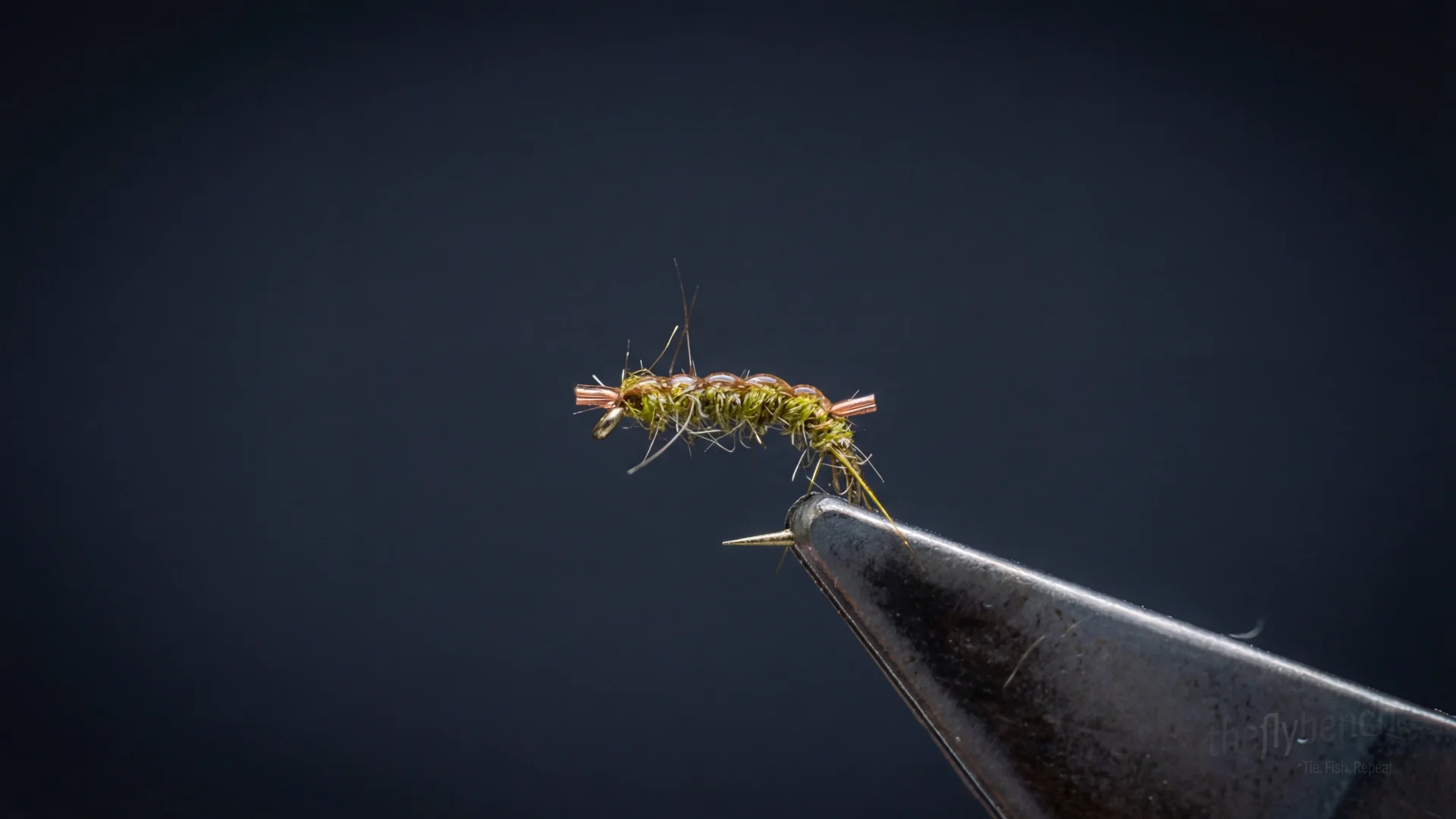
Overview
Joyce Westphal created this attractor pattern with bright, eye-catching materials that trigger aggressive strikes from opportunistic trout. The pattern features contrasting colors and a buoyant profile that creates a noticeable disturbance on the surface. The name reflects its effectiveness at provoking strikes even from well-fed fish, particularly in faster water where trout make quick feeding decisions.
Where to Buy This Fly
We only link to fly shops we trust. Some links are referral links, which may earn us a commission at no extra cost to you.
Materials
- Hook:
- Grip 14731 #18
- Thread:
- Light tan
- Body:
- SLF Minky dubbing, #12 Mayfly
- Shellback:
- Liquid Lace Midge, light reddish/brown
- Rib:
- Tying thread
Behavior & Presentation
Natural Behavior: When diverse insect species emerge simultaneously, adults create chaotic surface activity with overlapping mayfly duns, skittering caddis, and occasional stoneflies all competing for space. Trout abandon selective feeding during these mixed hatches, attacking any substantial surface disturbance with aggressive opportunistic strikes.
Where Trout Eat It: Upper water column during active surface feeding, targeting riffles and runs where multiple insect species concentrate in overlapping emergence windows.
How to Fish It: Cast upstream with drag-free drift through productive feeding lanes, relying on the pattern's high visibility to trigger strikes from trout feeding opportunistically on mixed hatches.
Best Water: Moderate riffles with complex current seams, pocket water between boulders, and tail-outs where diverse insect species funnel into concentrated feeding zones.
Strike Type: Aggressive visible rises with audible splashes as trout attack the attractor pattern without hesitation during opportunistic feeding periods.
Fishing Strategy
Rigging Suggestions: Fish on a 9-12 foot leader with 4X or 5X tippet. Use quality gel floatant on hackle and body to maintain high-riding flotation.
Seasonal Timing: Produces consistent results from April through October during mixed hatches, with exceptional performance during when diverse insect activity occurs simultaneously.
Pro Tips: The attractor design triggers aggressive strikes from opportunistic feeders. Excellent choice when fishing unfamiliar water or as a searching pattern.
Entomology
During intense caddis emergences, overlapping generations of adults create chaotic surface activity with insects constantly landing, taking off, and egg-laying. The concentrated biomass and continuous disturbance triggers feeding frenzies as trout gorge on the abundant, distracted insects.
- Order
- Trichoptera
- Common Name
- Caddisfly
- Organism Type
- insect
- Life Stage
- adult