Dry FliesMosquito Dry Fly
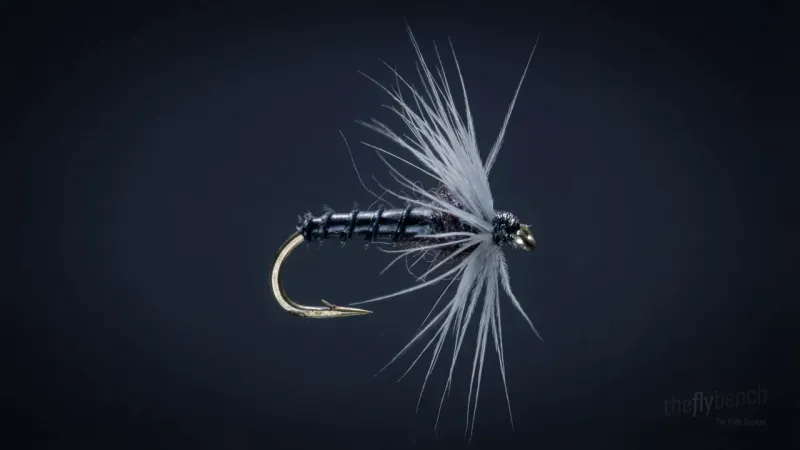
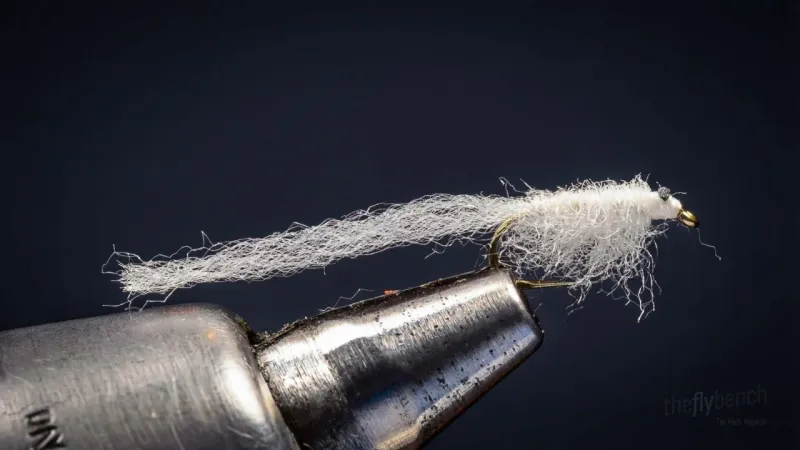
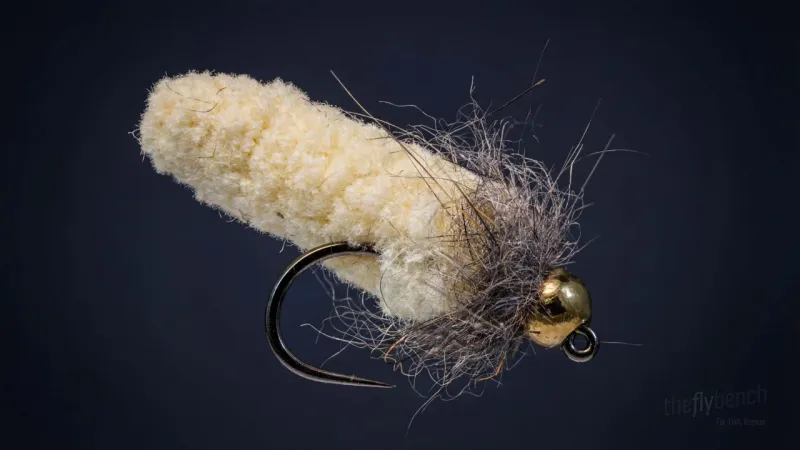
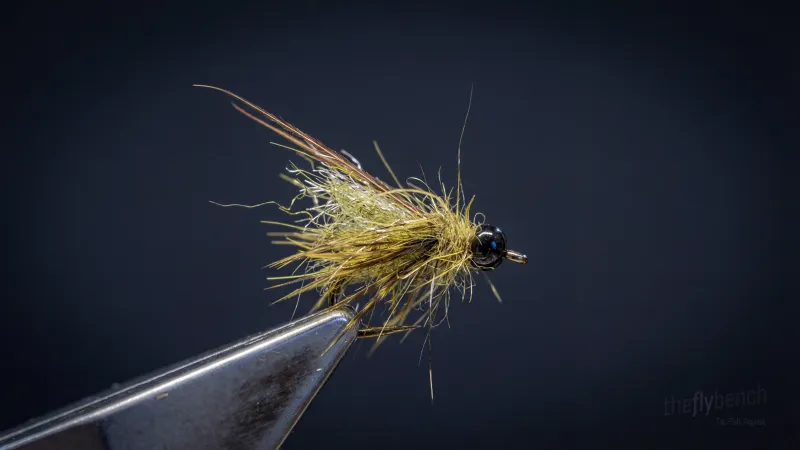
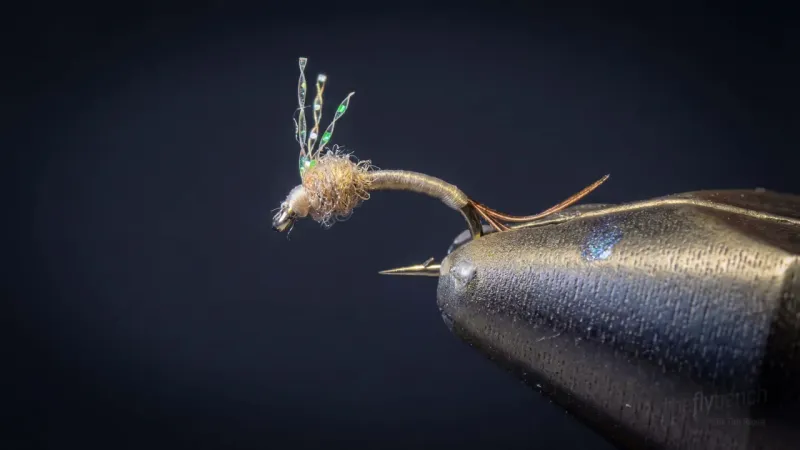
The Mosquito Dry Fly is an effective pattern that resembles a mosquito. This fly is particularly useful in waters where mosquitoes are prevalent and trout are known to feed on them.
Spring, Summer
Intermediate
Trout
Apr 2025
Overview
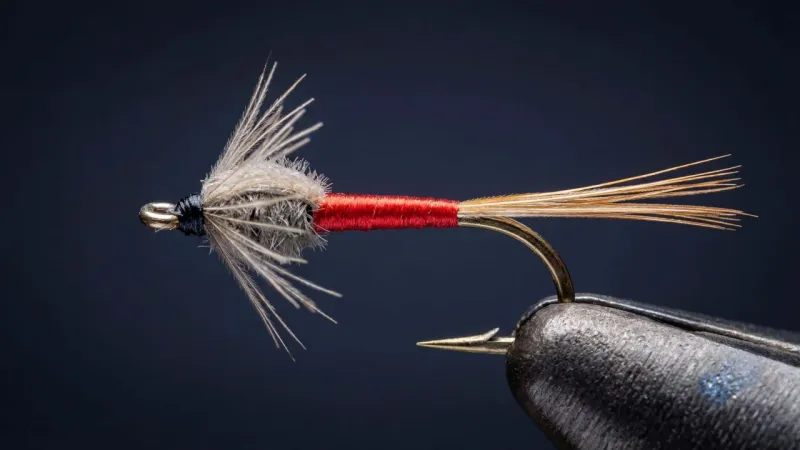
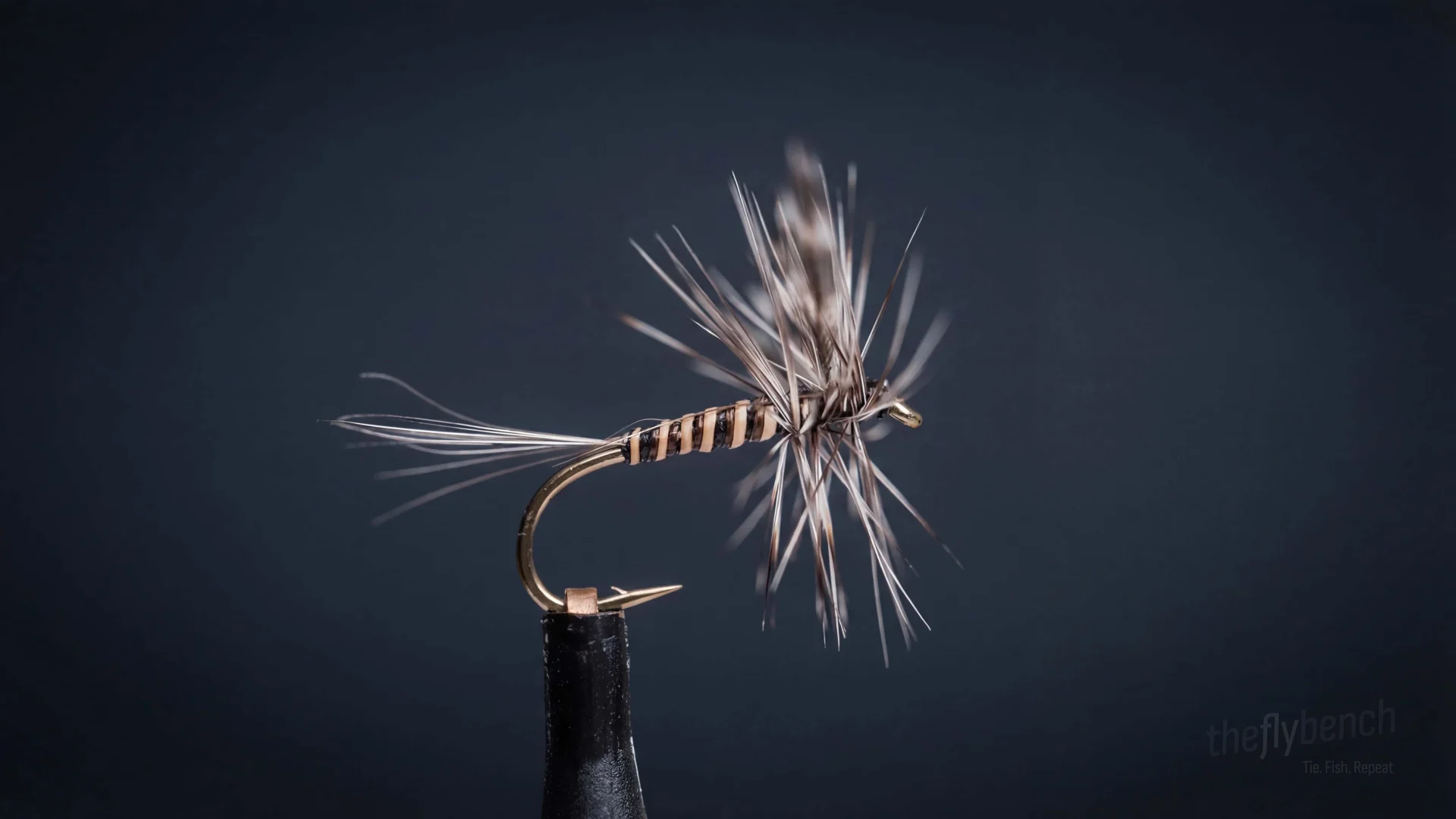
A slender, delicate dry fly tied with gray dubbing, grizzly hackle, and upright wings (often split CDC or poly). Designed to float well and match natural mosquito adults. Keeping proportions small and hackle dense is key for performance on stillwaters.
Where to Buy This Fly
We only link to fly shops we trust. Some links are referral links, which may earn us a commission at no extra cost to you.
Materials
- Hook:
- #12-18 Tiemco 100
- Tail:
- Grizzly Feather Fibers
- Body:
- Stripped Grizzly Feather Quill
- Hackle:
- Grizzly Whiting Rooster Cape
- Wing:
- Grizzly Feather Tips
Behavior & Presentation
Natural Behavior: Hovering dipterans descend gently to deposit eggs on calm surfaces, their delicate legs barely dimpling the film before lifting off again. Trout in protected backwaters respond with confident sipping rises to these lightweight insects during warm-weather swarms.
Where Trout Eat It: Fish sip insects confidently in beaver ponds, lake margins, slow pools, and spring creek edges with minimal current.
How to Fish It: Execute delicate presentations with gentle casts, allowing the fly to sit motionless for 5-10 seconds with subtle twitches.
Best Water: Target seams, tail-outs, foam lines, back eddies, and protected areas with minimal current where mosquitoes congregate.
Strike Type: Expect delicate sipping rises in calm water, often barely dimpling the surface. The take can be nearly silent—watch for the fly to suddenly disappear or tilt slightly as the fish closes its mouth around it.
Fishing Strategy
Rigging Suggestions: Use 5X-6X tippet on a 12-14 foot leader tapered for delicate presentations. Fish solo or position 24-30 inches above a size 18-20 nymph dropper to cover subsurface feeders.
Seasonal Timing: Late May through August during peak mosquito activity, with optimal periods in June-July when populations reach maximum density near lake margins and slow river sections.
Pro Tips: The white wing provides excellent visibility in low light. Treat with floatant paste on hackle and wing only. Size 14-16 patterns work for general searching; downsize to 18-20 for selective feeders.
Entomology
Adult mosquitoes touch down lightly on still or slow-moving water to lay eggs, hovering briefly before alighting with their long legs creating minimal surface disturbance. Fish in ponds, lakes, and slow pools target these delicate dipterans with gentle sipping rises, particularly during calm morning and evening periods when mosquitoes are most active.
- Order
- Diptera
- Family
- Culicidae
- Common Name
- Mosquito
- Organism Type
- insect
- Life Stage
- adult