Midge / EmergersJohnny Flash
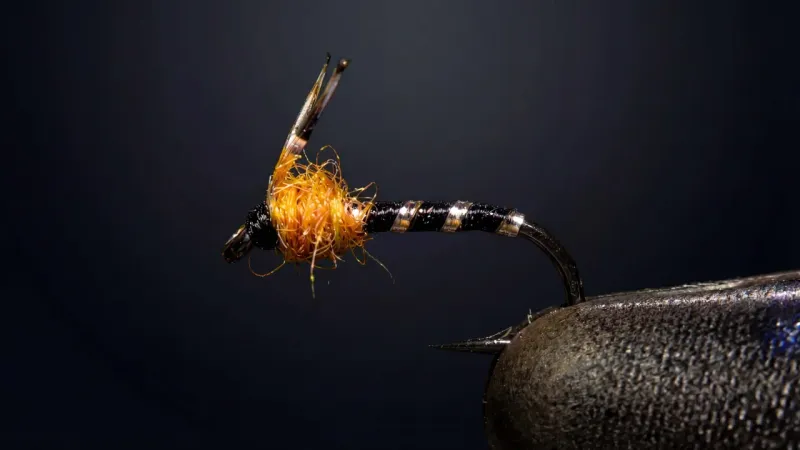
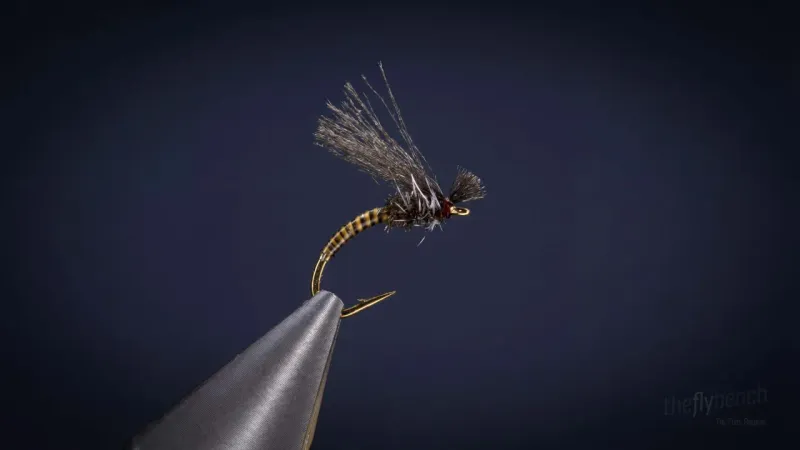
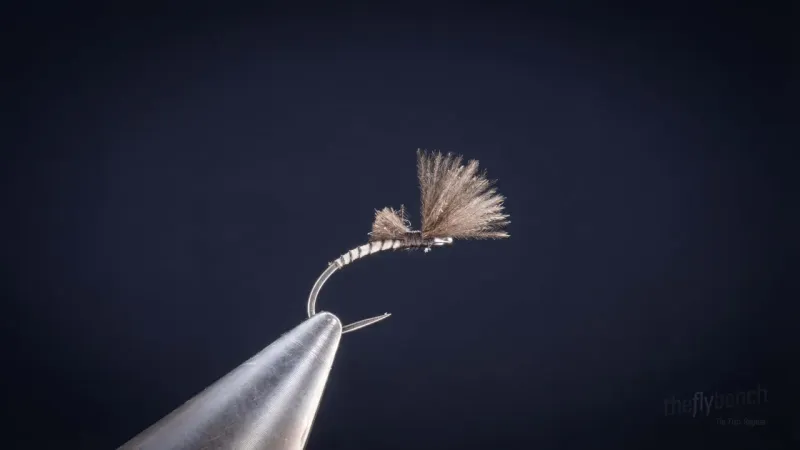
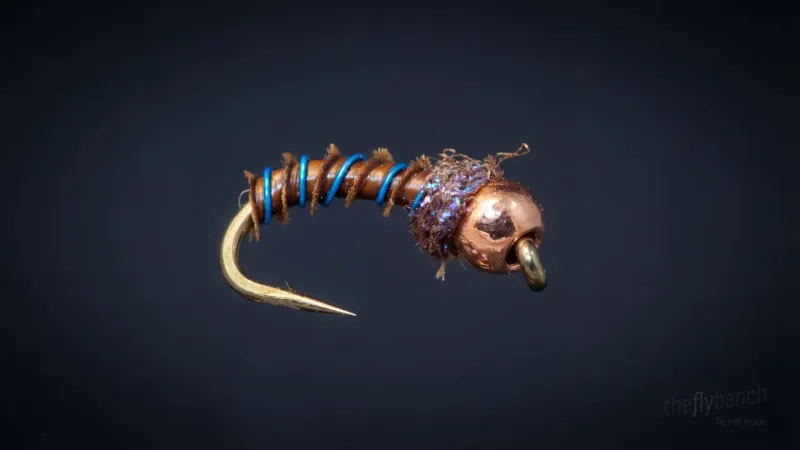
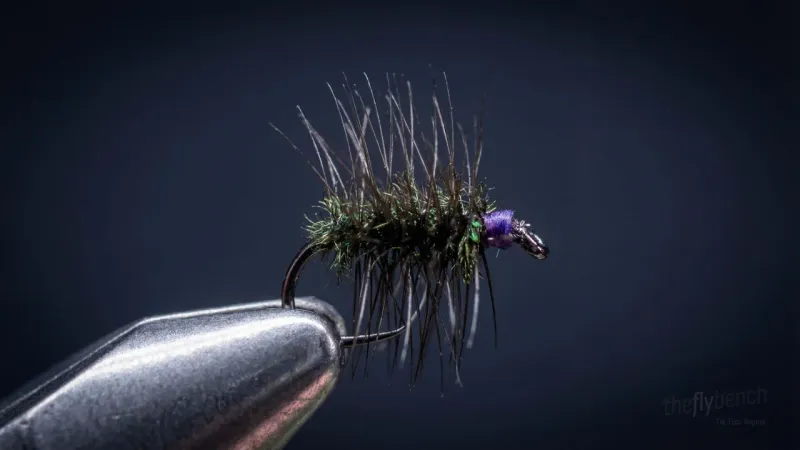
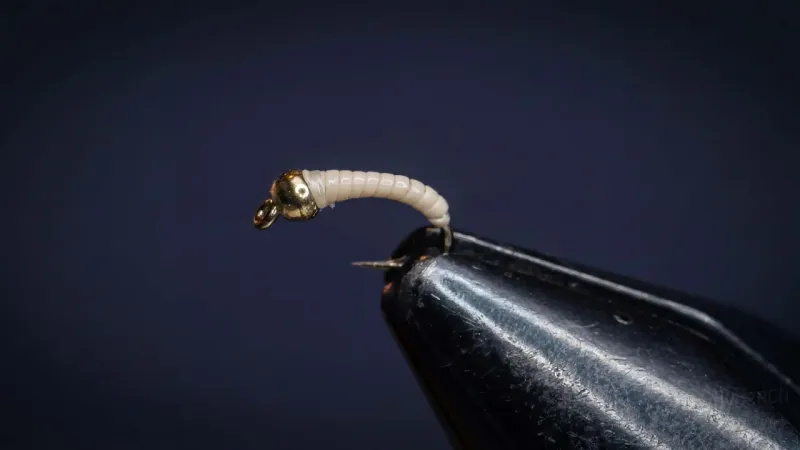
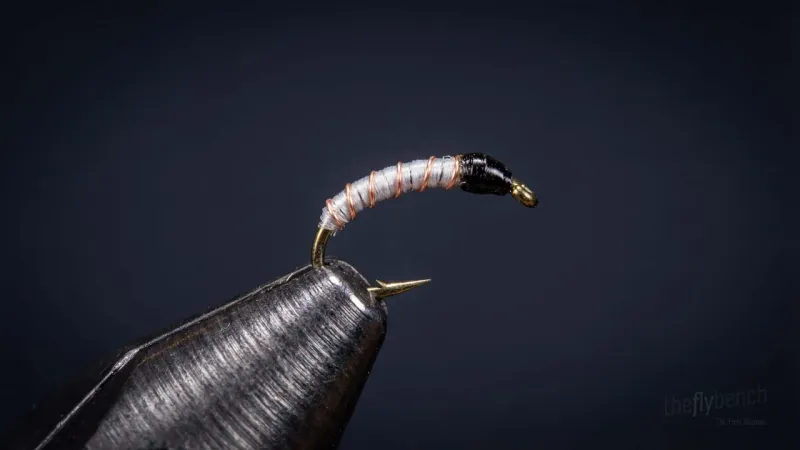
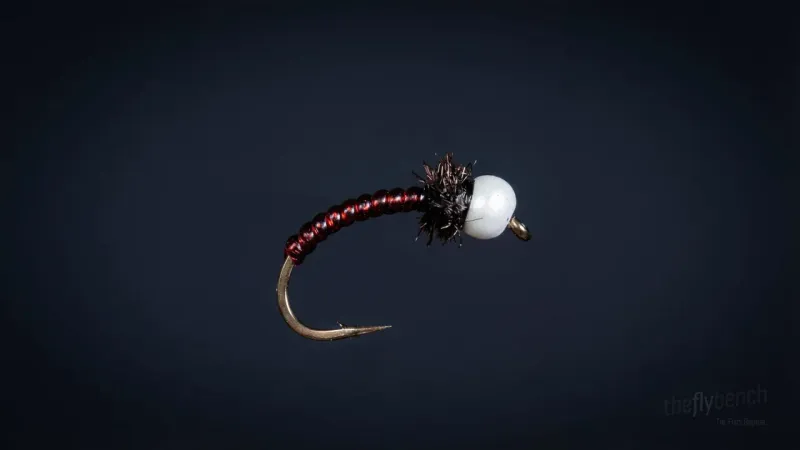
The Johnny Flash is a simple yet highly effective midge pattern that mimics the emergent stage of the midge life cycle. Its flashy body and dark thorax make it irresistible to trout in any water type.
Spring, Summer, Fall, Winter
Intermediate
Trout
Apr 2025
Overview
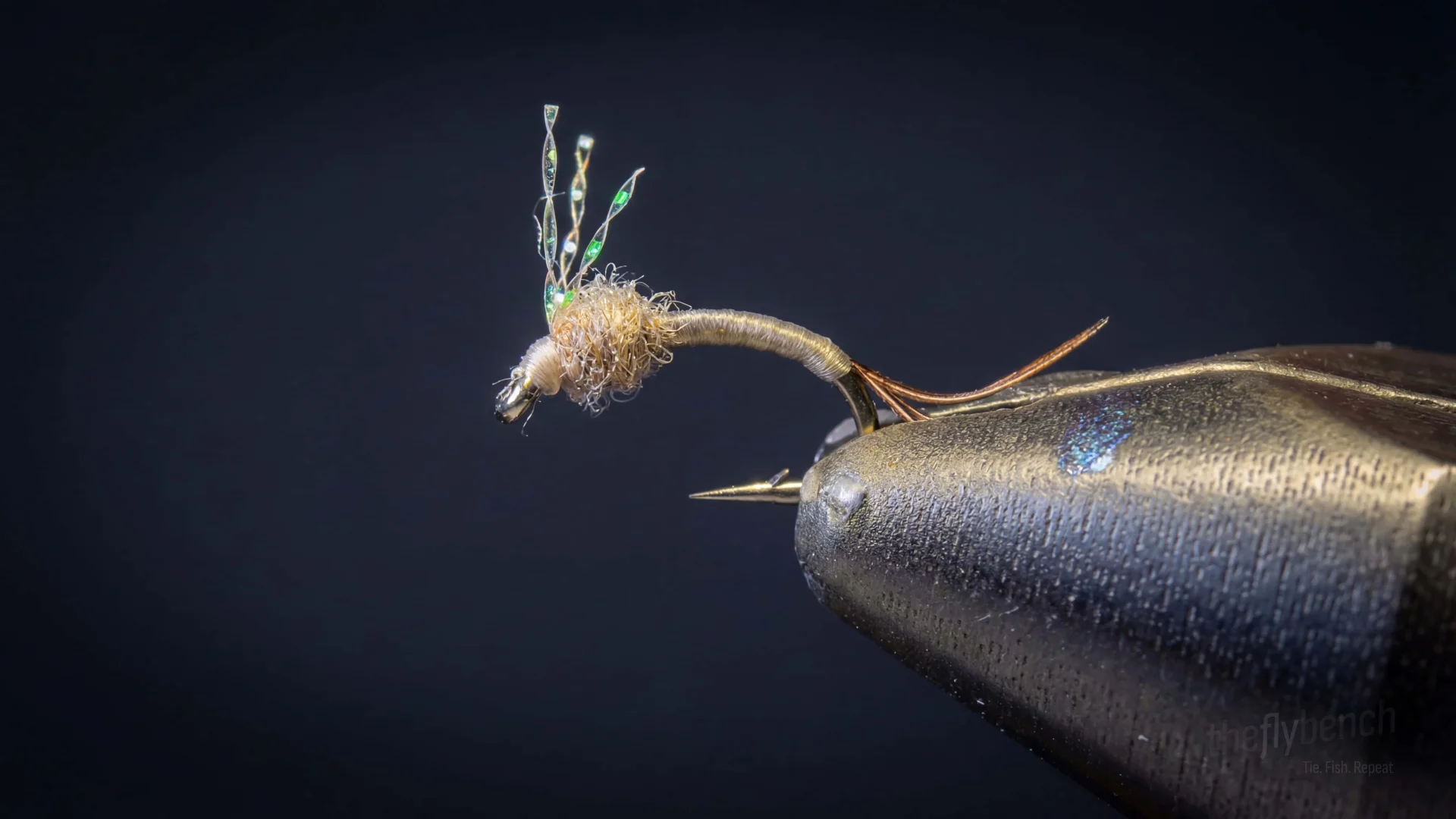
This flashy nymph or emerger uses holographic tinsel or Flashabou over a dubbed or synthetic body, with a slim profile and often a beadhead for depth. It's quick to tie and shines in stained or pressured water.
Where to Buy This Fly
We only link to fly shops we trust. Some links are referral links, which may earn us a commission at no extra cost to you.
Materials
- Hook:
- Tiemco 2487, size #18–#24
- Thread:
- Tan or Grey UTC 70
- Tail:
- Pheasant Tail or Brown Hackle Fibers
- Body:
- Tan or Grey UTC 70
- Throrax:
- Tan or Grey Superfine Dubbing
- Wing:
- Pearl Krystal Flash
Behavior & Presentation
Natural Behavior: Midge larvae dislodged from silty substrates tumble through stillwater columns with erratic wobbling motions, their segmented bodies catching light as they rotate through the water. Unlike the steady vertical ascent of pupae, these displaced larvae drift chaotically, their unpredictable movements and flash attracting cruising trout patrolling open water.
Where Trout Eat It: Trout intercept this just below the surface or in the film during midge emergences, feeding mid-column on ascending pupae.
How to Fish It: Fish high in the water column with 6X-7X tippet. Rig behind a dry fly or larger nymph to control depth.
Best Water: Tailwater back eddies and foam lines where pupae ascend vertically through the water column.
Strike Type: Look for indicator hesitations or slight depth changes as fish intercept the flashy emerger mid-column, strikes often coming as the fly pauses or changes direction during slow figure-eight retrieves.
Fishing Strategy
Rigging Suggestions: Try fishing it behind a dry fly or larger nymph to get it down in the water column.
Seasonal Timing: The Johnny Flash can be used year-round, but it's particularly effective in the colder months when midges are one of the few insects still hatching.
Pro Tips: The Johnny Flash is not designed to float, but it is highly visible thanks to its flashy body. The peacock herl thorax adds a touch of natural iridescence that can trigger strikes.
Entomology
Midge larvae and pupae inhabit silt and organic-rich zones in rivers and lakes, with pupae ascending through the water column in a distinctive wobbling motion toward the surface film. Trout key on these ascending stages because midges are abundant year-round and represent consistent, predictable feeding opportunities even in cold water conditions.
- Order
- Diptera
- Family
- Chironomidae
- Common Name
- Midge
- Organism Type
- insect
- Life Stage
- general