Dry FliesMorrish Mouse
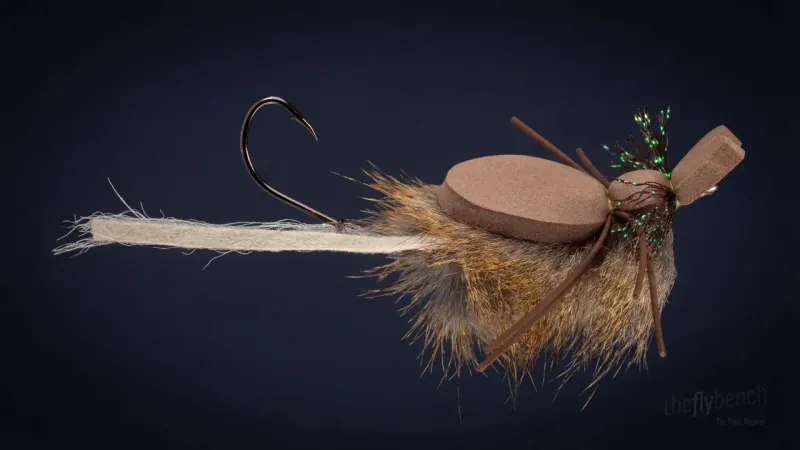
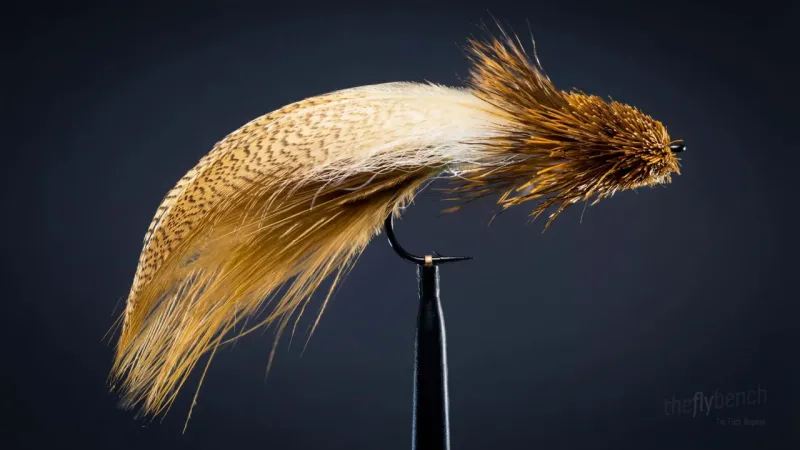
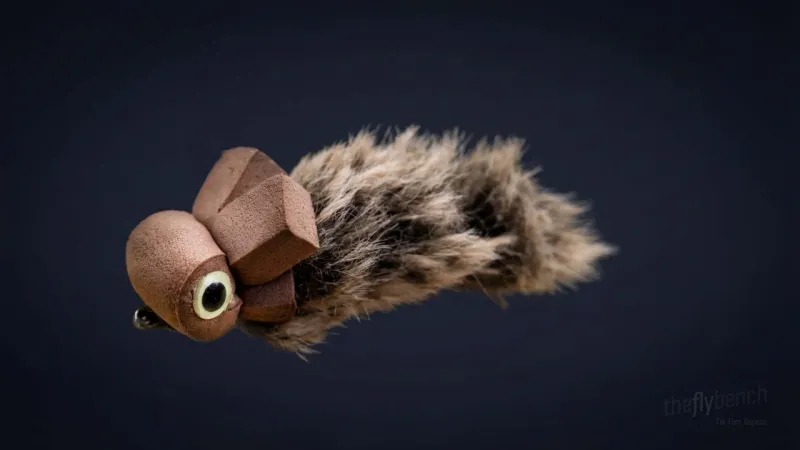
The Morrish Mouse is a topwater fly designed to imitate a swimming mouse. Its realistic silhouette and action entice large, aggressive fish looking for a big meal.
Summer, Fall
Intermediate
Trout, Bass
Apr 2025
Overview
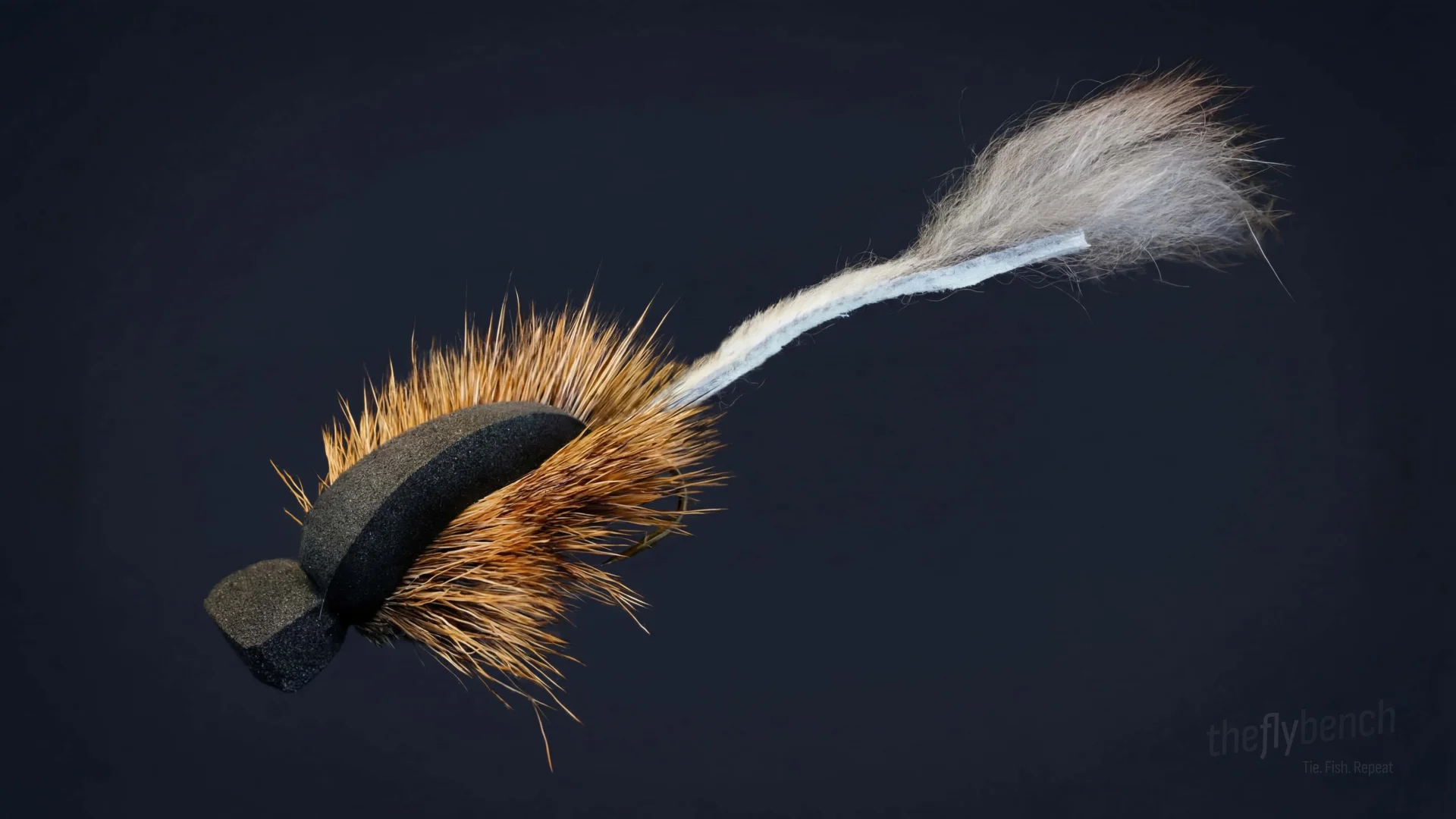
This articulated foam mouse pattern uses stacked deer hair for buoyancy, trimmed ears, and a leather tail for realism. A trimmed foam head helps it skate or push water. Best tied on stout hooks with mono loops to prevent fouling. Excellent for big browns at night.
Where to Buy This Fly
We only link to fly shops we trust. Some links are referral links, which may earn us a commission at no extra cost to you.
Materials
- Hook:
- #04-10 Tiemco 8089
- Thread:
- Black UTC 140
- Tail:
- Brown Rabbit Zonker Strip
- Body:
- Natural Deer Hair
- Back:
- Black Thick Foam
Behavior & Presentation
Natural Behavior: Adult mice swim across water surfaces with frantic paddling motions, their small legs churning constantly to keep their bodies afloat while their tails drag behind. They create distinctive surface wakes and splashing sounds that carry through the water, especially noticeable during quiet twilight or nighttime hours.
Where Trout Eat It: Target structured rivers with deep pools, undercut banks, and log jams. Also productive in lake near shorelines, particularly at night around drop-offs.
How to Fish It: Cast near banks, log jams, and undercut structure. Retrieve with twitching, swimming motion using 3-6 inch strips. Create surface disturbance to trigger predatory strikes.
Best Water: Target structured rivers with deep pools, undercut banks, and log jams. Also productive in lake near shorelines, particularly at night around drop-offs.
Strike Type: Anticipate explosive surface strikes—often a violent boil, loud splash, or aggressive swirl as large fish attack from below. The take may sound like a small rock thrown into the water, followed by heavy line tension.
Fishing Strategy
Rigging Suggestions: Use 7.5-9 foot leaders with 0X-2X tippet (10-15 lb test) for abrasion resistance. Floating line essential. Check knots frequently as large fish create stress.
Seasonal Timing: Most productive July through October when mice are active near water. Peak effectiveness during late and early when large trout feed aggressively before . Water temperatures 55-68°F ideal.
Pro Tips: The foam and deer hair construction provides unsinkable flotation. High-visibility profile works in low light and choppy conditions. Strikes are often explosive—maintain loose drag and be ready. Not for faint of heart.
Entomology
Adult mice swim across water surfaces with frantic paddling motions, their small legs churning constantly to keep their bodies afloat while their tails drag behind. They create distinctive surface wakes and splashing sounds that carry through the water, especially noticeable during quiet twilight or nighttime hours. Predatory fish strike from below because these struggling swimmers represent substantial meals worth the energy expenditure and their surface activity makes them easy to locate through both visual and auditory cues.
- Organism Type
- rodent
- Life Stage
- adult