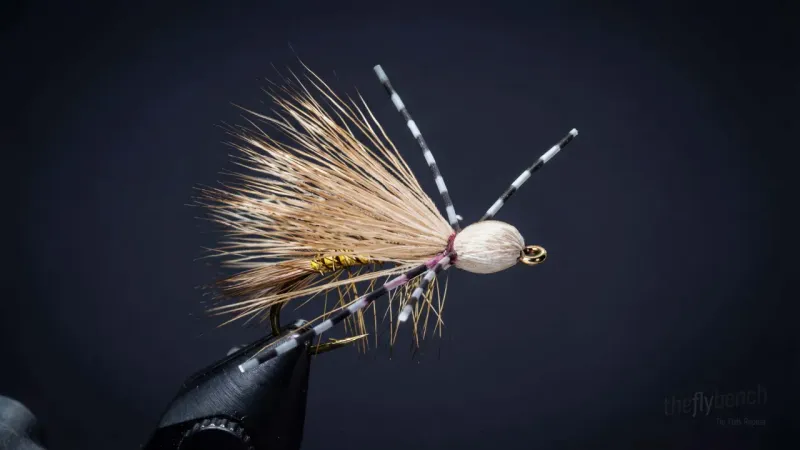
Dry FliesChernobyl Ant
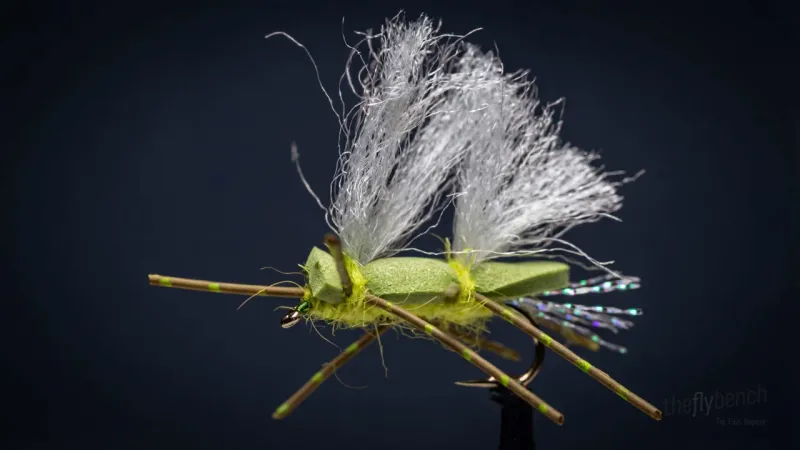
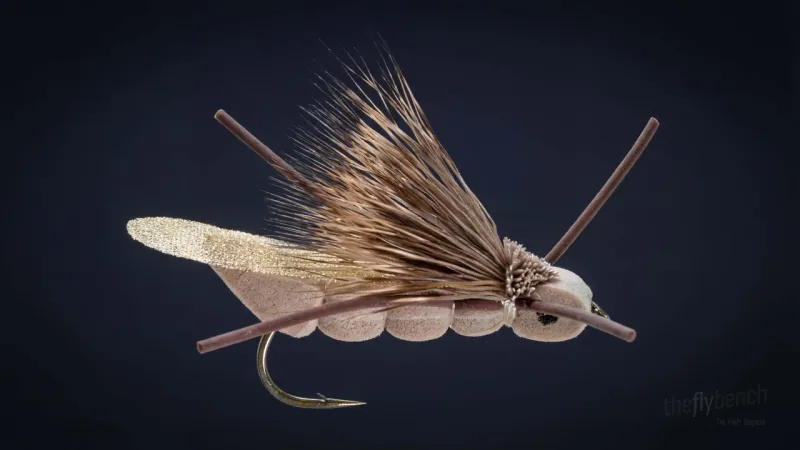
The Chernobyl Ant is a large, foam-based dry fly known for its ability to attract big fish. This pattern is particularly effective for trout and bass. Its buoyancy and large profile make it a great choice for hopper-dropper rigs and turbulent water.
Summer
Advanced
Trout, Bass
Apr 2025
Overview
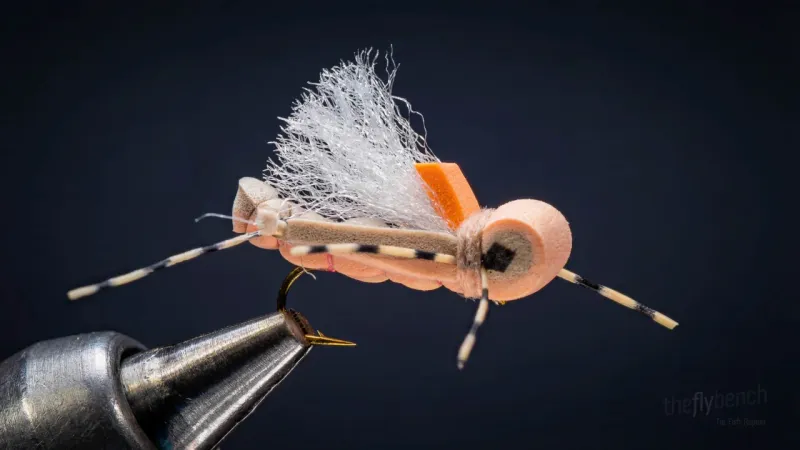
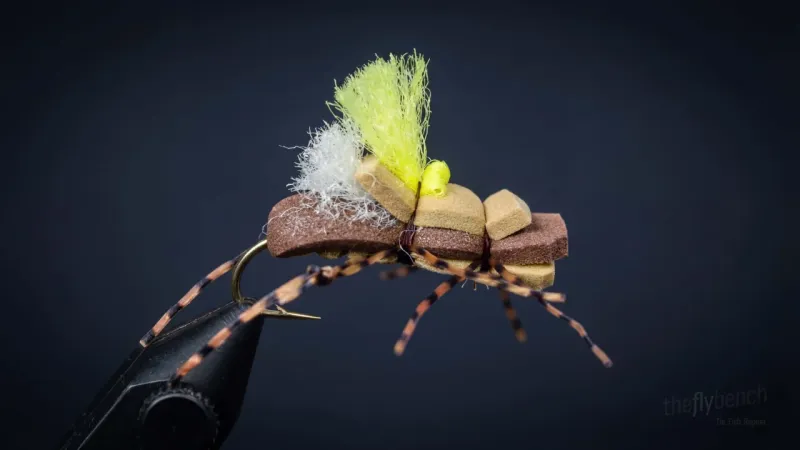
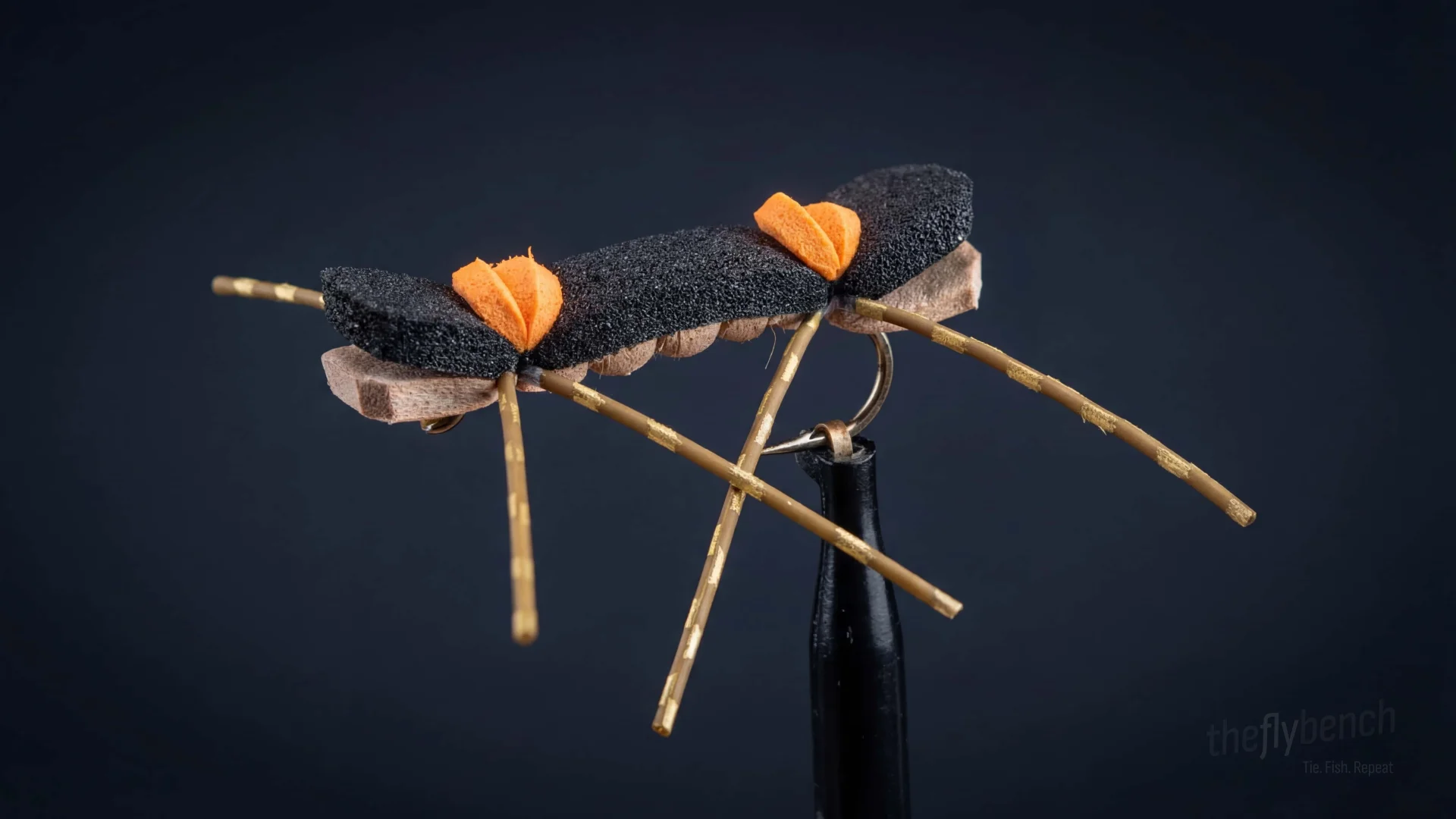
The Chernobyl Ant is a high-floating terrestrial attractor pattern tied with stacked foam bodies, rubber legs, and sometimes flash or dubbing underbodies for added realism. Its buoyancy and visibility make it ideal for hopper-dropper rigs and fast water. This versatile pattern is often tied in black, tan, or fluorescent colors and can imitate beetles, hoppers, or ants.
Where to Buy This Fly
We only link to fly shops we trust. Some links are referral links, which may earn us a commission at no extra cost to you.
Materials
- Hook:
- 3X-long nymph hook (here a Dai-Riki 710), sizes 6-12
- Thread:
- 6/0 or 140 Denier, brown
- Foam base:
- Chenille, red
- Underbody:
- Craft foam, tan
- Rear legs:
- Round rubber legs of your choice
- Overbody:
- Craft foam, black
- Hot spots:
- Craft foam, orange
- Front legs:
- Round rubber legs of your choice
Behavior & Presentation
Natural Behavior: Large terrestrials tumble from streamside vegetation during windy late-summer conditions, creating substantial surface impacts followed by frantic kicking and buzzing that generates visual and vibrational cues underwater.
Where Trout Eat It: Fish throughout pools and runs respond to the commotion, expending energy for explosive surface takes on these rare but substantial caloric payoffs.
How to Fish It: Cast tight to banks with occasional aggressive twitches to imitate violent struggling during afternoon thermal activity and wind events.
Best Water: Target undercut banks, grass edges, structure beneath overhanging vegetation, and current breaks where windblown terrestrials create feeding opportunities.
Strike Type: Explosive, aggressive surface strikes as fish commit to oversized meals, justifying the energy expenditure with dramatic takes.
Fishing Strategy
Rigging Suggestions: Use 4X-5X tippet on a 7.5-9 foot leader. Excellent as the indicator fly in a hopper-dropper rig with a beadhead nymph 18-30 inches below to target both surface and sub-surface feeders.
Seasonal Timing: Most productive during (June-September) when terrestrial insects are abundant, with peak effectiveness during July-August grasshopper season. Water temperatures of 60-70°F provide optimal conditions.
Pro Tips: The bright foam indicator makes this fly highly visible in broken water. The bulky profile attracts large, aggressive trout and bass. Don't set the hook on splashes—wait for the weight of the fish.
Entomology
Large terrestrial insects, particularly during windy conditions in late summer, tumble from streamside vegetation and create substantial surface impacts followed by frantic kicking and buzzing attempts to escape. The commotion generates both visual and vibrational cues that carry significant distance underwater, alerting trout throughout the pool or run. Fish strike aggressively at these oversized terrestrials because the rare but substantial caloric payoff justifies expending energy for explosive surface takes, especially when naturals are windblown into the water during afternoon thermal activity.
- Order
- Orthoptera
- Family
- Acrididae
- Common Name
- Grasshopper
- Organism Type
- terrestrial
- Life Stage
- adult