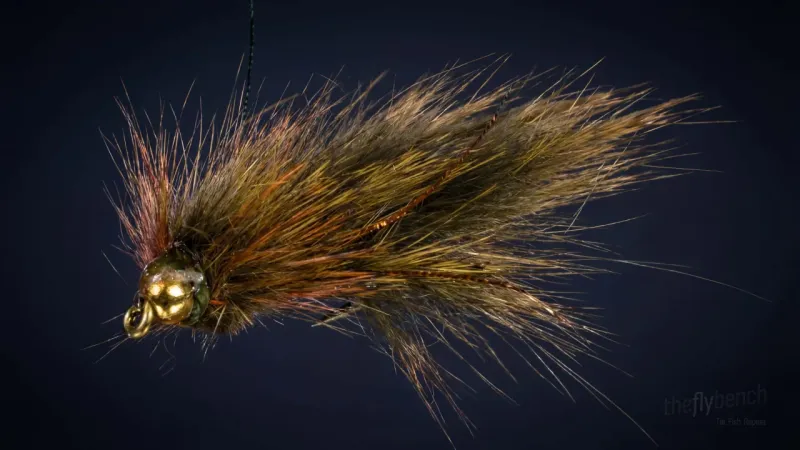
StreamersThe Big Eyed Semperfli Mouse
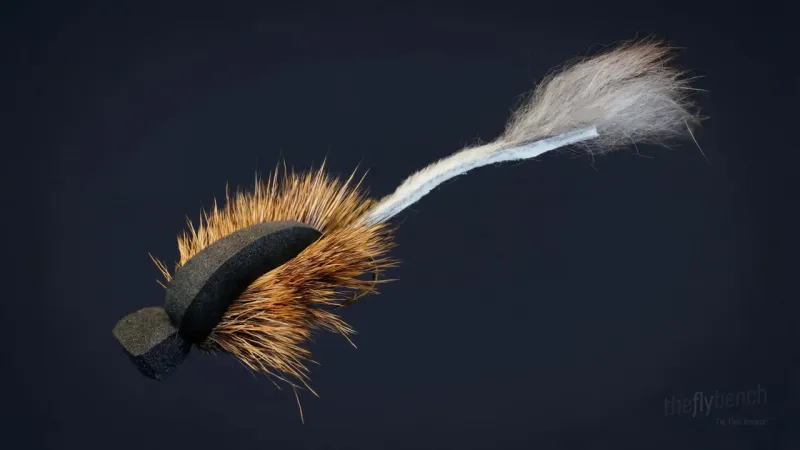
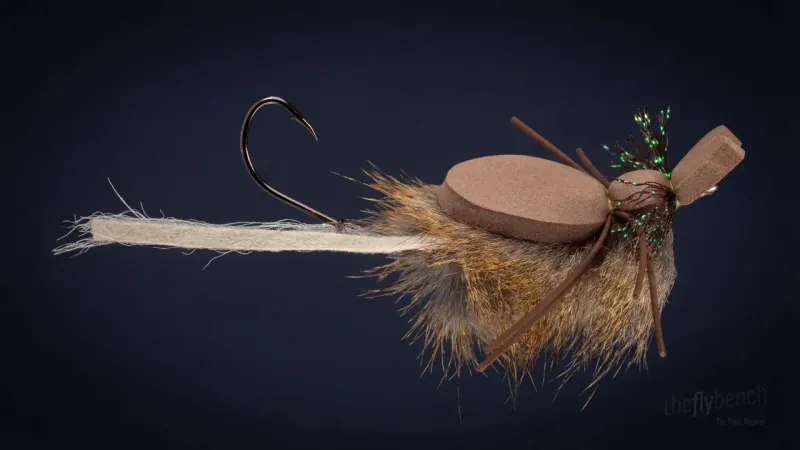
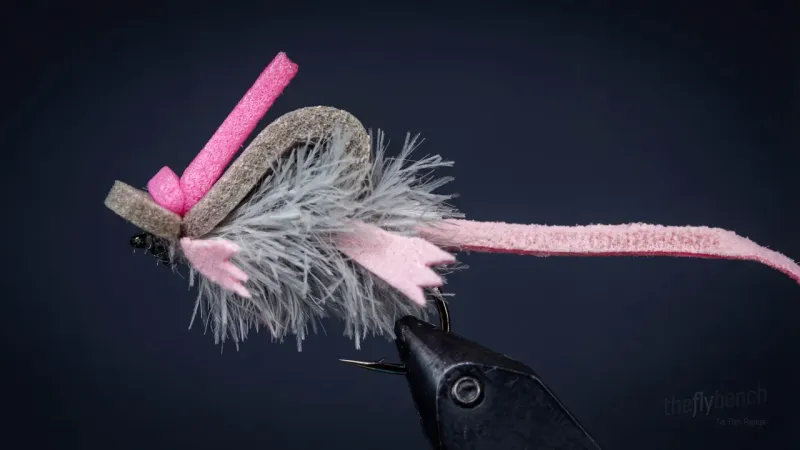
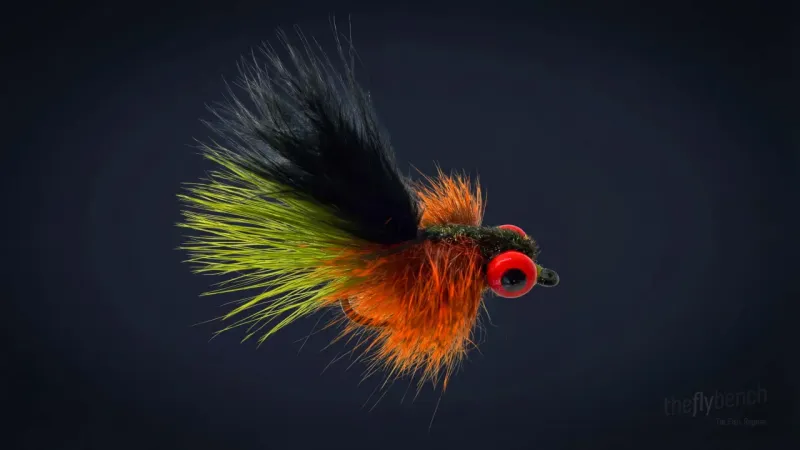
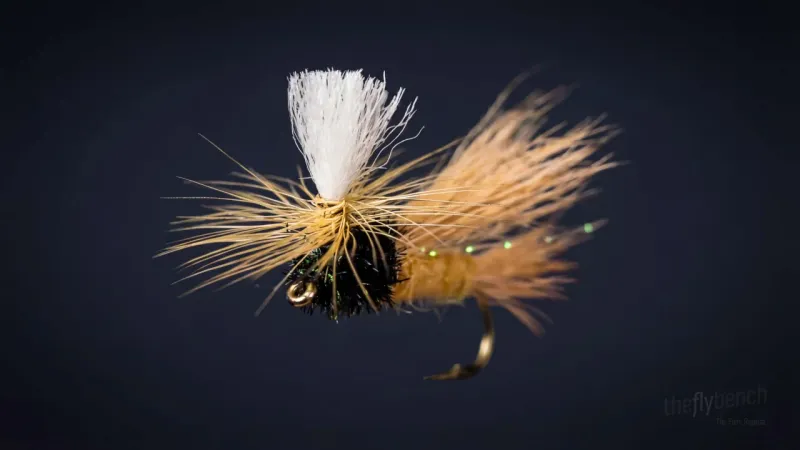
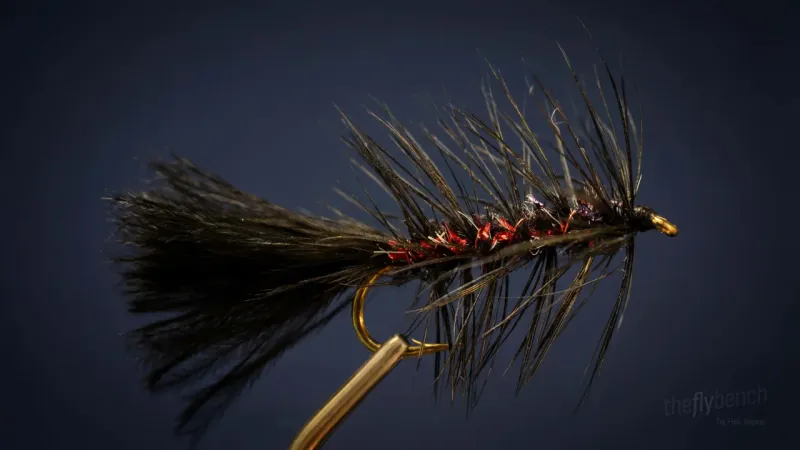
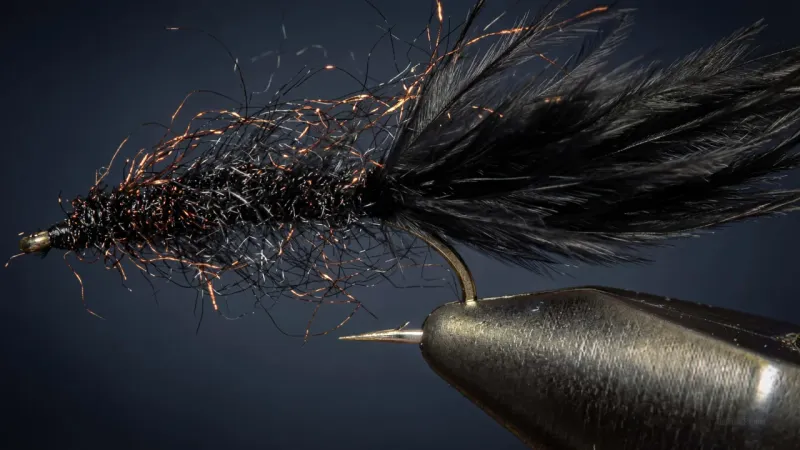
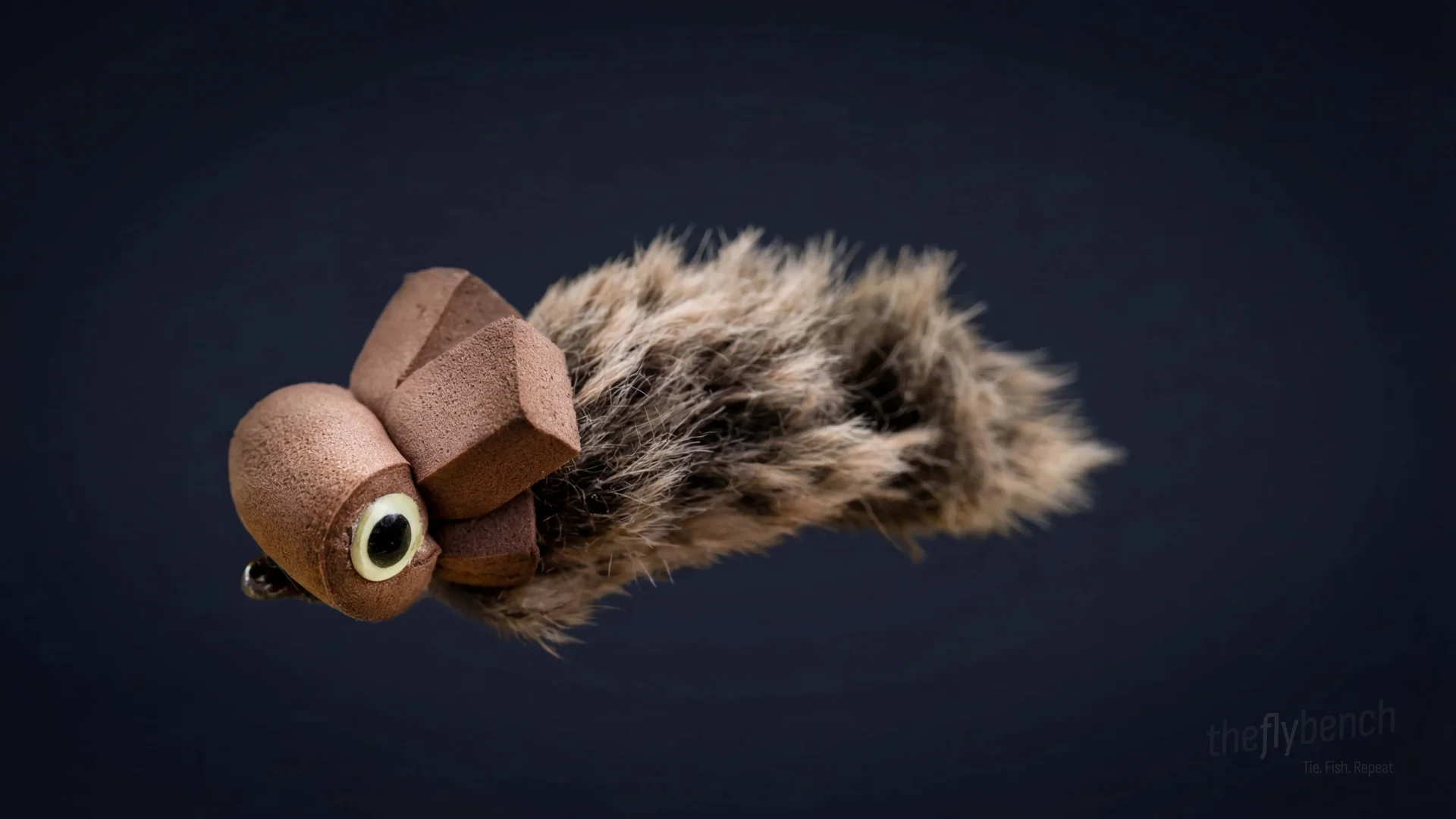
A realistic, buoyant mouse pattern designed to mimic small rodents swimming across the surface—ideal for targeting aggressive predators. With oversized foam eyes, a natural rabbit strip tail, and a durable deer hair body, this fly excels in low-light conditions and produces explosive topwater takes.
Summer, Fall
Advanced
Bass, Trout
Apr 2025
Overview
This articulated mouse pattern features oversized synthetic eyes for a bold target, a foam or deer hair body for buoyancy, and a synthetic tail for lifelike movement. Tied with Semperfli's durable synthetic materials, it's designed to push water and stay afloat even during aggressive retrieves. Ideal for nocturnal trout or bass hunts.
Where to Buy This Fly
We only link to fly shops we trust. Some links are referral links, which may earn us a commission at no extra cost to you.
Materials
- Hook:
- 2557 Daiichi (Size: 10)
- Thread:
- GSP (100D Black)
- Body:
- Semperfli Synthetic Rabbit Zonker ‘Wabbit'
- Front Hook/Shank:
- Firehole 811 Size 2
- Head:
- 6mm Foam
- Tail:
- Semperfli Chenille
- Adhesive:
- Zap-A-Gap
Behavior & Presentation
Natural Behavior: Mice swim desperately across water with heads held high, creating distinct wakes and surface disturbance. Their erratic swimming and high caloric value trigger explosive predatory responses from large trout hunting at night.
Where Trout Eat It: Surface along banks, undercuts, and structure during low-light periods when large fish hunt actively.
How to Fish It: Cast tight to banks and strip steadily to create wake, pausing occasionally to let the pattern sit.
Best Water: Undercut banks, structure, eddies, foam lines, and grass edges where mice fall or swim along shorelines.
Strike Type: Explosive surface strikes that often miss on first attempt, requiring patience before setting hook.
Fishing Strategy
Rigging Suggestions: Use floating line with stout leaders of 0X to 2X tippet to handle aggressive strikes. Leaders 7-9 feet. Ensure tippet strength matches potential trophy fish.
Seasonal Timing: June through September with peak effectiveness during July and August. Most productive during warm evenings and nighttime when rodents are active near water. Post-dusk periods are prime time.
Pro Tips: The spun deer hair and foam eyes create high floating profile with excellent visibility in low light. Resin coating adds durability without affecting buoyancy. Fish with confidence and patience—strikes can be explosive and visual. Target known holding areas of large fish.
Entomology
Rodents crossing streams or rivers swim with their heads held high above the surface, creating prominent V-wakes and audible splashing sounds. Their large eyes remain visible as they navigate across the current, and their swimming becomes more labored in faster water. Aggressive fish target these vulnerable swimmers because they represent one of the largest single-prey meals available and trigger predatory instincts in low-light conditions.
- Organism Type
- rodent
- Life Stage
- general