StreamersMini Mr. Hankey
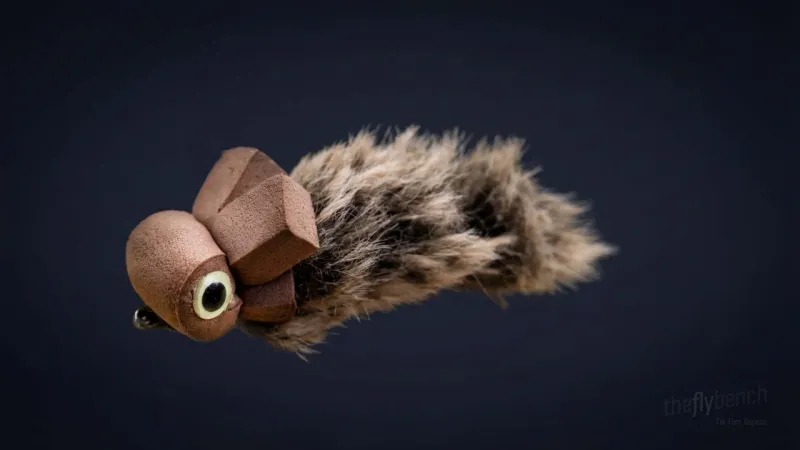
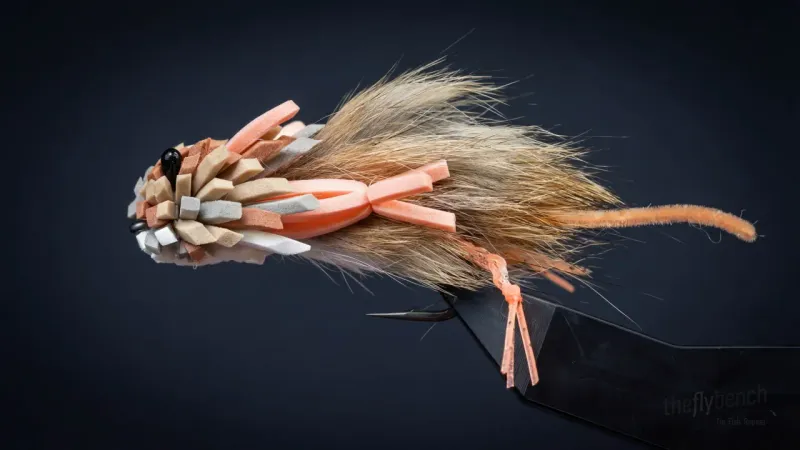
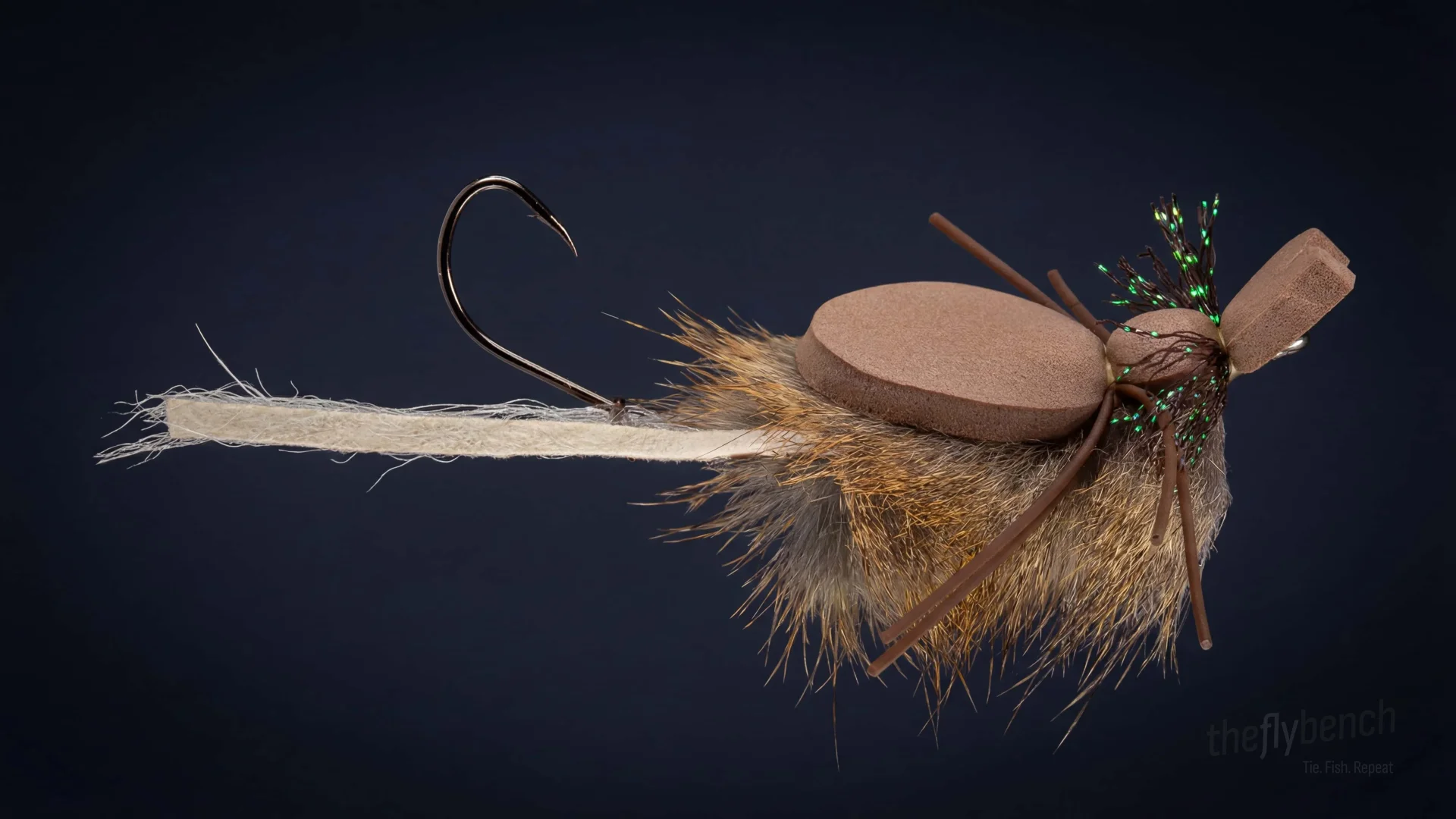
The Mini Mr. Hankey is a smaller version of the popular Mr. Hankey mouse pattern. This fly imitates a small mouse or vole and is particularly effective at night when these creatures are active.
Summer
Advanced
Trout, Bass
Apr 2025
Overview
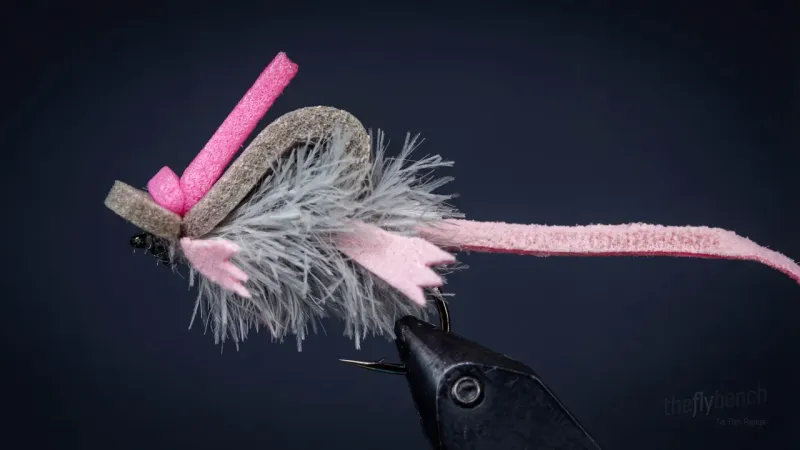
A scaled-down version of the Mr. Hankey mouse pattern, this fly uses trimmed foam, deer hair, rubber legs, and a leather tail. It's a compact, high-floating mouse ideal for small water and tight casts where big mice are too bulky.
Where to Buy This Fly
We only link to fly shops we trust. Some links are referral links, which may earn us a commission at no extra cost to you.
Materials
- Hook:
- #04 Tiemco 7999 or 7989
- Thread:
- Black Veevus 6/0
- Trailer:
- 20LB Maxima Chameleon
- Trailer Hook:
- #04 Black Gamakatsu Octopus
- Tail:
- Natural Zonker Hide of Pine Squirrel
- Body:
- Natural Zonker Pine Squirrel
- Back:
- Brown 2MM Thin Foam
- Legs:
- Brown Medium Round Rubber Legs
- Whiskers:
- Pearl Krystal Flash
- Glue:
- Brush On Zap A Gap
Behavior & Presentation
Natural Behavior: Aquatic worms drift helplessly through the water column after being dislodged by floods, angler disturbance, or seasonal emergence patterns. Their soft, segmented bodies undulate passively in the current.
Where Trout Eat It: Mid-column and near bottom in drift lanes where dislodged worms concentrate.
How to Fish It: Dead drift with Euro-nymphing or indicator techniques, allowing the fly to tumble naturally through feeding zones.
Best Water: Focus on seams where drift concentrates, pocket water behind boulders, and tail-outs where tumbling prey settles.
Strike Type: Solid takes as fish intercept the drifting worm, often feeling like sudden weight on the line.
Fishing Strategy
Rigging Suggestions: Use heavier tippet (0X to 2X) to handle potential trophy fish. Floating line essential. Leaders 7-9 feet. Ensure leader strength can handle aggressive strikes.
Seasonal Timing: June through August during warm months when terrestrial activity peaks. Most effective during July and early August. Evening and nighttime presentations can be especially productive.
Pro Tips: The deer hair body provides excellent buoyancy and creates a realistic silhouette. Fish this pattern with confidence—strikes can be explosive. Set hook firmly on visual take. Target areas where large, nocturnal feeders patrol.
Entomology
Mice and voles occasionally fall into streams while foraging along vegetated banks, especially during nocturnal activity or heavy rains. Once in the water, they paddle desperately with their legs while their bodies sit low in the surface film, creating a distinctive wake and struggling motion. Predatory fish recognize these surface disturbances as rare but substantial feeding opportunities that provide significant caloric value.
- Organism Type
- rodent
- Life Stage
- general