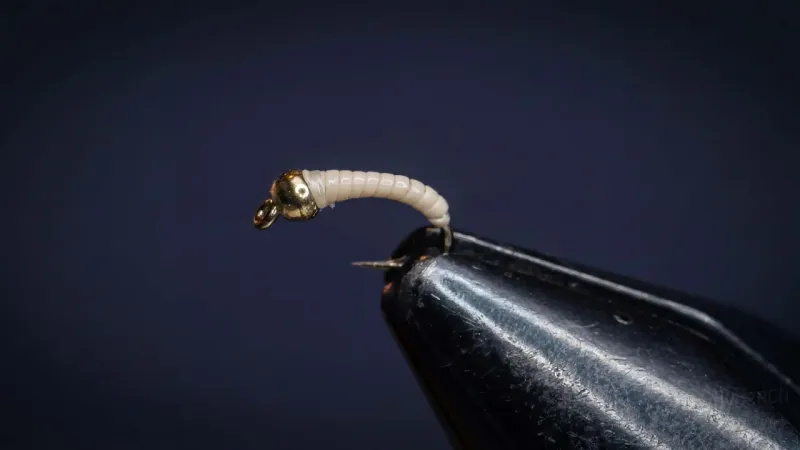
Midge / EmergersMole Fly
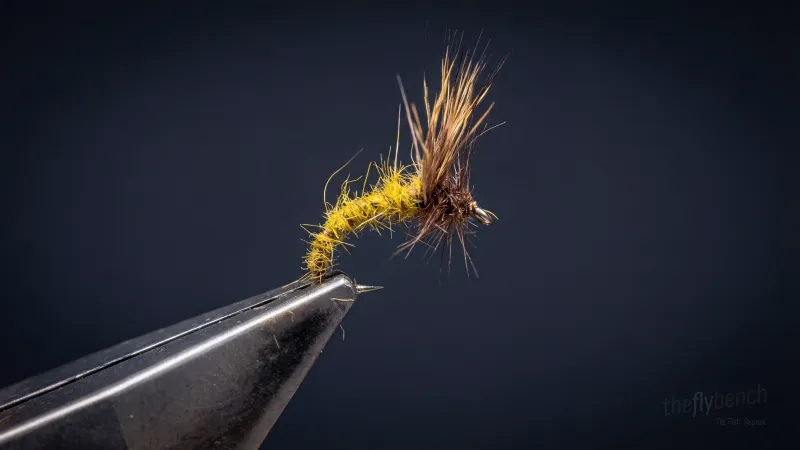
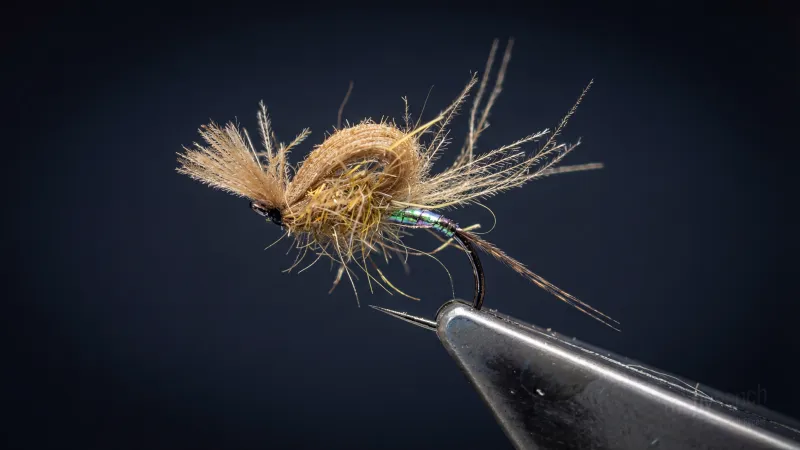
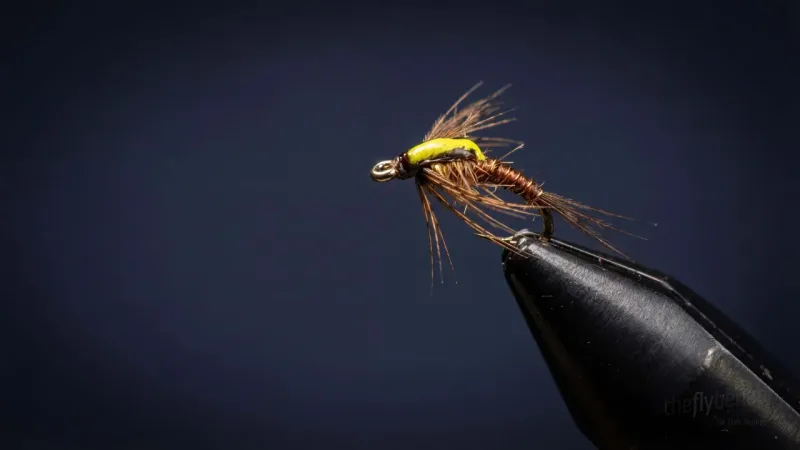
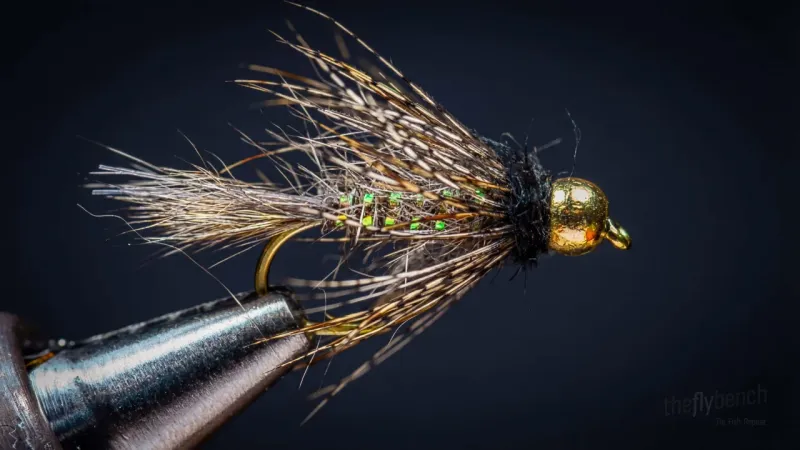
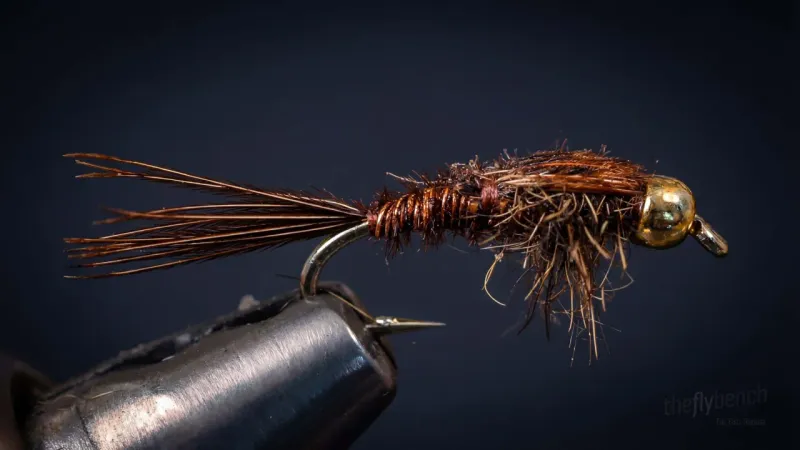
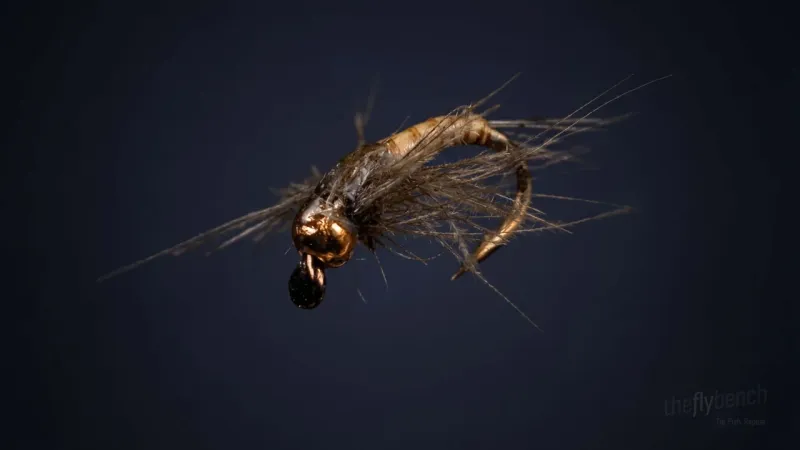
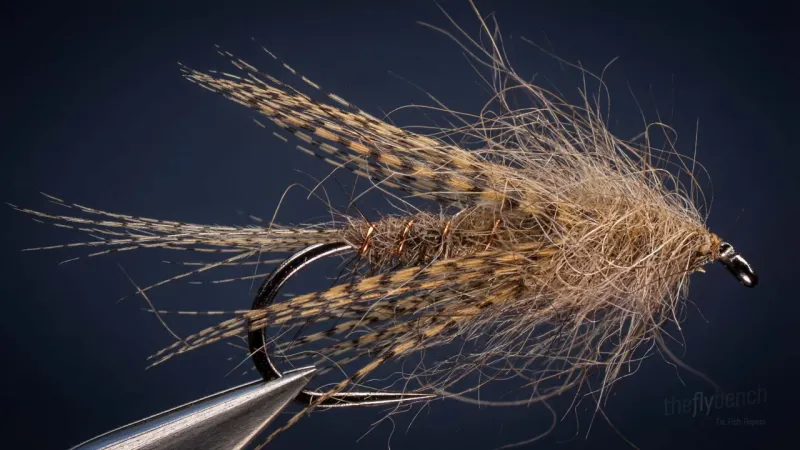
The Mole Fly is an effective pattern that imitates emerging insects in their most vulnerable state. The unique design of this fly, with its hackle facing downwards, mimics the profile of an insect struggling to get out of its shuck and draws aggressive strikes.
Spring, Summer, Fall
Intermediate
Trout
Apr 2025
Overview
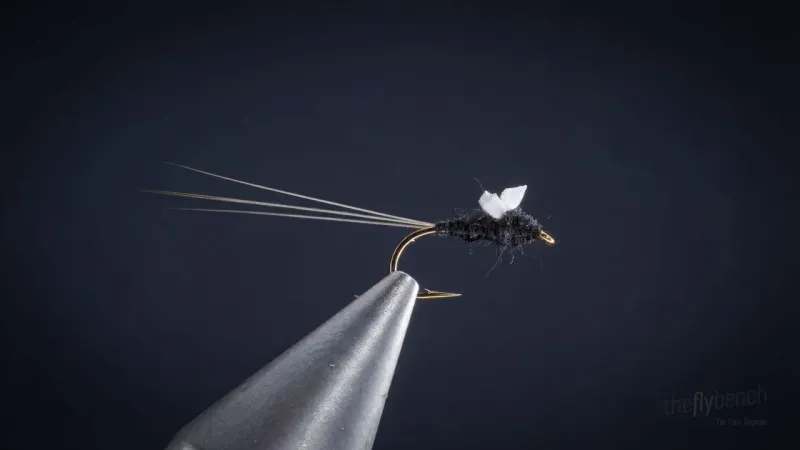
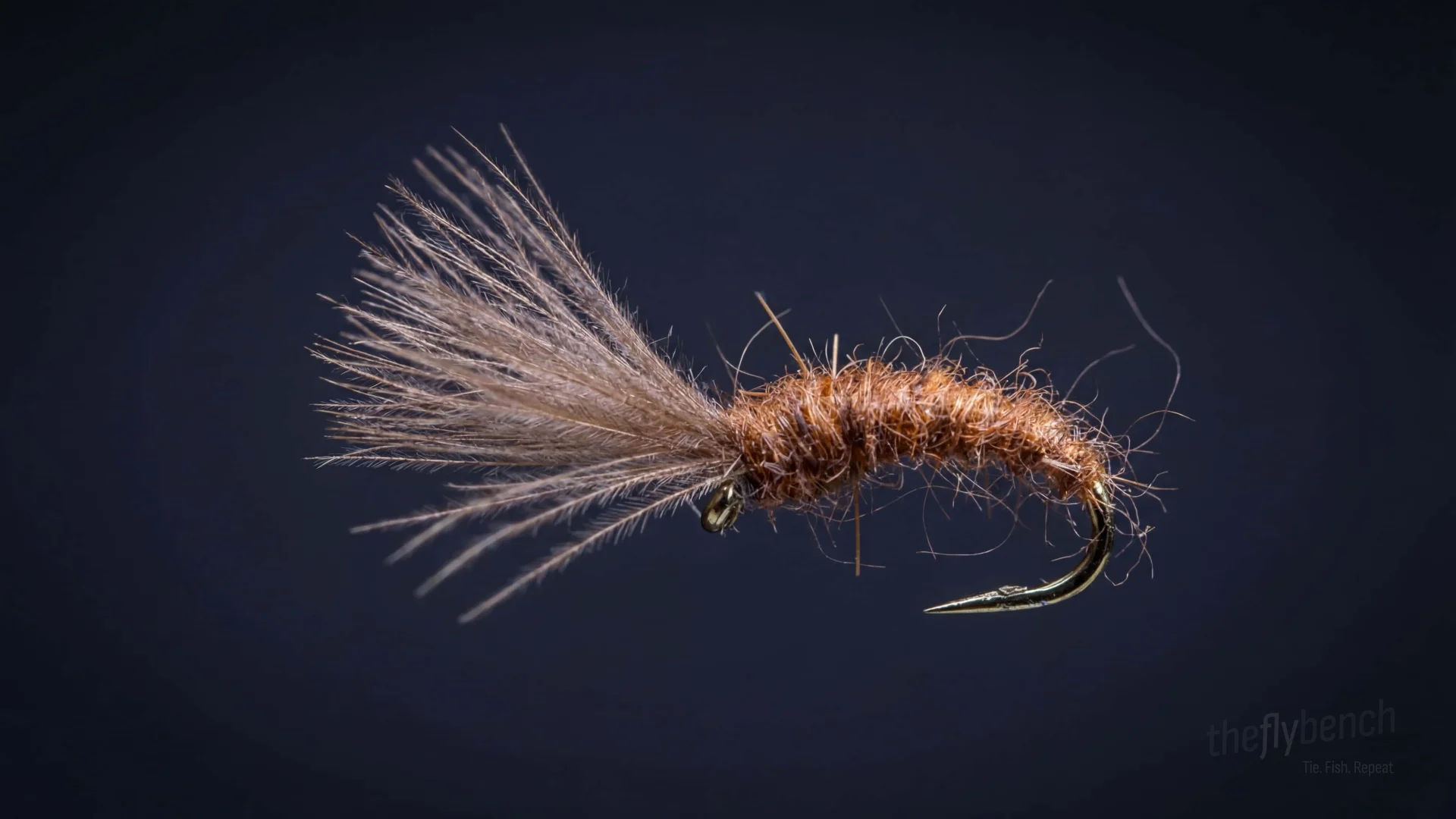
A sparse dry fly designed to sit flush in the film, typically tied with a dubbed body, CDC wing, and no hackle. It imitates emerging midges or mayflies and is excellent on calm water when fish are sipping softly.
Where to Buy This Fly
We only link to fly shops we trust. Some links are referral links, which may earn us a commission at no extra cost to you.
Materials
- Hook:
- #16-24 TMC 2487
- Thread:
- Gray 8/0 Uni-Thread
- Wing:
- 3 strands White Fluoro Fibre and 2 natural Dun CDC feathers
- Body:
- Brown Beaver dubbing
Behavior & Presentation
Natural Behavior: Insects pierce the surface film during emergence, their bodies half-submerged as they struggle to shed pupal shucks and unfold wings.
Where Trout Eat It: Fish hold in feeding lanes just below the film where emergers concentrate, intercepting vulnerable insects in riffles, runs, and pool tail-outs.
How to Fish It: Drag-free drift in the surface film with upstream or cross-stream casts, mending line to extend drift without skating the fly.
Best Water: Focus on seams between fast and slow currents, tail-outs, and foam lines where emerging insects collect.
Strike Type: Look for barely visible rings or tiny disturbances in the film—emerger takes are often imperceptible. You may see the CDC wing tip slightly or disappear into a gentle dimple. Set at the slightest movement near your fly's position.
Fishing Strategy
Rigging Suggestions: Fish on 12-15 foot leaders with 5X-6X tippet. Works exceptionally well as a dropper 18-24 inches below a size 14-16 visible dry fly, combining searching pattern with emerger imitation.
Seasonal Timing: Most productive during major hatches from April through October, with peak effectiveness in May and September when emergences are concentrated. Fish it whenever water temperatures reach 45-65°F and insects are actively hatching.
Pro Tips: Apply floatant only to the trailing shuck to keep the body in the film while the indicator portion stays visible. When fish refuse traditional dries during a hatch, switch to this emerger profile for selective risers.
Entomology
Various aquatic insects transition through the surface film during emergence, their bodies half-submerged as they struggle to break free from nymphal shucks. The Mole Fly's low-riding profile imitates this universal vulnerability phase across multiple species. Fish feeding on emergers often refuse fully emerged adults, focusing instead on these easier targets stuck in transition.
- Organism Type
- insect
- Life Stage
- general