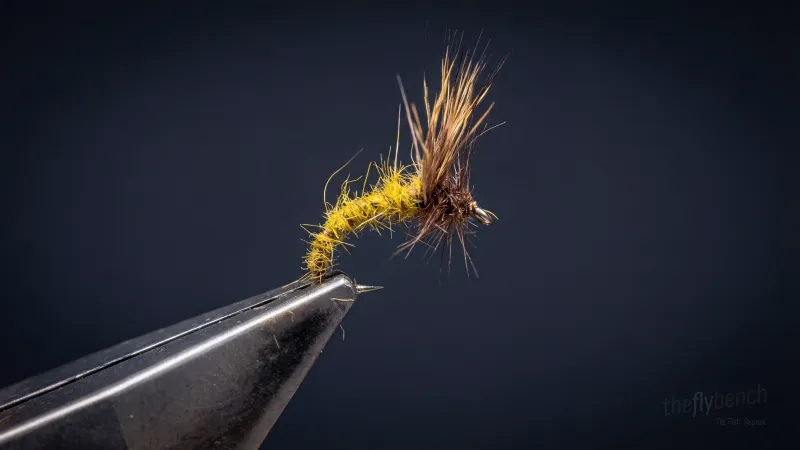
Midge / EmergersSnowshoe Emerger
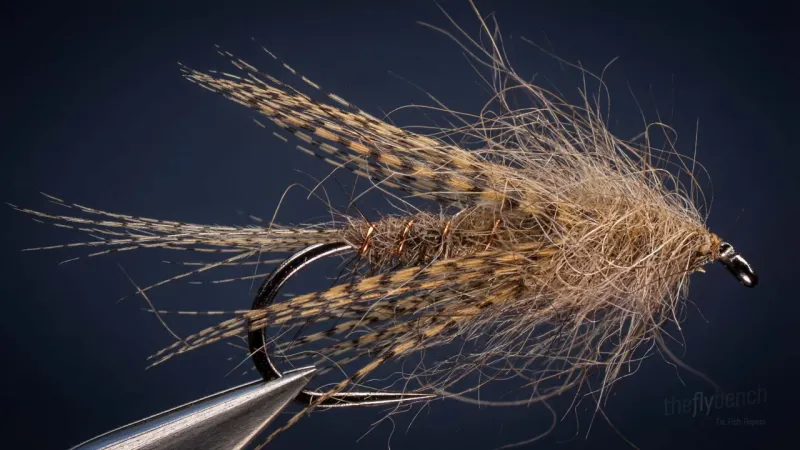
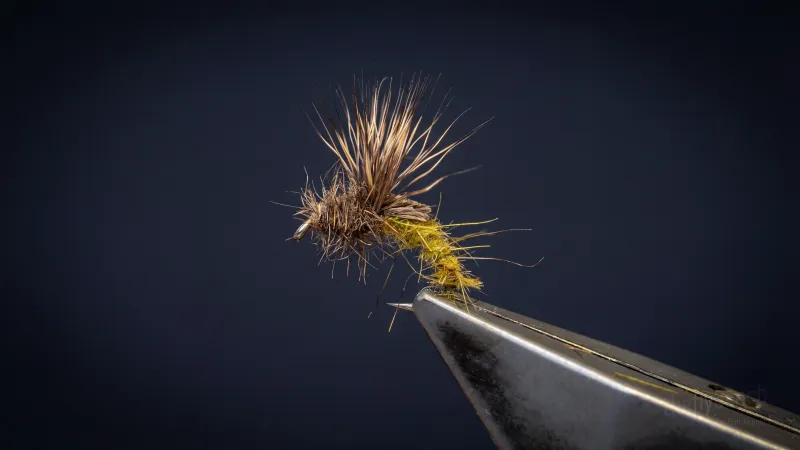
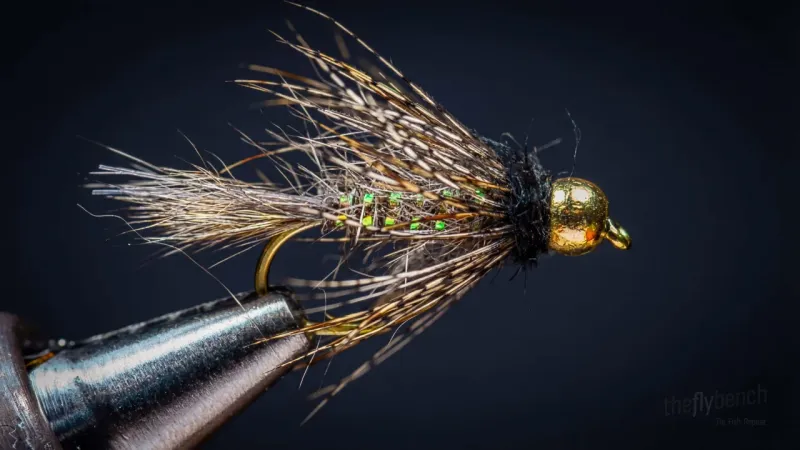
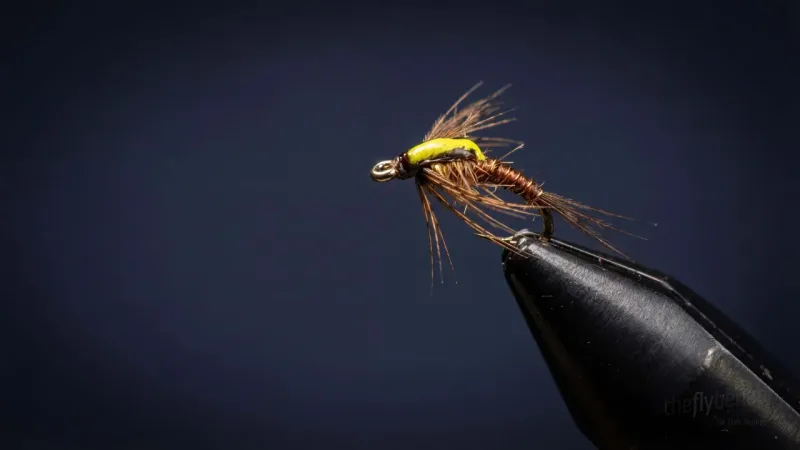
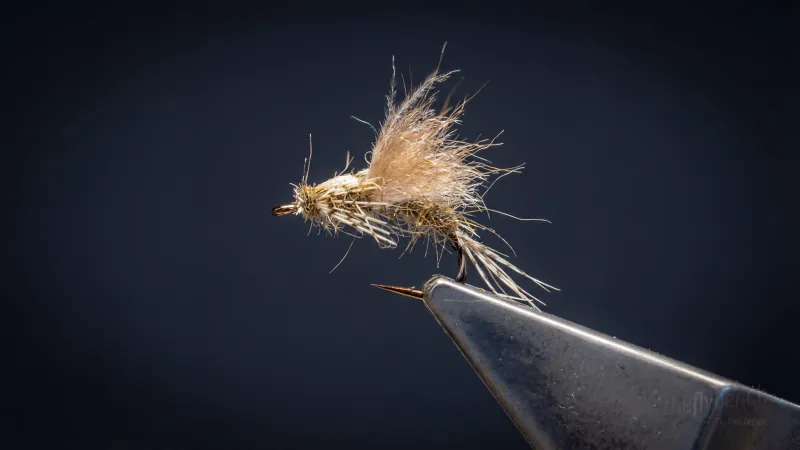
The Snowshoe Emerger is a versatile fly that imitates a variety of emerging insects. The use of snowshoe rabbit foot hair gives it excellent buoyancy, making it a perfect choice for rough water.
Spring, Summer
Intermediate
Trout
Apr 2025
Overview
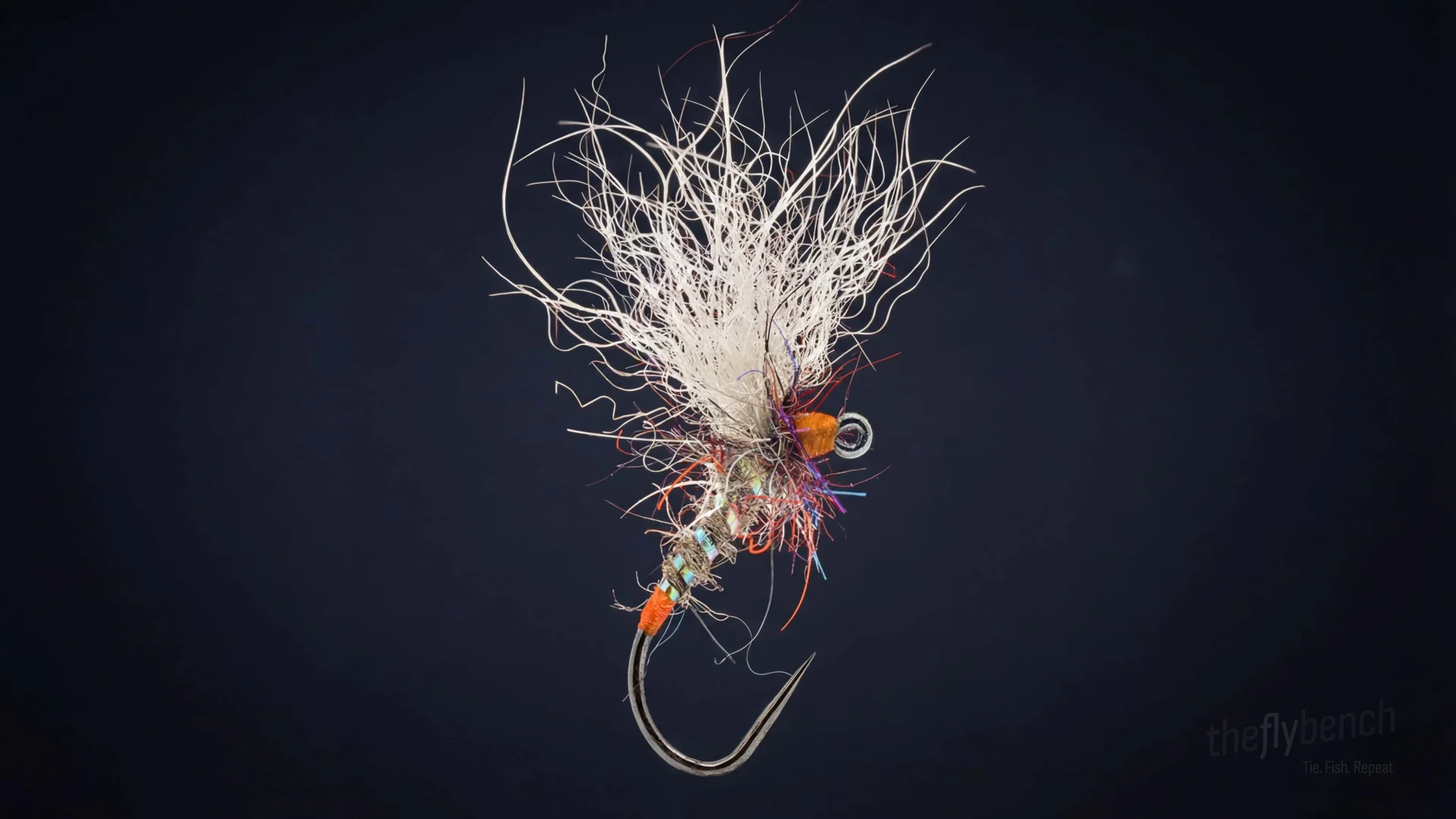
The Snowshoe Emerger is a versatile pattern known for its high-floating wing made from snowshoe rabbit foot fur. It can be tied in a variety of sizes and colors to match specific mayfly hatches, and variations often swap body dubbing or add ribbing for durability and segmentation.
Where to Buy This Fly
We only link to fly shops we trust. Some links are referral links, which may earn us a commission at no extra cost to you.
Materials
- Hook:
- DJS 300BL #12-14-16
- Thread:
- UTC in orange for hot spot and Uni Trico for body
- Body:
- cream hare dubbing
- Hot Spot:
- UTC Orange
- Ribbing:
- Troutline UV Flat perdigon – pearl
- Wing:
- Snowshoe hare fibers
- Thorax:
- Troutline Thorax Dubbing- Dark
Behavior & Presentation
Natural Behavior: Mayfly emergers struggle in the surface film during hatches, suspended between nymphal and adult stages. Their wings expand slowly while trailing shucks anchor them in place, creating easy targets for selective feeding trout.
Where Trout Eat It: Trout sip emergers hanging in the film in slow glides, tail-outs, and eddy lines during emergence windows.
How to Fish It: Dead drift in the film with greased leader, targeting rising fish during hatches. Employ delicate upstream presentations.
Best Water: Target tail-outs, seams along weed edges, and foam lines in slow glides. Current breaks concentrate emergers and feeding fish.
Strike Type: Rises to the high-floating snowshoe wing create subtle rings in calm glides; respond with measured rod lift to avoid popping light tippets during drag-free drifts.
Fishing Strategy
Rigging Suggestions: Fish alone on 10-12 foot leader tapered to 5X or 6X tippet, or as dropper 18-24 inches below a buoyant dry fly indicator.
Seasonal Timing: March through October, particularly effective during mayfly and caddis emergences in (April-June) and (September-October).
Pro Tips: The snowshoe rabbit foot hair is naturally buoyant and highly visible to fish while maintaining a low profile. Apply light floatant only to the wing. This pattern bridges the gap between subsurface nymphs and fully emerged adults, making it effective when trout are being selective. Adjust wing color to match local hatches.
Entomology
Various emerging aquatic insects exhibit transitional behaviors in the surface film, struggling with partial wing development while their bodies span the interface between water and air. Trout key on these generic emergers because they represent the most vulnerable life stage across multiple insect orders, combining the appeal of both subsurface and dry fly presentations during diverse hatch scenarios.
- Organism Type
- insect
- Life Stage
- general