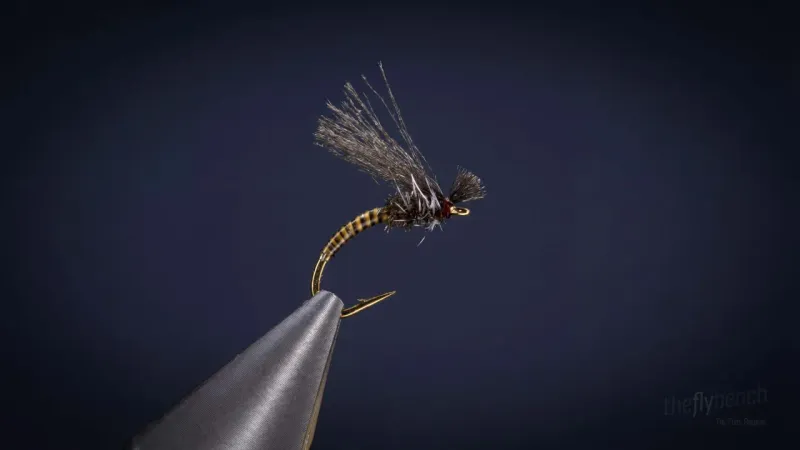
Midge / EmergersBreakout Emerger
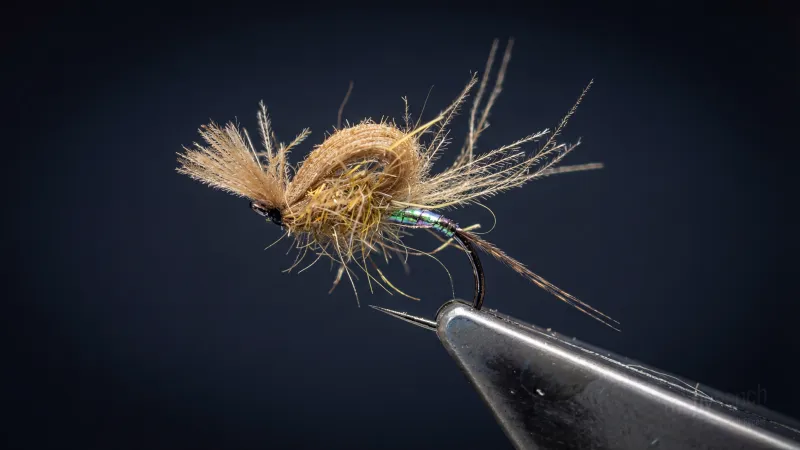
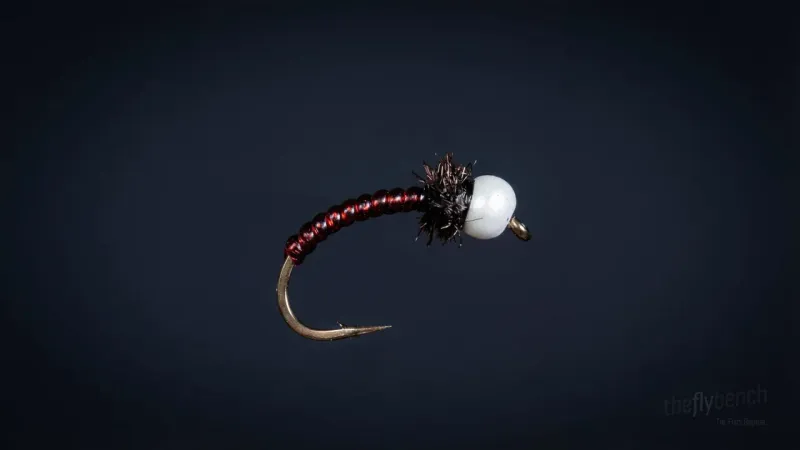
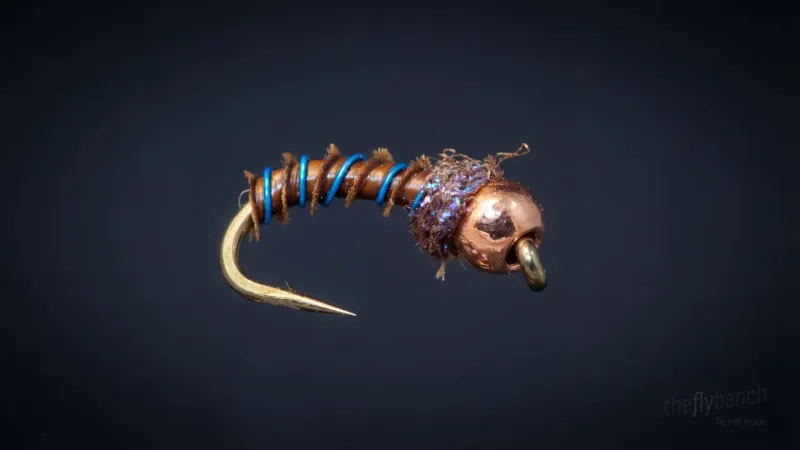
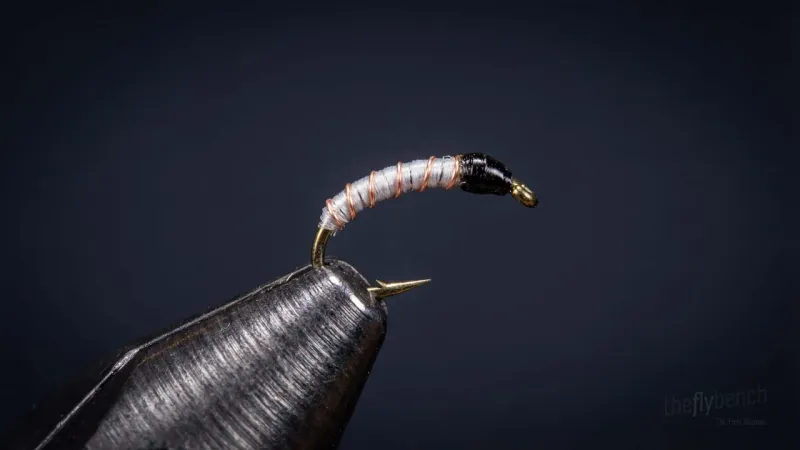
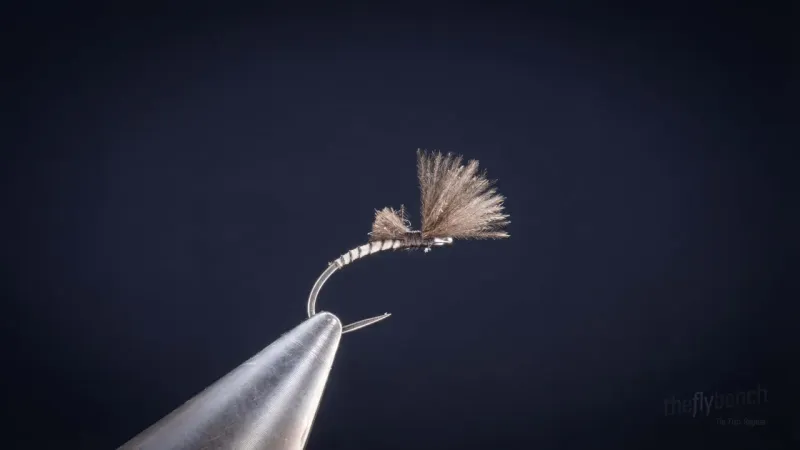
The Breakout Emerger is a midge emerger pattern designed by Ted Patlen. This effective pattern combines traditional materials with proven techniques for consistent results in a variety of water conditions.
Spring, Summer, Fall
Advanced
Trout
Feb 2026
Overview
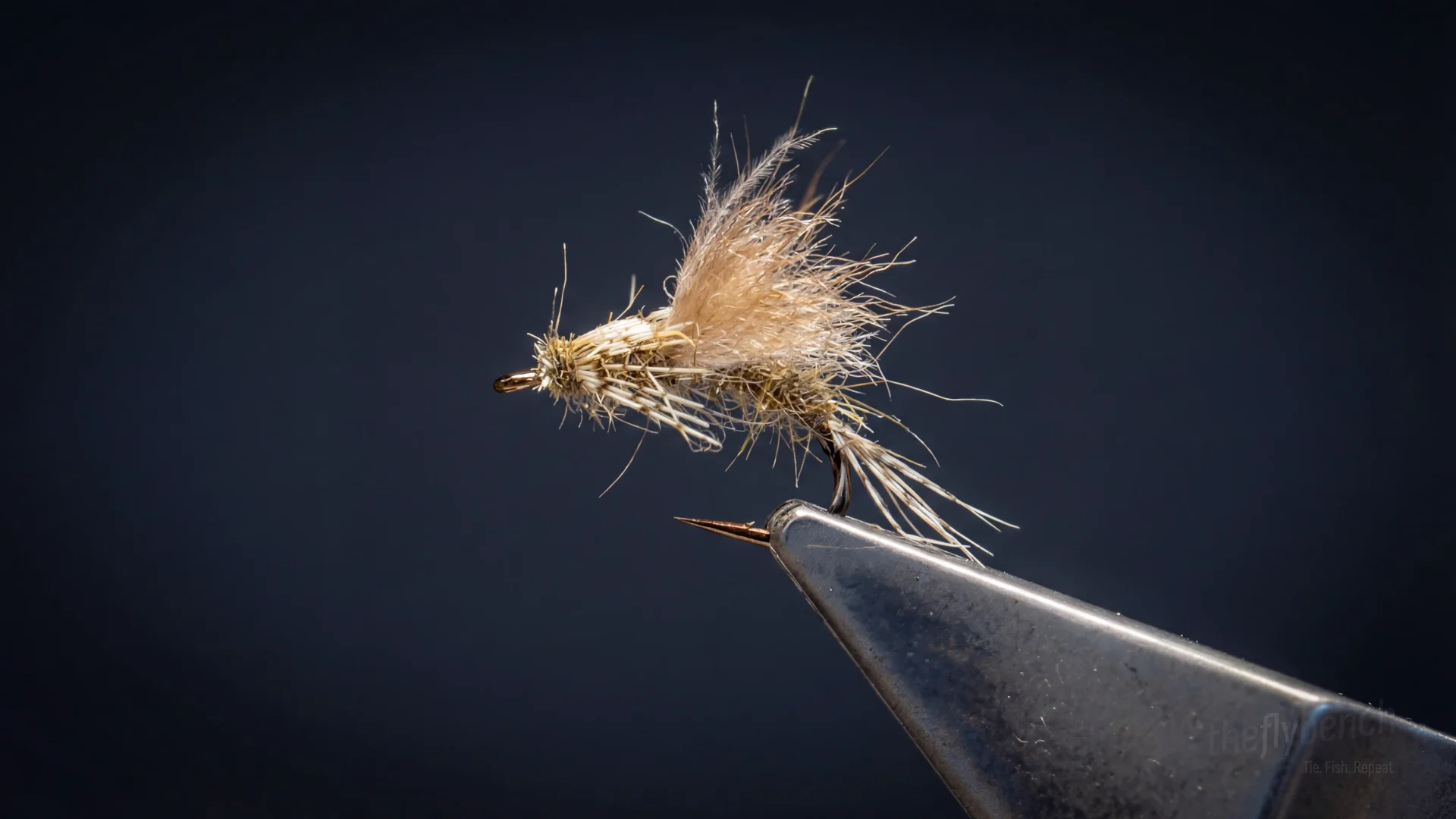
Ted Patlen developed this pattern to imitate the vulnerable moment when insects transition from subsurface nymphs to surface adults. The design features materials that suggest the split shuck and partially emerged wings, with part of the body hanging below the surface while the head and thorax break through the film. This position is highly recognizable to feeding trout, making it particularly effective during the peak of mayfly and midge emergences.
Where to Buy This Fly
We only link to fly shops we trust. Some links are referral links, which may earn us a commission at no extra cost to you.
Materials
- Hook:
- Tiemco 2487/2488 #12-16
- Thread:
- Black
- Tail:
- Cock pheasant center tail fibers
- Rib:
- Gold wire
- Abdomen:
- Dark green sewing thread
- Wing stub:
- Natural dun CDC
- Wing case:
- Cock pheasant center tail fibers
- Thorax:
- Muskrat
- Hackle:
- Grizzle dyed red brown tied in wet fly style
Behavior & Presentation
Natural Behavior: Multiple aquatic insect species hang partially in the surface film during transformation as adult forms extract from nymphal or pupal cases. This critical emergence phase represents peak vulnerability across mayflies, caddis, and midges.
Where Trout Eat It: Fish suspend just beneath the surface in seams and tail-outs, intercepting emergers trapped in the film.
How to Fish It: Fish in or just below the surface film with drag-free presentation, allowing the pattern to hang like trapped naturals.
Best Water: Target seams concentrating film-dwelling emergers, tail-outs collecting hatching insects, and slicks where emergers accumulate.
Strike Type: Watch for subtle film sips or barely visible takes as fish delicately intercept suspended emergers.
Fishing Strategy
Rigging Suggestions: Use a 12-15 foot leader with 6X-7X tippet. Fish alone or as a dropper beneath a small dry fly.
Seasonal Timing: Most effective during peak feeding periods at dawn and dusk. Water temperatures between 45-65°F typically produce best results.
Pro Tips: Watch for subtle rises with minimal splash indicating fish are taking emergers rather than adults. The trapped shuck silhouette is often more effective than fully emerged imitations.
Entomology
Various emerging aquatic insects break through the surface tension at the moment of transformation, hanging partially in the film while their adult forms extract from nymphal or pupal cases. This critical transition phase represents peak vulnerability across multiple species, making emerger patterns universally effective when any insect is transitioning between life stages.
- Organism Type
- insect
- Life Stage
- general