Overview
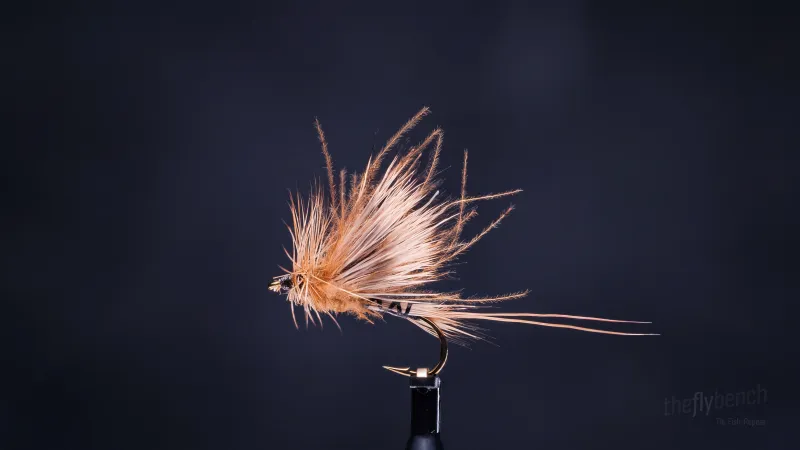
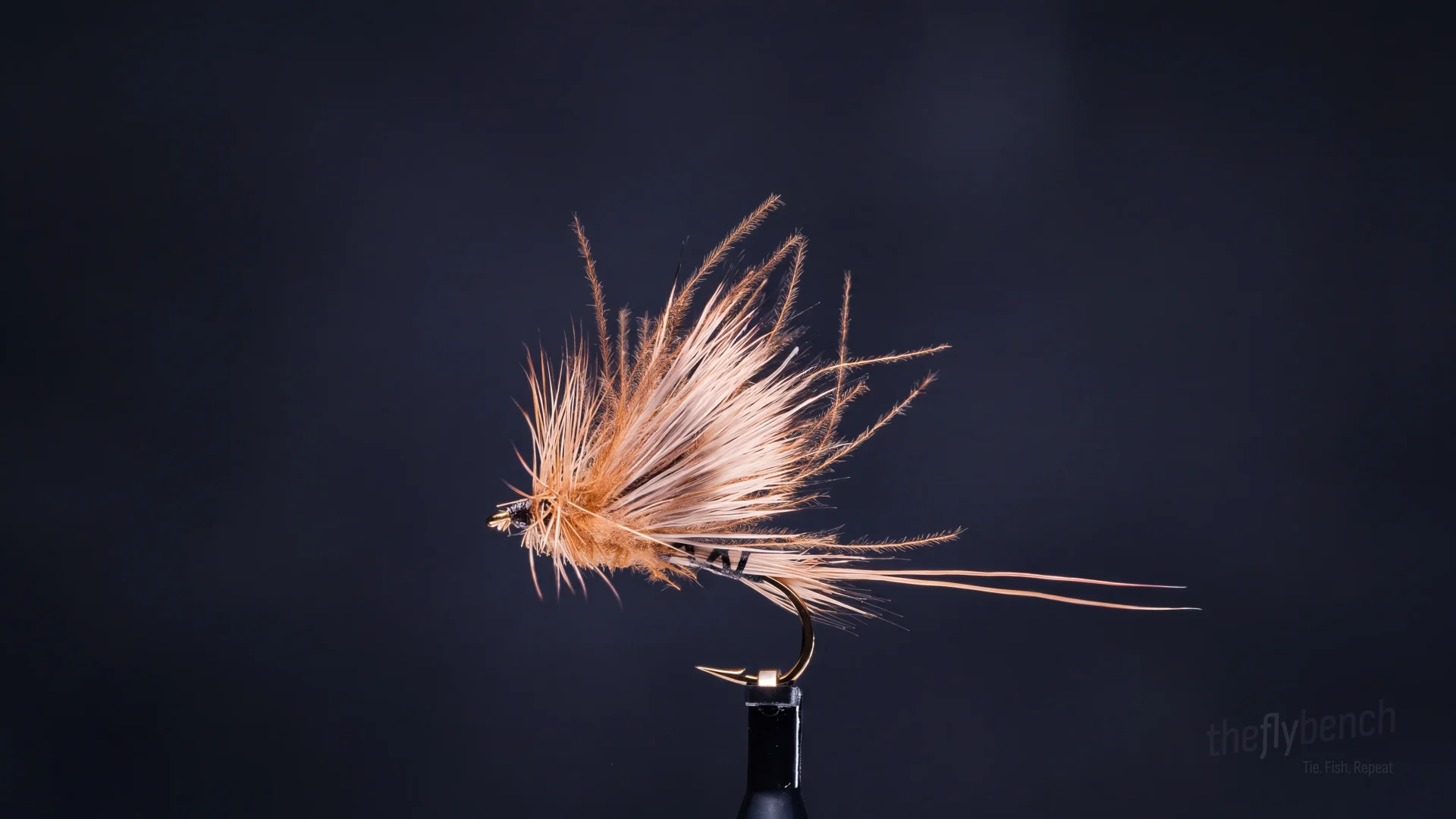
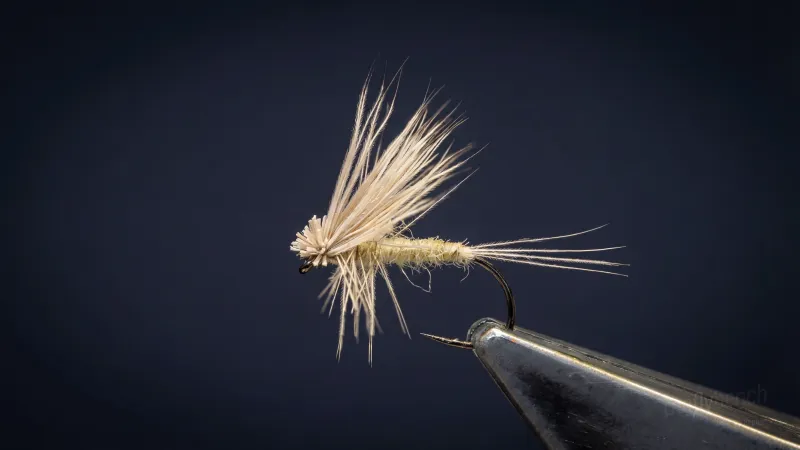
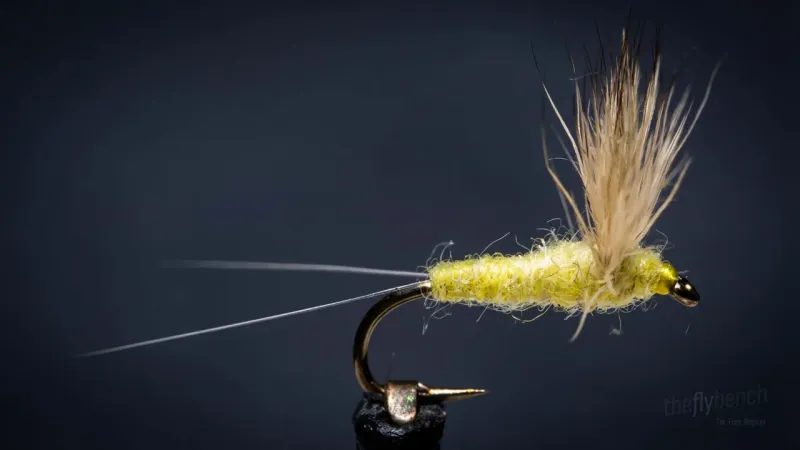
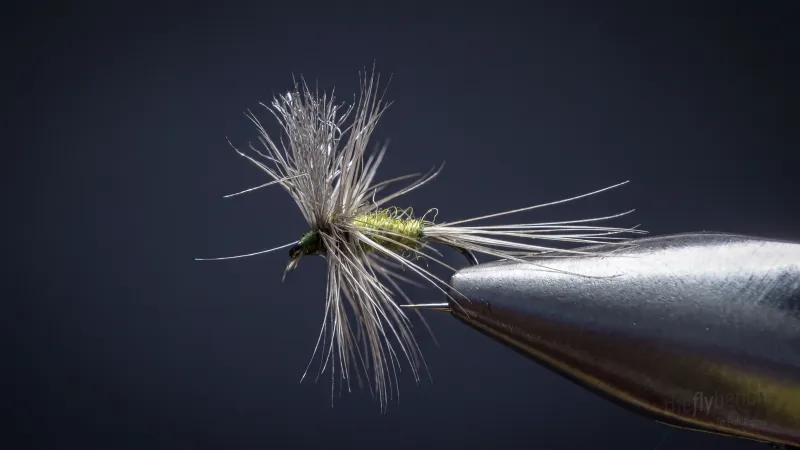
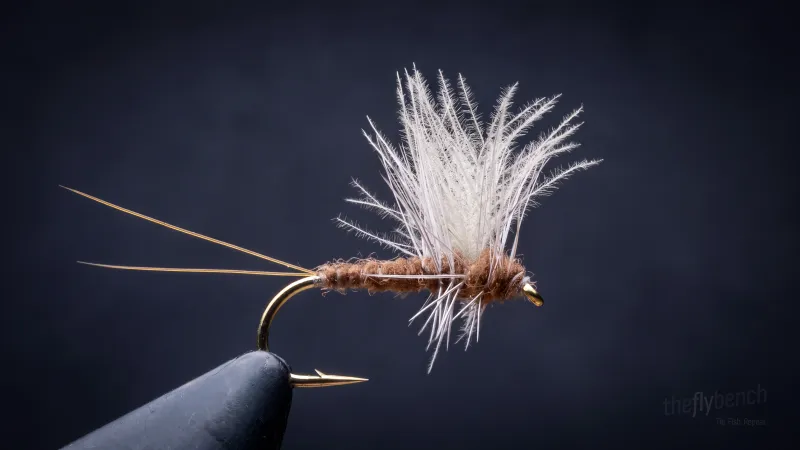
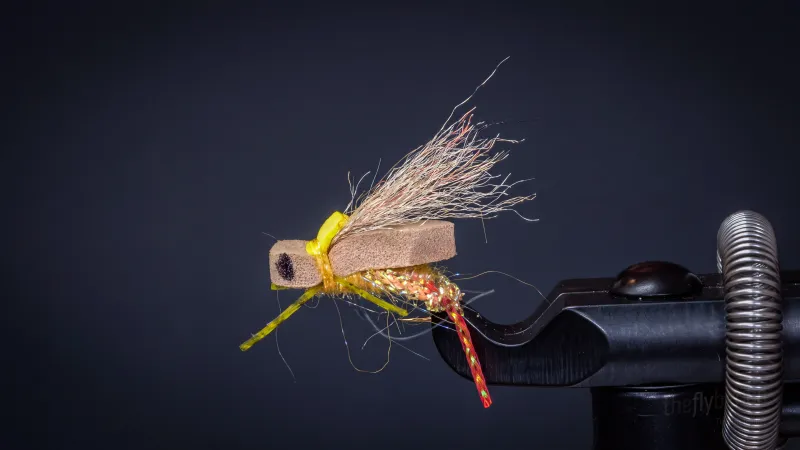
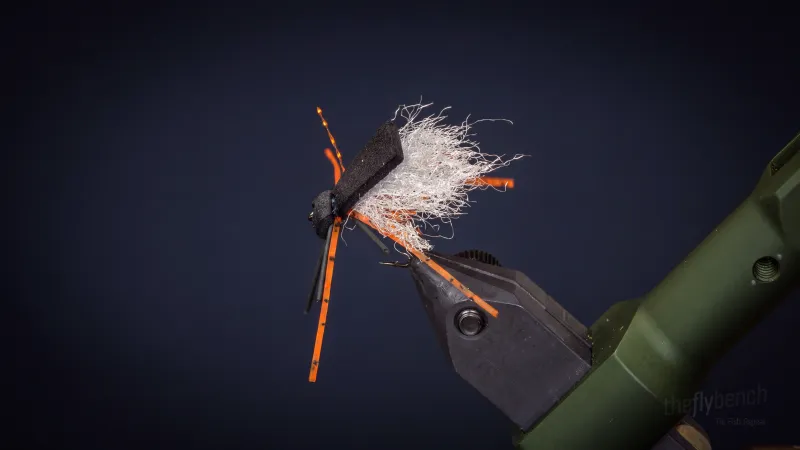
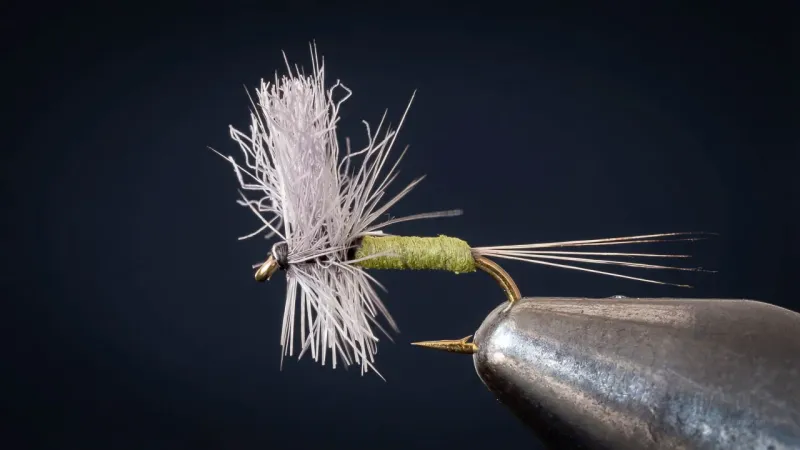
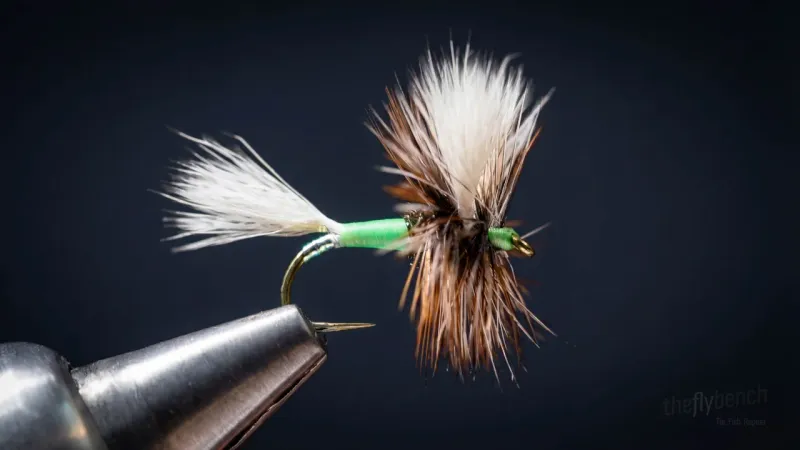
Trident Fly Fishing credits the design to Chris Johnson. The body is a clump of natural deer hair wrapped back and forward over the shank, and brown CDC in a dubbing loop surrounds a stacked deer hair wing before a barred ginger hackle goes on. Trimming the hair and hackle flat underneath lets the fly sit down in the film. Change the hair and hackle colors to match local drakes.
Related patterns


Behavior & presentation
- Natural Behavior
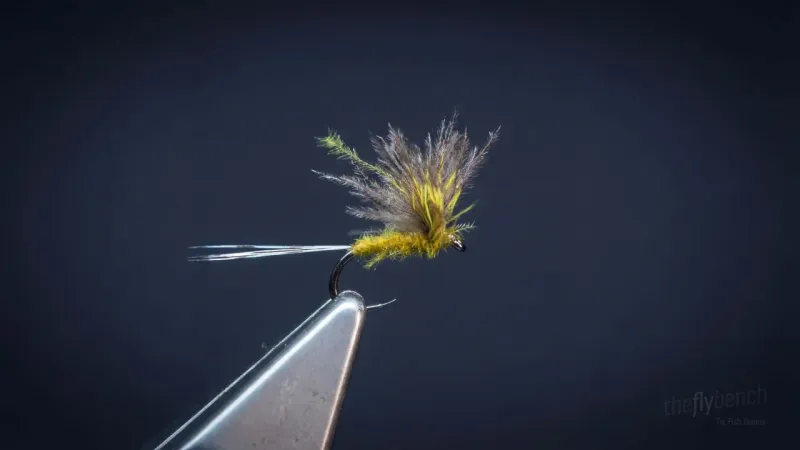
- Freshly hatched drake duns ride the current with tall wings upright while their heavy bodies rest down in the film, often drifting a long way before they can lift off.
- Where Trout Eat It
- Fish hold in slower lanes downstream of emergence riffles and take drifting duns as the current slows them down, especially in the last light of the evening.
- How to Fish It
- Present it upstream or across to a rising fish with a slack-line cast, letting the tall wing serve as your marker as the flat-trimmed belly settles into the film.
- Best Water
- Glides below gravel riffles, soft seams beside faster current, foam lines along the bank, and flat tail-outs where large duns collect.
- Strike Type
- Big, deliberate rises where the head and back show as the fish closes on the dun, often with an audible gulp in calm water.
Fishing strategy
- Rigging Suggestions
- Fish a 9-foot leader to 3X or 4X tippet. The large hair fly can twist light tippet, so step up in diameter and check it often.
- Seasonal Timing
- Carry it from late May into July when drake hatches come off, and expect the best action from early evening into dark.
- Pro Tips
- Keep the underside trimmed flat so the body rides in the film rather than on the hackle tips. When the wing begins to sink, dry the CDC with a desiccant before re-treating it.
Entomology
Large drake duns emerge in the evening and rest on the surface while their wings dry, their heavy bodies riding low in the film. Their size gives trout a big meal for little effort, so even large, cautious fish will feed on top during a good hatch.
- Order
- Ephemeroptera
- Common name
- Drake Mayfly
- Organism
- insect
- Life stage
- dun
Pattern details
- Moving Water
- Rocky Mountain
- Northeast
- dead-drift
- drake-hatch