Overview
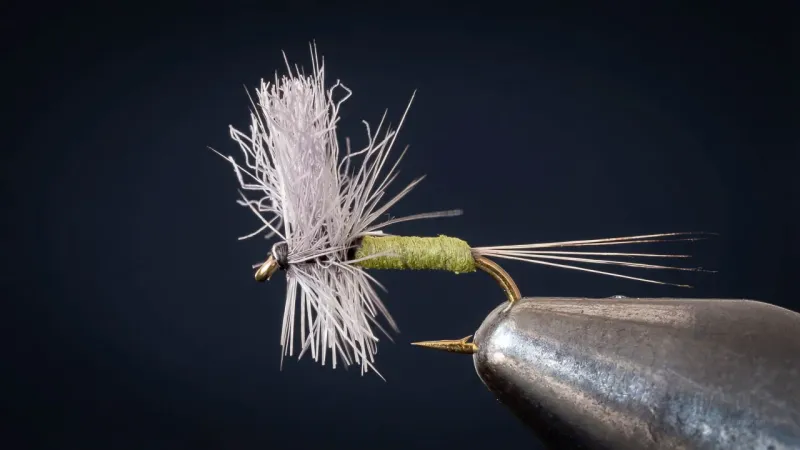
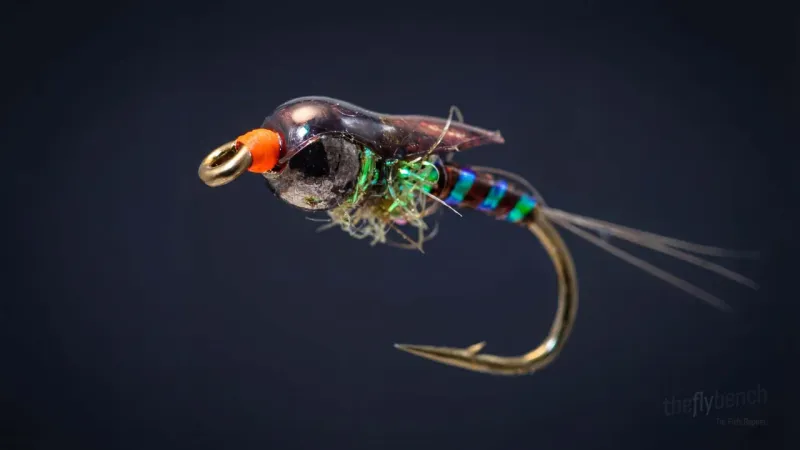
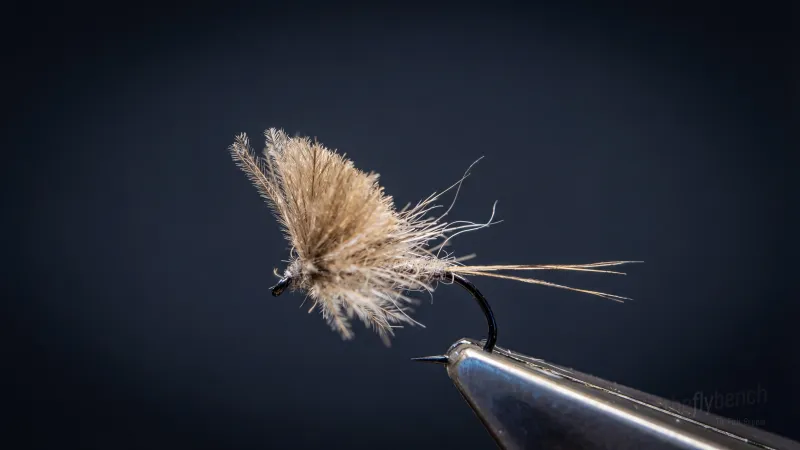
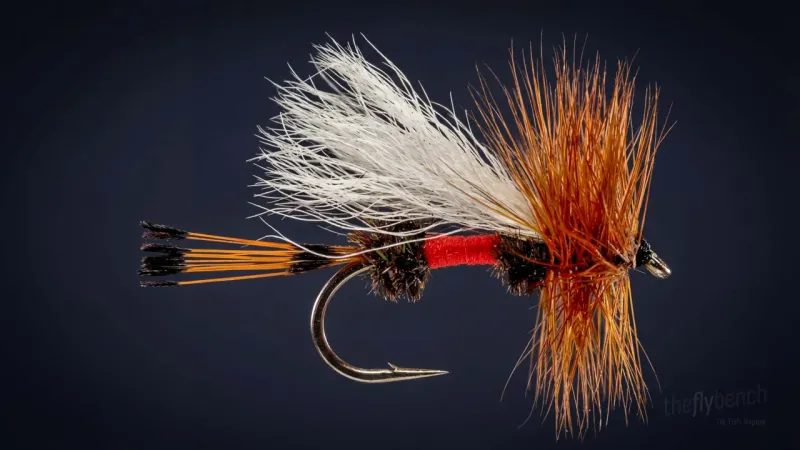
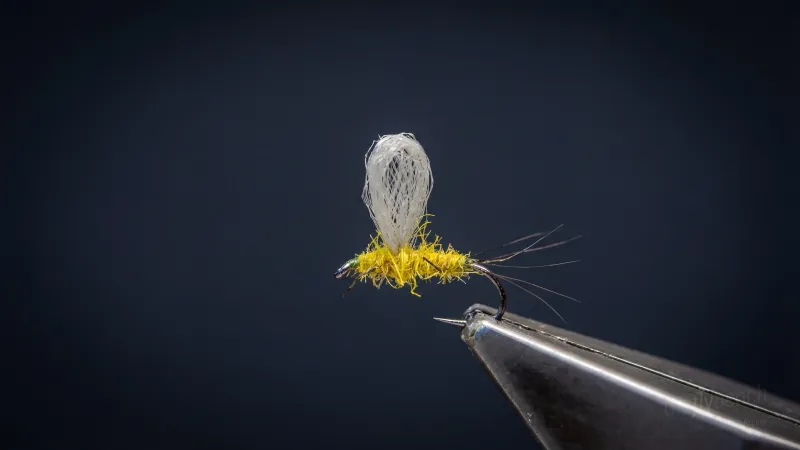
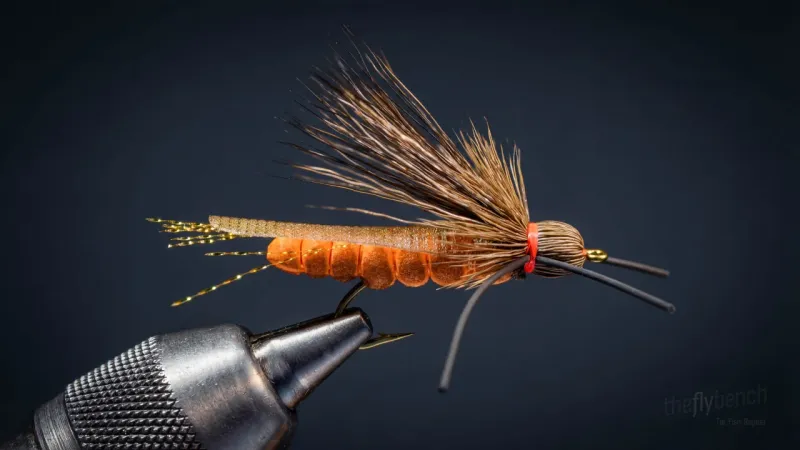
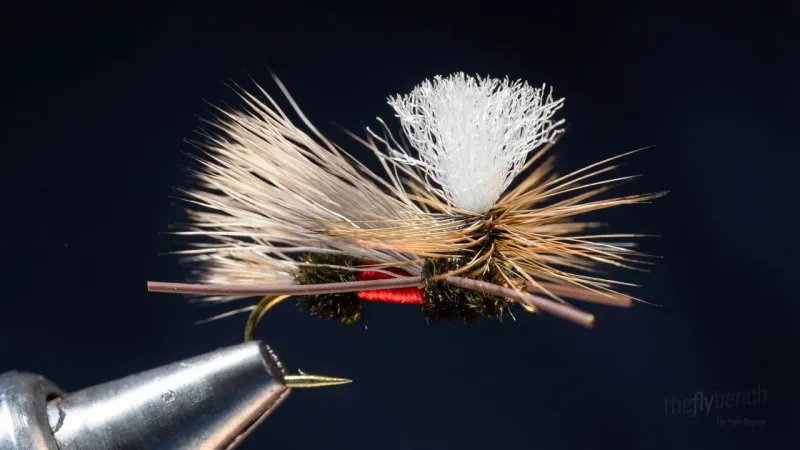
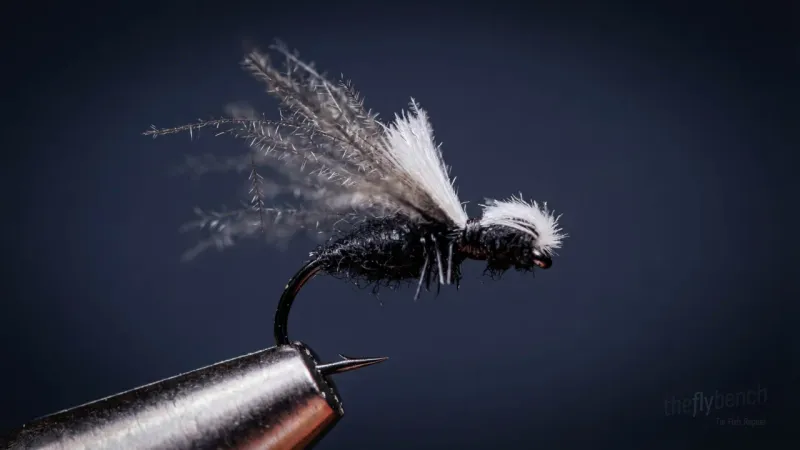
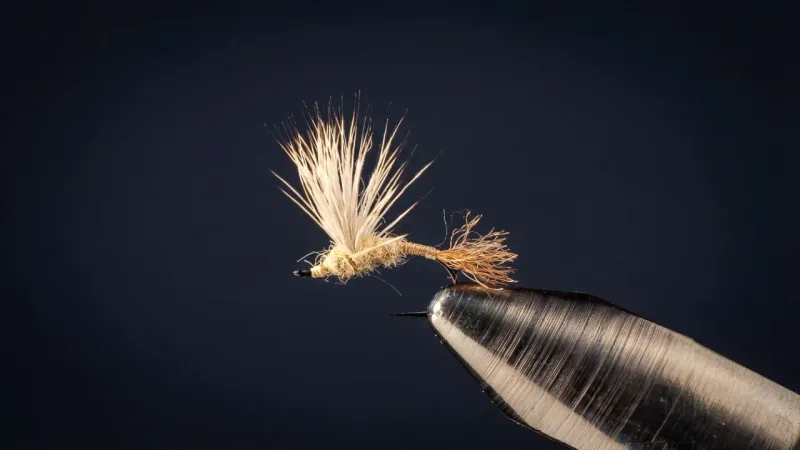
The Razor Mayfly was developed at Blue Ribbon Flies using thin Razor Foam to create a more realistic mayfly profile than traditional foam patterns. Available in five color variations to match major mayfly hatches: Green Drake, PMD, Pink Lady (Epeorus), Baetis, and Callibaetis. The foam body provides unsinkable floatation while maintaining a realistic slim profile.
Related patterns
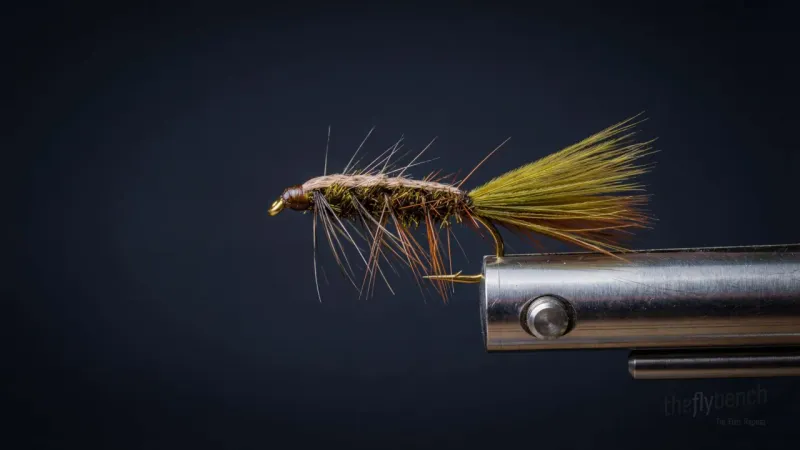
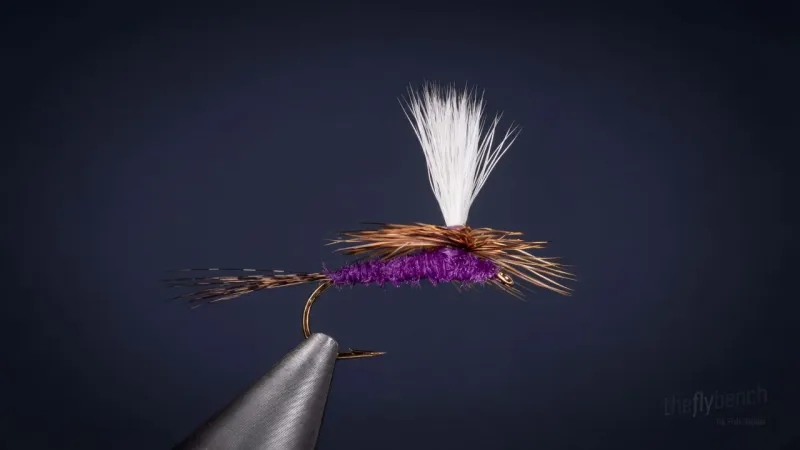
Behavior & presentation
- Natural Behavior
- Mayfly duns float downstream with upright wings, drying gradually while exposed to extended predation during drift. Fish rise selectively to these adults because concentrated hatch windows create competitive feeding requiring quick decisions.
- Where Trout Eat It
- Fish sip duns floating in the surface film along seams, tail-outs, and riffle edges where mayflies concentrate. Both rivers and lakes host mayfly hatches, with specific patterns matching local species.
- How to Fish It
- Dead drift in the surface film allows the Razor Foam body to ride correctly without constant adjustment. The unsinkable design maintains proper profile through extended sessions.
- Best Water
- Focus on seams concentrating floating duns, tail-outs with gentle currents for sipping rises, and riffle edges where mayflies emerge and drift.
- Strike Type
- Visible rises or expanding surface rings mark confident takes on properly presented mayfly adults.
Fishing strategy
- Rigging Suggestions
- Fish on 9-15 foot leader with appropriate tippet for size. The foam provides enough floatation to support a small dropper nymph on the larger sizes.
- Seasonal Timing
- Varies by version - Green Drake (late /early ), PMD , Pink Lady , Baetis (/), Callibaetis ( on lake). Choose the appropriate variation for your hatch.
- Pro Tips
- EP fiber wings provide good visibility against most backgrounds. Excellent floatation from Razor Foam.
Where to fish it
Rivers anglers pair with this fly, with local shops that stock it.
River details and fly shops from River & Run, our sister site.
Entomology
Mayfly duns float downstream with their wings upright, drying gradually while exposed to predation for extended drift periods. Fish rise selectively to these adults because mayfly hatches occur in concentrated windows, creating competitive feeding situations where fish must act quickly.
- Order
- Ephemeroptera
- Common name
- Mayfly
- Organism
- insect
- Life stage
- adult
Pattern details
- Moving Water
- Stillwater
- Rocky Mountain
- dead-drift
- baetis-hatch
- drake-hatch
- classic
- modern
- flats