

Overview
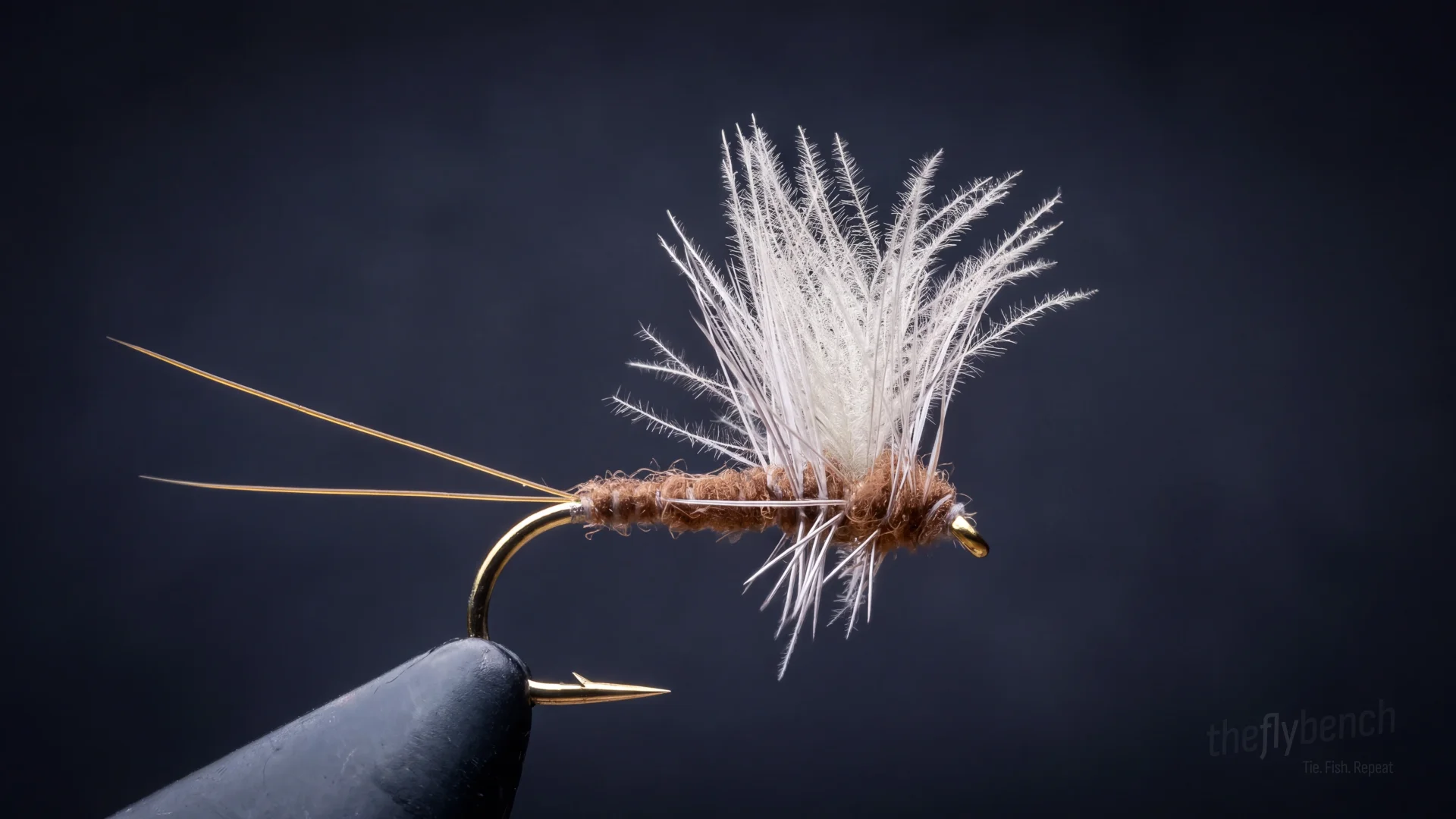
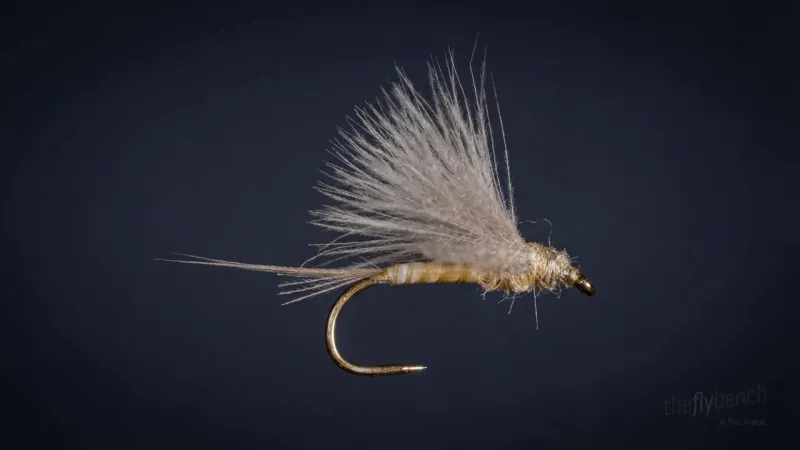
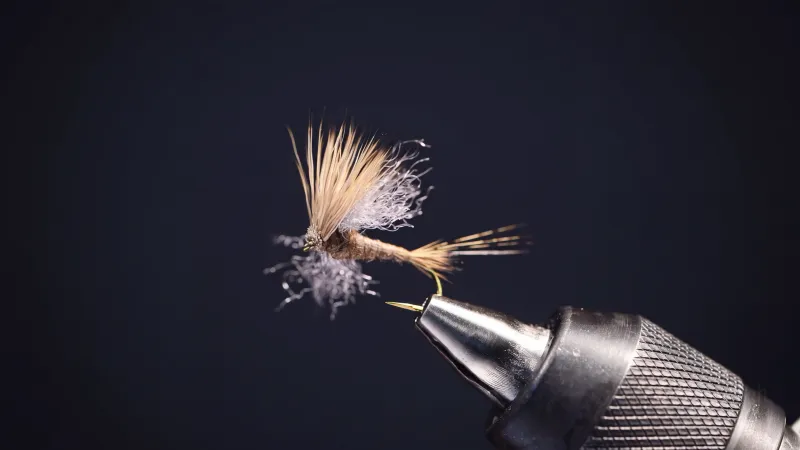
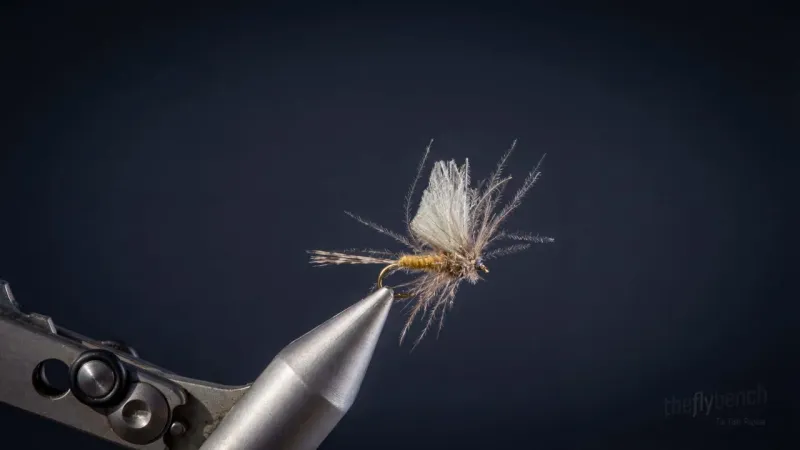
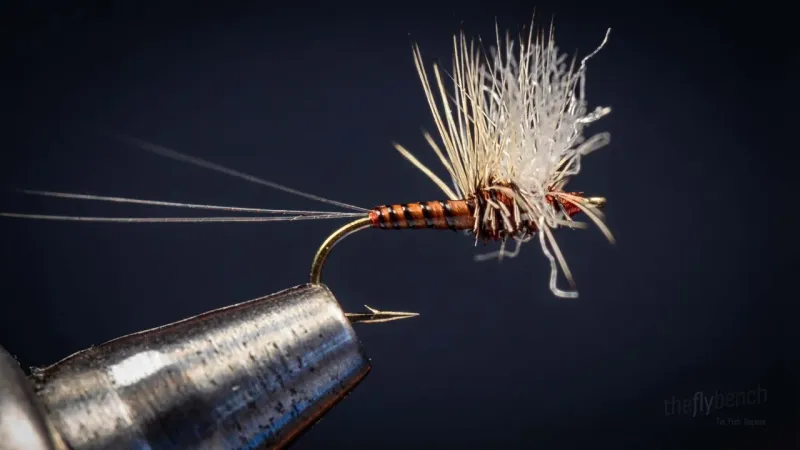
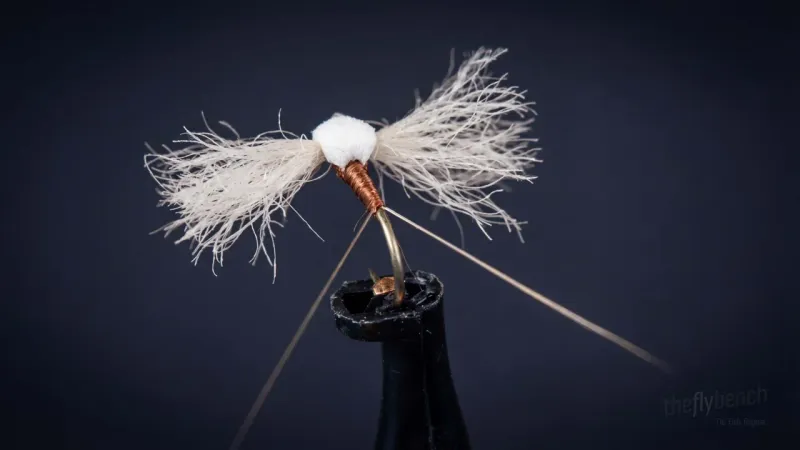
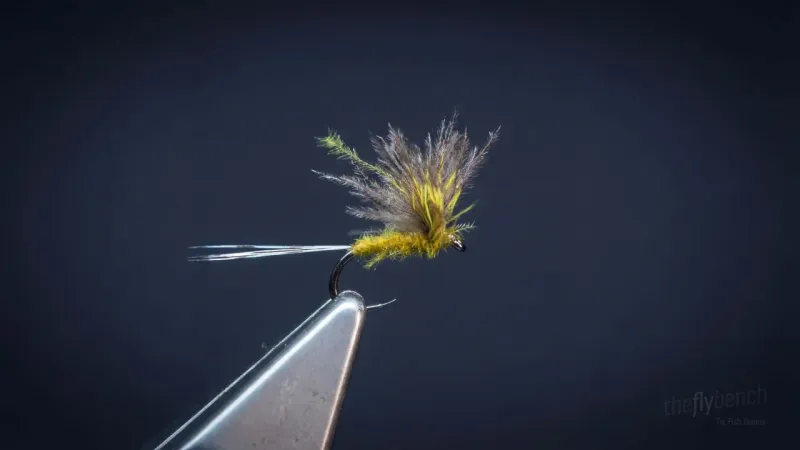
This version, tied by Smitty's Monthly Fly Box, keeps the body thin to match one of the skinniest mayflies trout see all year. The split fibers make the tail, and the CDC wing gives a soft, buoyant silhouette without bulk. Keep the gray hackle sparse so the fly sits in the film. Size 14 matches most fall mahoganies, and a 16 covers smaller bugs.
Related patterns
Behavior & presentation
- Natural Behavior
- Mahogany duns come off slow, gravel-lined water in modest numbers, often drifting a long way while their dark wings dry. They trickle off steadily instead of in a heavy burst, so trout settle into slow, rhythmic feeding.
- Where Trout Eat It
- Pods of trout hold in soft glides and slow pools, rising with an easy rhythm as the sparse duns float down over them.
- How to Fish It
- Present a short upstream or down-and-across reach cast to a single riser, leading the fish by a foot so the fly arrives ahead of any leader or line.
- Best Water
- Slow glides, flat tail-outs, the soft edges of seams and quiet back eddies where fall mahoganies collect along the bank.
- Strike Type
- Slow, deliberate head-and-tail sips. Wait for the fish to turn down before lifting, because late-season trout eat lazily.
Fishing strategy
- Rigging Suggestions
- Fish it on a 10 to 12 foot leader tapered to 5X or 6X, and dress only the hackle and body with floatant so the CDC wing stays dry and fluffy.
- Seasonal Timing
- Look for mahoganies from late August into October, and on some western rivers into early November on warm afternoons. A sunny morning that warms the water often sets up the best afternoon hatch.
- Pro Tips
- Pick out the largest fish in a pod and cast to it first so a smaller fish does not spook the group. If trout refuse the fly, try one size larger instead of smaller, since a thin fly is easy to miss among the naturals.
Entomology
Paraleptophlebia nymphs live in slow, gravelly stretches and move toward quiet water before they emerge. The slender, reddish-brown duns with smoky gray wings ride the surface for a long time in cool fall air, which keeps them easy for trout to reach during a steady, drawn-out hatch.
- Order
- Ephemeroptera
- Family
- Leptophlebiidae
- Common name
- Mahogany Dun
- Organism
- insect
- Life stage
- dun
Pattern details
- Moving Water
- Rocky Mountain
- dead-drift
- low-clear-water
- tailwater
- spring-creek
- cold-water