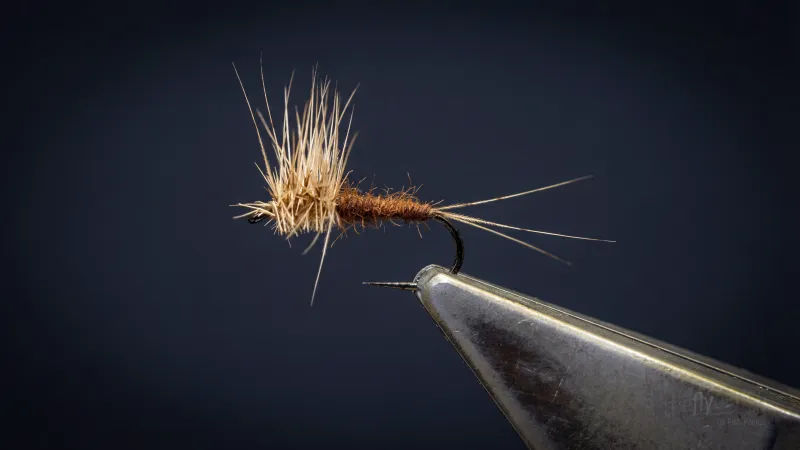
Dry FliesHarrop Hairwing Dun
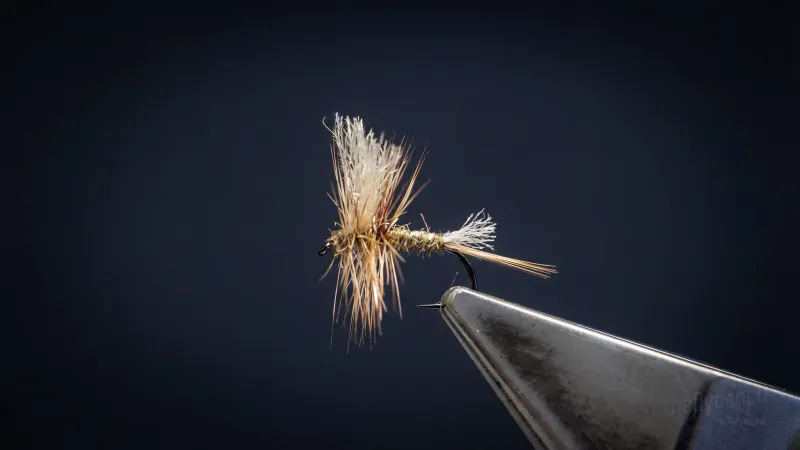
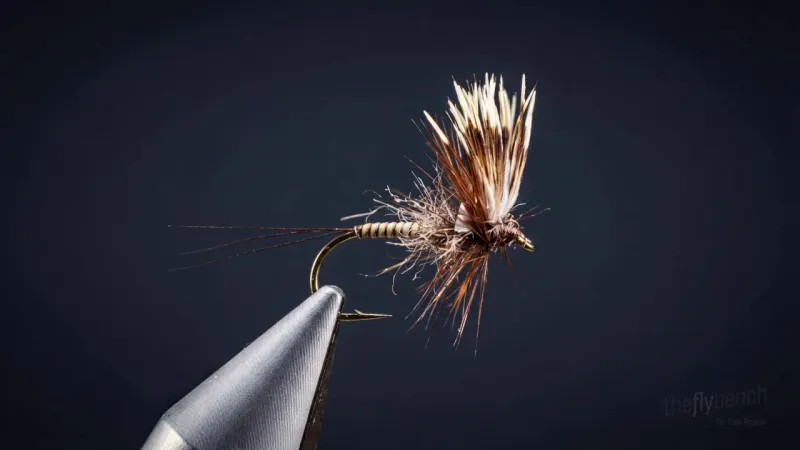
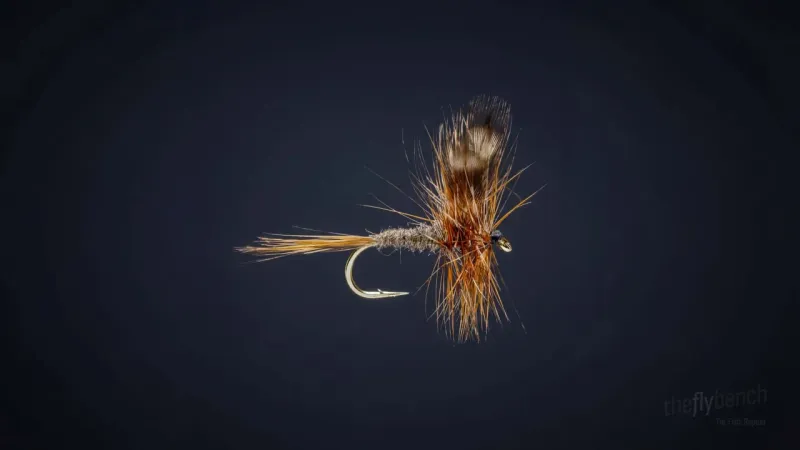
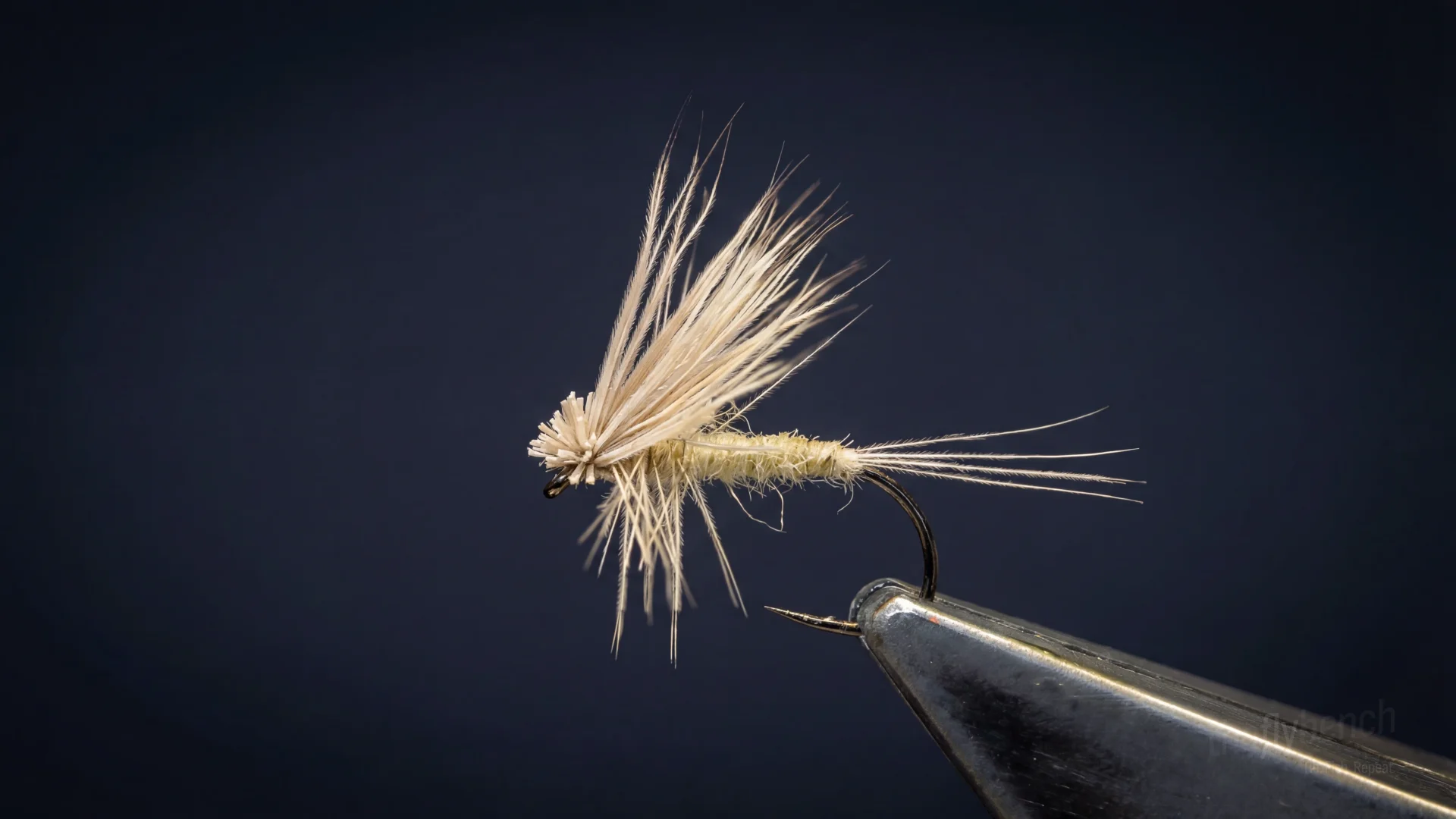
Rene Harrop's Hairwing Dun swaps a hair wing and head for the usual upright feather wing, giving this mayfly pattern extra durability through repeated takes. A split sandy dun tail and SLF Minky dubbing sized to the natural mayfly keep the proportions accurate, and a sandy dun hackle supports it on the water. Hans Weilenmann's dressing is built for technical, long-session dry fly water.
Spring, Summer, Fall
Intermediate
Trout
Feb 2026
Overview
The pattern pairs SLF Minky Dubbing, chosen in a shade to match the natural mayfly, with a split sandy dun hackle-barb tail and a sandy dun hackle collar for flotation. Natural deer hair forms both the wing and head, a departure from feather-winged duns that holds its shape through fish after fish rather than collapsing. Rene Harrop developed the hairwing approach, and Hans Weilenmann's tying keeps the proportions slim despite the more durable materials. It suits long days on demanding water where a standard dun would need frequent replacement.
Where to Buy This Fly
We only link to fly shops we trust. Some links are referral links, which may earn us a commission at no extra cost to you.
Materials
- Hook:
- Partridge SLD #14 (or size to match the natural)
- Thread:
- Benecchi 12/0, tan
- Tail:
- Hackle barbs, sandy dun - split
- Body:
- SLF Minky Dubbing #12 Mayfly (or color to match the natural mayfly)
- Hackle:
- Sandy Dun (or color to match the natural mayfly)
- Wing/Head:
- Deer hair, natural
Behavior & Presentation
Natural Behavior: Newly-emerged mayfly duns float downstream with wings held upright in a vertical position, their bodies resting in the surface film as they dry. The deer hair wing creates a translucent, upright profile while maintaining stability in varied current speeds, matching the sail-like drift of natural duns.
Where Trout Eat It: Selective trout sip mayfly duns in ultra-clear, slow water where smooth surfaces allow scrutiny. Fish hold in glides and flat pools, rising to the realistic hair wing profile.
How to Fish It: Use long, fine leaders (12+ feet to 5X-6X) for drag-free drifts. The hair wing allows subtle skittering above selective risers.
Best Water: Target smooth glides and flat tail-outs where trout rise repeatedly in feeding lanes.
Strike Type: Spring creek trout sip duns with deliberate, measured rises; watch the rise form develop and lift the rod when the fly is taken.
Fishing Strategy
Rigging Suggestions: Use a 9-12 foot leader tapering to 5X tippet for delicate presentations. Apply floatant to the body and hackle.
Seasonal Timing: Most effective during peak feeding periods at dawn and dusk. Water temperatures between 45-65°F typically produce best results.
Pro Tips: Floats well with proper floatant application. The natural materials provide good visibility without spooking wary fish.
Entomology
Mayfly duns emerge during spinner falls and hatch periods, sitting upright on the water with wings held vertically while drifting passively in surface currents until their wings dry sufficiently for flight. Trout feed selectively on these duns because they represent prime-condition insects in their most nutritious life stage, offering maximum caloric reward with predictable presentation.
- Order
- Ephemeroptera
- Common Name
- Mayfly
- Organism Type
- insect
- Life Stage
- adult