

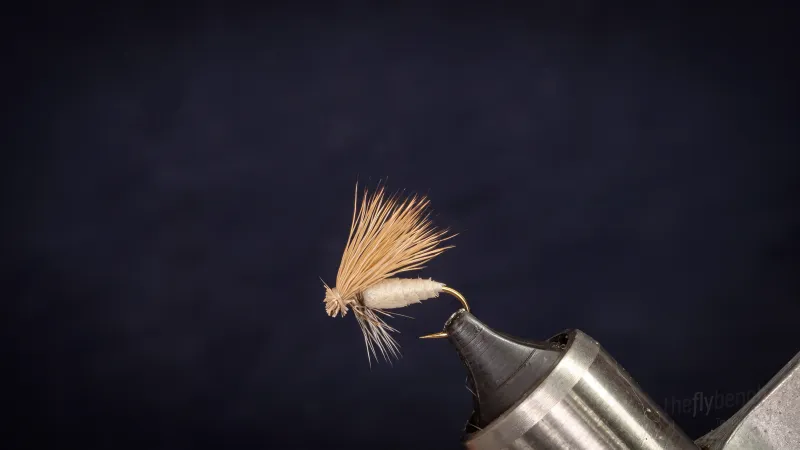
Overview
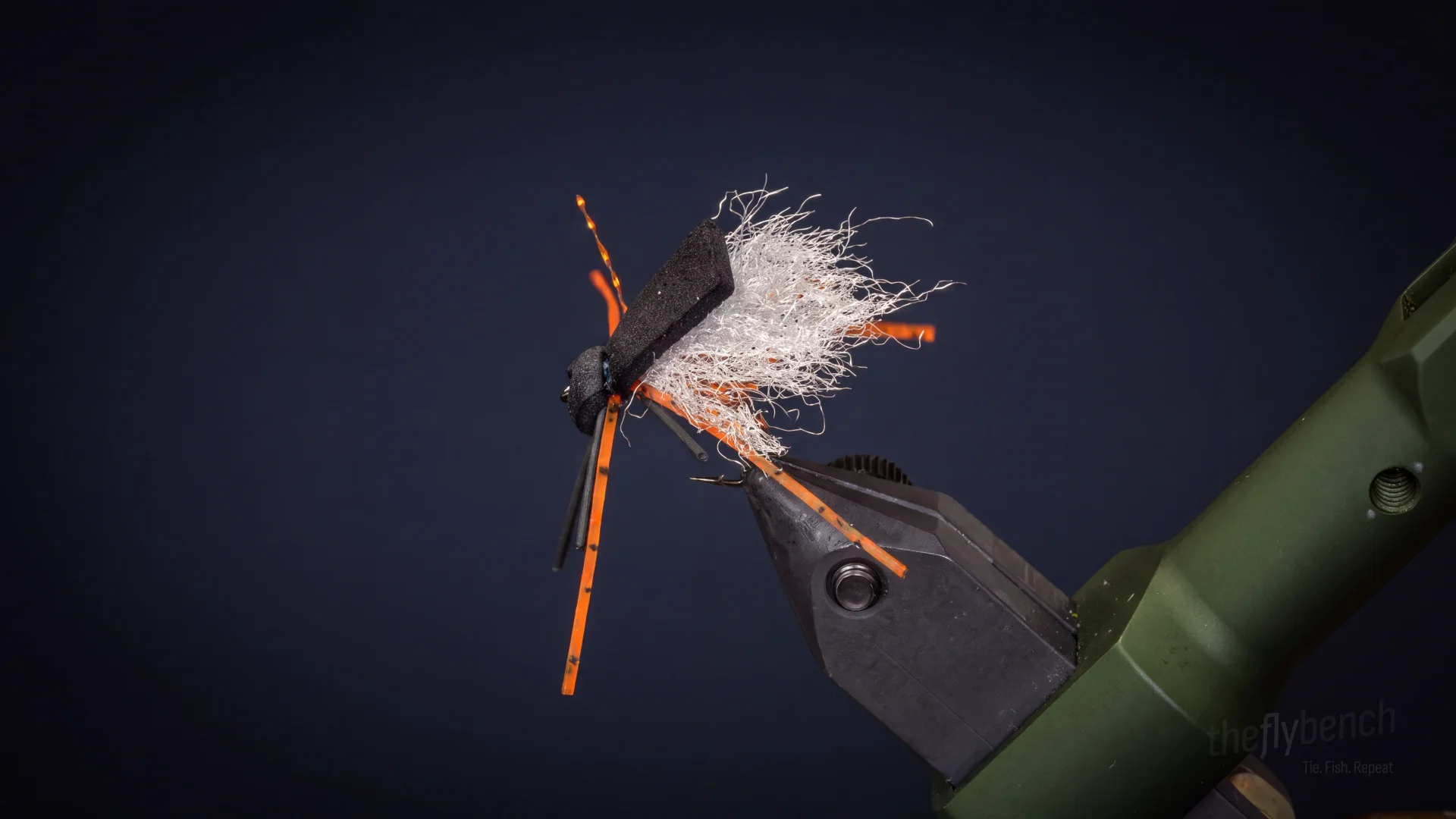
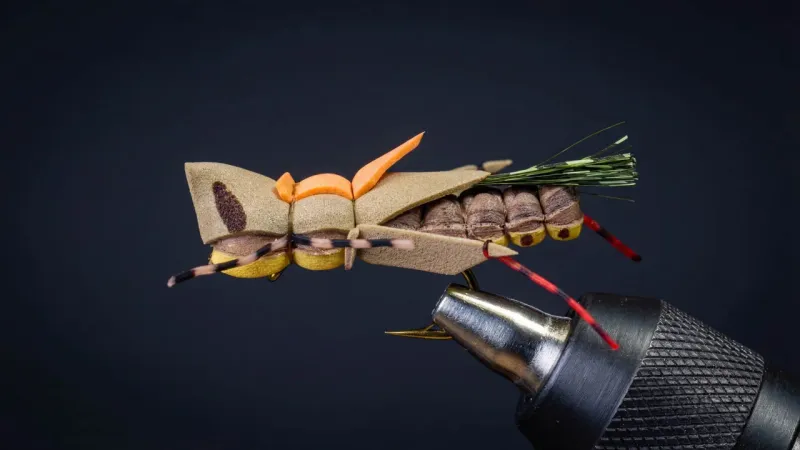
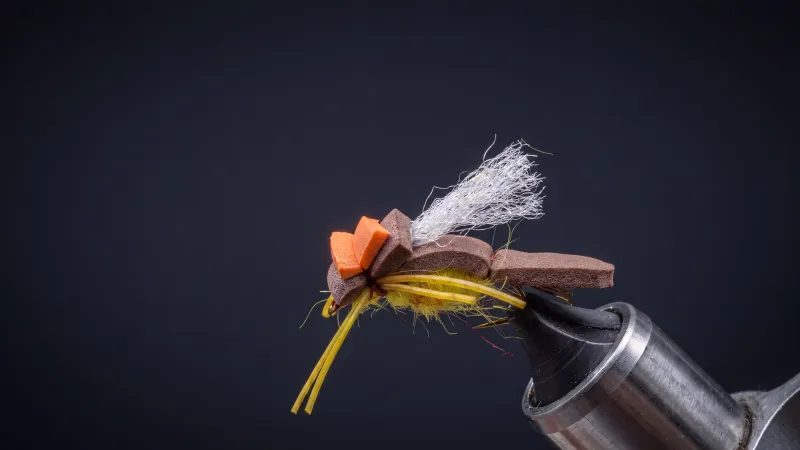
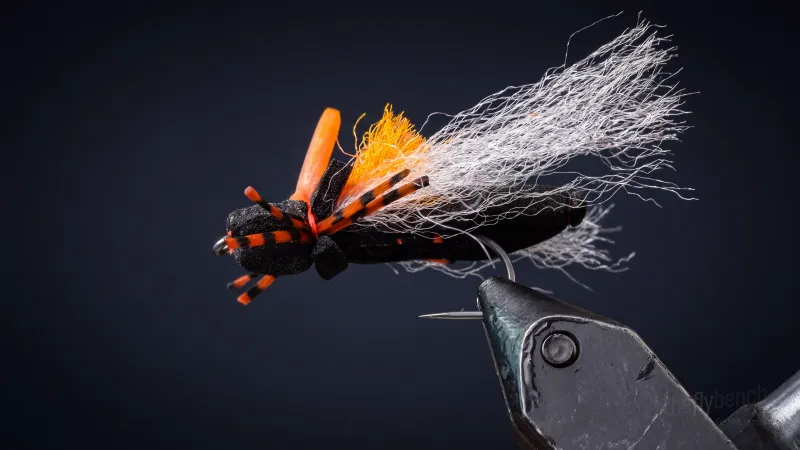
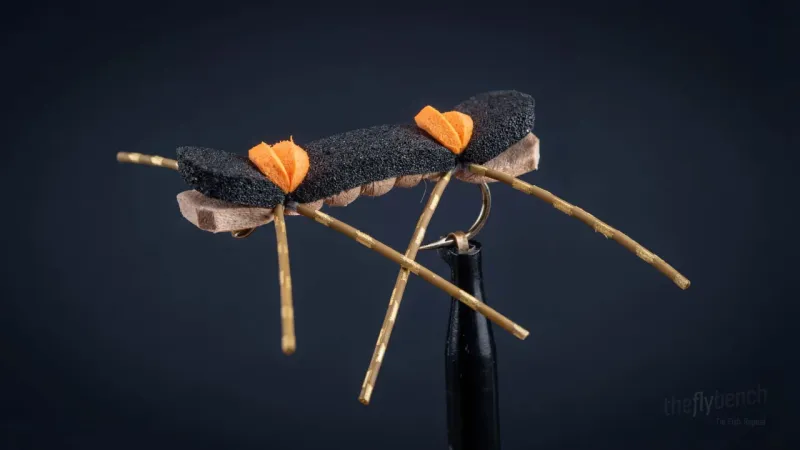
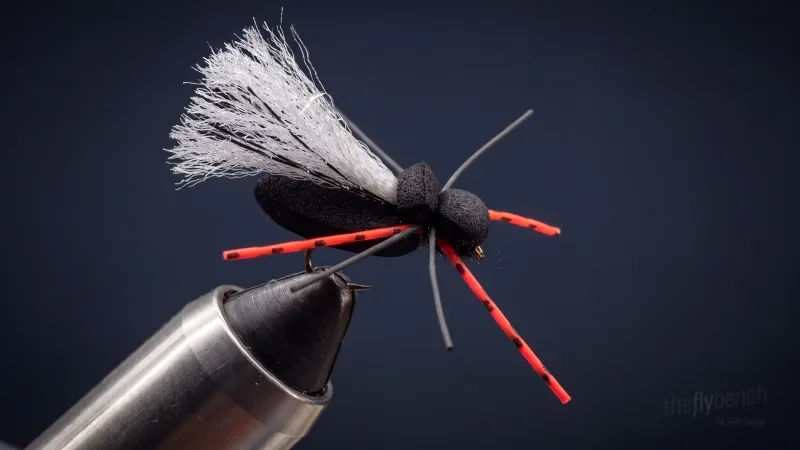
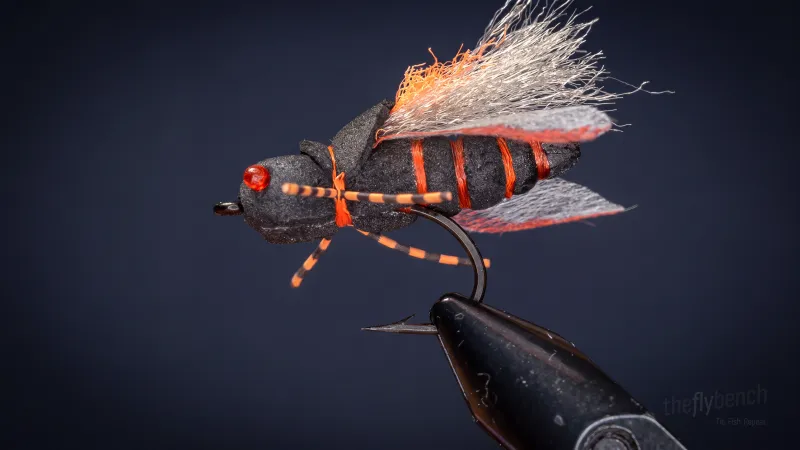
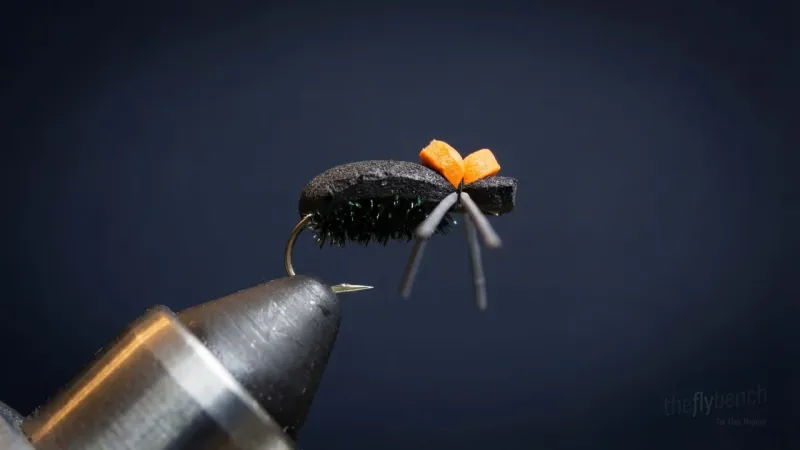
Kyle tied the Fat Head Cicada for AvidMax in 2026 on a short-shank Umpqua XT050 hook. A single strip of black foam is tied down over the dubbed body and folded back to make the wide head, so the fly floats high without stacked layers. The copper dubbing shows through under the foam, the white wing helps you track it, and it floats well enough to carry a small nymph dropper. AvidMax also suggests it for carp on flats when cicadas are falling.
Related patterns
Behavior & presentation
- Natural Behavior
- Cicadas are poor fliers that drop or get blown off branches onto the water, then lie flat and buzz their wings in the film, unable to climb back out.
- Where Trout Eat It
- Trout and carp sit under shade trees and along brushy shorelines during a cicada fall, picking off insects that land within a few feet of the bank.
- How to Fish It
- Cast tight to the overhanging trees or grass so the fly lands with a loud splat, let it rest a few seconds, then give it one short twitch before letting it drift.
- Best Water
- Undercut banks below cottonwoods, eddies along cliff walls, grassy edges, and shallow lake flats beneath leaning trees where fallen bugs collect.
- Strike Type
- A heavy, unhurried gulp as the fish rolls up under the foam head; count a beat before lifting the rod so the fish can close on the fly.
Fishing strategy
- Rigging Suggestions
- Use a 7.5 to 9 foot leader to 2X or 3X tippet to turn over the bulky foam and handle fish near wood. Hang a small beadhead nymph 18 to 30 inches off the bend when fish are refusing the surface.
- Seasonal Timing
- Summer, when annual or periodical cicadas are emerging and droning in streamside trees; hot afternoons with a breeze off the bank are best.
- Pro Tips
- Keep the presentation close to cover and make several casts to the same tree line rather than long drifts in open water. On carp flats, set it ahead of a cruising fish and leave it still until the fish tips up to it.
Entomology
Adult cicadas fly clumsily and often fall from trees and brush onto the water, where they struggle and vibrate in the surface film. Their size and the commotion they make draw trout and carp up to an easy meal.
- Order
- Hemiptera
- Family
- Cicadidae
- Common name
- Cicada
- Organism
- terrestrial
- Life stage
- adult
Pattern details
- Moving Water
- Stillwater
- Rocky Mountain
- dead-drift
- hopper-season
- modern
- dry-dropper