Overview
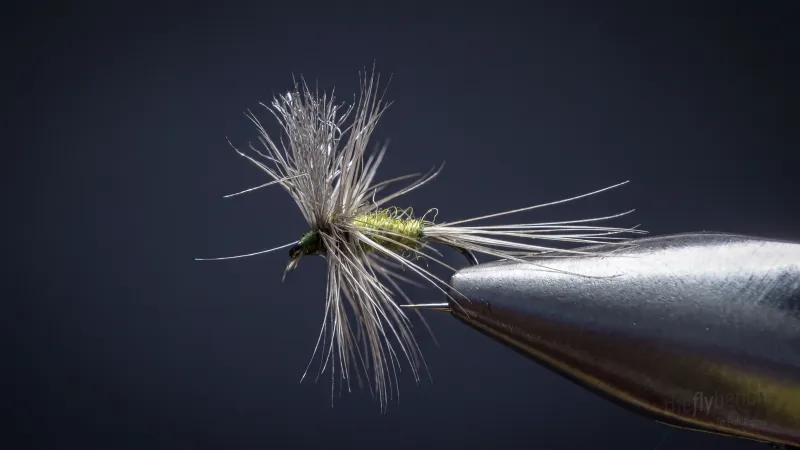
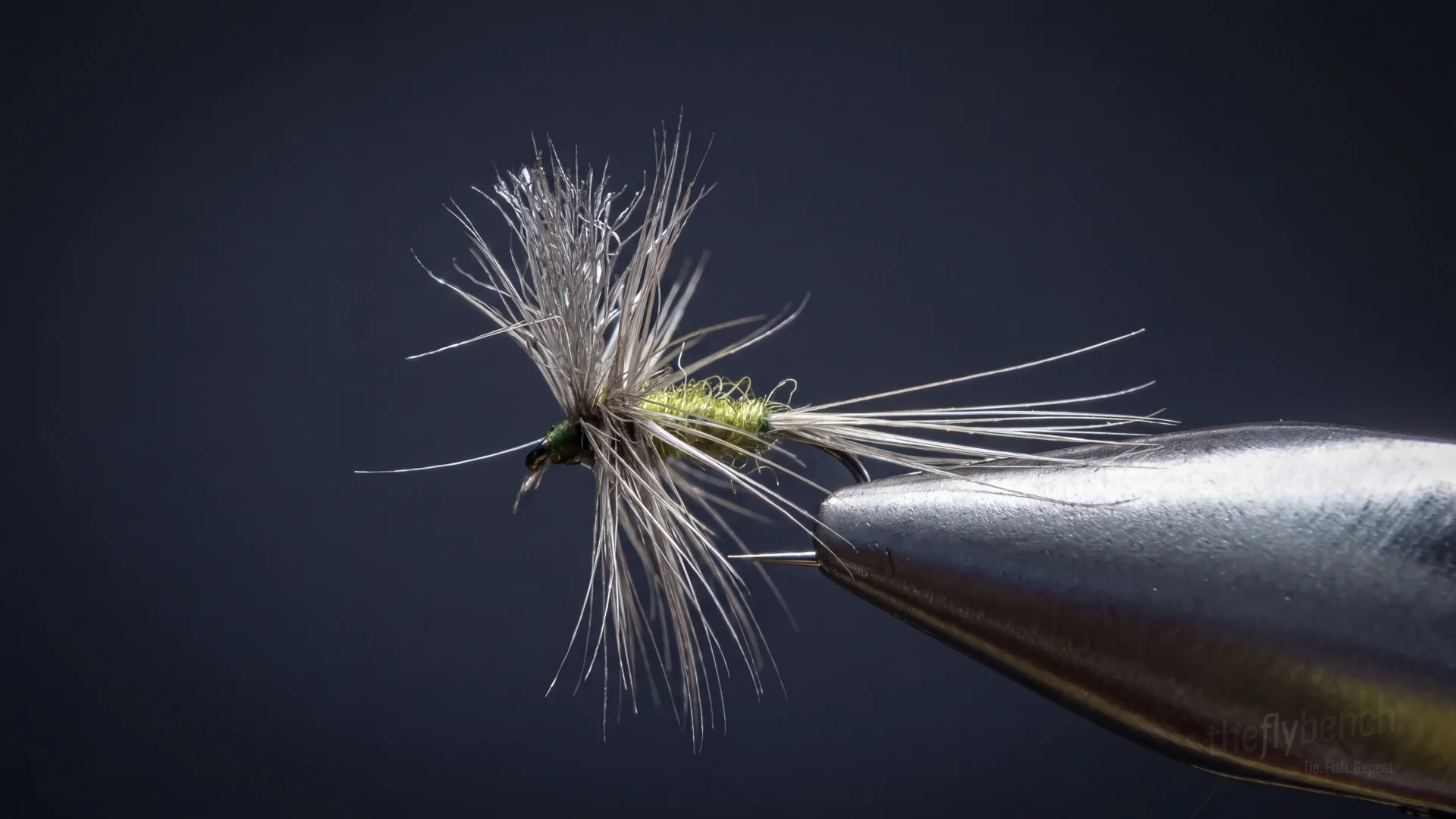
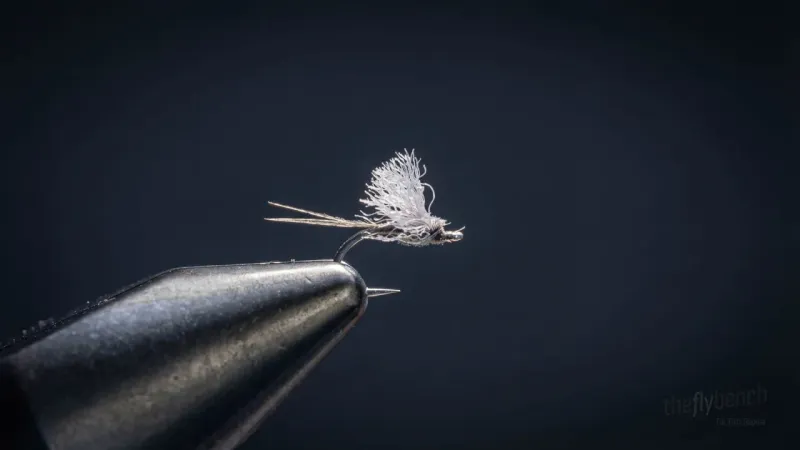
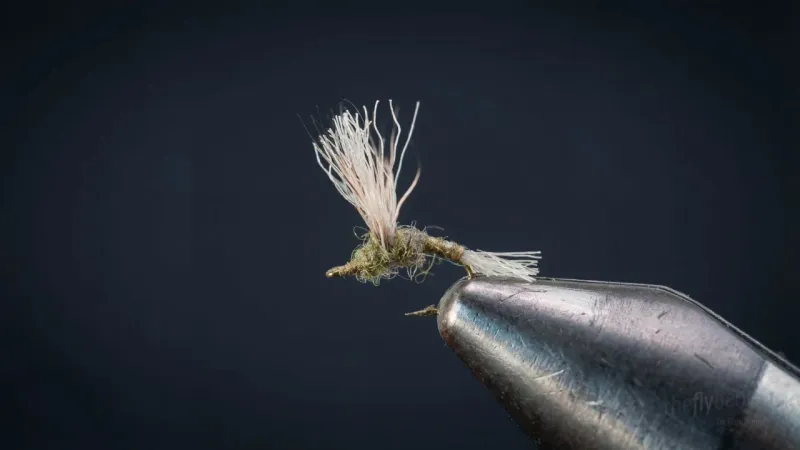
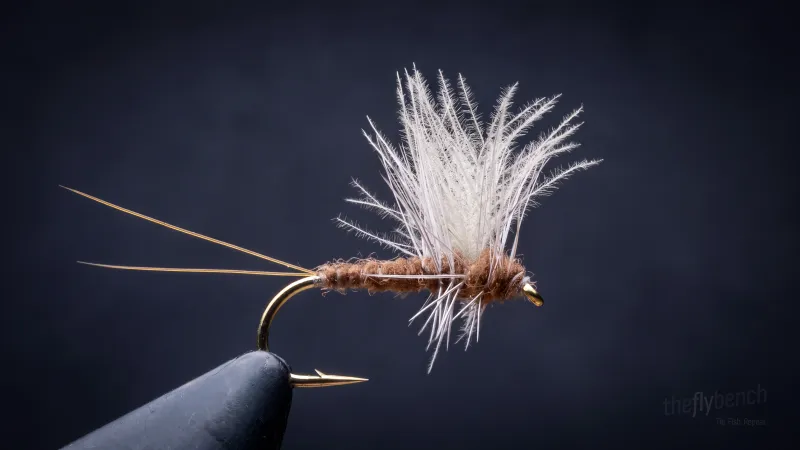
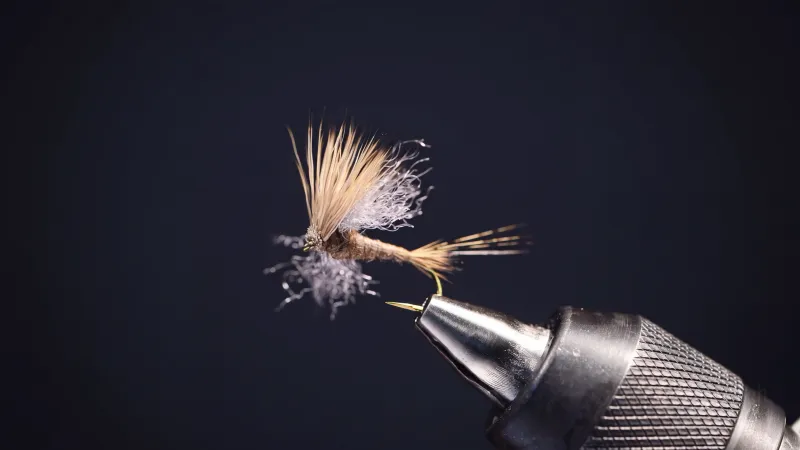
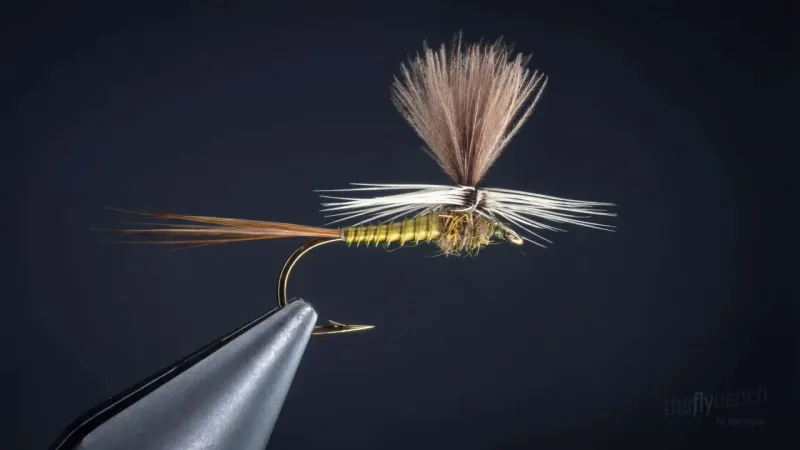
This easy version swaps hackle-tip or duck-quill wings for a clump of Z-lon yarn, which is quicker to tie in small sizes and stands up well. Savage Flies tied it to match the small olives on Penns Creek in Pennsylvania, and Smitty's Fly Box includes it in a beginner tying box. Olive or light brown olive dubbing lets you match local bugs.
Related patterns

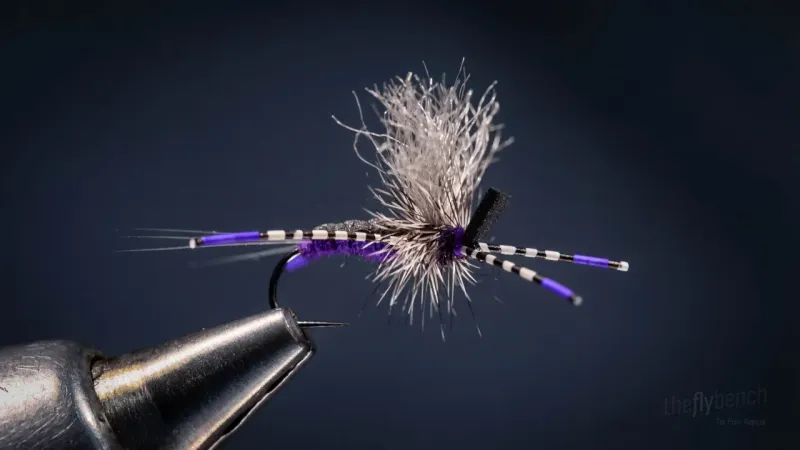
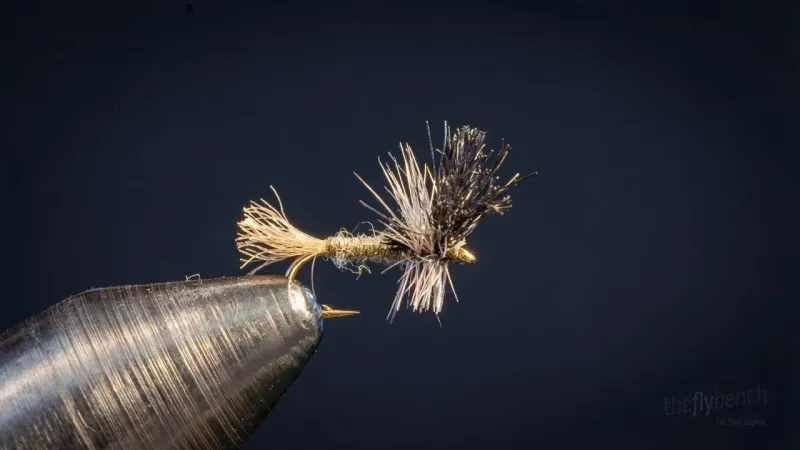
Behavior & presentation
- Natural Behavior
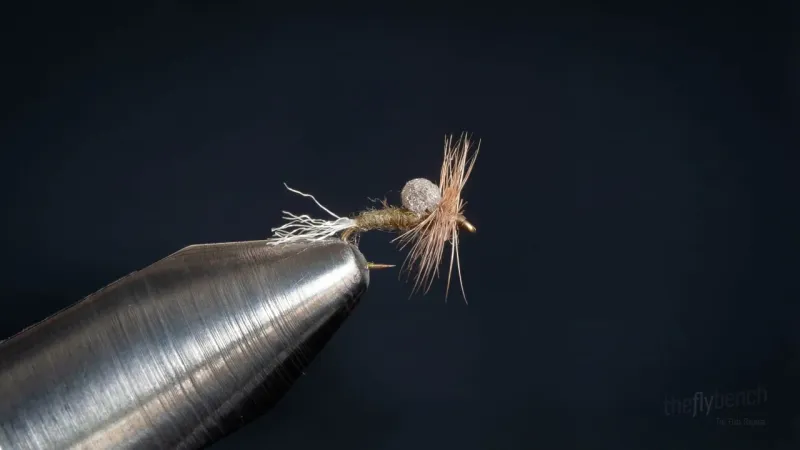
- Freshly hatched Baetis duns ride the surface with gray wings upright, often drifting a long way on cool, damp days before they can lift off.
- Where Trout Eat It
- Trout hold just under the surface in slow to moderate current and pick off the small duns as the hatch funnels them into narrow feeding lanes.
- How to Fish It
- Cast slightly upstream of a rising fish and let the fly float drag-free with the collar hackle riding on the surface, using reach casts and mends to keep slack in the leader.
- Best Water
- Foam lines, the soft edge of a seam below a riffle, flat glides above a tail-out, and slicks behind boulders where duns collect.
- Strike Type
- A quiet sip or small dimple as the fly disappears; wait a beat before lifting so the trout can close its mouth on such a small hook.
Fishing strategy
- Rigging Suggestions
- Fish a 9-12 foot leader to 5X or 6X tippet and treat the hackle and wing with floatant. In low light, trail it 18 inches behind a larger, more visible dry so you can track it.
- Seasonal Timing
- Best from March into May and again from September through November, with the heaviest hatches on overcast, drizzly afternoons. Small olives also hatch on mild winter days on tailwaters.
- Pro Tips
- Match the size before the color; when fish refuse a #18, drop to a #20 or #22. Trim the hackle flat on the bottom if fish are hitting low-riding duns or cripples.
Entomology
- Order
- Ephemeroptera
- Family
- Baetidae
- Common name
- Blue-Winged Olive
- Organism
- insect
- Life stage
- dun
Pattern details
- Moving Water
- Northeast
- dead-drift
- baetis-hatch
- beginner-friendly
- freestone
- tailwater
- low-clear-water