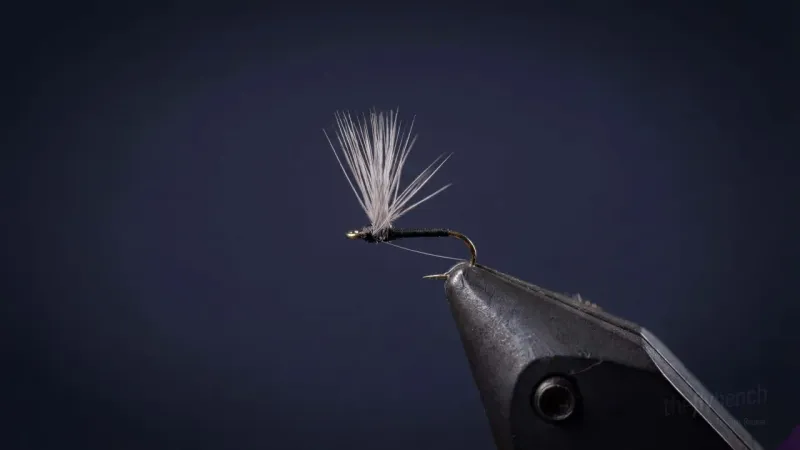
NymphMicro Mayfly
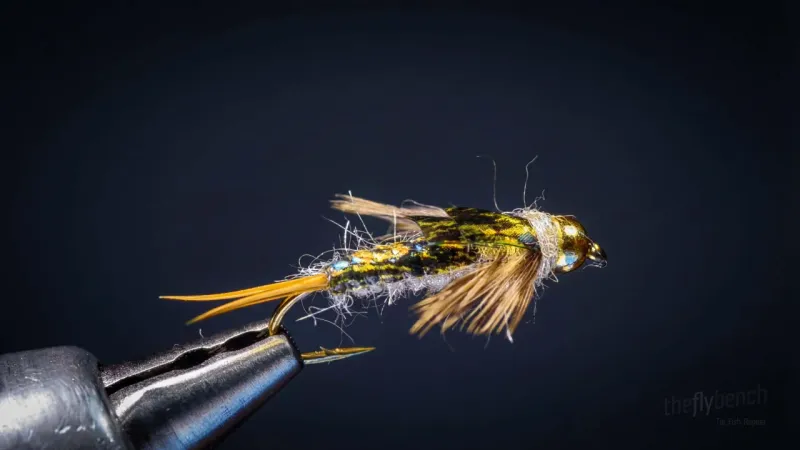
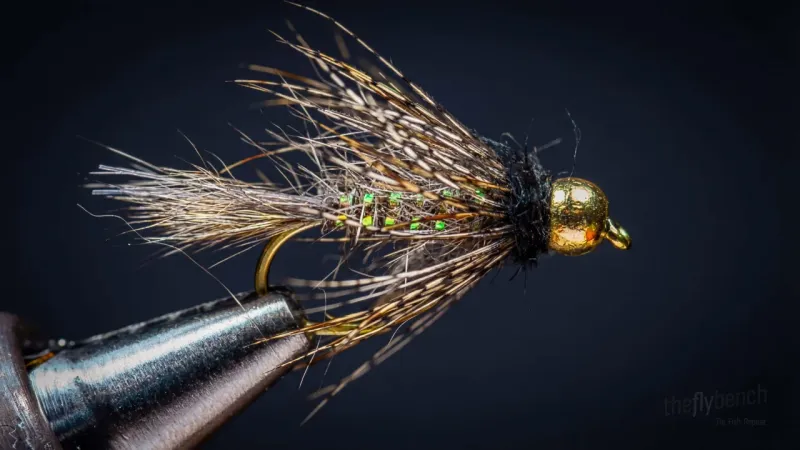
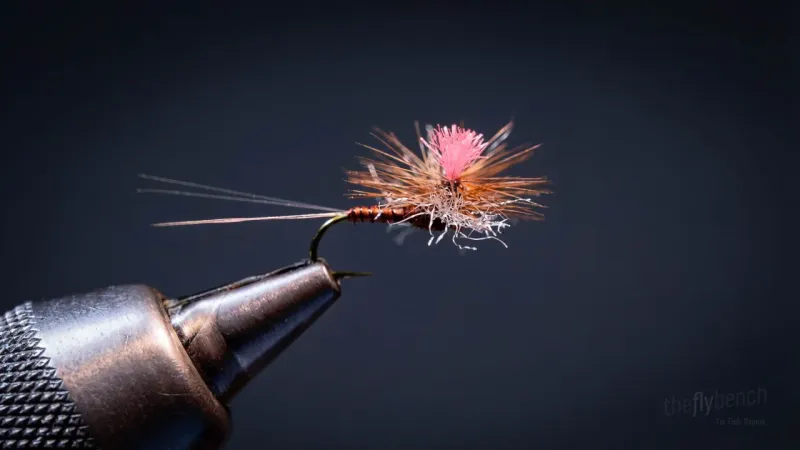
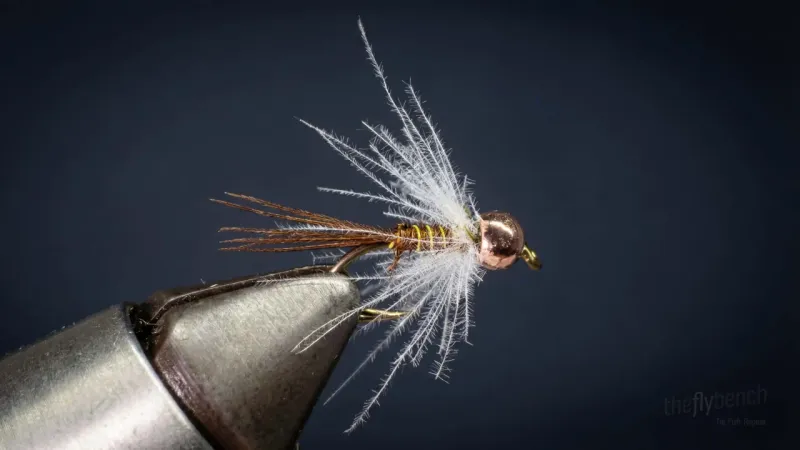
The Micro Mayfly is a small, highly realistic nymph pattern that imitates mayfly nymphs. Its accurate profile and subtle coloration make it a go-to pattern when trout are selectively feeding on mayflies.
Spring, Summer, Fall
Intermediate
Trout
Apr 2025
Overview
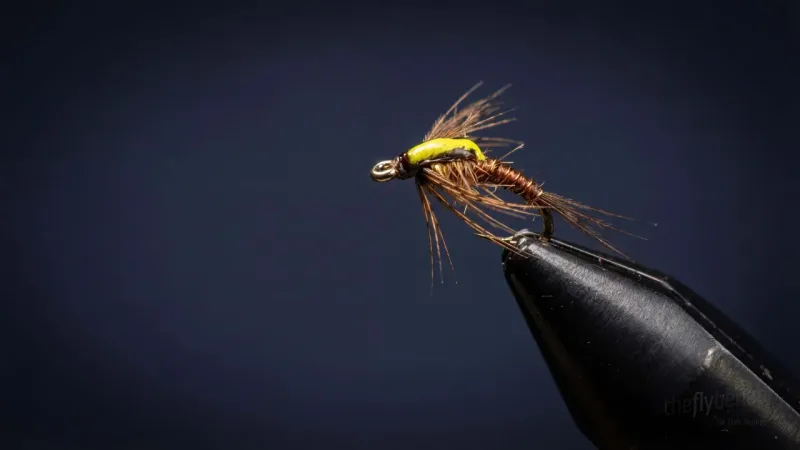
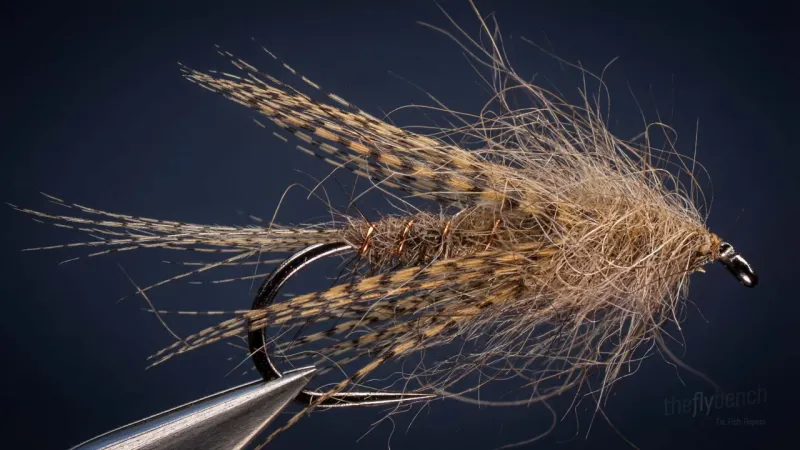
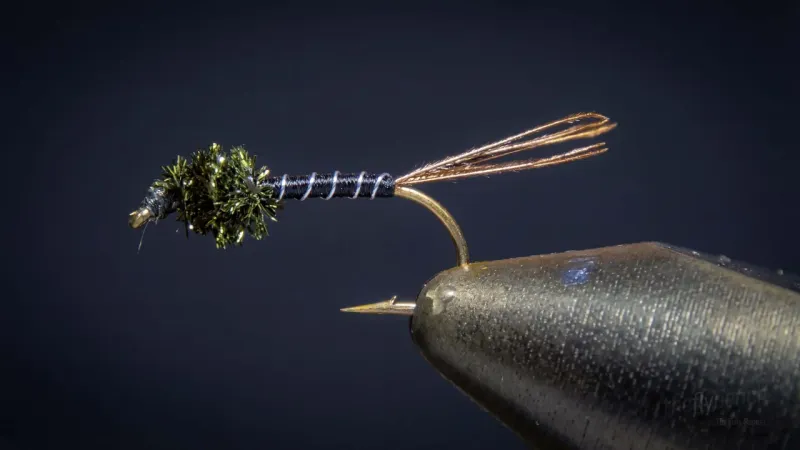
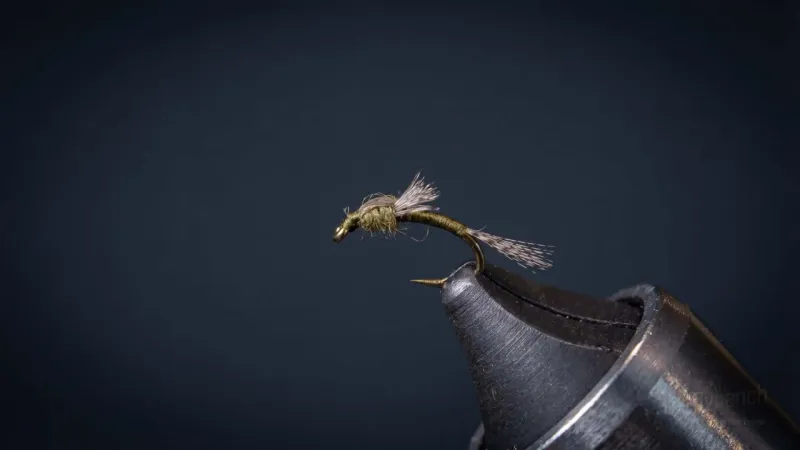
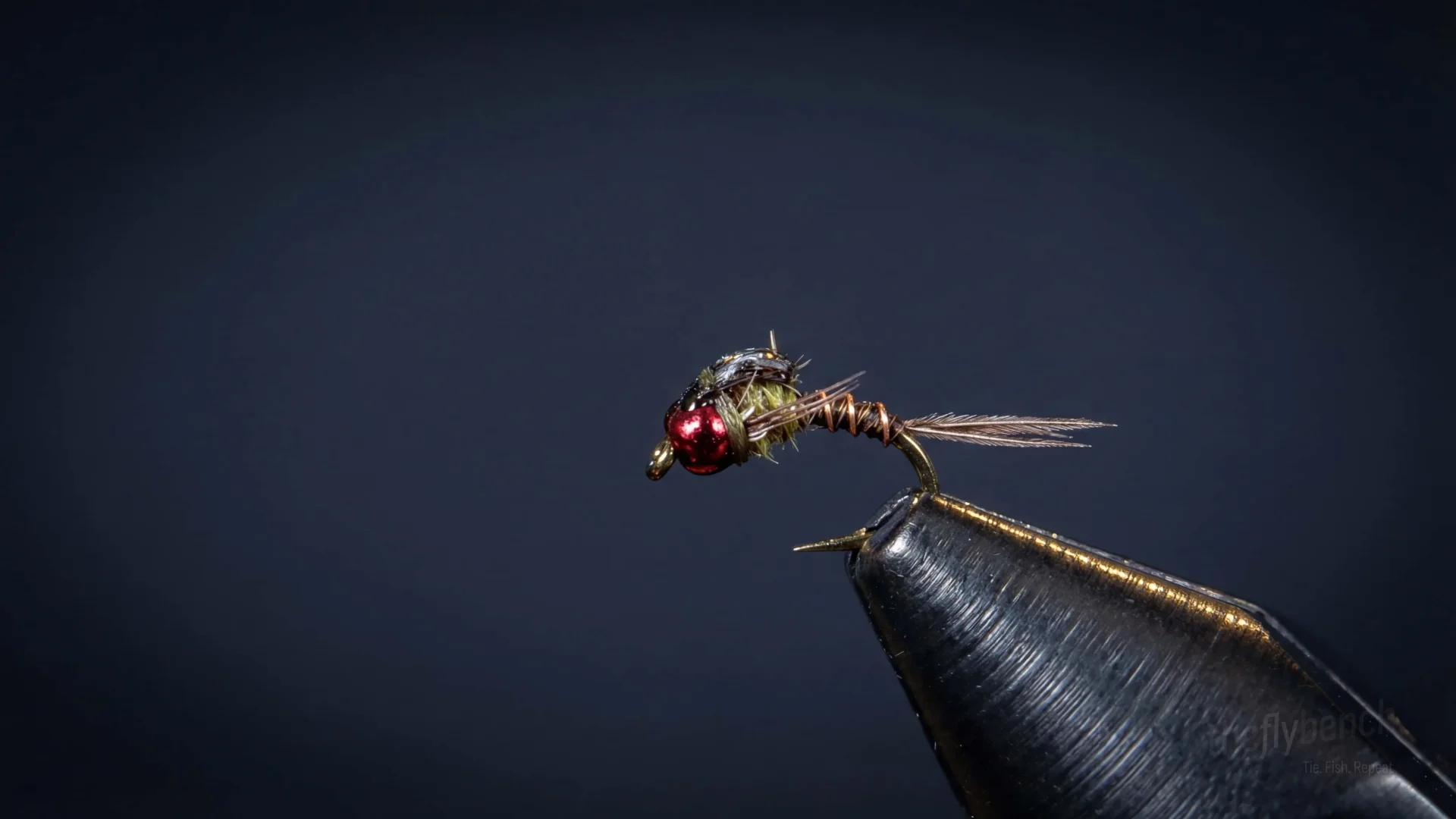
A tiny, realistic mayfly nymph imitation tied with slim dubbing, fine wire ribbing, and Coq de Leon or hackle fiber tails. Often includes a resin-coated wingcase for durability and a natural sheen. Ideal on small hooks (#18–#22) for technical waters.
Where to Buy This Fly
We only link to fly shops we trust. Some links are referral links, which may earn us a commission at no extra cost to you.
Materials
- Hook:
- Daiichi 1130
- Thread:
- Veevus 16/0 Olive Dun
- Bead:
- MFC Lucent Tungsten Blood Red
- Ribbing:
- UTC Small Copper Wire
- Tail and Legs:
- Natural Pheasant Tail
- Abdomen:
- Stripped Peacock Herl
- Thorax:
- Superfine Dubbing Olive
- Flashback:
- Pearlescent Tinsel Medium
- Backing:
- Turkey Tail Feather
- Head Cement:
- Solarez Thick
Behavior & Presentation
Natural Behavior: Tiny mayfly duns emerge during the warmer months, floating delicately on the surface film with wings held upright. These diminutive insects drift naturally with surface currents, providing extended feeding opportunities for selective trout.
Where Trout Eat It: Surface film in calm currents where small mayflies are most visible to feeding fish.
How to Fish It: Dead drift with ultra-delicate presentations, using fine tippets to avoid drag on the tiny profile.
Best Water: Target slicks and glides where small insects concentrate, riffle edges where emergence occurs, and tail-outs that trap drifting duns.
Strike Type: Delicate sips with barely visible rings as fish feed selectively on tiny surface prey.
Fishing Strategy
Rigging Suggestions: Can be fished alone or as a dropper behind a larger nymph or dry fly.
Seasonal Timing: Best during May-July emergence windows. Fish morning and evening when hatches occur and water temps are 55-68°F.
Pro Tips: This fly sinks and is designed to be fished subsurface. The natural colors blend well with the underwater environment, making it look like a real mayfly nymph to the fish.
Entomology
Tiny mayfly nymphs drift in massive concentrations through tailwater systems and spring creeks, their diminutive size making them easy prey for trout feeding efficiently on abundant microscopic organisms. Fish sip these minute nymphs selectively during periods of heavy drift, often refusing larger patterns while focused on the super-abundant small mayflies that require minimal energy expenditure to capture.
- Order
- Ephemeroptera
- Common Name
- Mayfly
- Organism Type
- insect
- Life Stage
- nymph