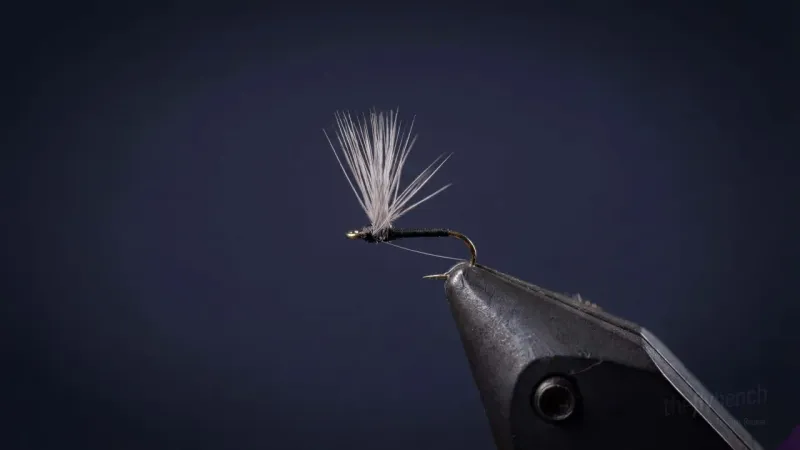
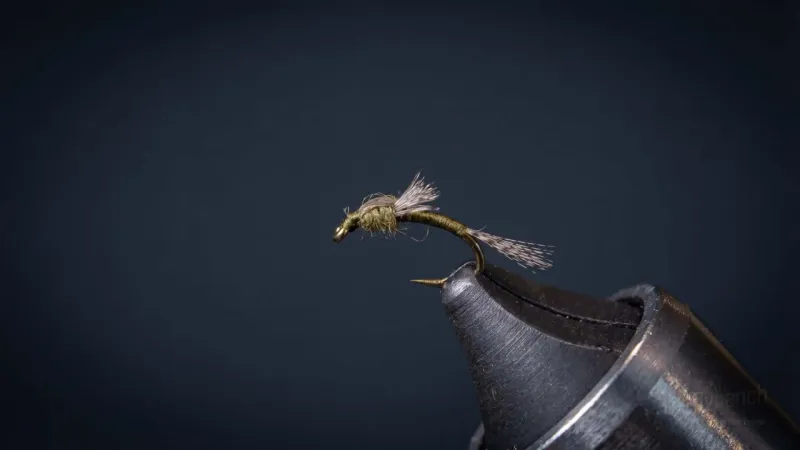
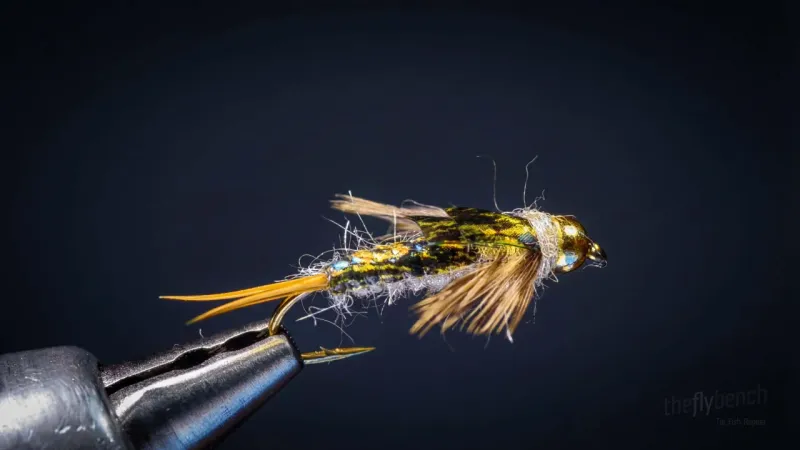
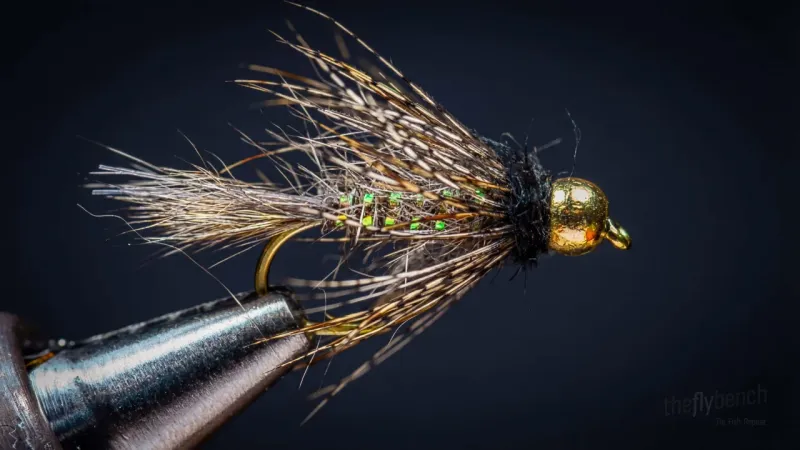
NymphMercury Baetis
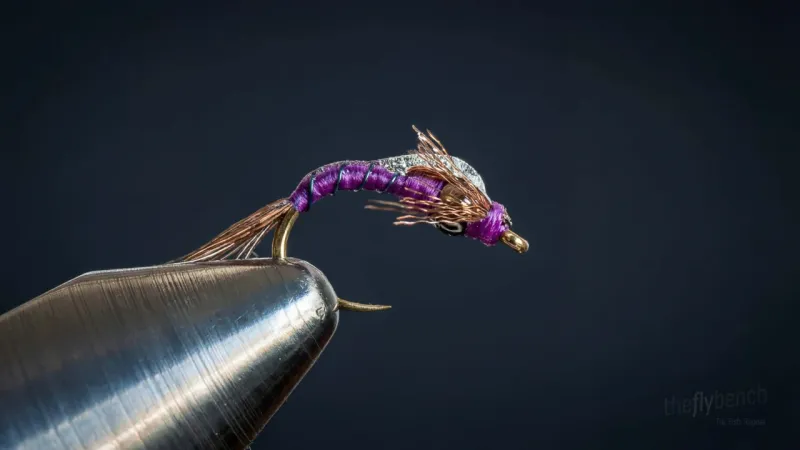
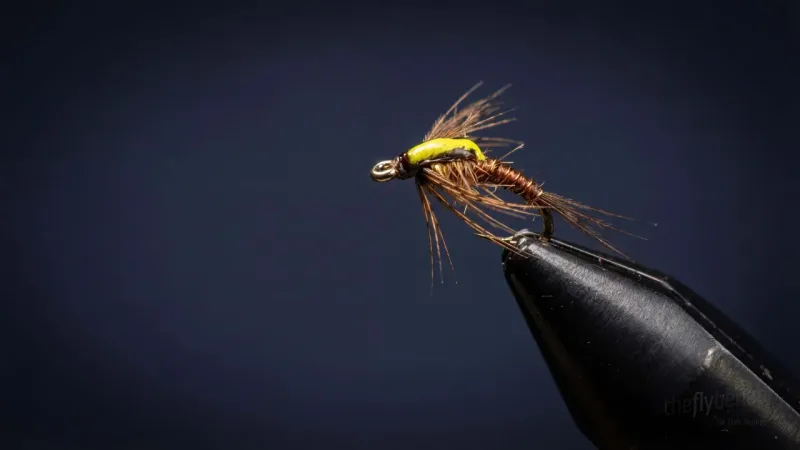
The Mercury Baetis is a versatile nymph that imitates a variety of Baetis (Blue Winged Olive) nymphs. The mercury bead adds flash and weight, making it an excellent choice for fishing deeper pools or faster currents.
Spring, Fall
Intermediate
Trout
Apr 2025
Overview
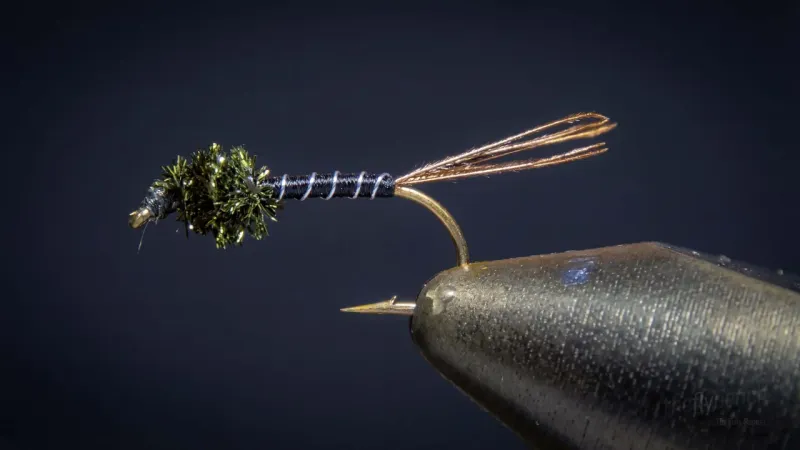
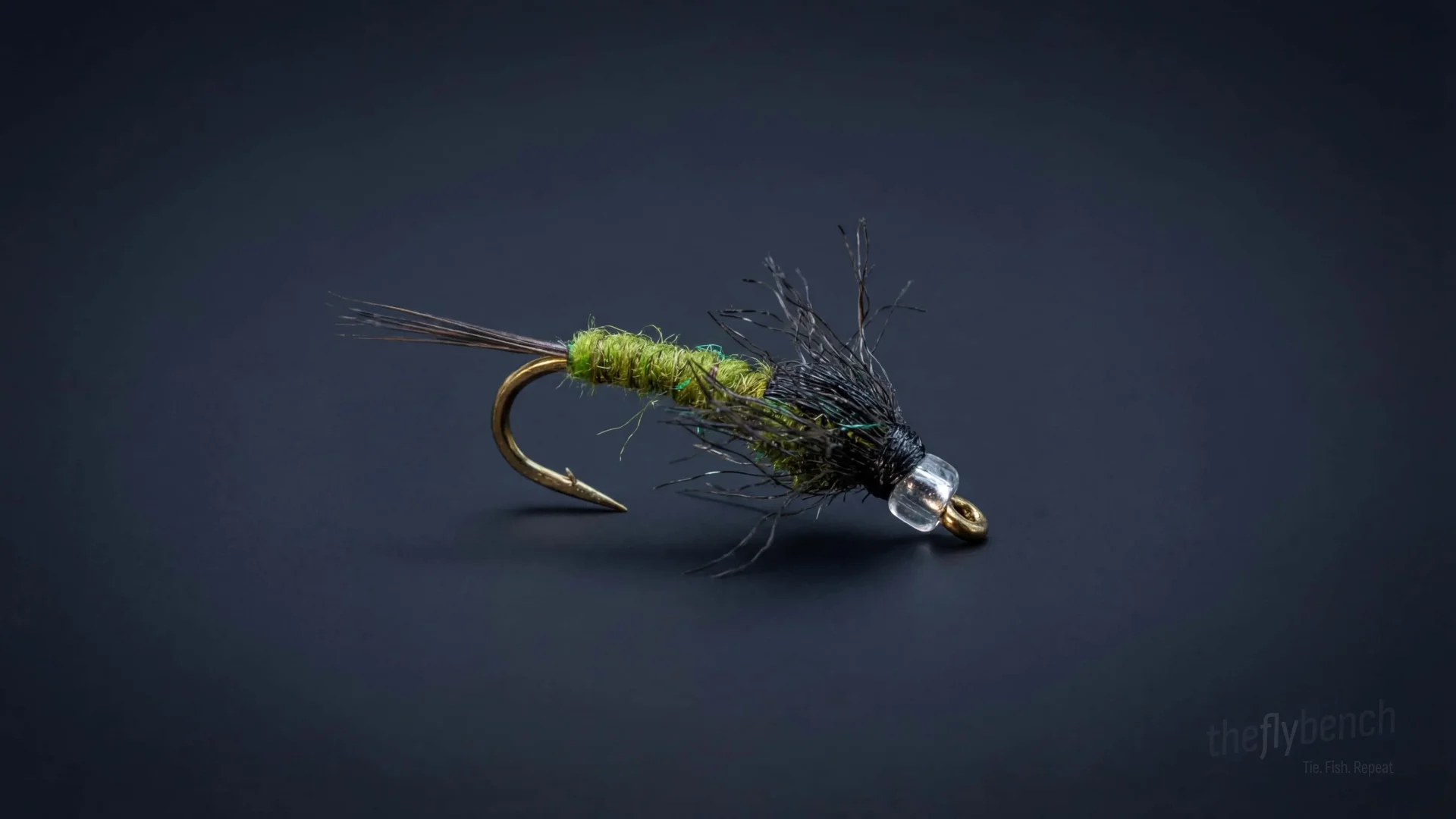
A variation of the Baetis nymph, this fly includes a clear glass bead and slim thread body with fine wire ribbing. Subtle flash and a clean silhouette make it ideal for pressured fish during BWO hatches.
Where to Buy This Fly
We only link to fly shops we trust. Some links are referral links, which may earn us a commission at no extra cost to you.
Materials
- Hook:
- Tiemco 200R (18-22)
- Bead:
- Silver-lined glass bead (extra small)
- Thread:
- Olive UTC 70 Denier
- Tail:
- Black Saddle hackle fibers
- Abdomen:
- BWO Superfine
- Wing case:
- Black Z-lon
- Thorax:
- BWO Superfine
- Legs:
- Black Z-lon
Behavior & Presentation
Natural Behavior: Baetis nymphs inhabit riffles and runs, clinging to substrate while grazing on algae and organic matter. During behavioral drift periods and pre-emergence migrations, nymphs release from substrate and tumble helplessly through the water column, creating predictable feeding opportunities.
Where Trout Eat It: Trout intercept drifting Baetis nymphs in the lower to mid-water column along seams and runs, particularly during winter and early spring drift periods.
How to Fish It: Fish with dead-drift techniques using Euro nymphing or indicator rigs, allowing the weighted fly to bounce naturally along bottom structure.
Best Water: Target seams and runs in tailwaters and spring creeks with moderate flows, focusing on current breaks where drifting nymphs funnel through.
Strike Type: Detect subtle takes through line movement or brief pauses as trout intercept small drifting nymphs.
Fishing Strategy
Rigging Suggestions: Use 9-10 foot leaders with 5X or 6X tippet. Fish as point fly in tandem nymph rig with heavier anchor pattern above, or alone with indicator.
Seasonal Timing: Peak effectiveness during (March-May) and (September-November) Baetis hatches. Most productive on overcast, drizzly days when water temperatures are 45-55°F and mayflies emerge heavily.
Pro Tips: The mercury tungsten bead provides fast sink rate and creates subtle flash that attracts attention in varied water conditions. The slim profile perfectly matches natural Baetis nymphs. Essential pattern for technical tailwater fishing where trout see heavy pressure.
Entomology
Baetis mayfly nymphs inhabit moderate current zones, clinging to rocks and vegetation while filtering diatoms and organic particles with specialized mouthparts. When disturbed or preparing to emerge, they release their grip and drift downstream with their bodies curved and legs tucked, presenting easy targets for trout stationed in feeding lanes.
- Order
- Ephemeroptera
- Family
- Baetidae
- Common Name
- Baetis
- Organism Type
- insect
- Life Stage
- nymph