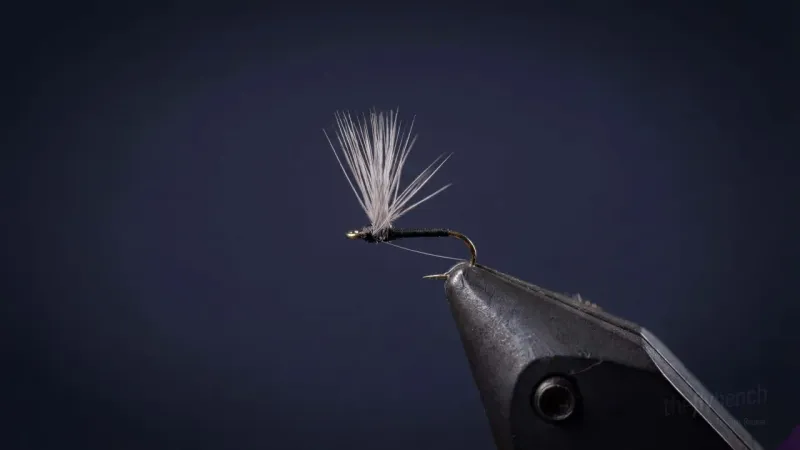
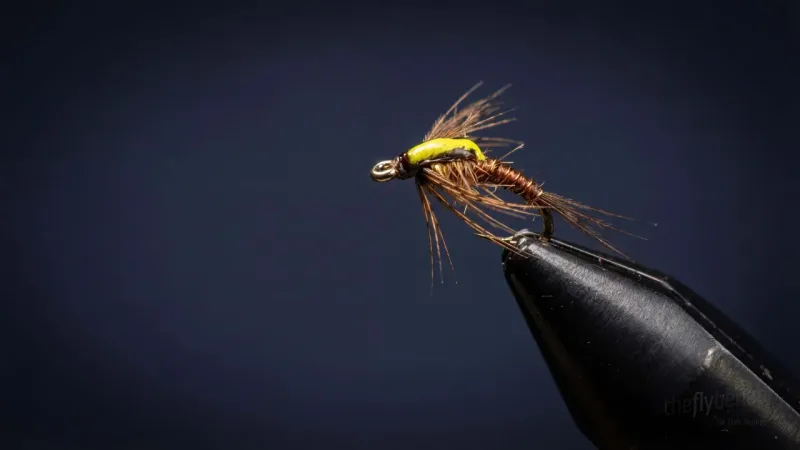
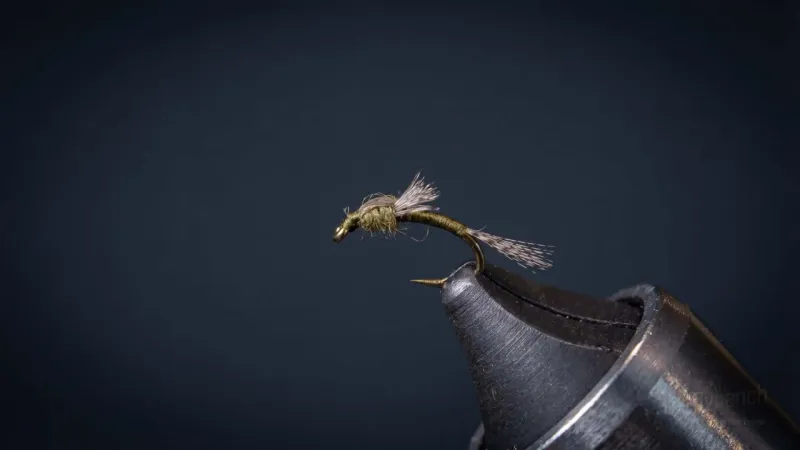
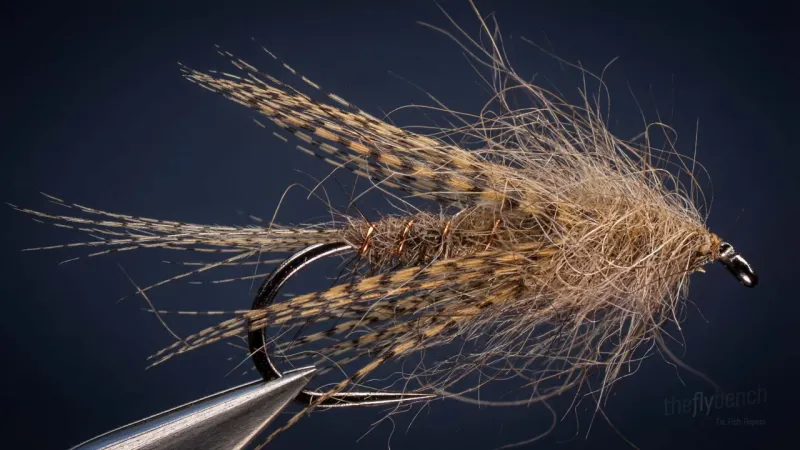
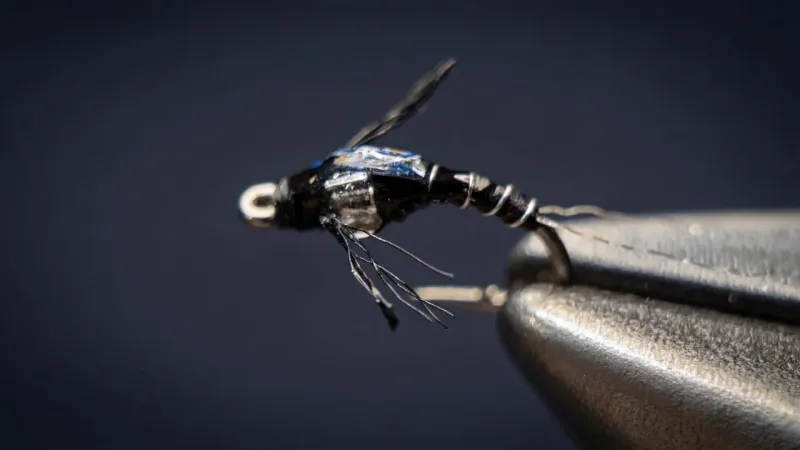
NymphShot Glass Baetis
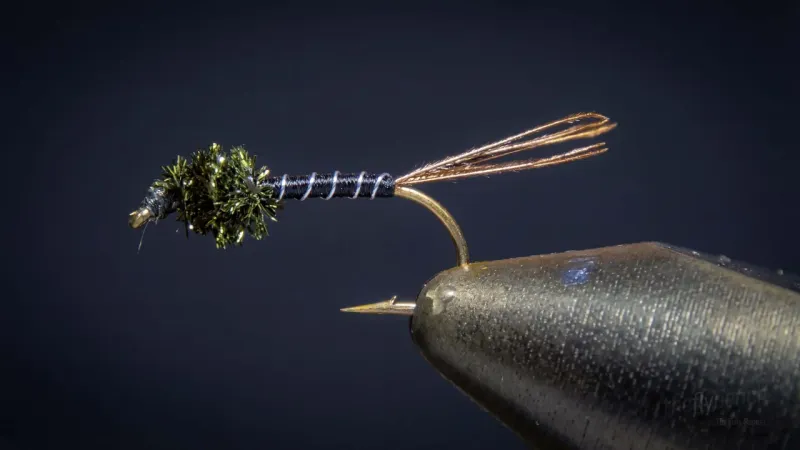
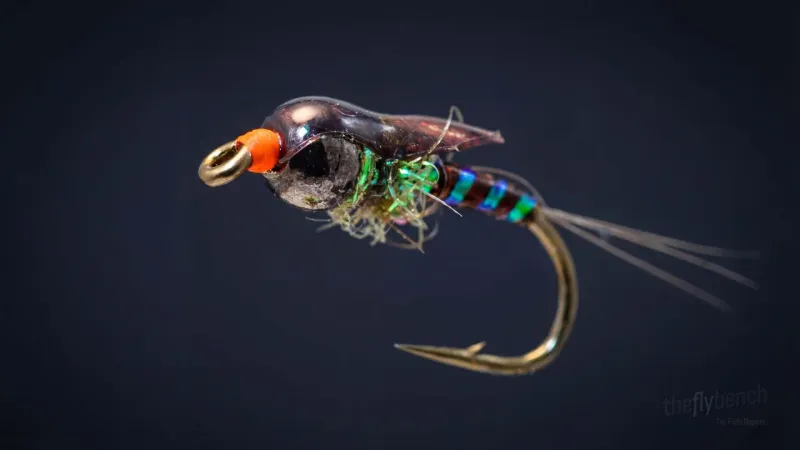
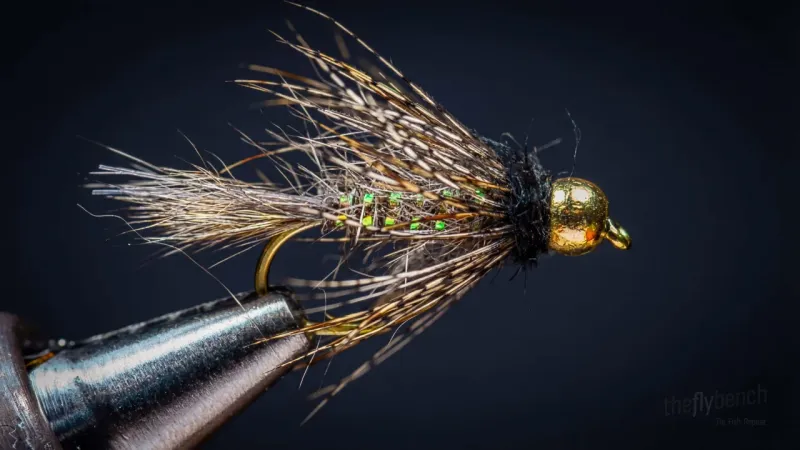
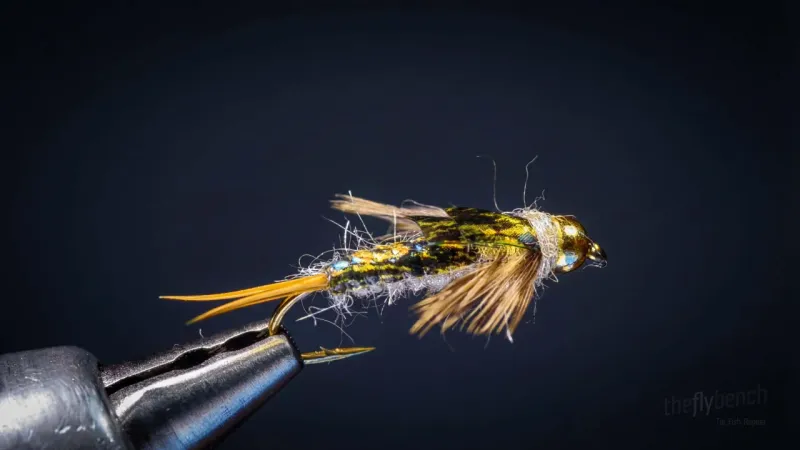
The Shot Glass Baetis is an effective pattern that imitates a baetis nymph, often making it irresistible to feeding trout. Its unique design adds a realistic profile underwater, making it a go-to pattern for matching the hatch.
Spring, Fall
Intermediate
Trout
Apr 2025
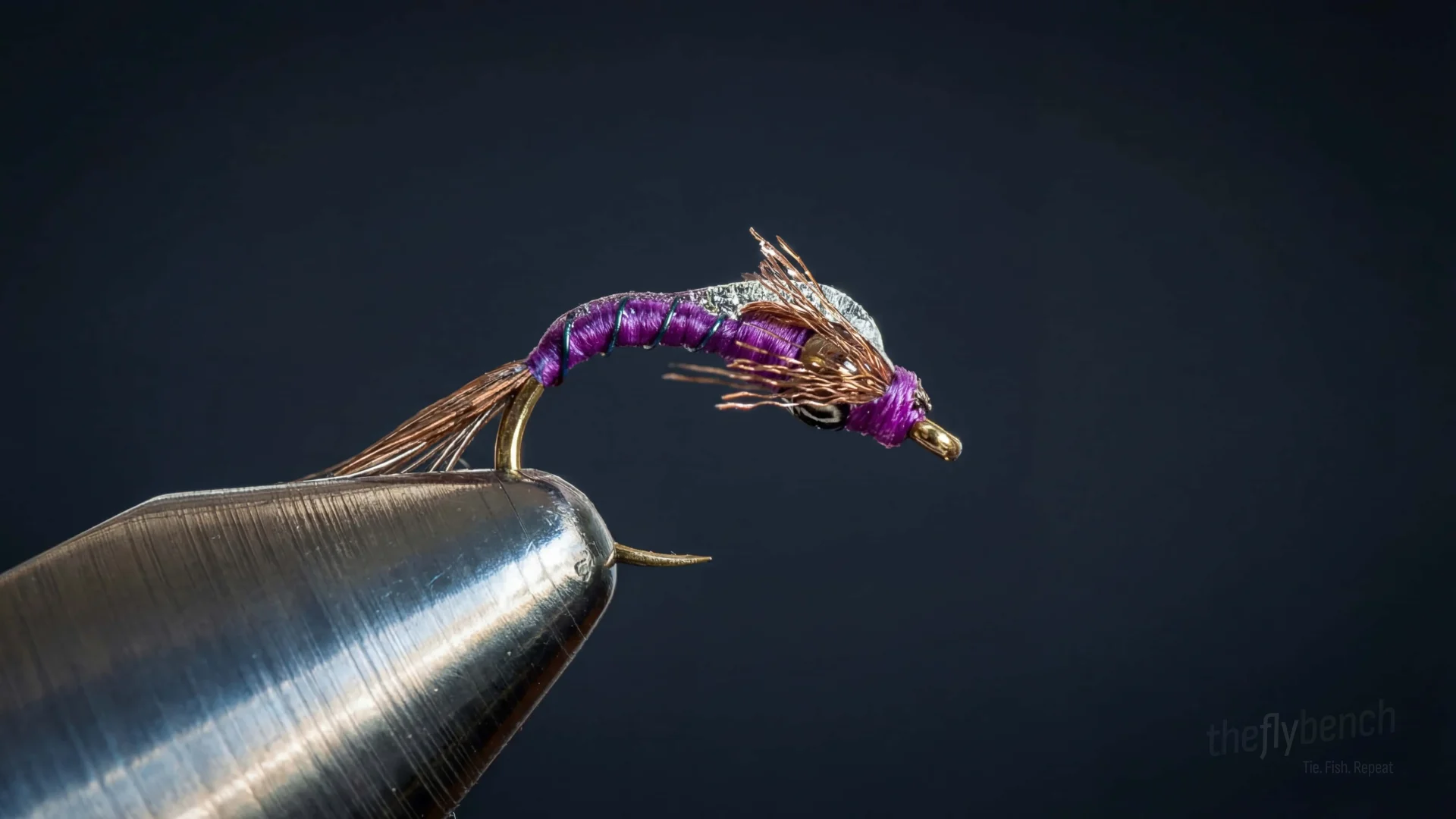
Overview
A micro mayfly imitation tied Euro-style with a slim, dark body, sparse tail, flashy ribbing, and a bright collar hotspot. The oversized tungsten bead (the “shot glass”) helps it sink quickly, ideal for deep riffles during baetis hatches.
Where to Buy This Fly
We only link to fly shops we trust. Some links are referral links, which may earn us a commission at no extra cost to you.
Materials
- Hook:
- #14-18 Tiemco 2499SPBL
- Thread:
- White UTC 70 and Black 14/0 Veevus
- Tail:
- Natural India Hen Back
- Rib:
- Black Superhair
- Thorax:
- Red Small Glass Bead
- Casing1:
- Medium Pearl Flashback
- Casing2:
- White Fluorofibre
- Legs:
- White Fluorofibre
- Glue:
- Thick Loon UV Fly Finish
Behavior & Presentation
Natural Behavior: Baetis nymphs cling to cobblestones in moderate currents, periodically releasing their grip to tumble downstream during behavioral migrations toward emergence sites. Fish hold in specific feeding stations positioned to intercept these drifting nymphs as they tumble helplessly.
Where Trout Eat It: Bottom in runs, riffles, and tail-outs over rocky substrate. Fish hold tight to feeding lanes where current delivers drifting baetis.
How to Fish It: Drift in feeding lanes mimicking natural nymph tumbling in current. The tungsten bead sinks quickly to bottom where fish intercept drifting insects.
Best Water: Runs, pockets, channel swings, and tail-outs where current delivers drifting nymphs. Target seams and riffle edges over cobblestone.
Strike Type: The indicator telegraphs strikes through quick darts, dips, or stuttering movements rather than smooth stops. Euro techniques reveal takes as brief pulses or sudden lightening in the sighter.
Fishing Strategy
Rigging Suggestions: Use a standard nymphing setup, with the Shot Glass Baetis as your point fly.
Seasonal Timing: Best during May-July emergence windows. Fish morning and evening when hatches occur and water temps are 55-68°F.
Pro Tips: The Shot Glass Baetis sinks quickly, thanks to the tungsten bead. It is most visible in clear water conditions.
Entomology
Baetis nymphs cling to cobblestone substrates in moderate to fast currents, periodically releasing their grip to tumble downstream in the drift during behavioral migrations toward emergence sites. Trout hold in feeding stations specifically positioned to capture these drifting nymphs, which represent one of the most consistent year-round food sources in freestone rivers.
- Order
- Ephemeroptera
- Family
- Baetidae
- Common Name
- Baetis
- Organism Type
- insect
- Life Stage
- nymph