Midge / EmergersMedallion Midge
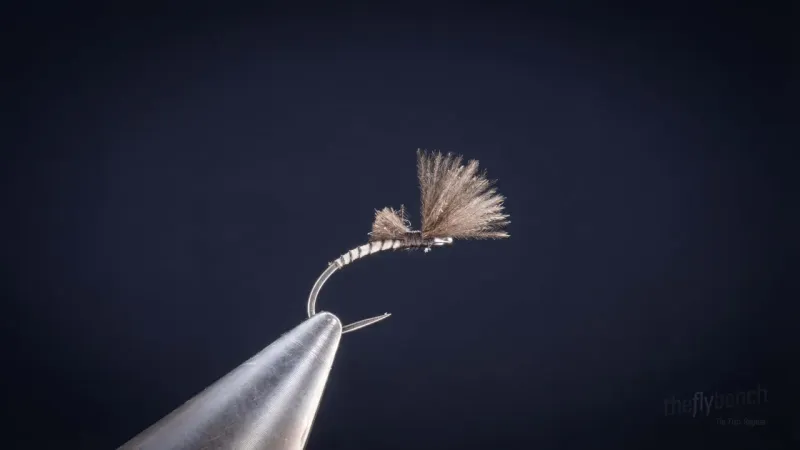
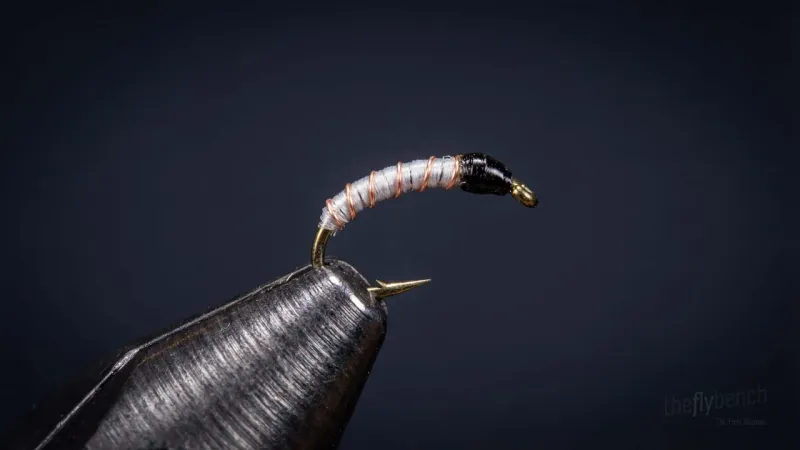
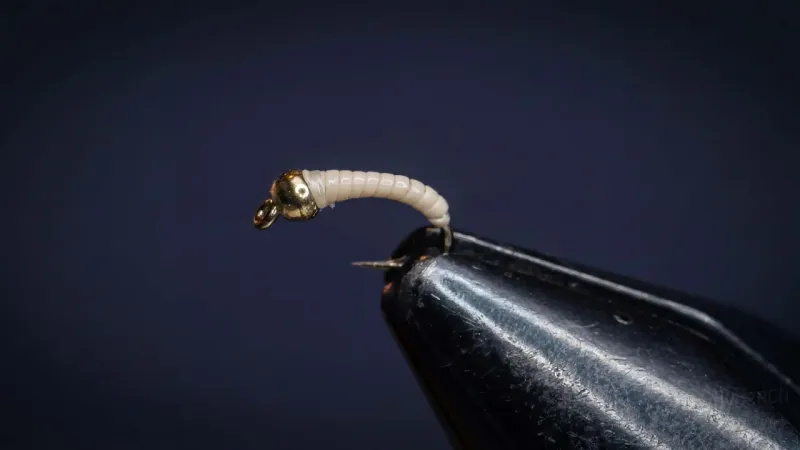
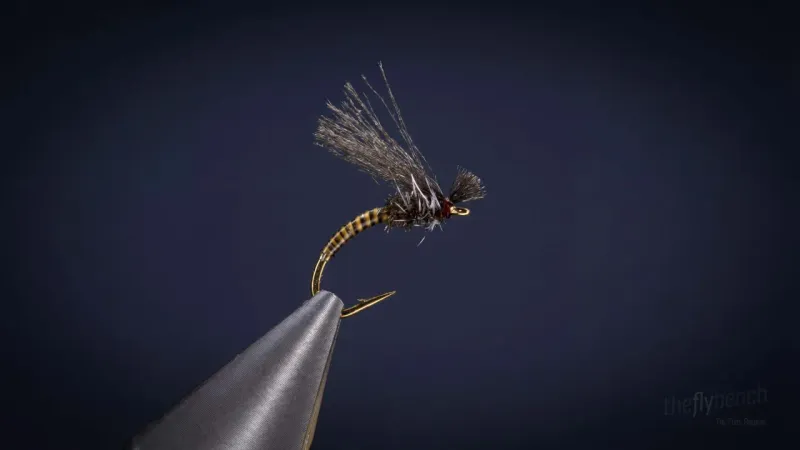
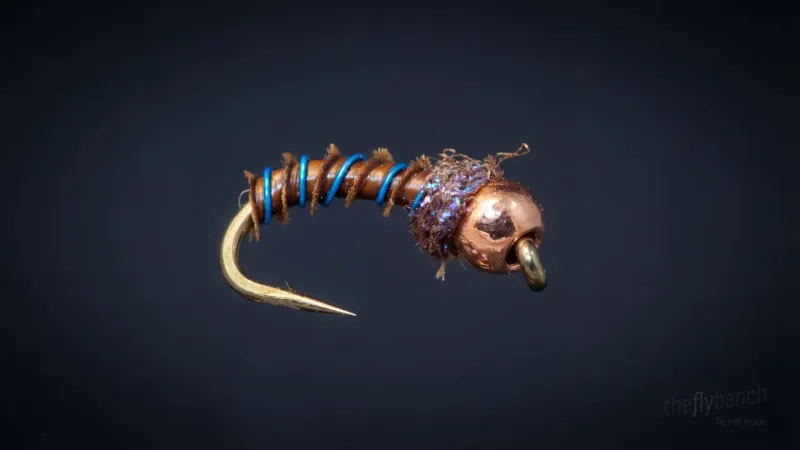
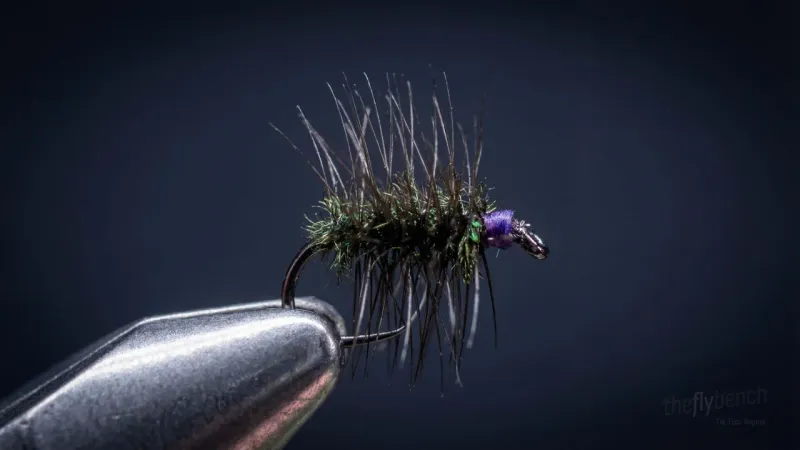
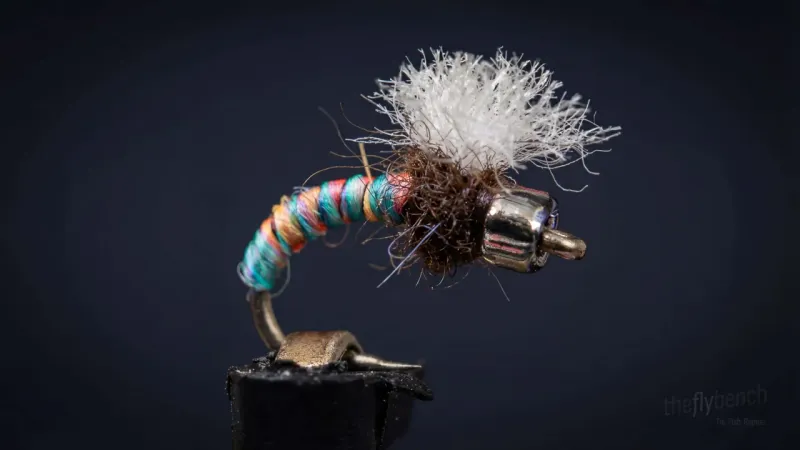
The Medallion Midge is a versatile and effective fly pattern that accurately replicates the natural midge pupa. The translucent medallion sheeting gives this pattern its unique lifelike appearance, making it hard for trout to resist.
Spring, Fall, Winter
Intermediate
Trout
Nov 2025
Overview
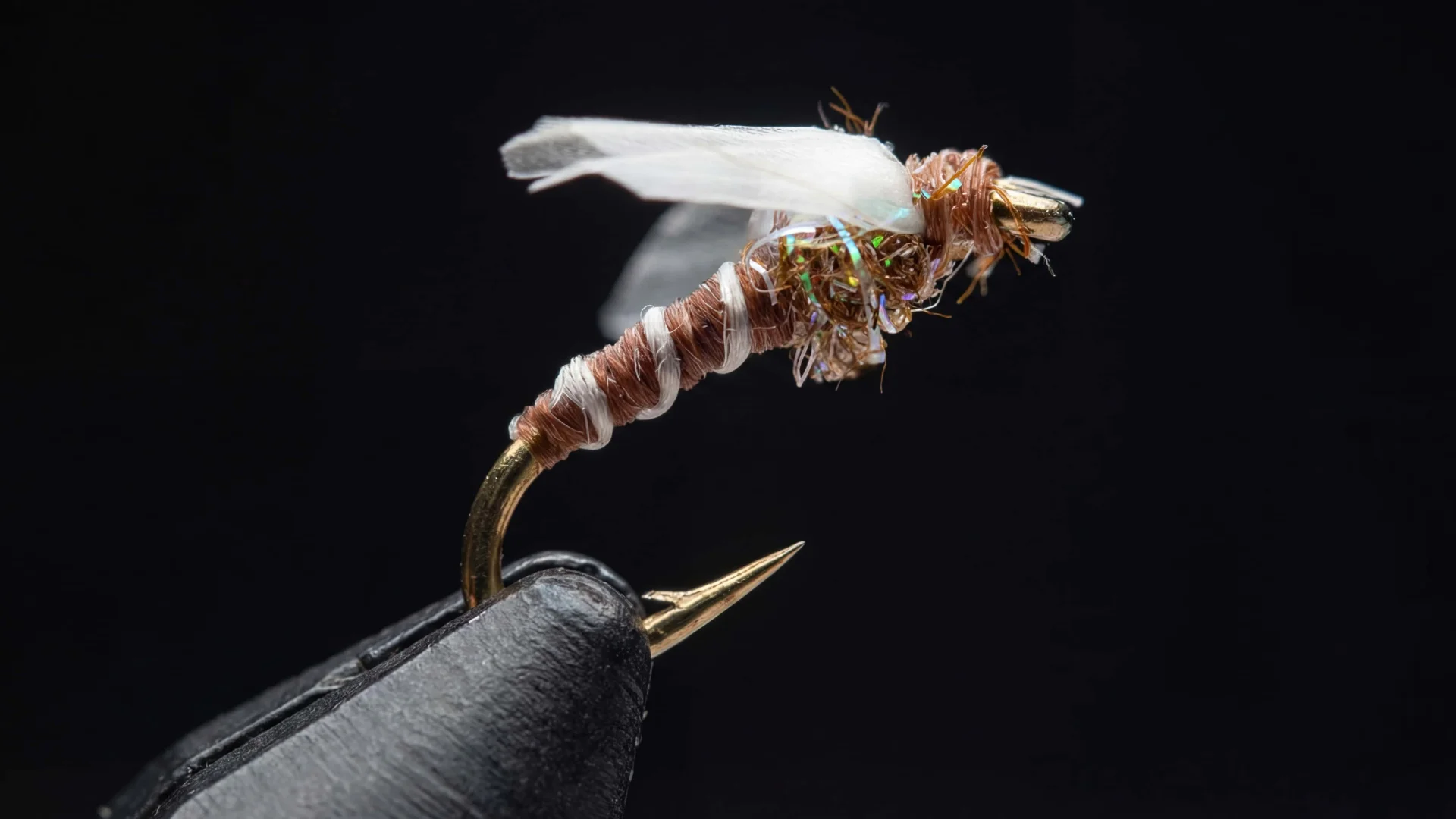
A hyper-realistic midge imitation using Medallion sheeting to create a translucent wingcase or thorax. Usually tied small with a slim profile and segmented thread body, great for technical tailwaters.
Where to Buy This Fly
We only link to fly shops we trust. Some links are referral links, which may earn us a commission at no extra cost to you.
Materials
- Hook:
- Tiemco 101, sizes #18-#22
- Thread:
- Brown UTC 70
- Rib:
- White UNI 6/0
- Thorax:
- Grey Superfine Dubbing
- Wings/Casing:
- Dun Medallion Sheeting
Behavior & Presentation
Natural Behavior: Midge pupae wiggle and pulse upward through the water column, their segmented bodies flexing rhythmically as gas pressure builds within the pupal shuck. Once they reach the surface film, they hang suspended at an angle, trapped by surface tension while their adult form develops inside the translucent casing.
Where Trout Eat It: Excels in gin-clear tailwater pools and spring creek glides where trout inspect offerings. The translucent Medallion sheeting is most visible in smooth shallow water 1-4 feet deep.
How to Fish It: Sight-fish to visible cruisers with slow, deliberate presentations and drag-free drifts. Lead cruising fish by 2-3 feet. Fish mid-column with micro split shot 8 inches above fly.
Best Water: Fish smooth tailwater pools, spring creek flats with visibility over 10 feet, and back eddies where selective trout cruise.
Strike Type: Watch for your indicator to hesitate or dip slightly as the trout inhales the suspended pupa. The take often feels like a gentle tightening rather than a sharp pull, especially when fish are feeding selectively in the film.
Fishing Strategy
Rigging Suggestions: Use 12-16 foot leaders tapered to 6X-7X tippet to avoid spooking wary fish in clear water. Fish it in multi-fly rigs with a heavier nymph as the anchor or under a small, low-profile indicator.
Seasonal Timing: Most effective during (March-May), (September-November), and (December-February) when midges are the primary food source. Prime fishing occurs when water temperatures range from 35-55°F and other insects are absent.
Pro Tips: The fine wire ribbing adds subtle flash that mimics segmentation and the gas bubble in emerging midge pupae—a key trigger for selective feeders. This pattern shines when trout are locked on midges and refusing everything else. Keep terminal tackle minimal to maintain natural drift.
Entomology
Transitioning midge pupae hang motionless in the meniscus, their bodies trapped between nymphal and adult stages as internal transformations complete. This extended vulnerability window allows trout to feed selectively on specific color morphs. The Medallion's distinctive bead and thread body create a precise pupal silhouette, deadly during prolonged emergence periods in clear tailwaters.
- Order
- Diptera
- Family
- Chironomidae
- Common Name
- Midge
- Organism Type
- insect
- Life Stage
- general