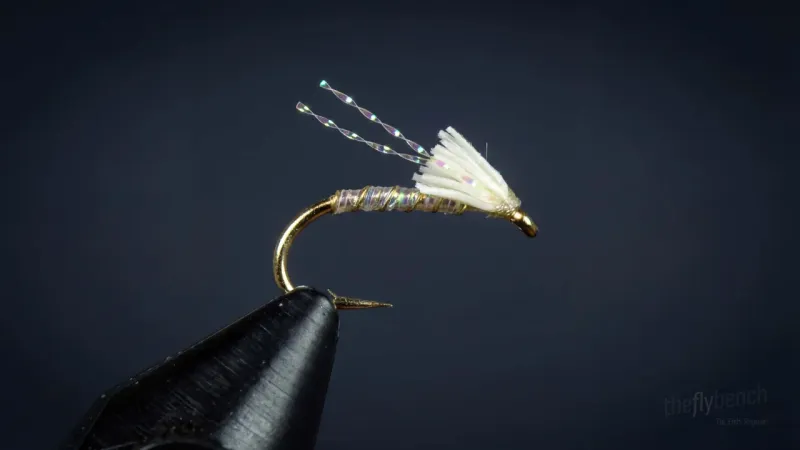
Midge / EmergersMatthew's Zelon Midge
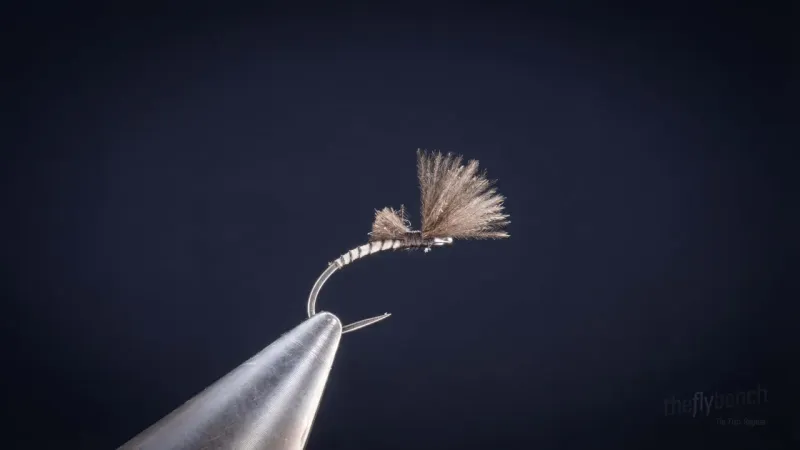
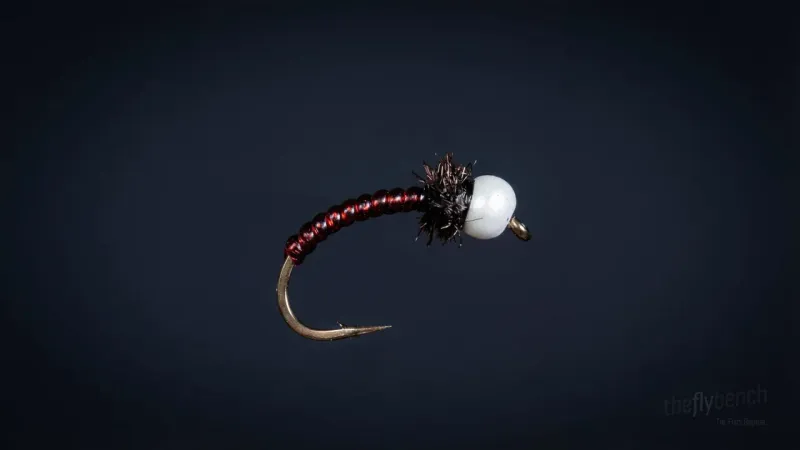
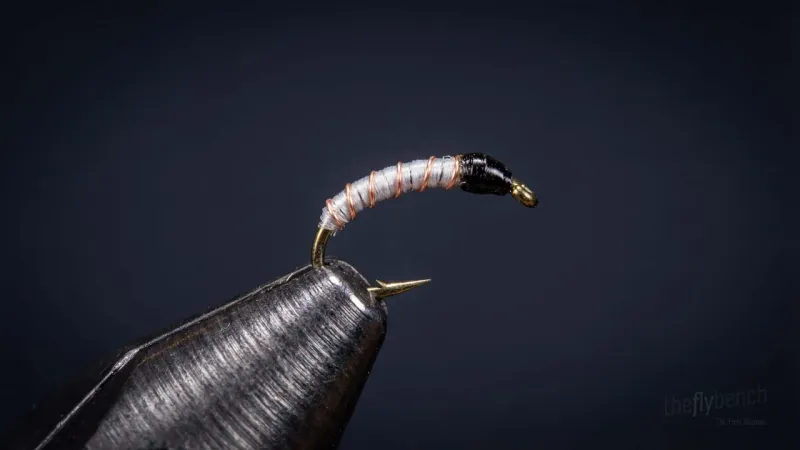
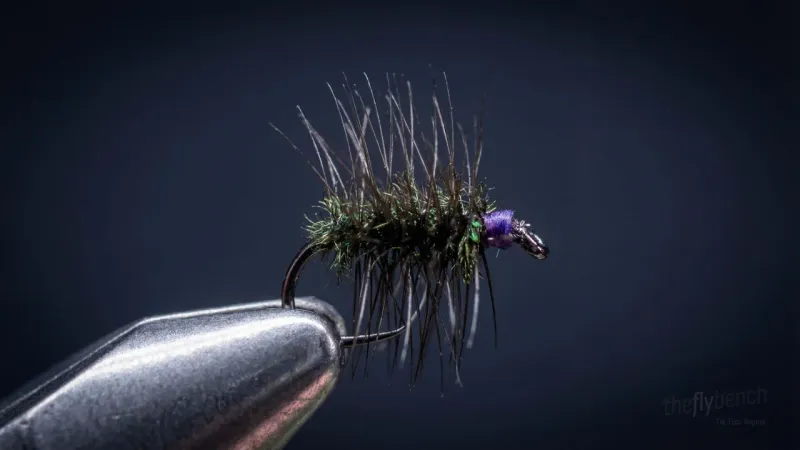
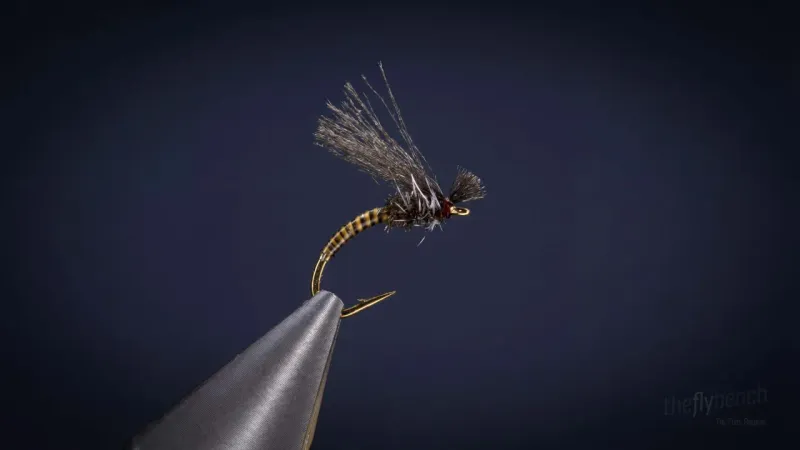
Matthew's Zelon Midge is a straightforward and highly effective pattern. The Zelon shuck and wing imitate an emerging midge breaking through the surface.
Year Round
Beginner
Trout
Apr 2025
Overview
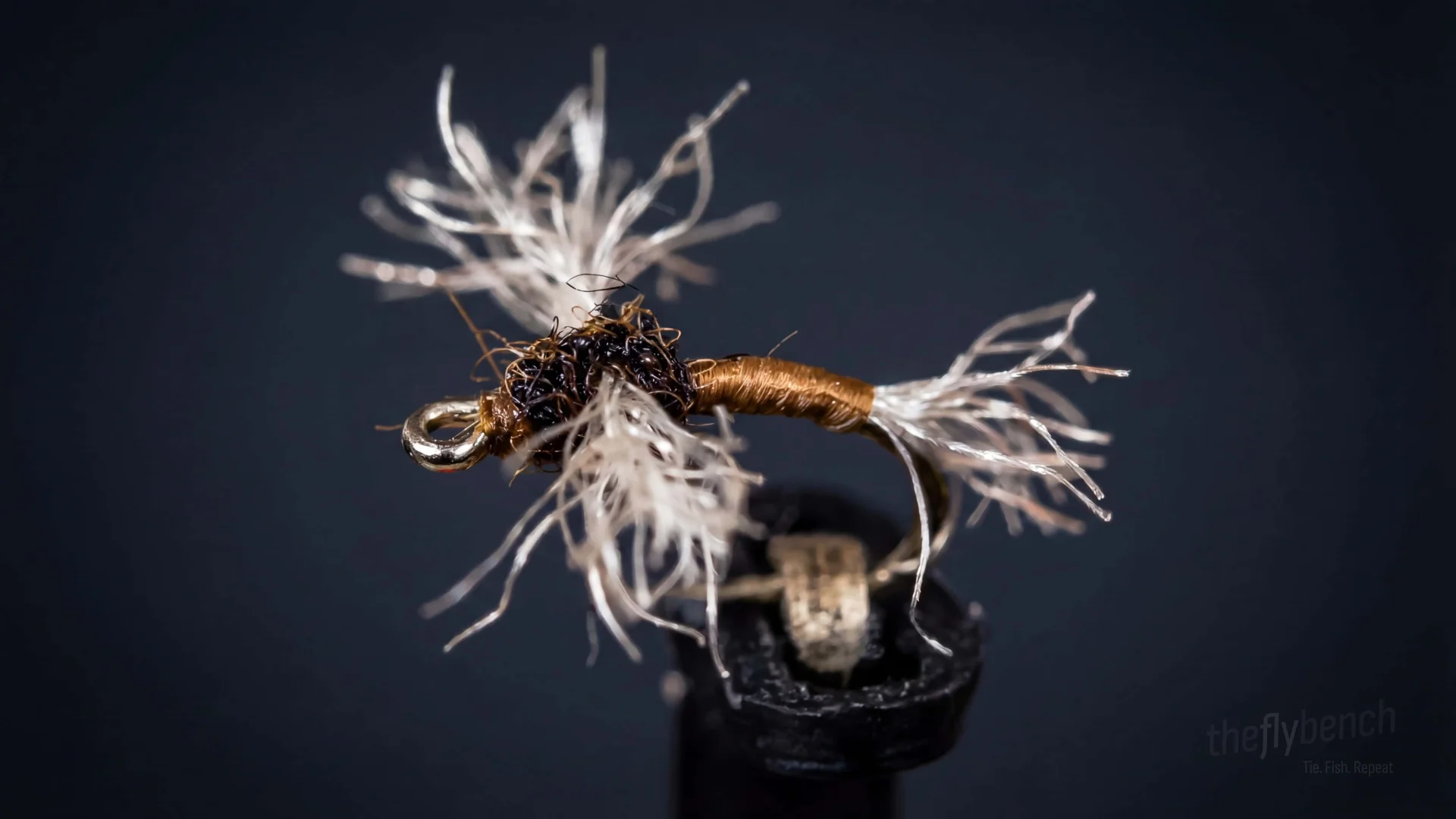
This simple emerger uses superfine dubbing for the body and a Zelon trailing shuck and wing to imitate a midge caught in the surface film. It's a great pattern for flat water when trout are sipping midges subtly.
Where to Buy This Fly
We only link to fly shops we trust. Some links are referral links, which may earn us a commission at no extra cost to you.
Materials
- Hook:
- Emerger hook (e.g. Dai-Riki 125), sizes 18-24
- Thread:
- 6/0 or 140 Denier, olive
- Shuck:
- Midge Gray Straight Z-lon
- Wing:
- Midge Gray Straight Z-lon
- Thorax:
- Australian possum, black
- Head:
- 12/0 tying thread, tan
Behavior & Presentation
Natural Behavior: Midge pupae ascend through the water column in pulsing movements, their bodies suspended just below the film as they struggle to break through surface tension. This transitional phase leaves them vulnerable and highly visible to cruising trout.
Where Trout Eat It: Surface film to mid-column in flat pools, back eddies, and smooth glides. Fish cruise just beneath the film targeting suspended emergers.
How to Fish It: Dead drift in or just below surface film with greased leader. The Zelon wing sits in the meniscus while the body hangs suspended, matching the stuck emerger profile.
Best Water: Flat pools, back eddies, seams, tail-outs, and foam lines where emerging midges accumulate in calm surface zones.
Strike Type: Observe quiet dimples or barely visible surface disturbances; strikes are soft and require immediate but gentle hook sets.
Fishing Strategy
Rigging Suggestions: Use 6X-7X fluorocarbon tippet with 10-15 foot leaders for delicate presentations. Fish as a dropper 12-18 inches below a small parachute dry fly (size 18-20) or in tandem with another emerger pattern. Keep leader degreased near the fly.
Seasonal Timing: Effective throughout the year from January through December, with peak productivity during late (January-March) and early (April-May) when midge hatches are most prolific in tailwaters and creeks.
Pro Tips: The Zelon wing and shuck provide subtle visibility without creating drag. Match body colors (black, olive, red, cream) to prevalent midges in your local waters. Sizes 18-24 cover most situations.
Entomology
Chironomid midges transition through the water column in a characteristic pulsing motion, their segmented bodies undulating as they rise toward the surface during emergence. Trout key on these abundant aquatic insects throughout the year, particularly in stillwaters where midges often represent the primary food source during winter months when other insects are dormant.
- Order
- Diptera
- Family
- Chironomidae
- Common Name
- Midge
- Organism Type
- insect
- Life Stage
- general