Midge / EmergersMatt's Buzzer
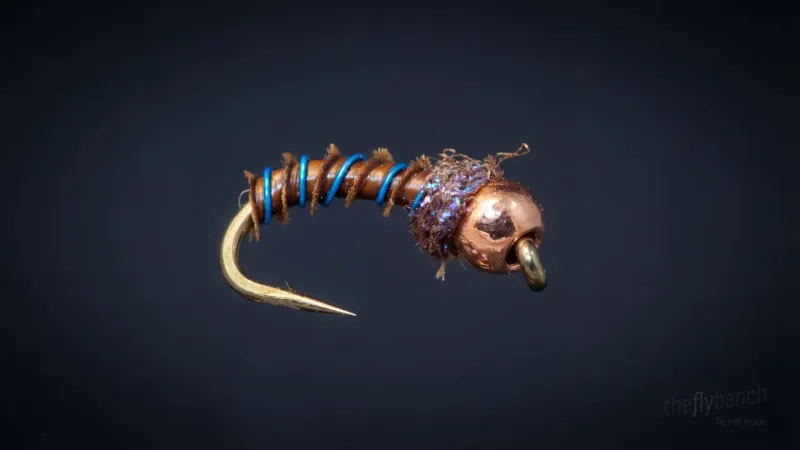
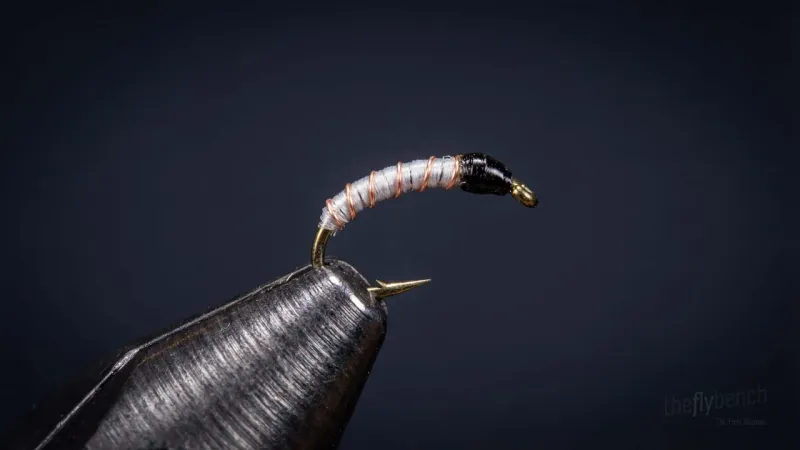
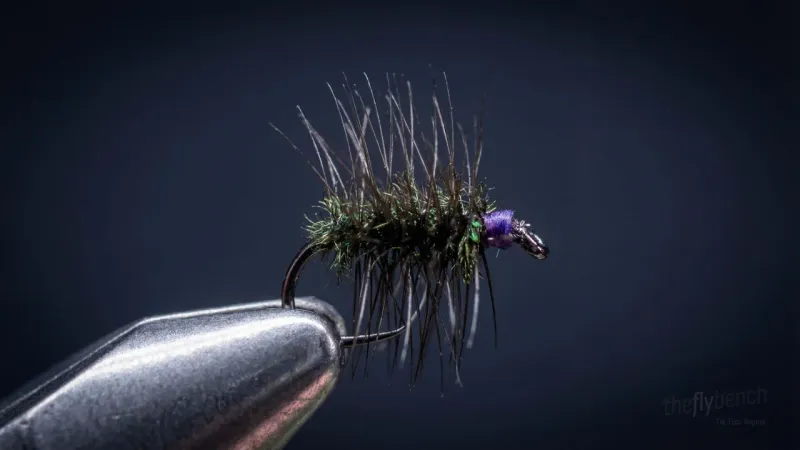
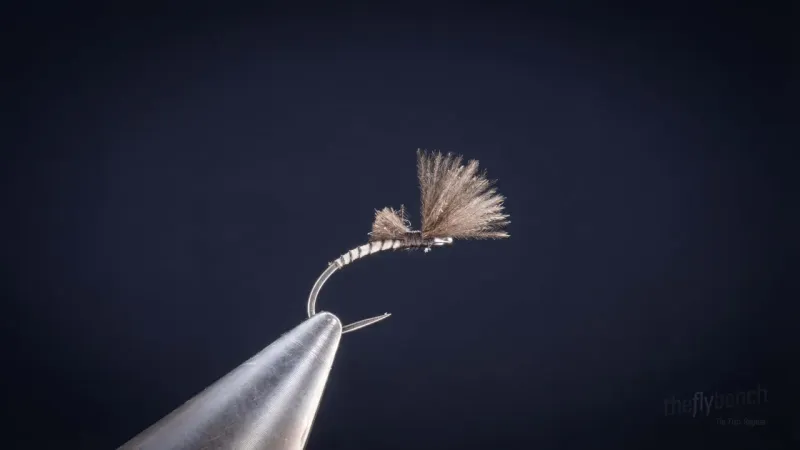
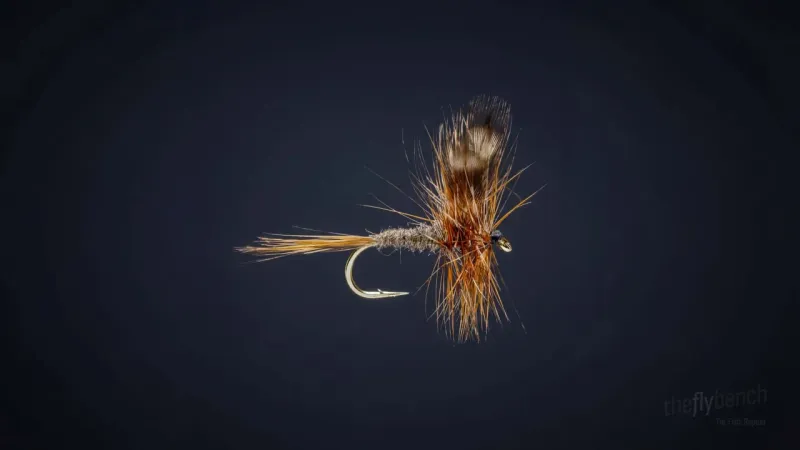
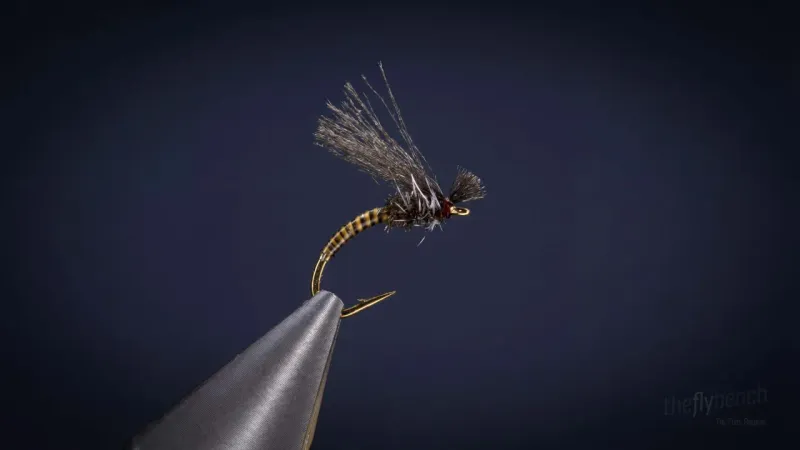
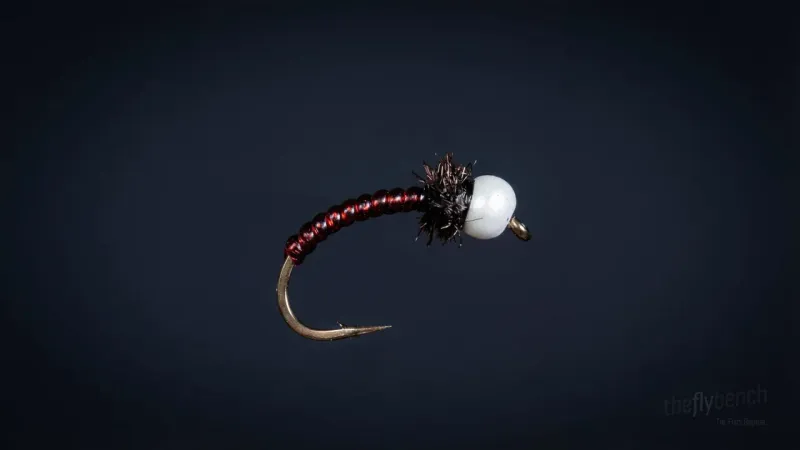
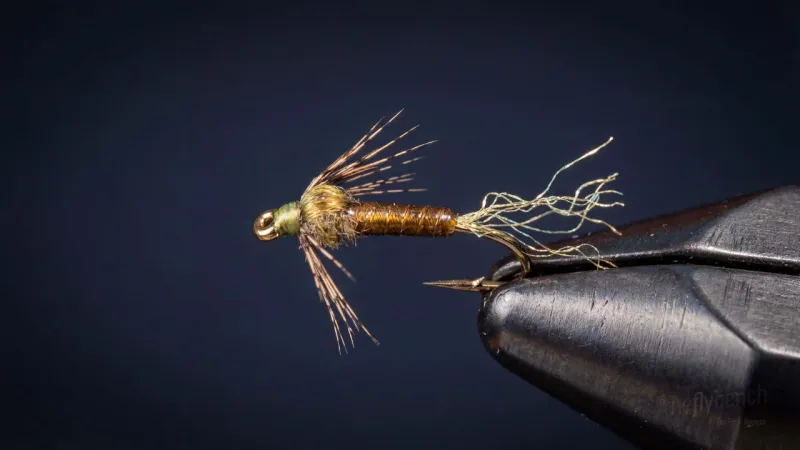
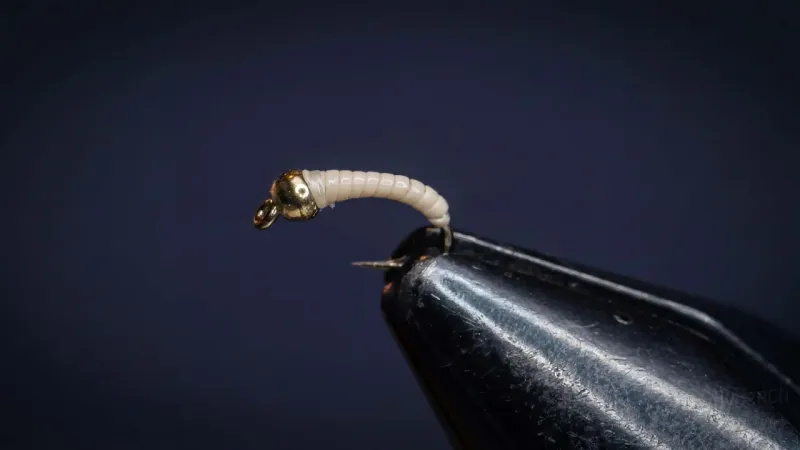
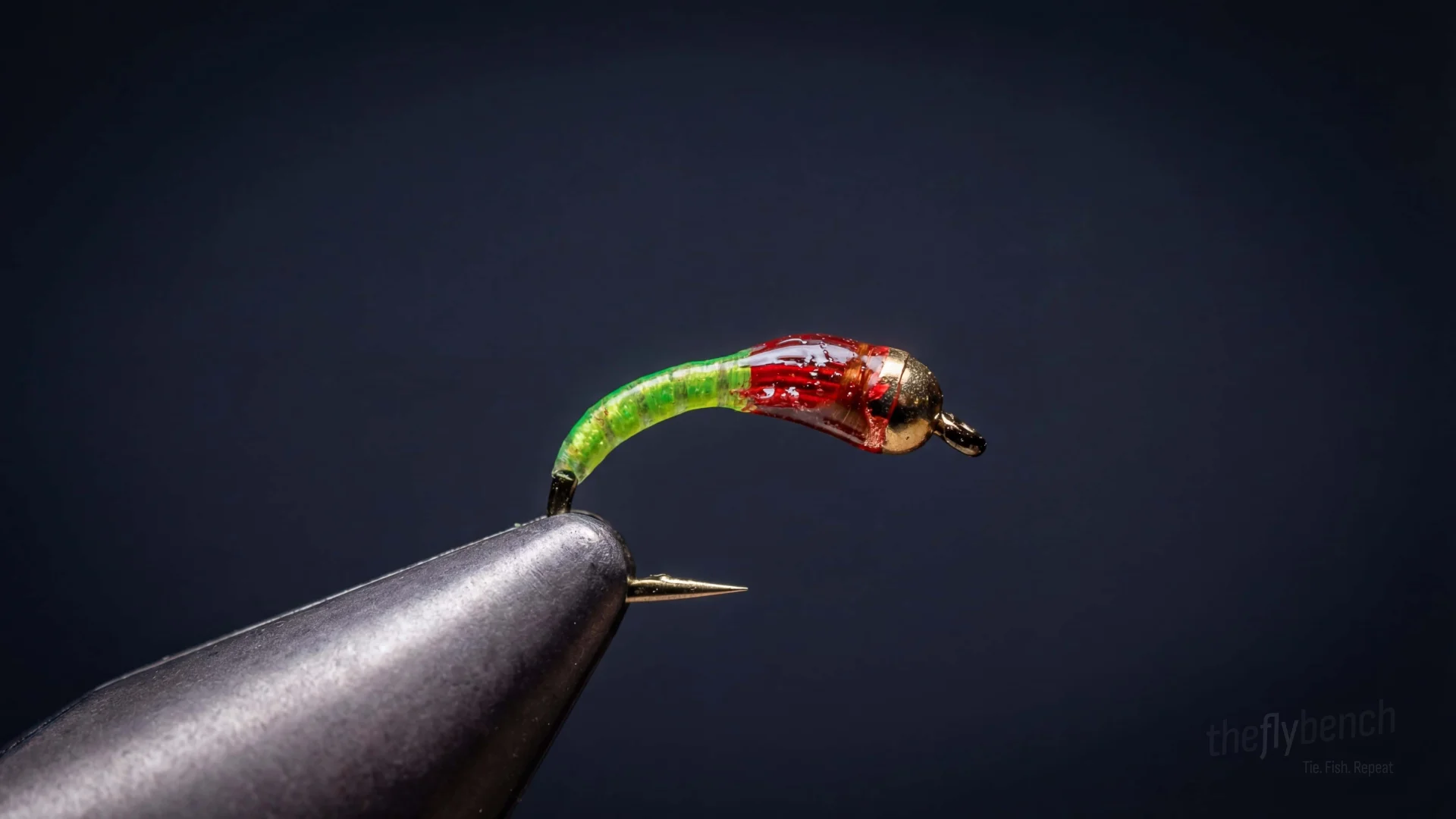
Matt's Buzzer is a popular fly that effectively mimics the midge pupa stage in a variety of colors. This fly can be fished at various depths making it a versatile choice for any angler.
Spring, Summer, Fall
Intermediate
Trout
Apr 2025
Overview
A buzzer-style midge pupa tied with a slim, tapered body of thread or wire, often finished with a small thorax cover and breathers. Designed for stillwater chironomid fishing, it's effective when suspended under an indicator.
Where to Buy This Fly
We only link to fly shops we trust. Some links are referral links, which may earn us a commission at no extra cost to you.
Materials
- Hook:
- Dai-Riki 135, sizes #12-#24
- Bead:
- Tungsten, 1/16-inch
- Thread 1/body:
- 3/0, fluorescent chartreuse
- Rib:
- Krystal Flash, pearl
- Thread 2/thorax:
- 6/0 or 140 Denier, olive
- Wingpads:
- Mallard primary feather segments, dyed-red
Behavior & Presentation
Natural Behavior: Chironomid pupae in deep stillwater ascend through the water column at glacial speeds, their slim bodies nearly motionless except for subtle thoracic pulsing. Trout suspended at specific depths intercept these predictable vertical migrations, the pupae remaining vulnerable for minutes as they rise slowly from muddy bottoms toward the distant surface.
Where Trout Eat It: Trout suspend at specific depths in lake water columns to intercept rising chironomid pupae. Most effective over drop-offs and muddy bays 8-25 feet deep where pupae ascend vertically.
How to Fish It: Use slow figure-eight retrieve or static suspension to imitate ascending pupae. Cast and leave static 15 seconds, then slow pull 1-2 feet followed by 10-second stop.
Best Water: Target lake shoals with silty bottoms and weed bed edges in 10-20 feet of depth.
Strike Type: Indicator slides sideways or dips gently—strikes on static presentations feel like soft pressure.
Fishing Strategy
Rigging Suggestions: Use 12-15 foot leaders tapered to 5X-6X tippet. Fish alone for cruising trout or in tandem with another midge pattern to offer fish multiple options at different depths.
Seasonal Timing: Prime fishing from April through October, with peak effectiveness during (April-May) and (September-October) when midge activity increases and water temperatures range from 45-60°F.
Pro Tips: The reflective body mimics the gas-filled shuck of natural midge pupae—a key trigger for selective feeders. In bright conditions, this flash is highly visible; in low light, switch to darker midge patterns. Polish the body periodically to maintain maximum flash and attractiveness.
Entomology
Chironomid pupae ascend through deep water columns in lakes and reservoirs, their gas-filled bodies rising slowly and predictably from the bottom. Trout suspend at specific depths to intercept these rising pupae, creating defined feeding zones. The buzzer's slender profile and translucent materials perfectly imitate this gradual ascent, particularly effective when fished with static presentations.
- Order
- Diptera
- Family
- Chironomidae
- Common Name
- Midge
- Organism Type
- insect
- Life Stage
- general