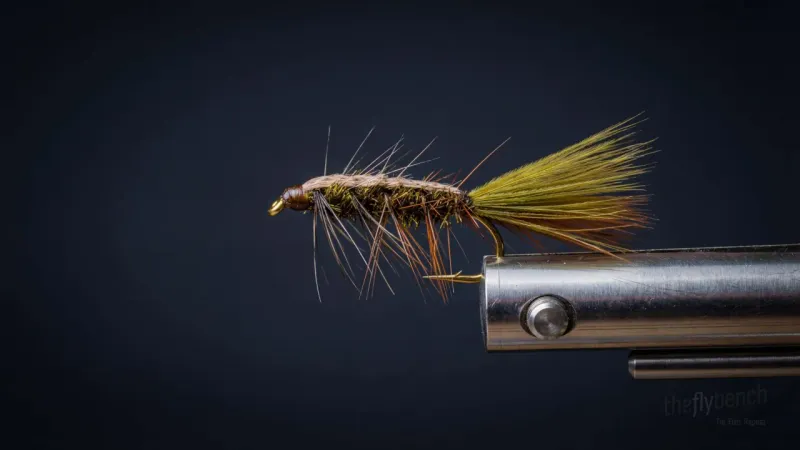
Dry FliesKiller Mayfly
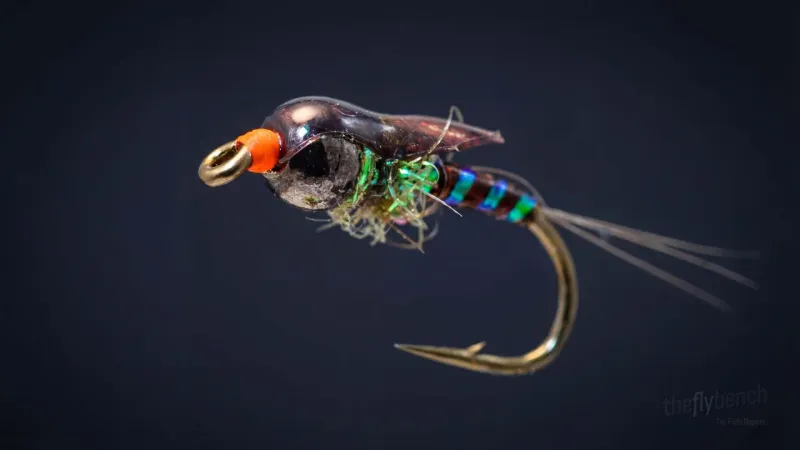
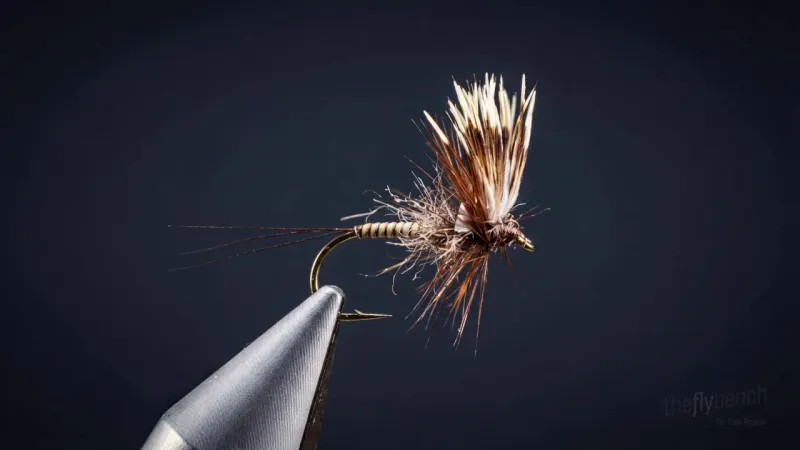
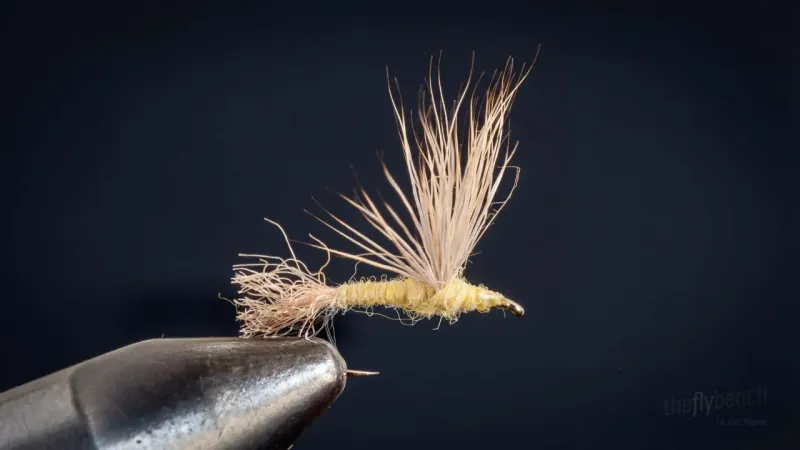
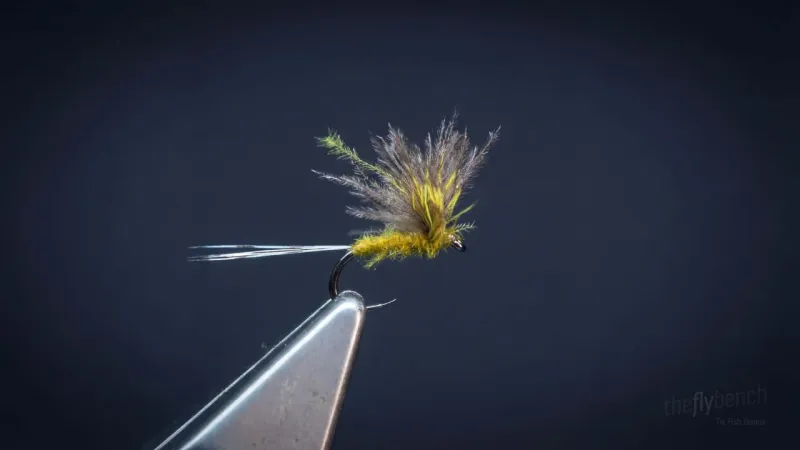
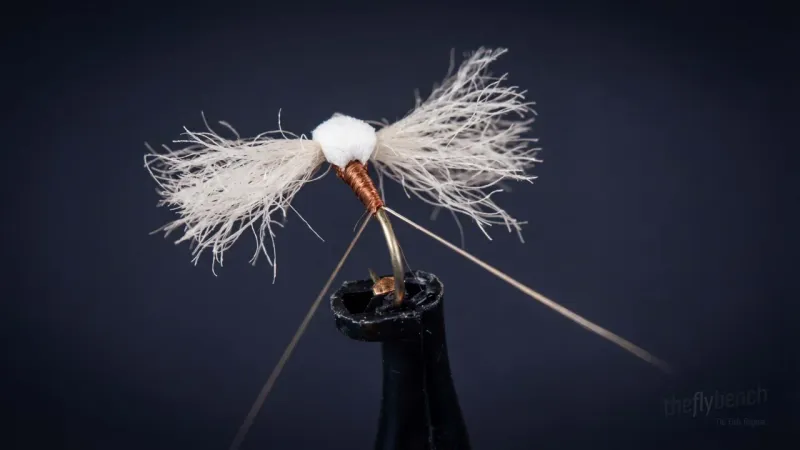
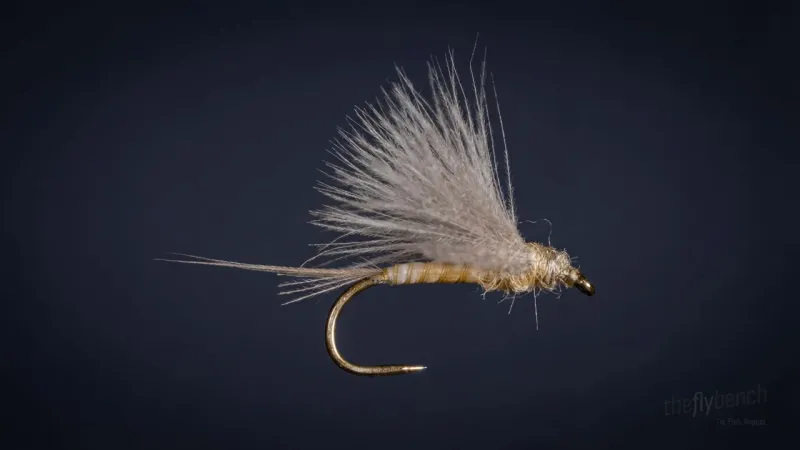
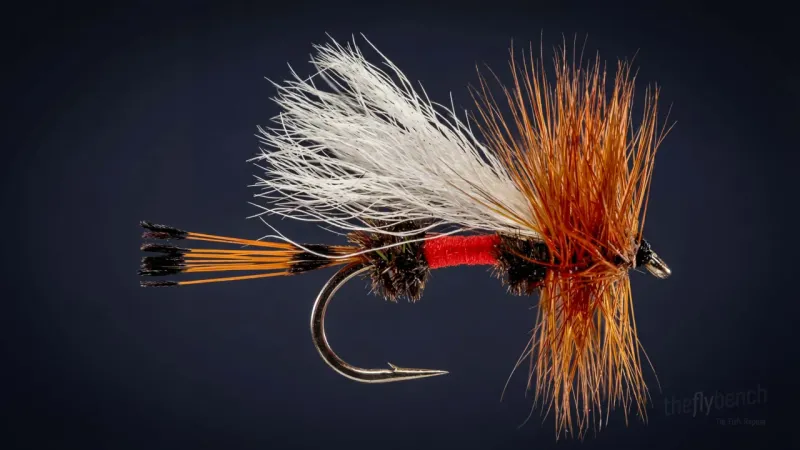
Effective pattern mimics natural mayfly in adult stage. Features biot tails, slim dubbed or thread body, and CDC or synthetic wing post. Extended body profile and light footprint make it ideal for selective trout during mayfly hatches across Western rivers.
Spring, Summer
Intermediate
Trout
Apr 2025
Overview
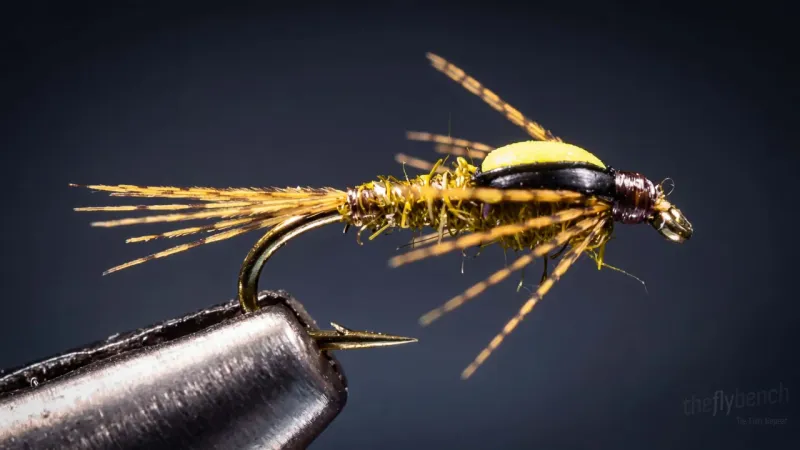
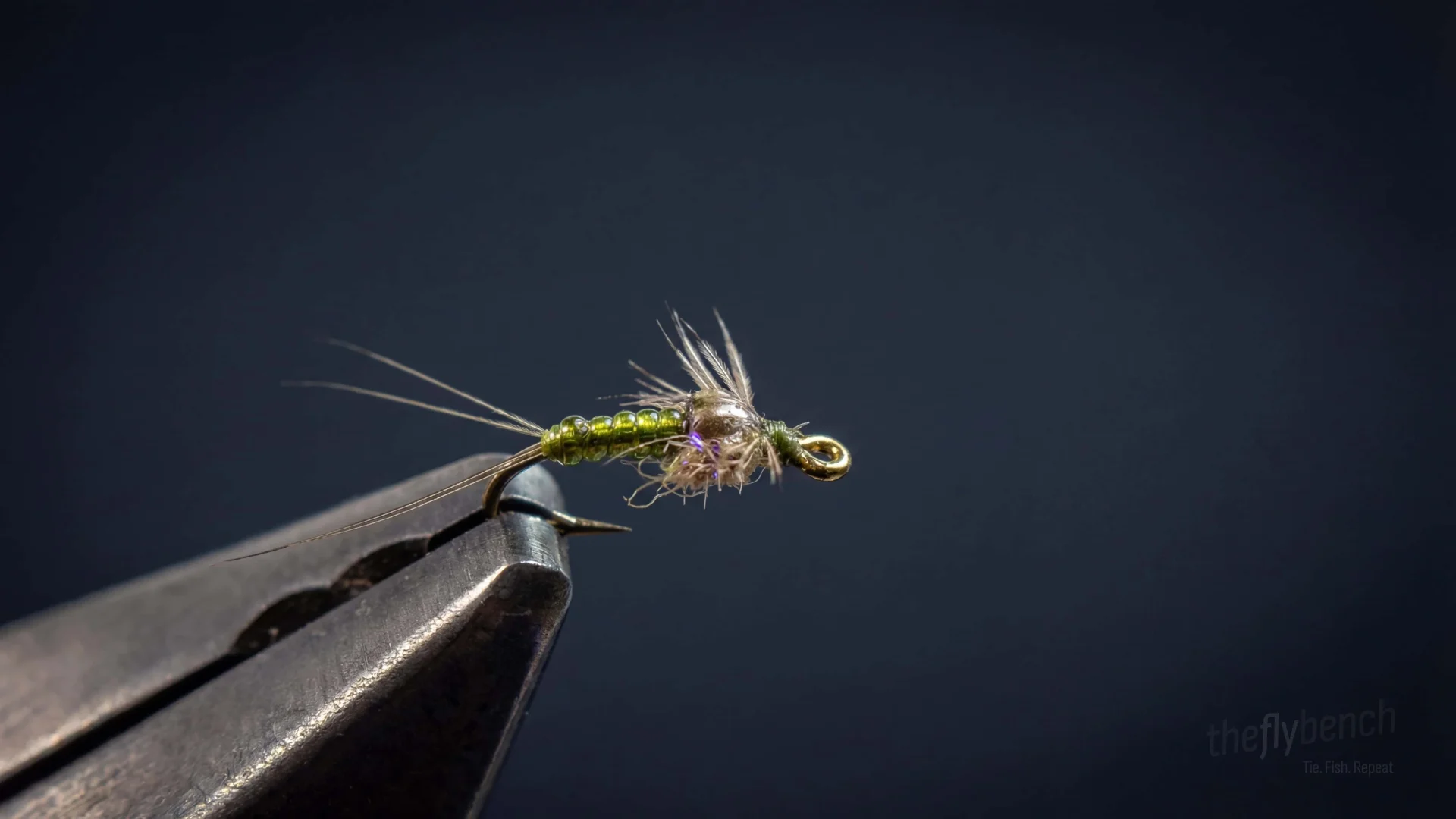
Mayfly imitation tied with biot tails, slim dubbed or thread body, and CDC or synthetic wing post. The extended body profile creates a realistic silhouette while the light footprint allows the fly to sit naturally in the surface film. Most effective in sizes #14-18 to match Blue-Winged Olives, PMDs, and similar mayfly species. The minimal materials keep the fly balanced and easy to cast on delicate tippets.
Where to Buy This Fly
We only link to fly shops we trust. Some links are referral links, which may earn us a commission at no extra cost to you.
Materials
- Hook:
- Tiemco 200R, sizes #16-#22
- Thread:
- Black UTC 70
- Tail:
- Dun Mayfly Tails
- Body:
- Black Midge Tubing
- Thorax:
- Olive Superfine Dubbing
- Casing:
- Scud Back or Clear Medallion Sheeting
- Legs:
- Partridge
Behavior & Presentation
Natural Behavior: Mayfly duns ride the current after emerging, holding their wings upright as they dry. Fish target these vulnerable adults during the drift.
Where Trout Eat It: Most productive in slow-moving pools, eddies, and spring creek flats where mayfly duns gather after emerging. Trout in slack water have time to inspect the realistic extended-body silhouette.
How to Fish It: Cast upstream with drag-free drift across feeding lanes, using reach casts to extend natural float. In slower water, allow occasional rise-and-fall motion to imitate duns struggling on surface.
Best Water: Target slow pools with smooth surfaces, eddy lines where duns accumulate, and spring creek flats 1-3 feet deep.
Strike Type: Fish rise deliberately with quiet sips or confident head rises; delay your set slightly to let the fish close its mouth.
Fishing Strategy
Rigging Suggestions: Use 9-12 foot leaders with 5X or 6X tippet for rivers, 4X for lakes. Can fish solo or with small nymph dropper 18-24 inches below.
Seasonal Timing: Most effective May through September during mayfly hatches, particularly productive during June and July when multiple species emerge. Water temperatures between 55-65°F are ideal.
Pro Tips: CDC wings and quality hackle provide floatation in various water types. When fishing lake, use slow hand-twist retrieve to add subtle movement. The high-floating design makes this pattern visible in low light conditions.
Entomology
Adult mayflies hover just above the water surface before gracefully settling to deposit eggs, their translucent wings catching sunlight as they bounce along with the current. Trout have evolved to recognize the silhouette and behavior of these delicate insects, timing their rises precisely to intercept them during peak hatch periods when concentrated feeding opportunities emerge.
- Order
- Ephemeroptera
- Common Name
- Mayfly
- Organism Type
- insect
- Life Stage
- adult