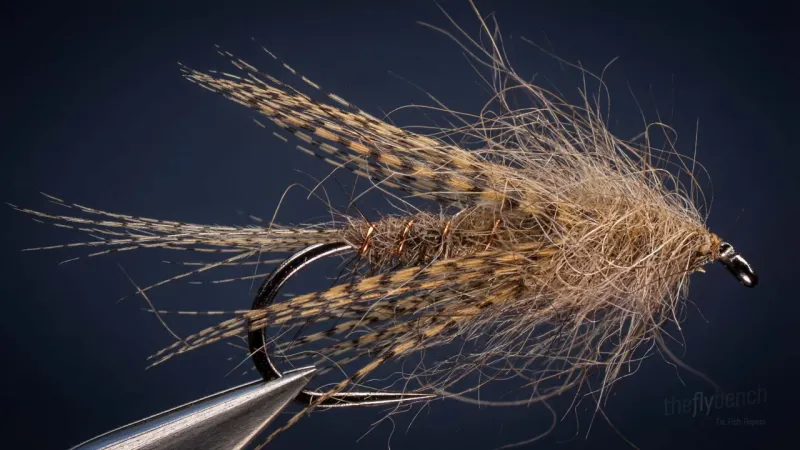
NymphJujubaetis
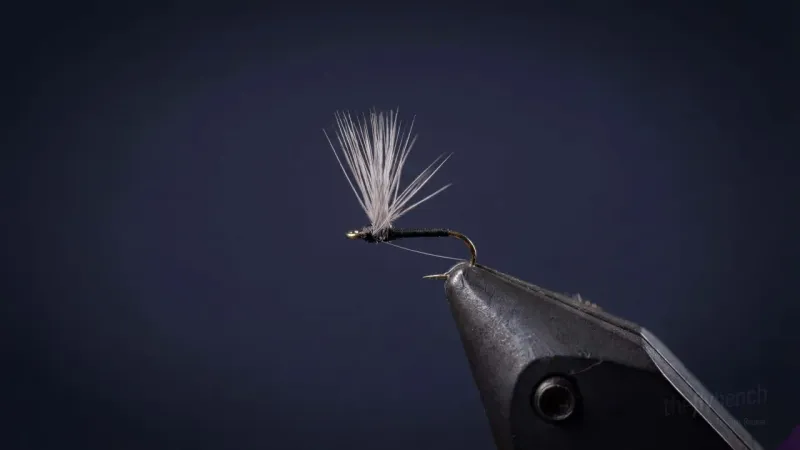
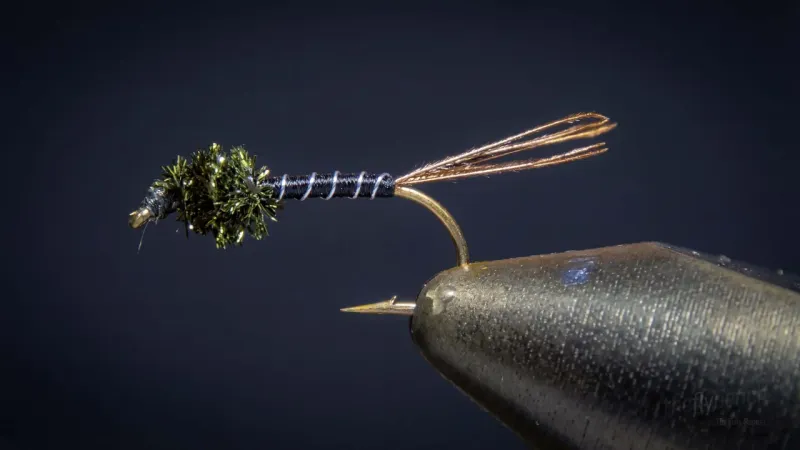
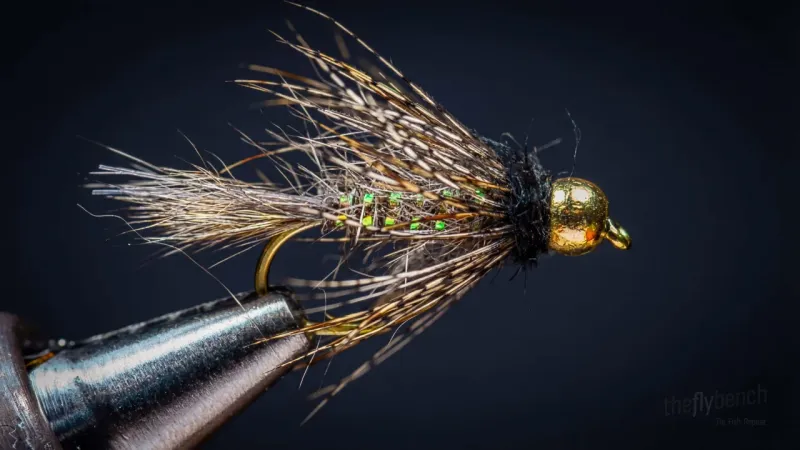
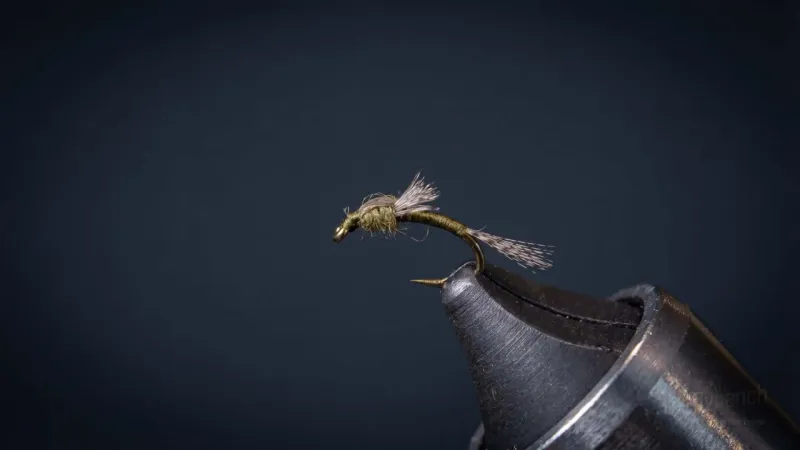
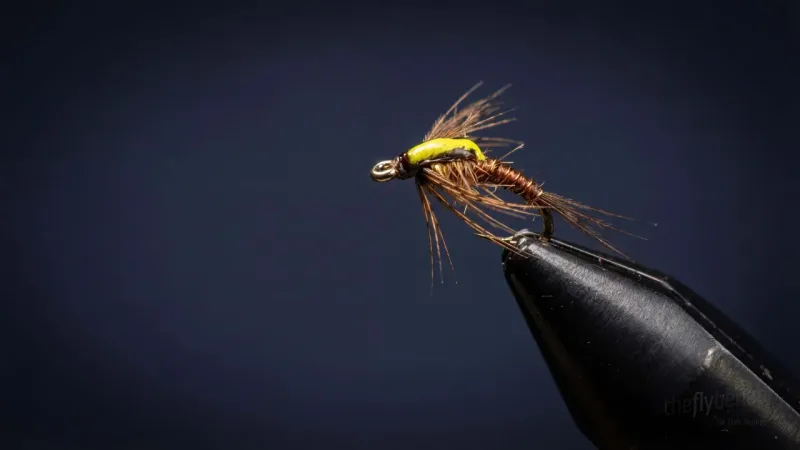
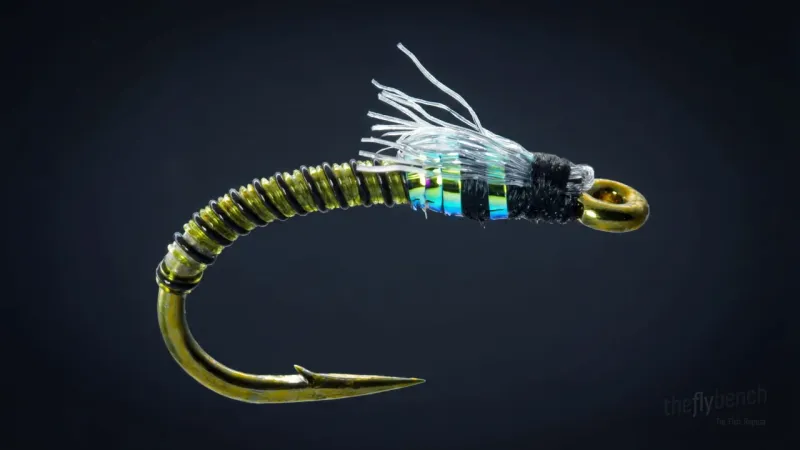
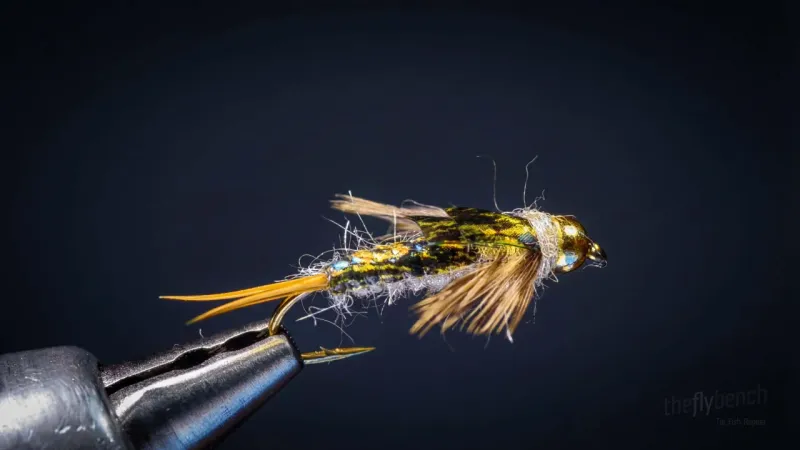
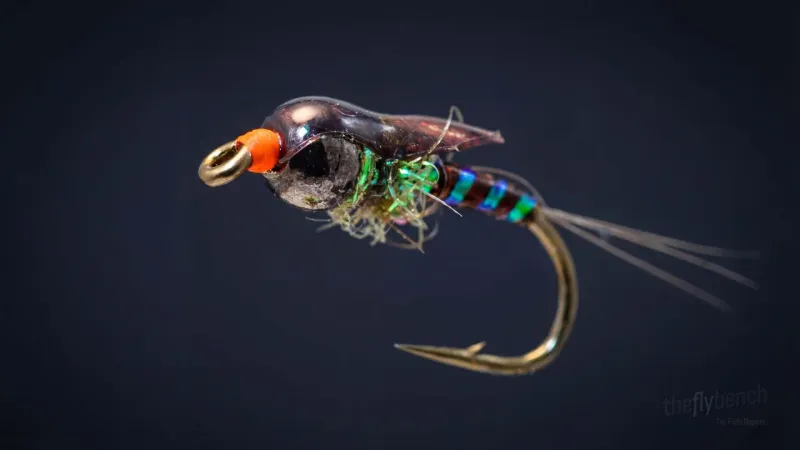
The Jujubaetis is a highly effective pattern that realistically mimics the Baetis or Blue-Winged Olive nymph. Its slim, segmented body and biot wings make it irresistible to trout.
Spring, Summer, Fall
Intermediate
Trout
Apr 2025
Overview
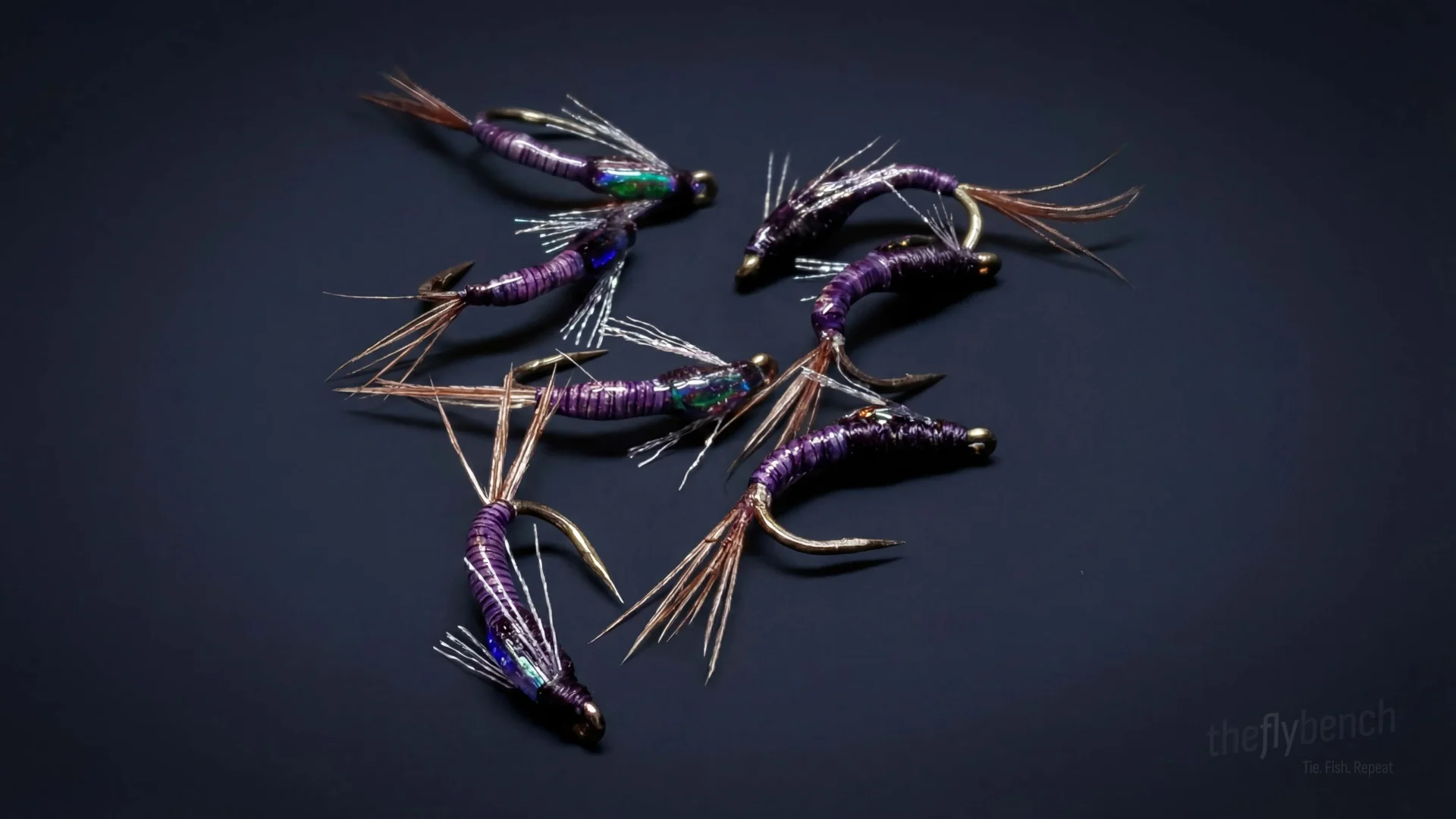
A popular baetis emerger tied with a slender thread body, sparse ribbing (often wire or Krystal Flash), and a delicate wing case topped with a glass bead. The segmented profile and flash make it effective in small sizes.
Where to Buy This Fly
We only link to fly shops we trust. Some links are referral links, which may earn us a commission at no extra cost to you.
Materials
- Hook:
- TMC 2488 #16-24
- Thread:
- 14/0 Veevus, White
- Tail:
- Mottled Brown India Hen Saddle Fibers
- Abdomen:
- One strand black and two strands dark brown Superhair
- Flashback:
- Medium Opal Mirage Tinsel
- Wingcase/Legs:
- Gray Flouro Fiber
- Thorax:
- 14/0 Veevus Thread, Black
- Coating:
- Solarez Thin Hard UV Resin
Behavior & Presentation
Natural Behavior: Small mayfly nymphs drift helplessly when dislodged from substrate, tumbling in current until they can regain footing. Their abundance during hatches creates selective feeding windows as fish key on specific sizes and colors.
Where Trout Eat It: Bottom to mid-column in riffles, runs, and tailouts during active mayfly emergence periods.
How to Fish It: Dead drift through feeding lanes using micro-shot or tight-line techniques to control depth precisely.
Best Water: Runs, seams, tail-outs, riffle edges, and pocket water where current concentrates drifting nymphs.
Strike Type: Subtle takes detected by indicator hesitations or line movements during drift.
Fishing Strategy
Rigging Suggestions: Fish as the point fly or dropper in tandem nymph rigs. Use 6X or 7X tippet for selective trout. Pair with heavier anchor fly for depth. 9-10 foot leaders recommended.
Seasonal Timing: March through November with peak periods during Blue-Winged Olive hatches. Remains effective during in tailwaters where BWOs emerge on warmer afternoons between 45-55°F.
Pro Tips: The glossy shellback catches available light and creates realistic segmentation. The slim profile matches natural BWO nymphs. Fish slightly ahead of visible rises during emergence periods to intercept ascending nymphs.
Entomology
Baetis nymphs swim with undulating movements between rocks and vegetation, frequently releasing into the drift during behavioral periods triggered by barometric changes. Their small size and abundance make them a staple food source, especially during winter and spring when hatches can blanket the water. Trout develop precise feeding rhythms during Baetis activity, methodically sipping these tiny swimmers from drift lanes.
- Order
- Ephemeroptera
- Family
- Baetidae
- Common Name
- Baetis
- Organism Type
- insect
- Life Stage
- nymph