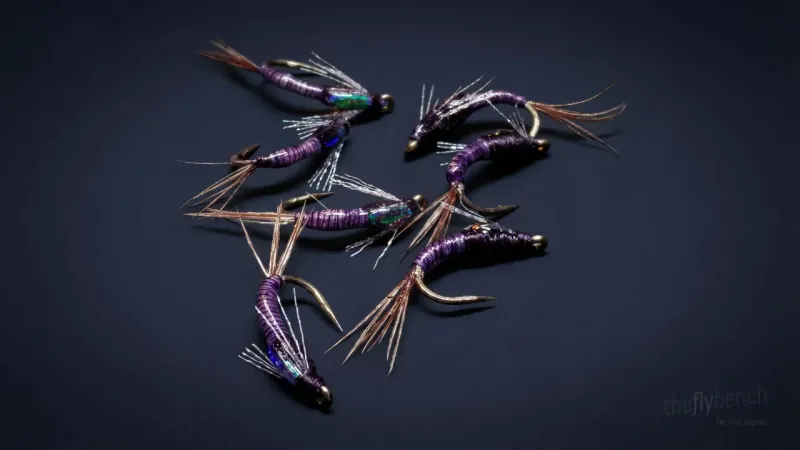
Midge / EmergersJuJu Bee Midge
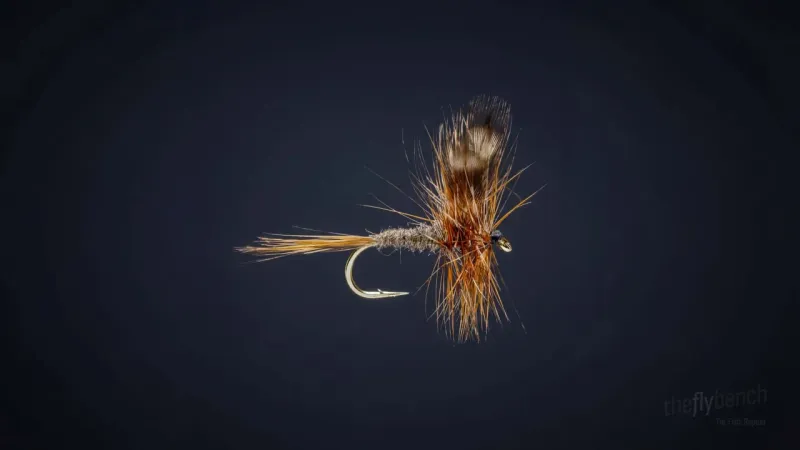
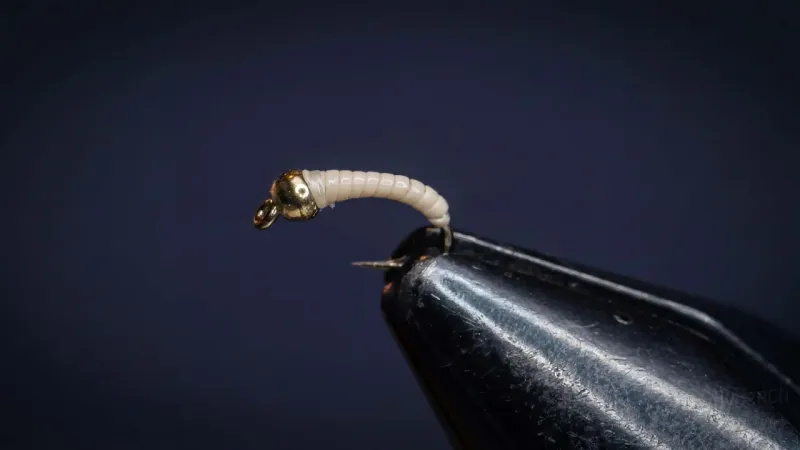
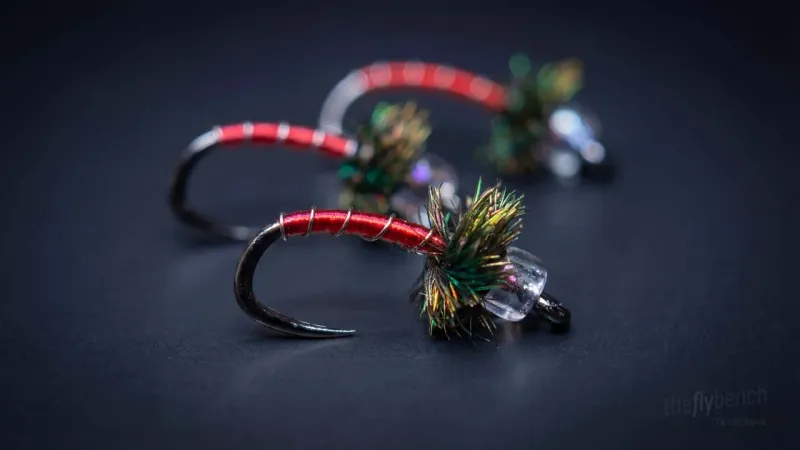
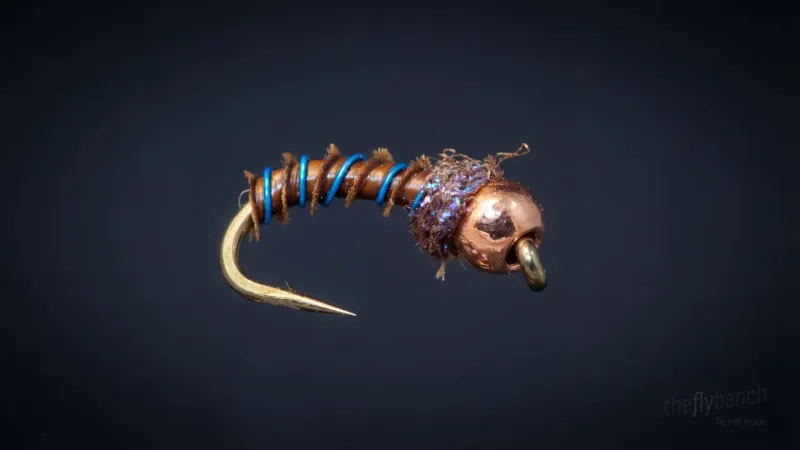
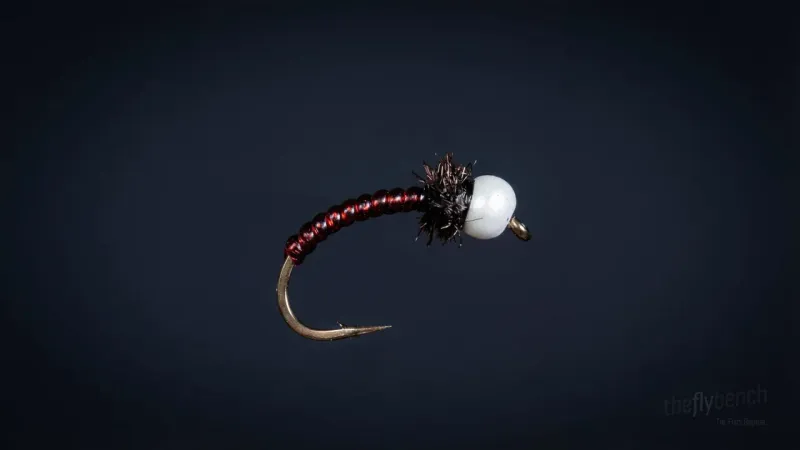
The JuJu Bee Midge is a highly effective subsurface pattern. With its slim profile and the flash of its segmented body, this fly is perfect for fooling picky trout.
Winter, Spring
Beginner
Trout
Apr 2025
Overview
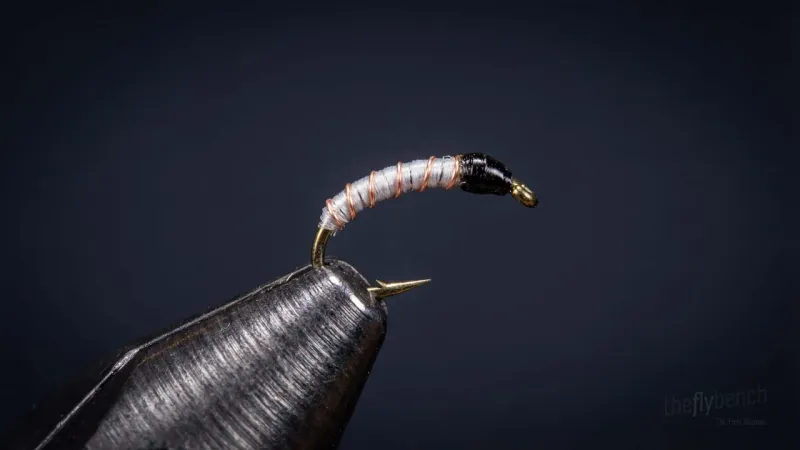
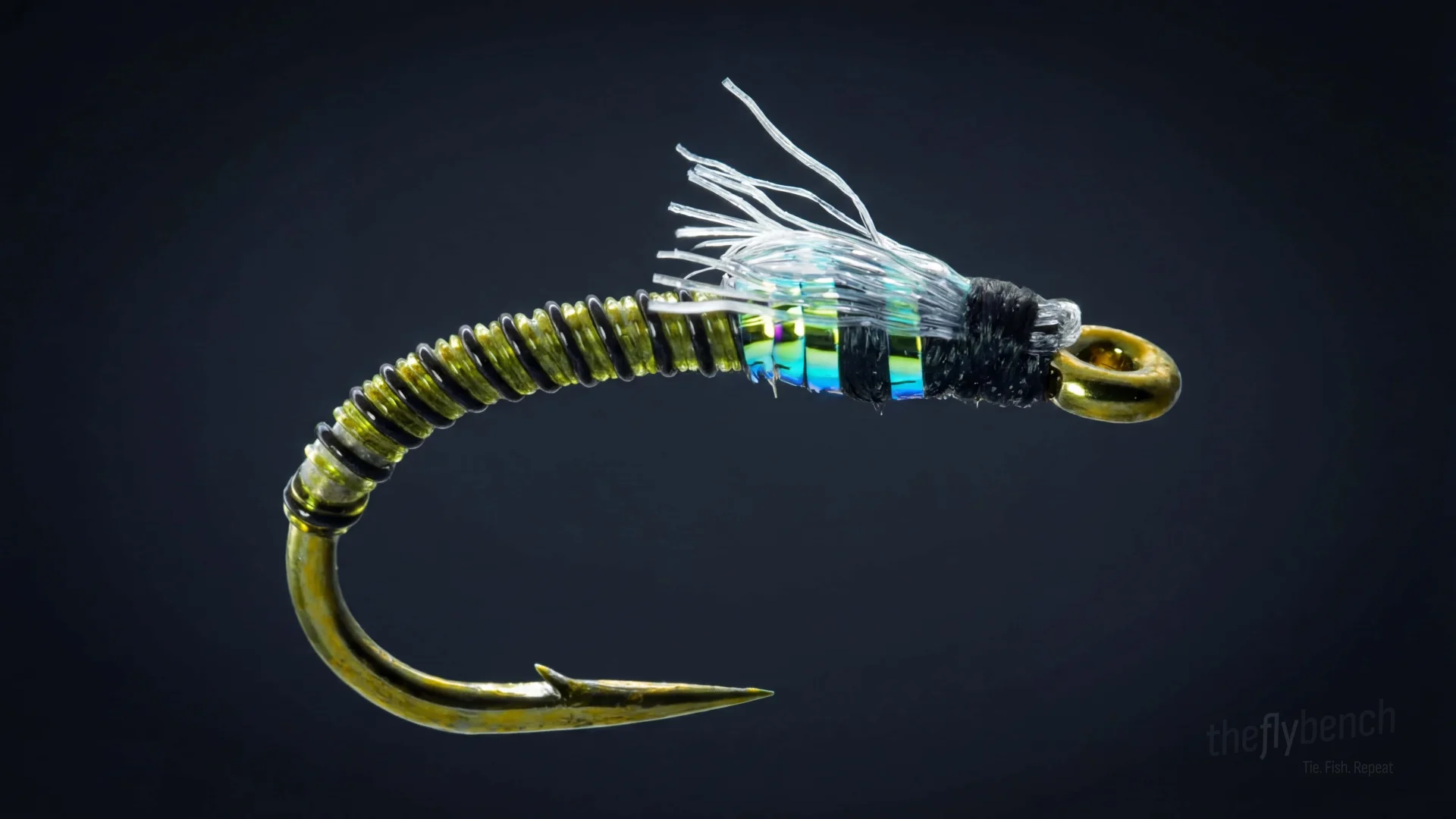
Tied with colored SuperHair or midge tubing over a thread base and ribbed with wire, this pattern is segmented and ultra-slim. A small glass bead adds weight and sparkle, ideal for winter midge hatches.
Where to Buy This Fly
We only link to fly shops we trust. Some links are referral links, which may earn us a commission at no extra cost to you.
Materials
- Hook:
- #16-22 TMC 2488
- Thread:
- White TMC 16/0 or White Veevus 14/0
- Abdomen:
- Two strands of chartreuse color superhair and one strand of black
- Thorax:
- Black 8/0 UNI-THREAD
- Wing Case:
- White Fluoro Fibre
Behavior & Presentation
Natural Behavior: Midge pupae hang suspended in the film or ascend slowly through the column, trapped by surface tension as they prepare to emerge. Their stillness and vulnerability create focused feeding on specific depth zones.
Where Trout Eat It: Film and upper water column in slow pools, eddies, and flats during midge emergences.
How to Fish It: Suspend in the film or fish slowly ascending through the column with subtle lifts and pauses.
Best Water: Flats, eddies, tail-outs, slicks, and foam lines where surface tension holds emerging midges.
Strike Type: Delicate sips or subtle line movements as fish take pupae from film or just below surface.
Fishing Strategy
Rigging Suggestions: Use 9-foot leaders with 6X or 7X tippet for natural presentation. Fish 12-18 inches below a small dry fly or use solo with micro strike indicator.
Seasonal Timing: November through April when midge activity dominates, with peak effectiveness during January through March. Productive during warm spells when water temperatures reach 35-45°F and midges become active.
Pro Tips: The slim profile and subtle design match natural midge pupae without spooking selective winter trout. Focus on slow, drag-free drifts in calm water. Watch for subtle dimples rather than splashy rises during midge activity.
Entomology
Midge pupae ascend through the water column in stillwaters and tailwaters, using gas-filled cases to slowly rise toward the surface film. This vulnerable ascent creates extended feeding opportunities as trout intercept them at multiple depths. The Juju Bee's flashy profile imitates the shimmering gas bubble trapped within the pupal shuck during this critical transformation.
- Order
- Diptera
- Family
- Chironomidae
- Common Name
- Midge
- Organism Type
- insect
- Life Stage
- general