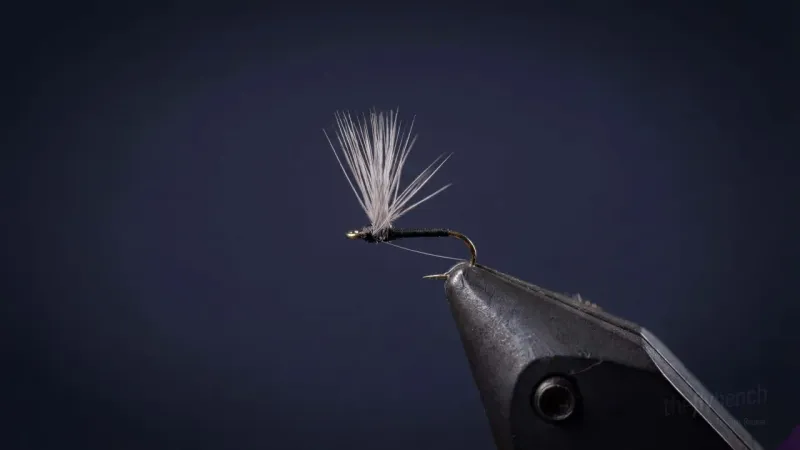
NymphIsonychia Nymph
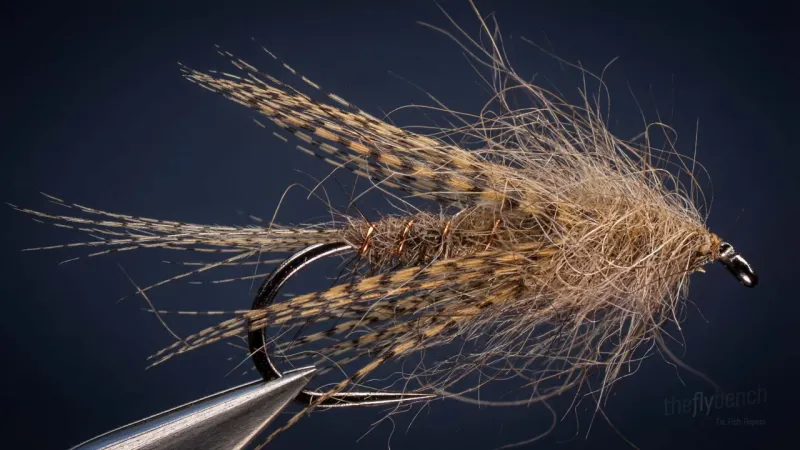
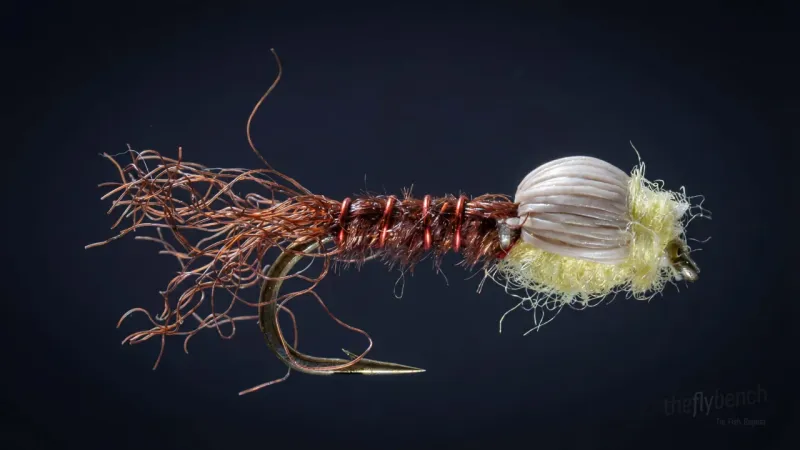
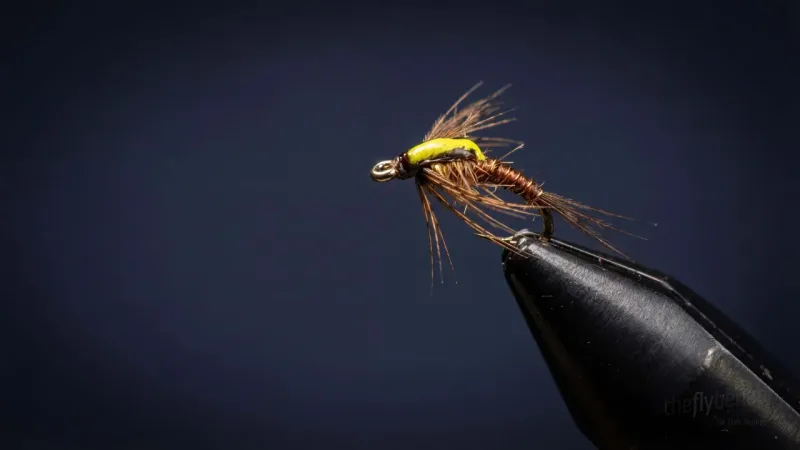
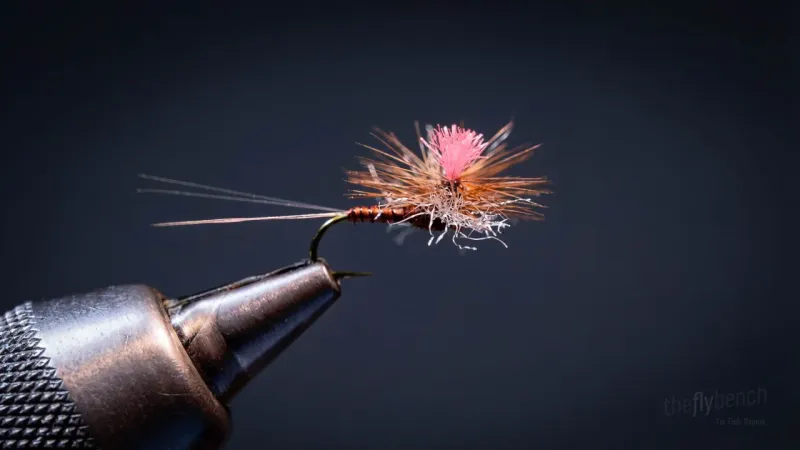
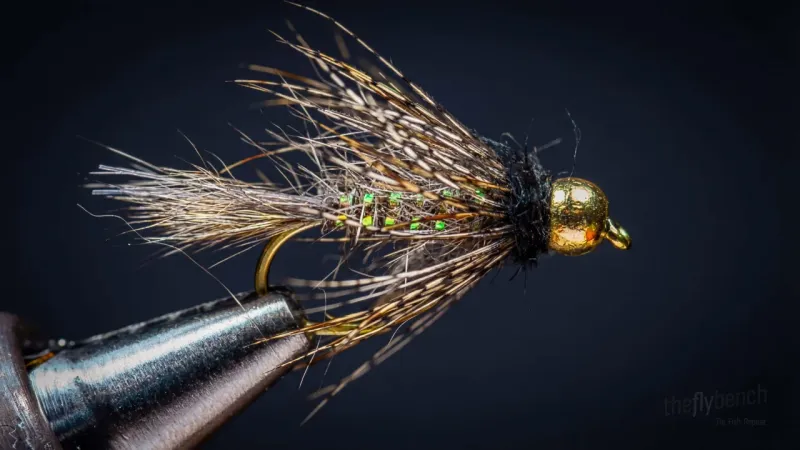
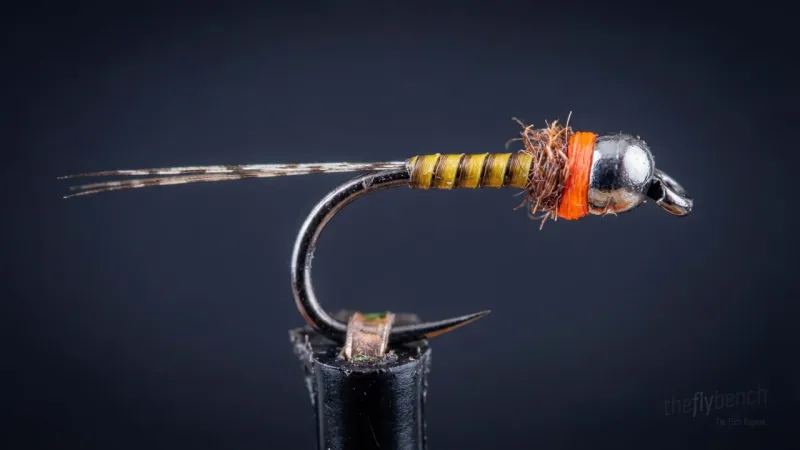
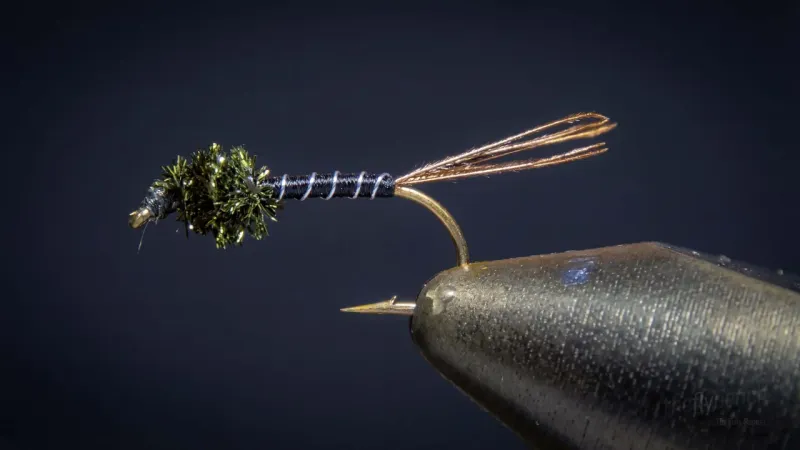
The Isonychia Nymph imitates the Isonychia bicolor, one of the larger and more prolific mayflies. Its dark body and robust profile make it an enticing meal for hungry trout, especially during a hatch.
Summer
Intermediate
Trout
Apr 2025
Overview
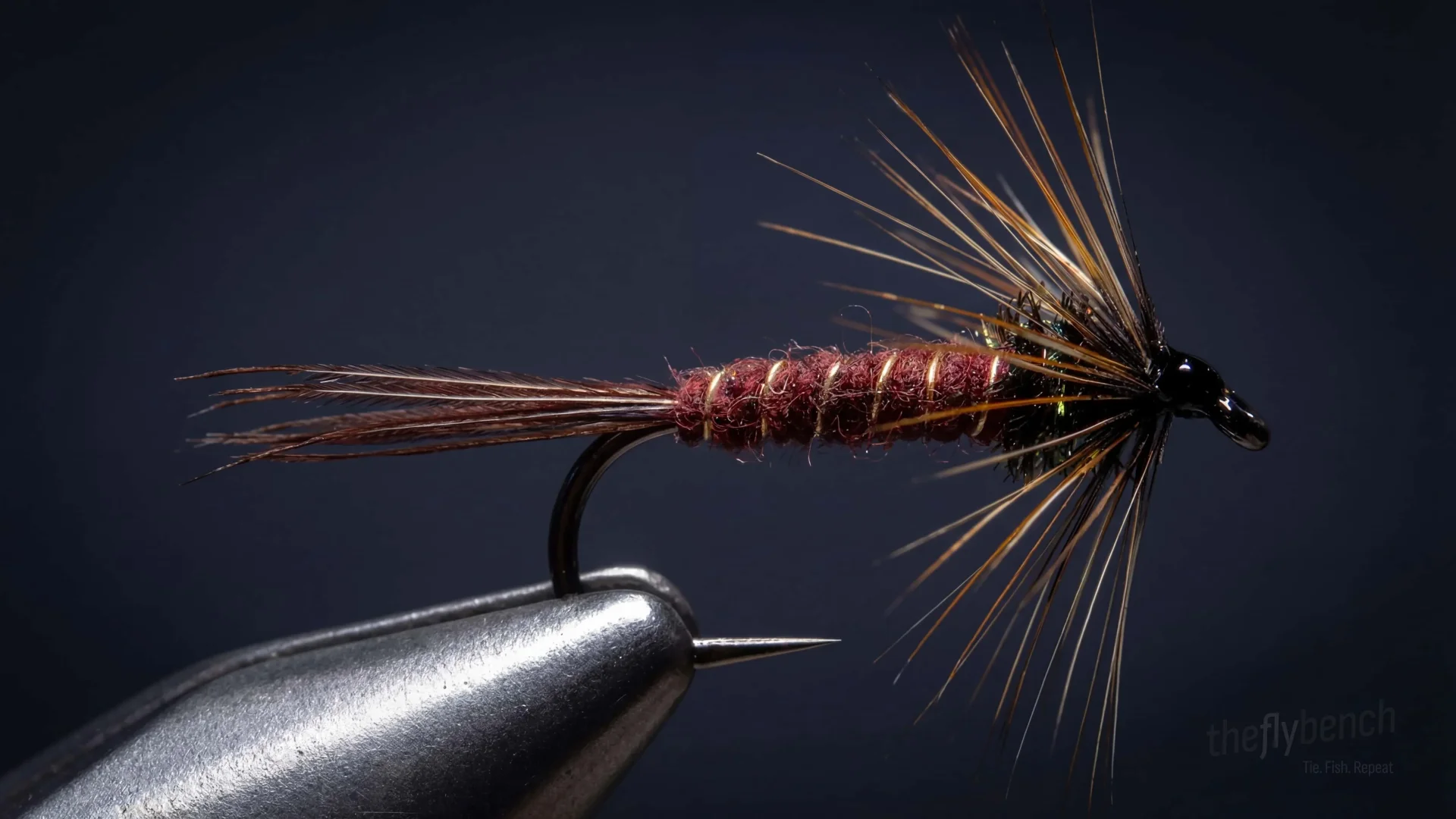
Typically tied on a long-shank nymph hook with a dark brown-to-slate dubbed body, white biot or feather wingcase, and rubber legs. A bead or lead wrap gives it weight. It imitates the large, fast-swimming Iso nymphs that trout love.
Where to Buy This Fly
We only link to fly shops we trust. Some links are referral links, which may earn us a commission at no extra cost to you.
Materials
- Hook:
- Fulling Mill FM50 85, size #12-#16.
- Thread:
- Black, 8/0 or 70-denier.
- Tail:
- 6-8 chocolate brown pheasant-tail fibers.
- Rib:
- Gold Ultra Wire, brassie size.
- Abdomen:
- Isonychia-color Fine & Dry dubbing.
- Thorax:
- Peacock herl.
- Hackle:
- Barred-ginger variant.
Behavior & Presentation
Natural Behavior: Isonychia nymphs are powerful swimmers that pulse through currents with distinct bursts, often darting between rocks before emergence. Their large size and active movement make them high-value targets.
Where Trout Eat It: Mid-column to bottom in fast riffles and runs where these swimming nymphs migrate during hatches.
How to Fish It: Dead drift with occasional rod lifts to add swimming motion, or use tight-line techniques to maintain depth.
Best Water: Pocket water, runs, current breaks, and channel swings in fast freestone rivers where Isonychias thrive.
Strike Type: Sharp taps or solid pulls as fish intercept the swimming nymph during drift.
Fishing Strategy
Rigging Suggestions: Use 4X or 5X tippet on 9-foot leaders. Fish alone under an indicator or as the top fly in a tandem nymph rig. Add weight as needed for faster water.
Seasonal Timing: Late June through September when Isonychia mayflies (Slate Drakes) are active. Peak activity occurs during warm afternoons and evenings in July and August.
Pro Tips: The larger size and dark coloration make this pattern highly visible to both angler and fish. Isonychia nymphs migrate toward shore before emergence, so focus on transition zones between fast and slow water near banks.
Entomology
Isonychia nymphs are powerful swimmers that actively migrate through mid-column currents rather than dead-drifting passively, using their robust bodies and strong legs to navigate between riffles. Trout recognize this distinctive swimming behavior and target these larger mayflies during their daytime and evening emergence periods, when the mahogany-dark nymphs pulse conspicuously through the water column before reaching the surface to hatch.
- Order
- Ephemeroptera
- Common Name
- Mayfly
- Organism Type
- insect
- Life Stage
- general