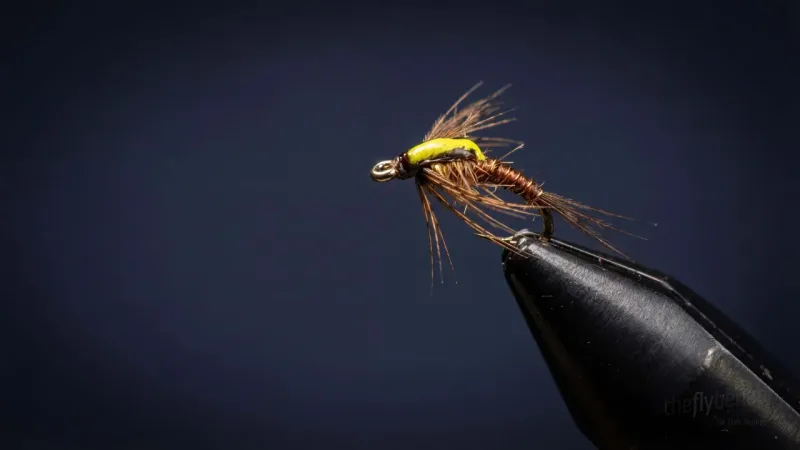
NymphHalfback Emerger
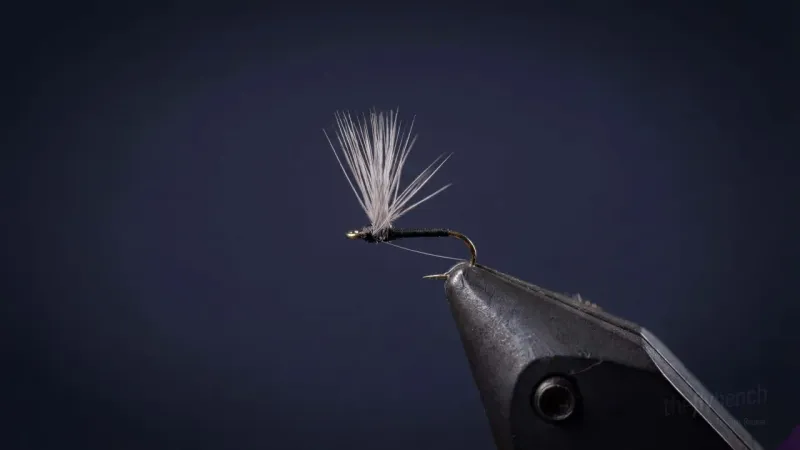
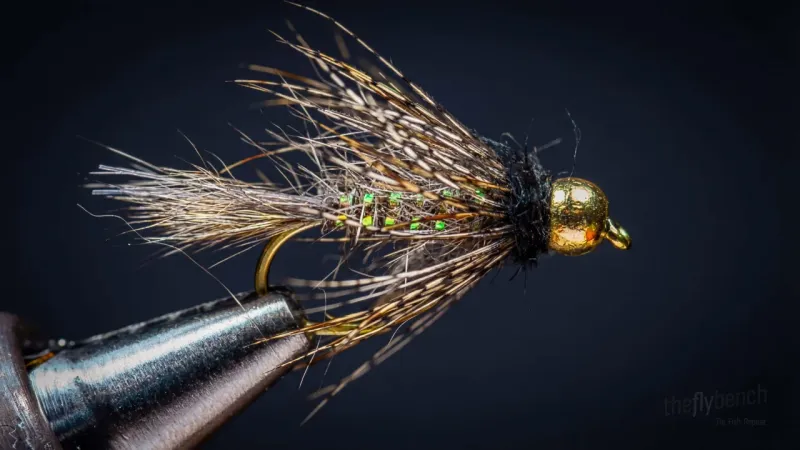
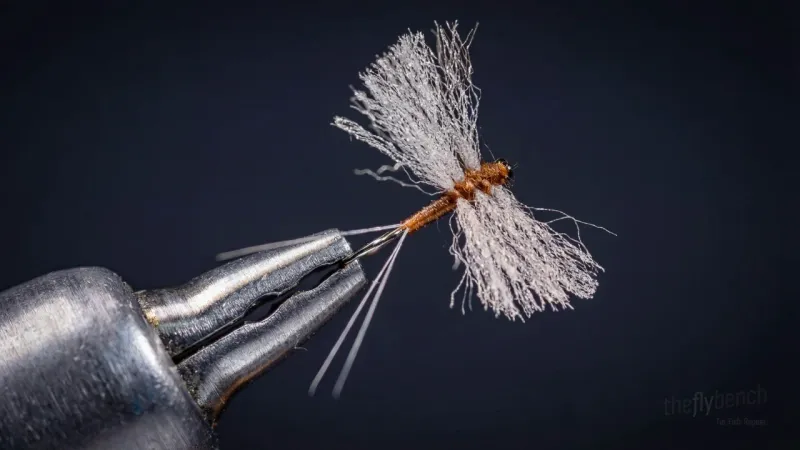
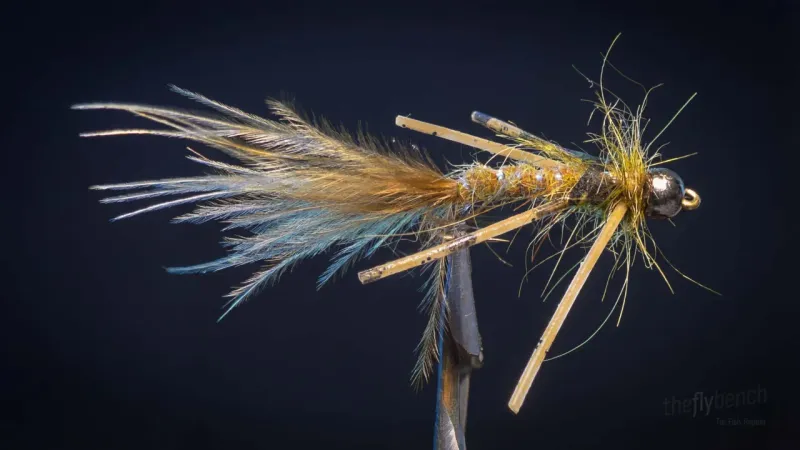
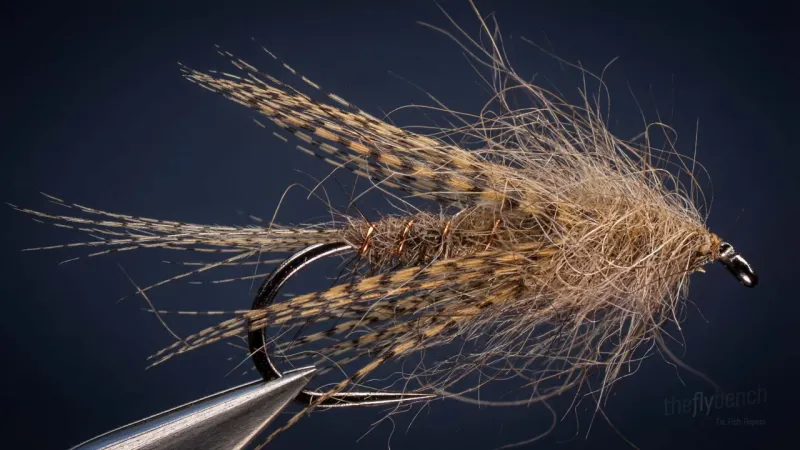
The Halfback Emerger is a classic pattern that imitates a mayfly nymph transitioning into the adult mayfly. Its halfback design provides a realistic profile and it's an effective pattern when mayflies are hatching.
Spring, Summer, Fall
Intermediate
Trout
Apr 2025
Overview
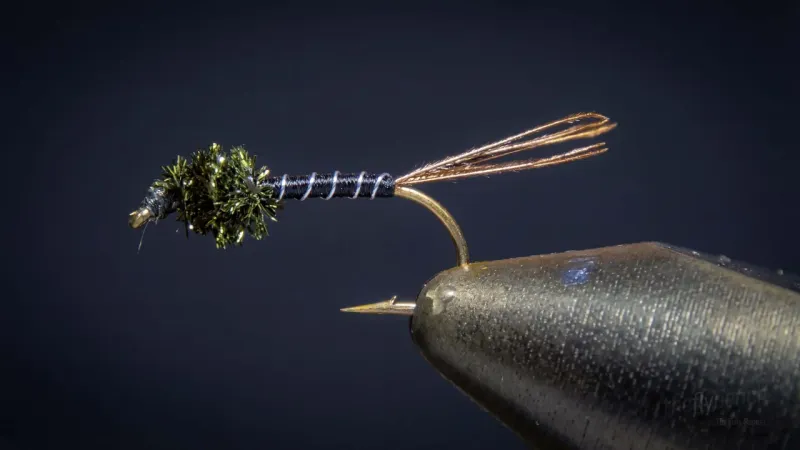
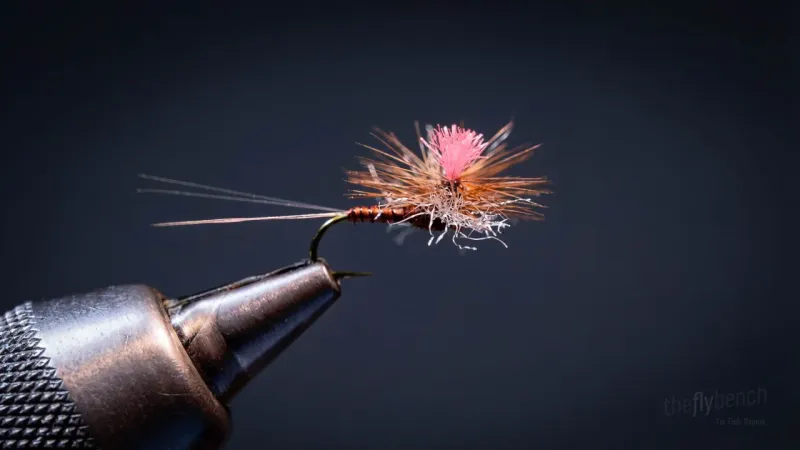
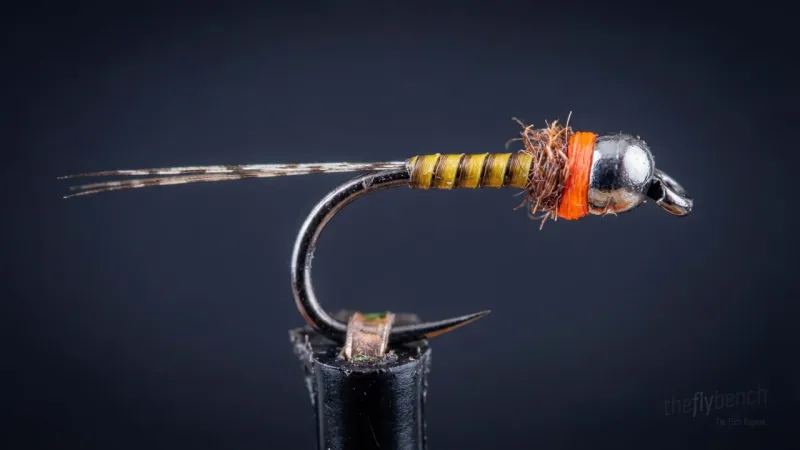
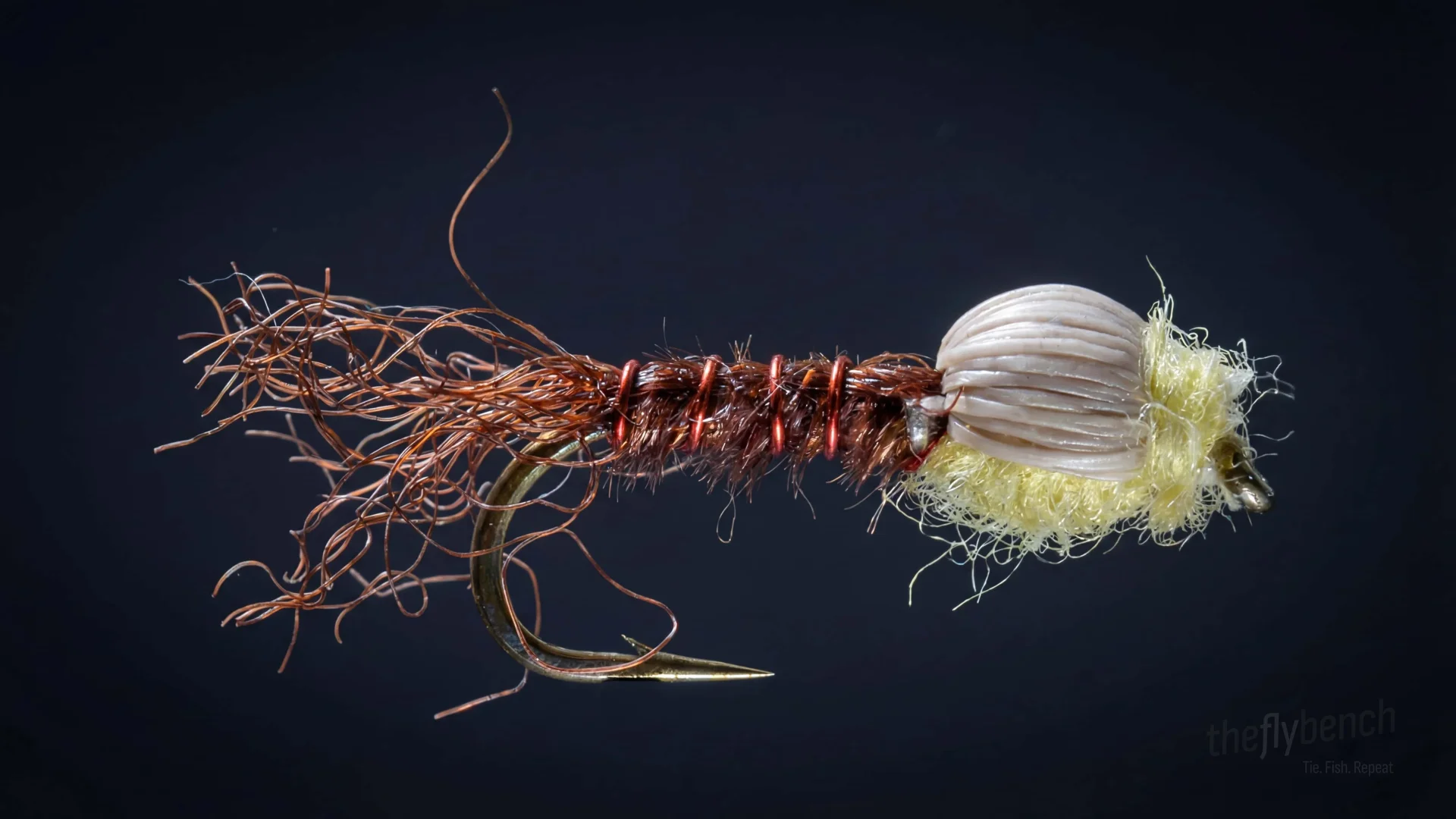
A transitional nymph with a peeking wingcase and leggy thorax made from peacock herl and brown hackle. The abdomen may be more sparsely dubbed than its full nymph cousin, helping the fly ride higher in the water as it mimics an emerging insect.
Where to Buy This Fly
We only link to fly shops we trust. Some links are referral links, which may earn us a commission at no extra cost to you.
Materials
- Hook:
- Tiemco 3769 or Tiemco 100, sizes #12-#20
- Thread:
- Yellow Veevus 14/0
- Tail:
- Brown Sparkle Emerger Yarn
- Body:
- Pheasant Tail
- Rib:
- Copper Small Wire
- Casing:
- Bleached Deer Hair or Elk Hair
- Thorax:
- PMD Superfine Dubbing
Behavior & Presentation
Natural Behavior: Mayfly emergers struggle in the surface film while wings unfurl, trapped between nymphal and adult stages. This 30-60 second vulnerability creates selective feeding opportunities as fish key on helpless insects.
Where Trout Eat It: Film and just subsurface in riffles, runs, and tailouts where emergers concentrate during hatches.
How to Fish It: Dead drift in the film using indicator or tight-line techniques to maintain depth control in transition zones.
Best Water: Runs, pockets, channel swings, tail-outs, and drop-offs where current delivers emerging insects to waiting fish.
Strike Type: Indicator dips, hesitates, or moves unnaturally as fish sip emergers from the film.
Fishing Strategy
Rigging Suggestions: Fish as a dropper 18-24 inches below a heavier anchor nymph. Use 5X or 6X tippet. Consider adding split shot for faster currents.
Seasonal Timing: April through October when mayfly activity peaks. Most productive during BWO hatches in and and PMD hatches in early .
Pro Tips: The resin shellback adds durability and creates light-reflecting flash that triggers strikes. Fish slightly deeper than standard emergers during heavy hatches when competition is high.
Entomology
Mayfly emergers hang suspended in the transitional zone between nymph and adult, partially emerged from their shucks with wings unfurling while they're pinned in the surface film. This vulnerable emergence phase creates exceptional feeding opportunities because insects are completely helpless for 30-60 seconds, allowing fish to feed selectively on emergers while ignoring fully-emerged duns that drift nearby in the same feeding lane.
- Order
- Ephemeroptera
- Common Name
- Mayfly
- Organism Type
- insect
- Life Stage
- general