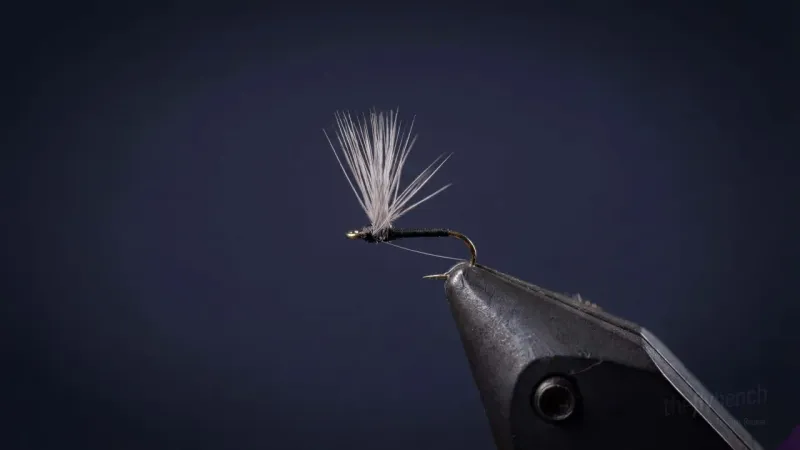
NymphImproved Callibaetis Nymph
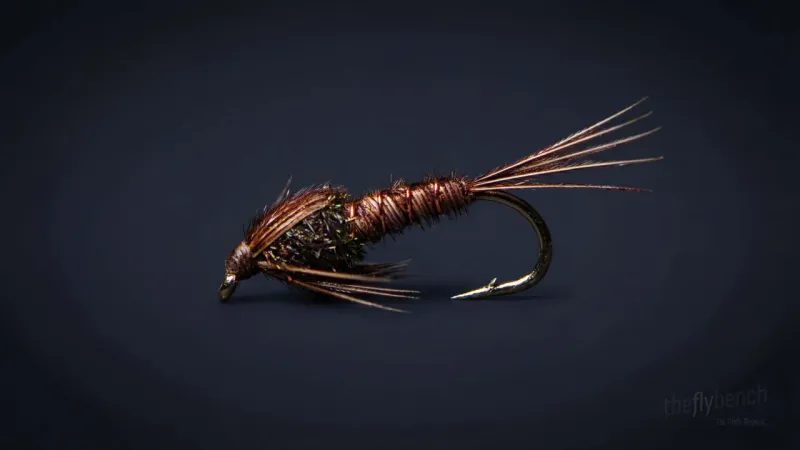
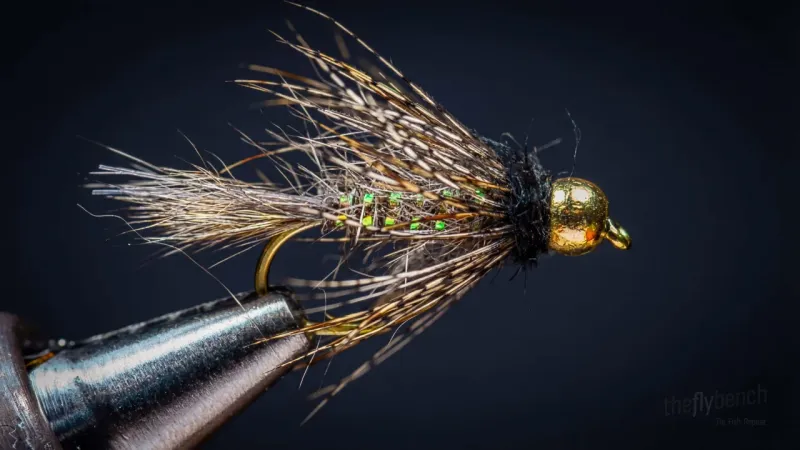
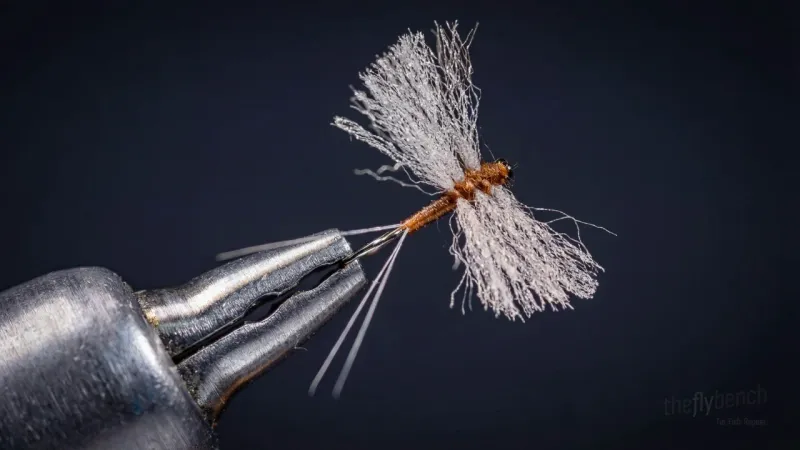
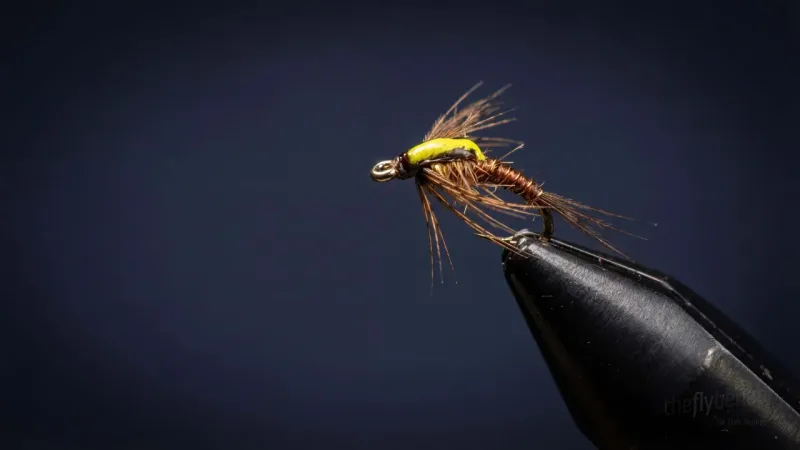
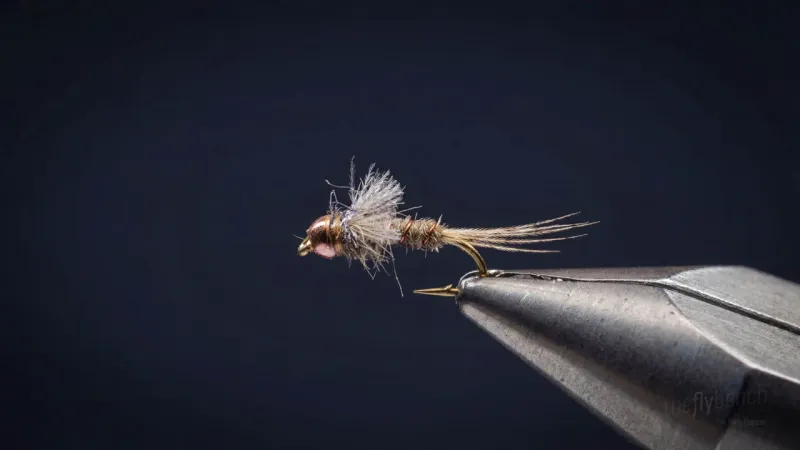
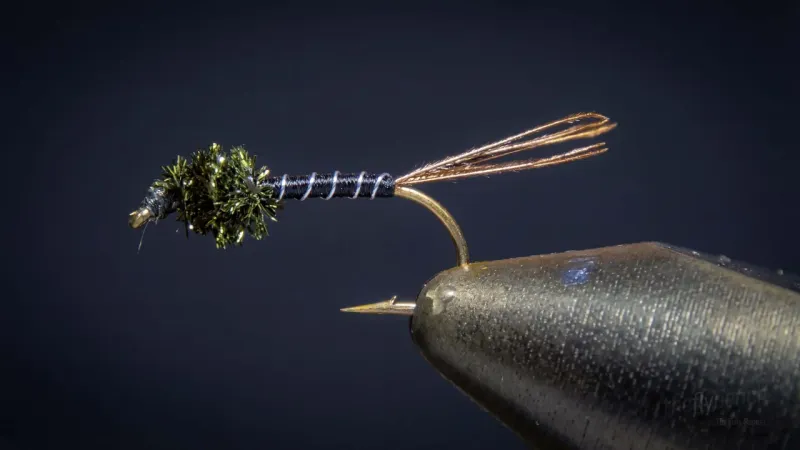
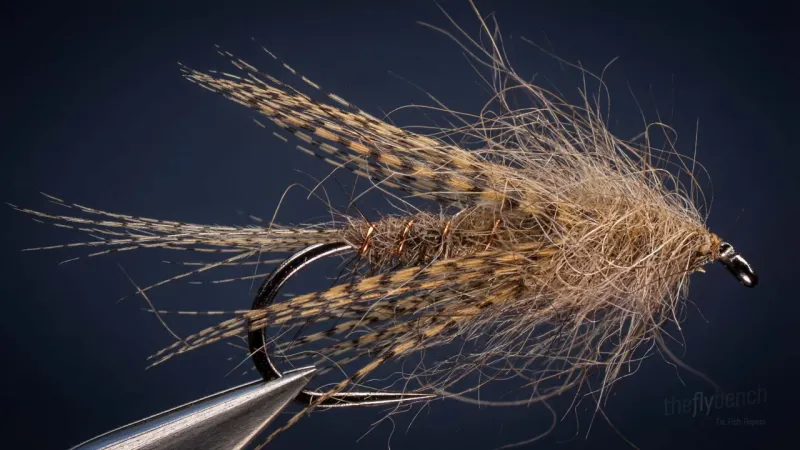
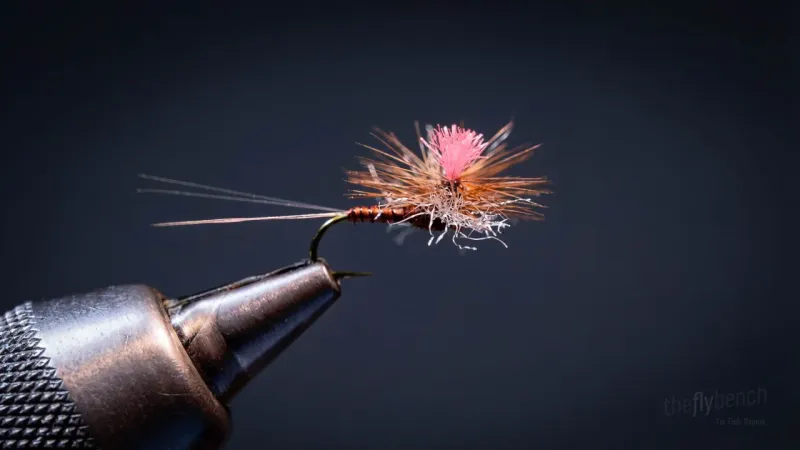
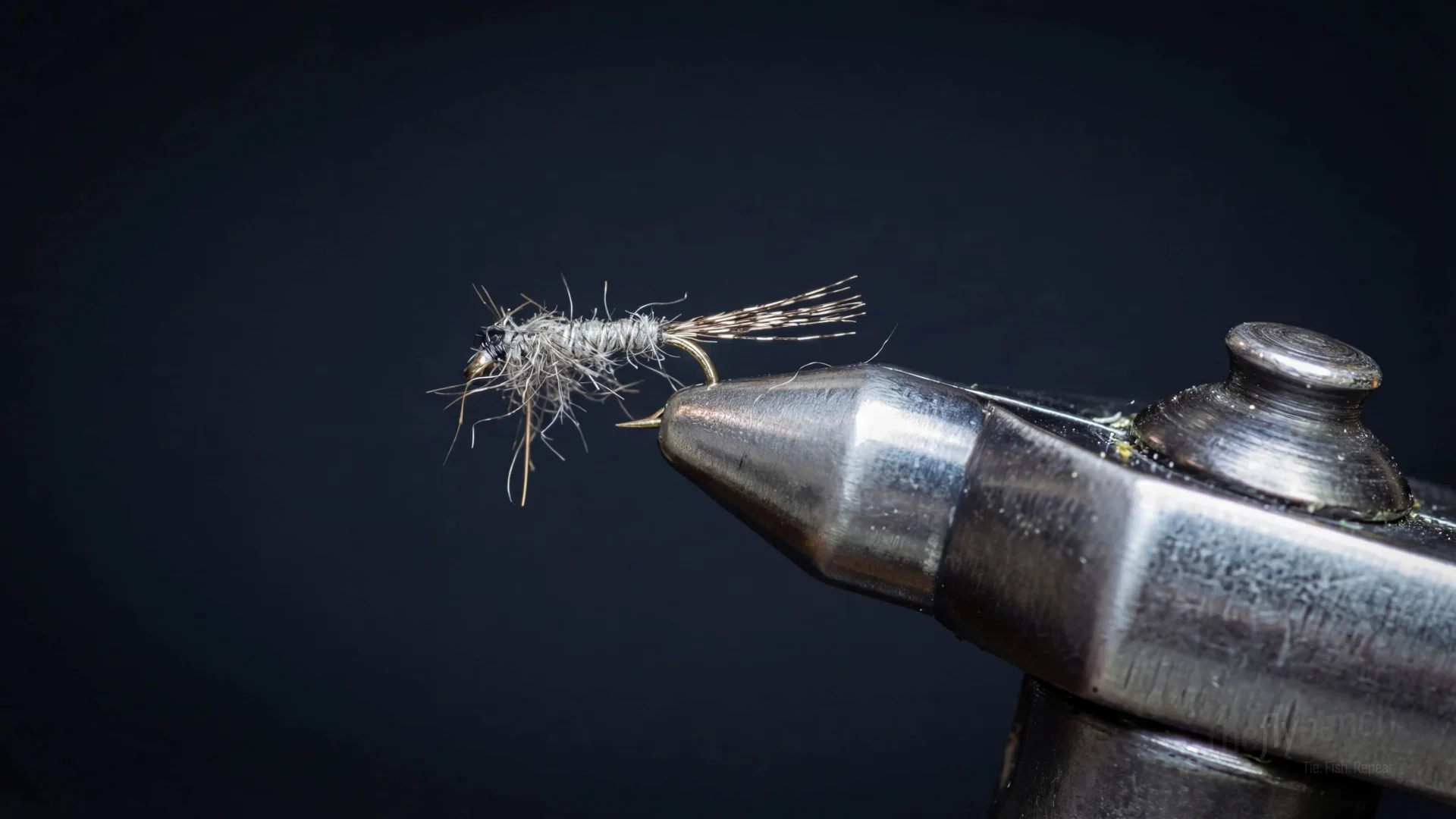
The Improved Callibaetis Nymph is a refined stillwater pattern designed to match the Callibaetis mayflies prevalent in western lakes. The natural teal flank tail provides realistic movement, while the muskrat dubbing body and silver mylar wing case create an impressionistic nymph profile. Available with or without a bead for varied sink rates.
Spring, Summer, Fall
Intermediate
Trout
Dec 2025
Overview
The Improved Callibaetis Nymph builds on traditional Callibaetis patterns with refined material choices. The teal flank tail provides better movement than traditional materials, while the silver wing case adds flash that mimics the gas bubble forming under the wing case of emerging nymphs. Tie with or without the bead to match conditions.
Where to Buy This Fly
We only link to fly shops we trust. Some links are referral links, which may earn us a commission at no extra cost to you.
Materials
- Hook:
- Tiemco 3761 or Umpqua U101, #16
- Thread:
- Uni-Thread, 8/0, black
- Bead:
- Brite Bead, 3/32", nickel (optional)
- Tail:
- Teal Flank, natural
- Body:
- Muskrat Dubbing, natural
- Rib:
- Ultra Wire, small, silver
- Wing Case:
- Mylar Tinsel, medium, silver
Behavior & Presentation
Natural Behavior: Mayfly nymphs drift near the bottom between feeding zones, occasionally swimming toward the surface during emergence. Their vulnerability peaks when dislodged from substrate by current.
Where Trout Eat It: Fish intercept drifting nymphs in feeding lanes near the bottom and in mid-water during emergence movements.
How to Fish It: Dead drift near bottom with indicator rig, lifting occasionally to simulate emergence behavior.
Best Water: Target tail-outs, seams, and riffles edges where nymphs drift after dislodgement.
Strike Type: Watch for indicator hesitation and feel for subtle takes during drift.
Fishing Strategy
Rigging Suggestions: Fish on a floating line with long leader (12-15 feet) to reach feeding depth. Vary retrieve speed to match fish activity.
Seasonal Timing: Most effective from late spring through early fall when Callibaetis hatches occur on lake. Peak activity during afternoon hours.
Pro Tips: Sink rate varies with bead choice. The silver wing case flash helps fish locate the fly.
Entomology
Callibaetis nymphs are strong swimmers that dart between weed beds in stillwaters, using undulating body motions to propel through the water column. Fish eagerly pursue these active nymphs because their swimming behavior triggers predatory instincts and they're abundant in lake environments.
- Order
- Ephemeroptera
- Family
- Baetidae
- Common Name
- Callibaetis
- Organism Type
- insect
- Life Stage
- general