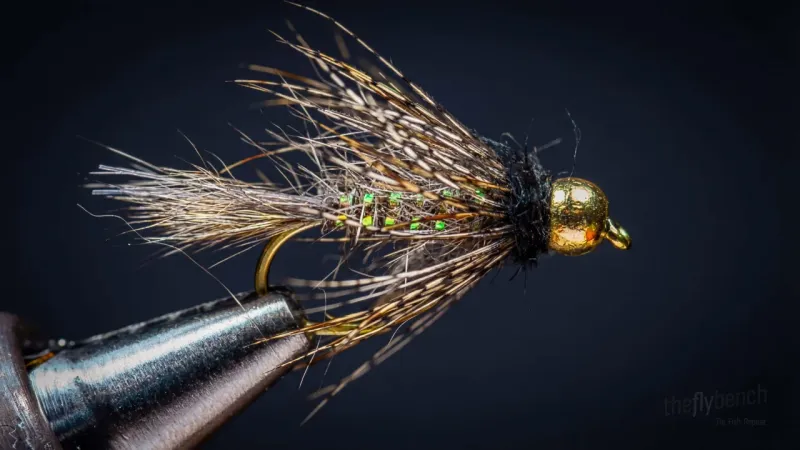
NymphAaron's Callibaetis Nymph
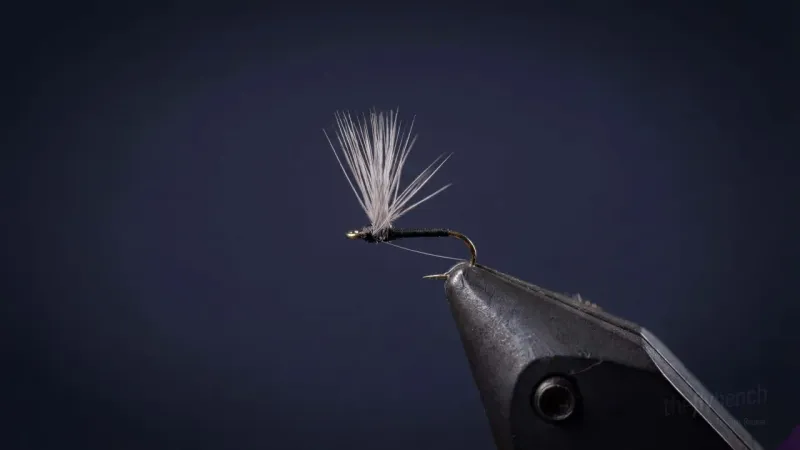
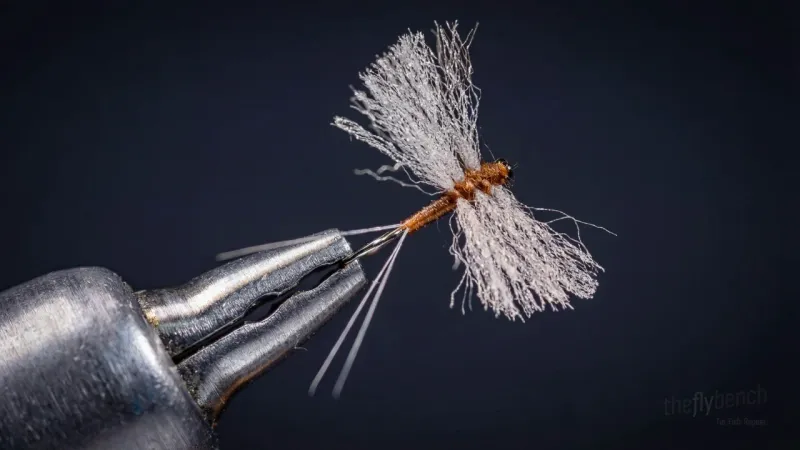
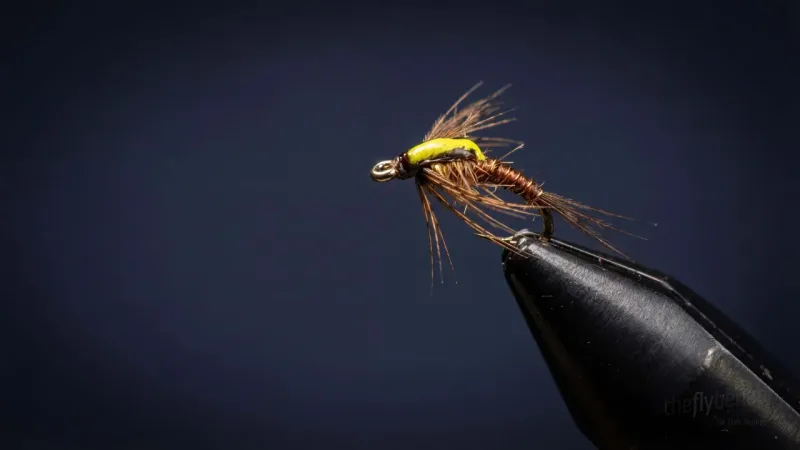
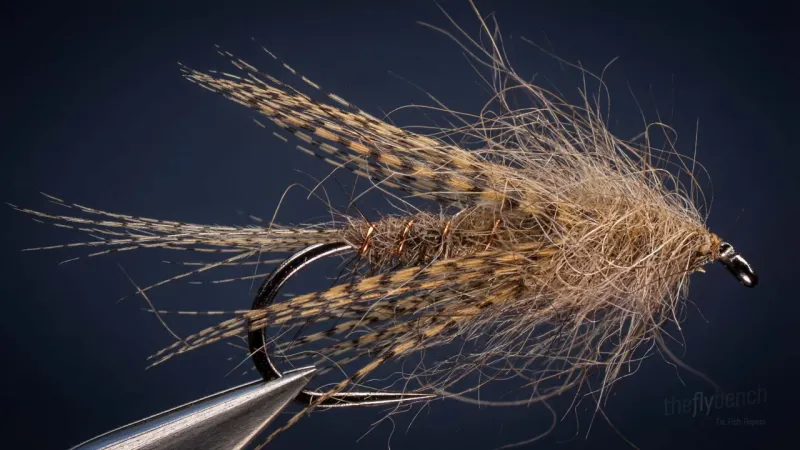
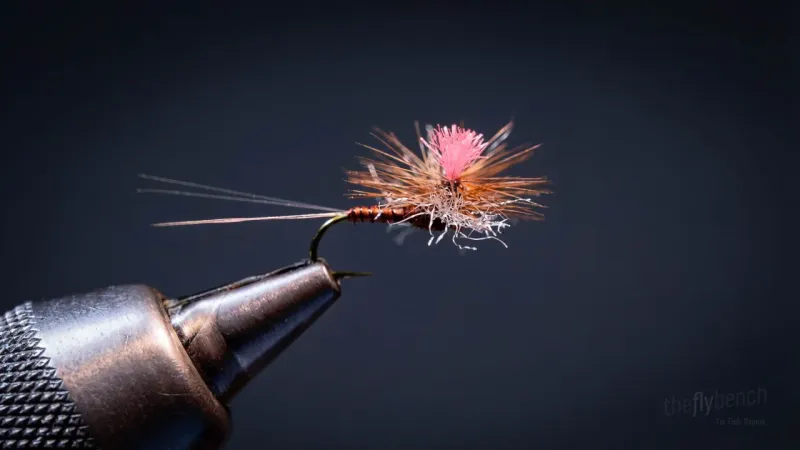
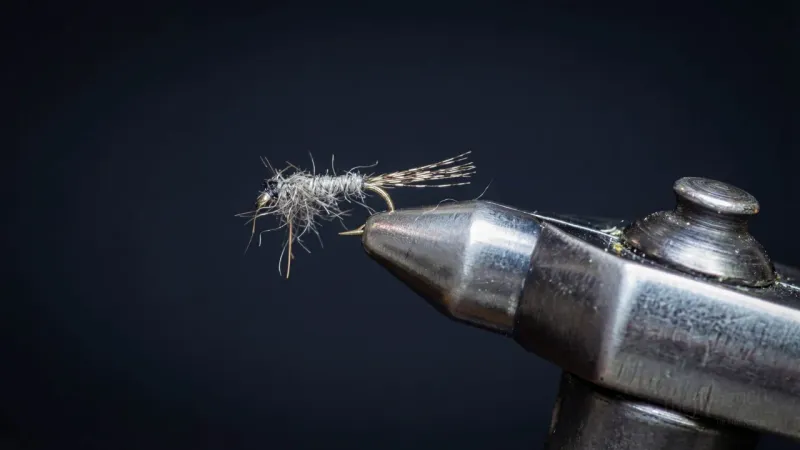
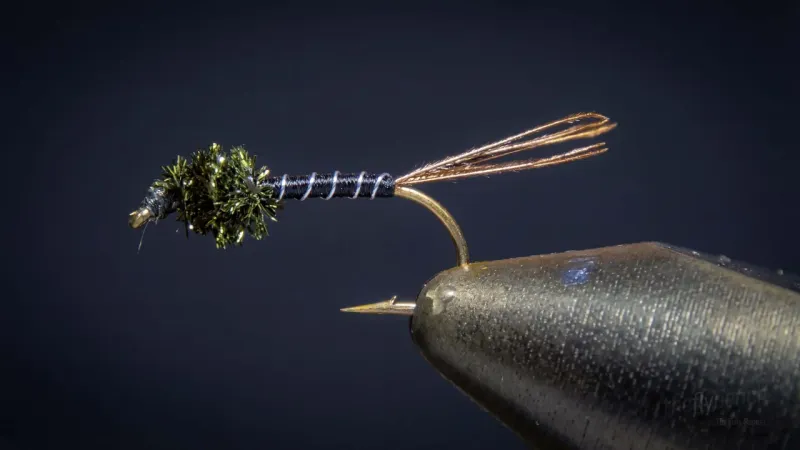
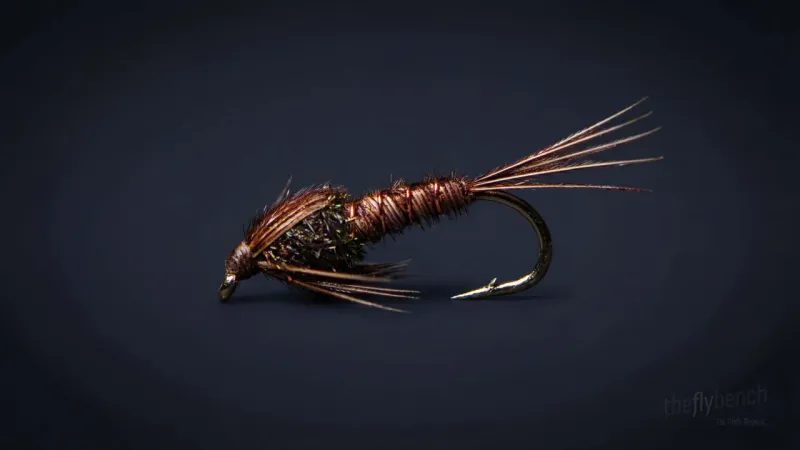
Aaron's Callibaetis Nymph is a purpose-built stillwater pattern designed to match the Callibaetis mayflies prevalent in western lakes and ponds. The muskrat grey dubbing body, mallard flank tail, and UV Ice Dub wing/gill combination create a realistic mayfly nymph profile. The Dazzle Brass bead adds subtle flash and weight.
Spring, Summer, Fall
Intermediate
Trout
Dec 2025
Overview
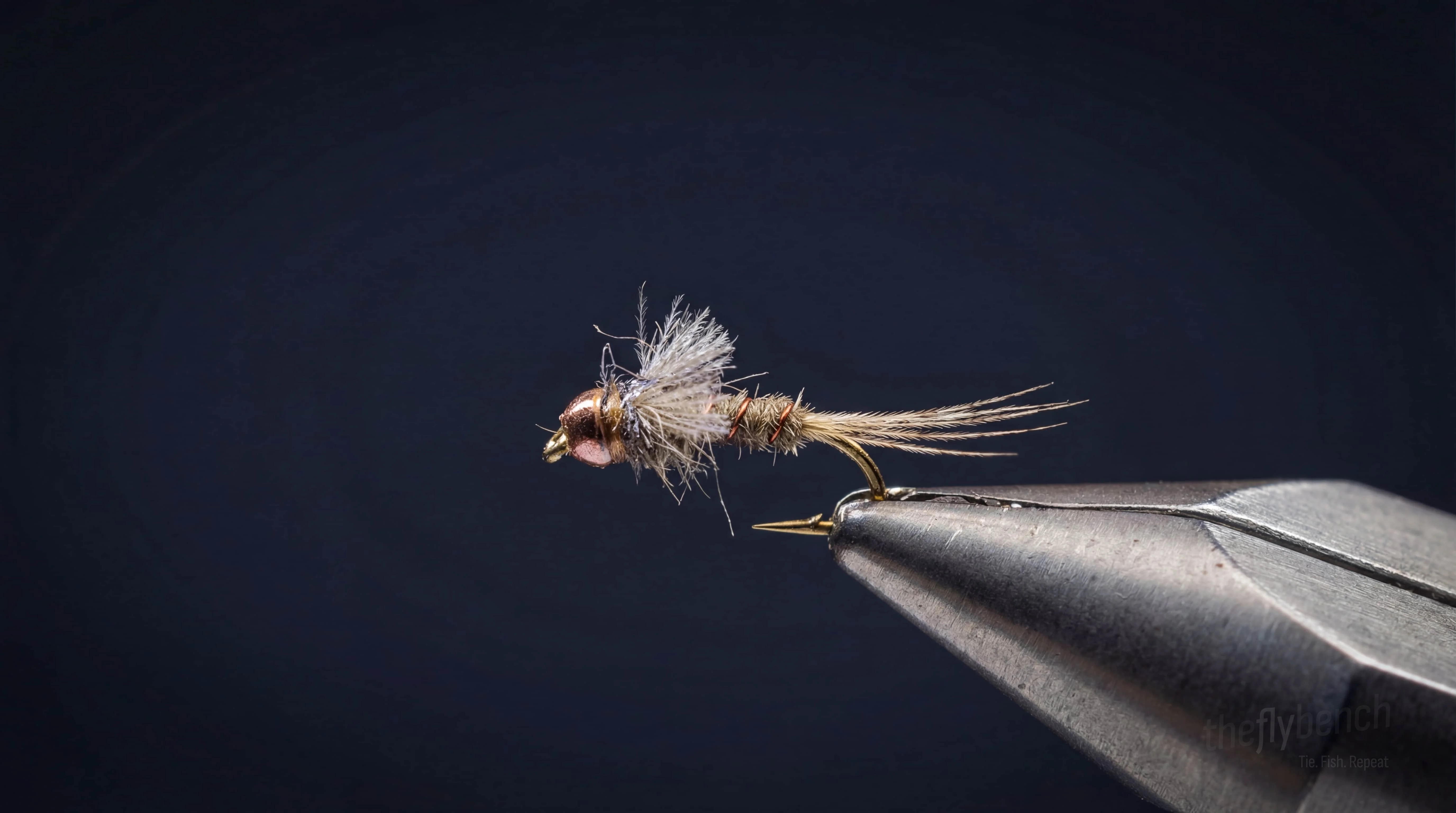
Aaron's Callibaetis Nymph was designed specifically for stillwater fishing where Callibaetis mayflies are the primary food source. The pattern incorporates UV materials in the wing/gill area to add subtle attraction without appearing unnatural. The amber wire rib mimics the segmentation visible on natural nymphs.
Materials
Hook: Tiemco 3761, #16
Thread: Uni-Thread, 8/0, grey
Bead: Dazzle Brass Bead, 5/64", metallic pheasant tail brown
Tail: Mallard Flank, natural
Body: Hare's Mask Dubbing, muskrat grey
Rib: Ultra Wire, small, amber
Wing Case: UTC Flashback Tinsel, medium, black
Wings/Gills: Ice Dub, UV grey
Behavior & Presentation
Natural Behavior: Callibaetis nymphs swim actively through weed beds with graceful undulations, their mottled bodies blending with aquatic vegetation. During emergence periods, they pulse toward the surface in mid-water zones, becoming vulnerable targets as they ascend through open water.
Where Trout Eat It: Trout cruise weed edges and open water in lakes, intercepting ascending nymphs in mid-water zones. In rivers, they target seams and tailouts where dislodged nymphs concentrate.
How to Fish It: Use slow, steady retrieves with pauses in lakes, or dead drift along weed edges. In rivers, indicator rig at appropriate depth to maintain natural drift.
Best Water: Focus on weed edges, grass flats, and shoals in lakes and ponds. Target drop-offs and channel edges where trout cruise during emergence periods.
Strike Type: Cruising fish in lakes take this pattern while moving, causing the indicator to slide sideways before dipping. In rivers, strikes produce subtle indicator twitches as fish tip-up to intercept the drifting nymph, requiring immediate lift-sets to connect before fish reject the artificial.
Fishing Strategy
Rigging Suggestions: Fish on a floating line with long leader (12-15 feet) to reach feeding depth. Intermediate lines work for deeper presentations.
Seasonal Timing: Most effective from late spring through early fall when Callibaetis are active. Peak performance during afternoon hours when nymphs become active.
Pro Tips: Sinks slowly with the brass bead. The UV Ice Dub gills add subtle flash visible to fish.
Entomology
Callibaetis nymphs thrive in stillwater environments with aquatic vegetation, swimming gracefully among weed beds using lateral body undulations and paddle-like tails. Their preference for warm, productive lakes creates boom-and-bust population cycles tied to water temperature, and during peak summer emergence windows when multiple generations overlap, trout key on their distinctive swimming motion and mottled tan coloration while hunting through vegetation corridors.
- Order
- Ephemeroptera
- Family
- Baetidae
- Common Name
- Callibaetis
- Organism Type
- insect
- Life Stage
- general