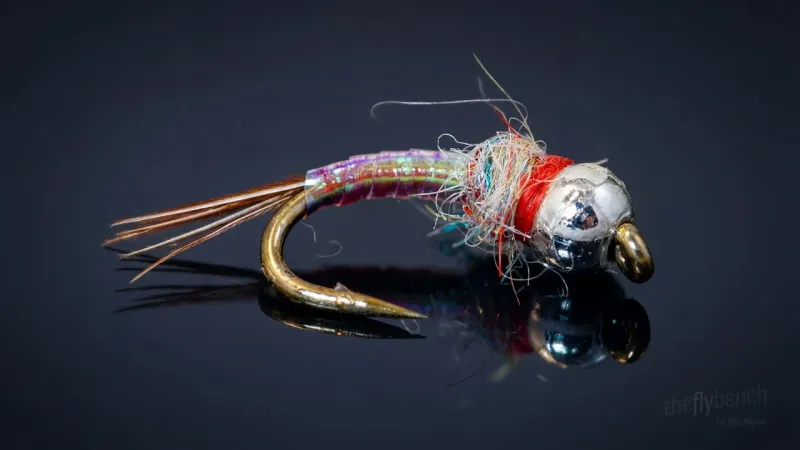
NymphHot Vac
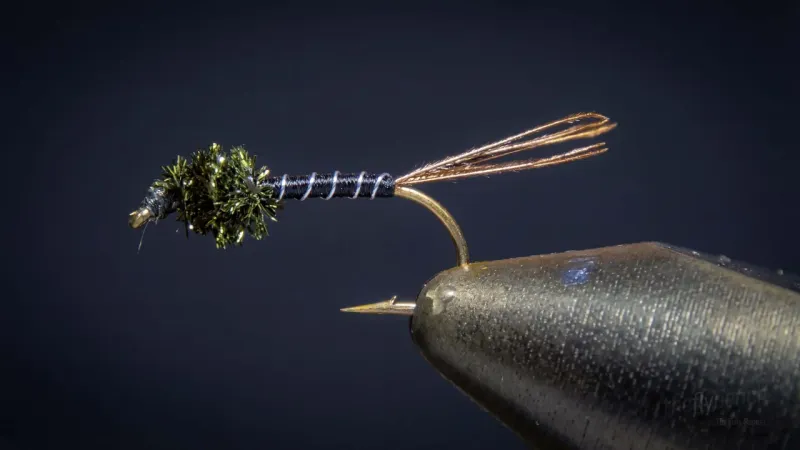
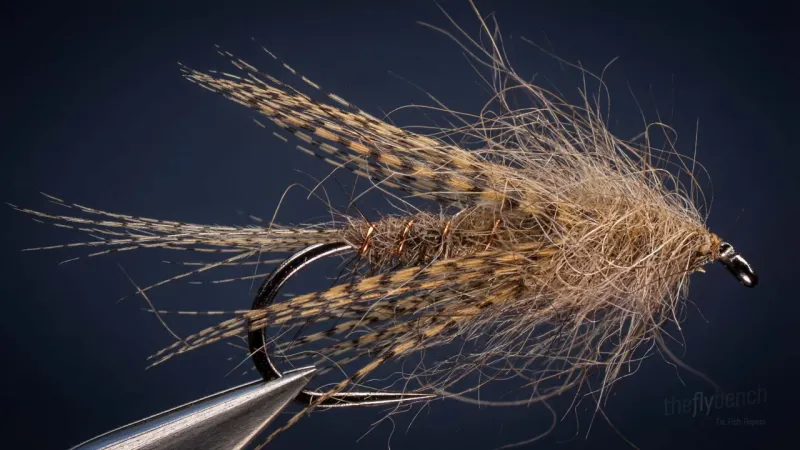
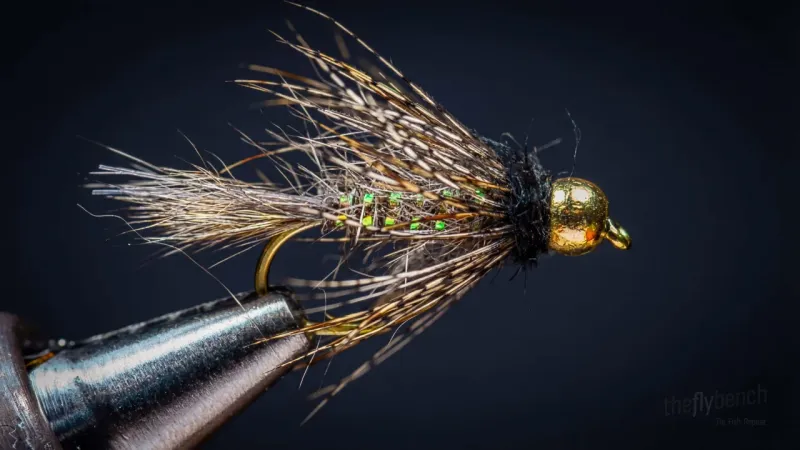
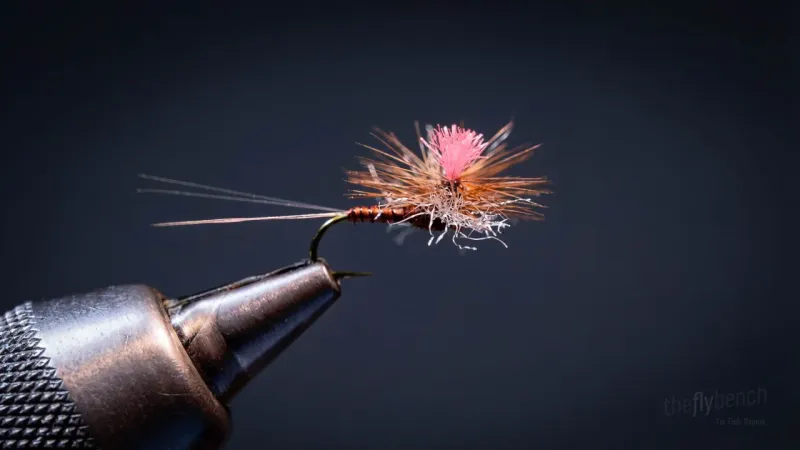
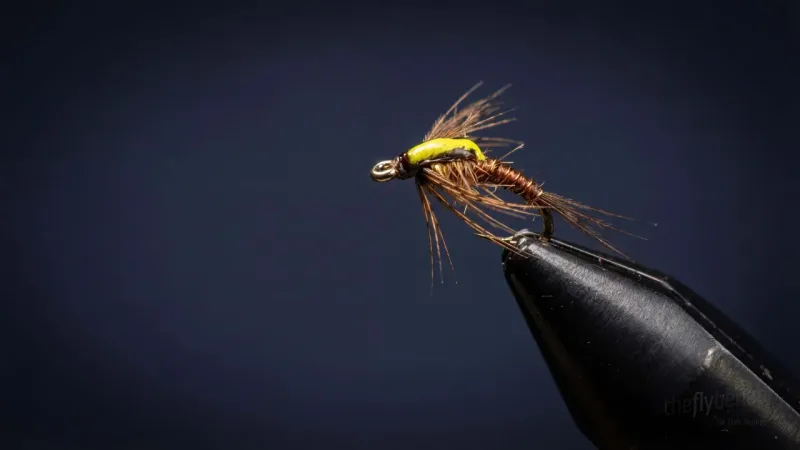
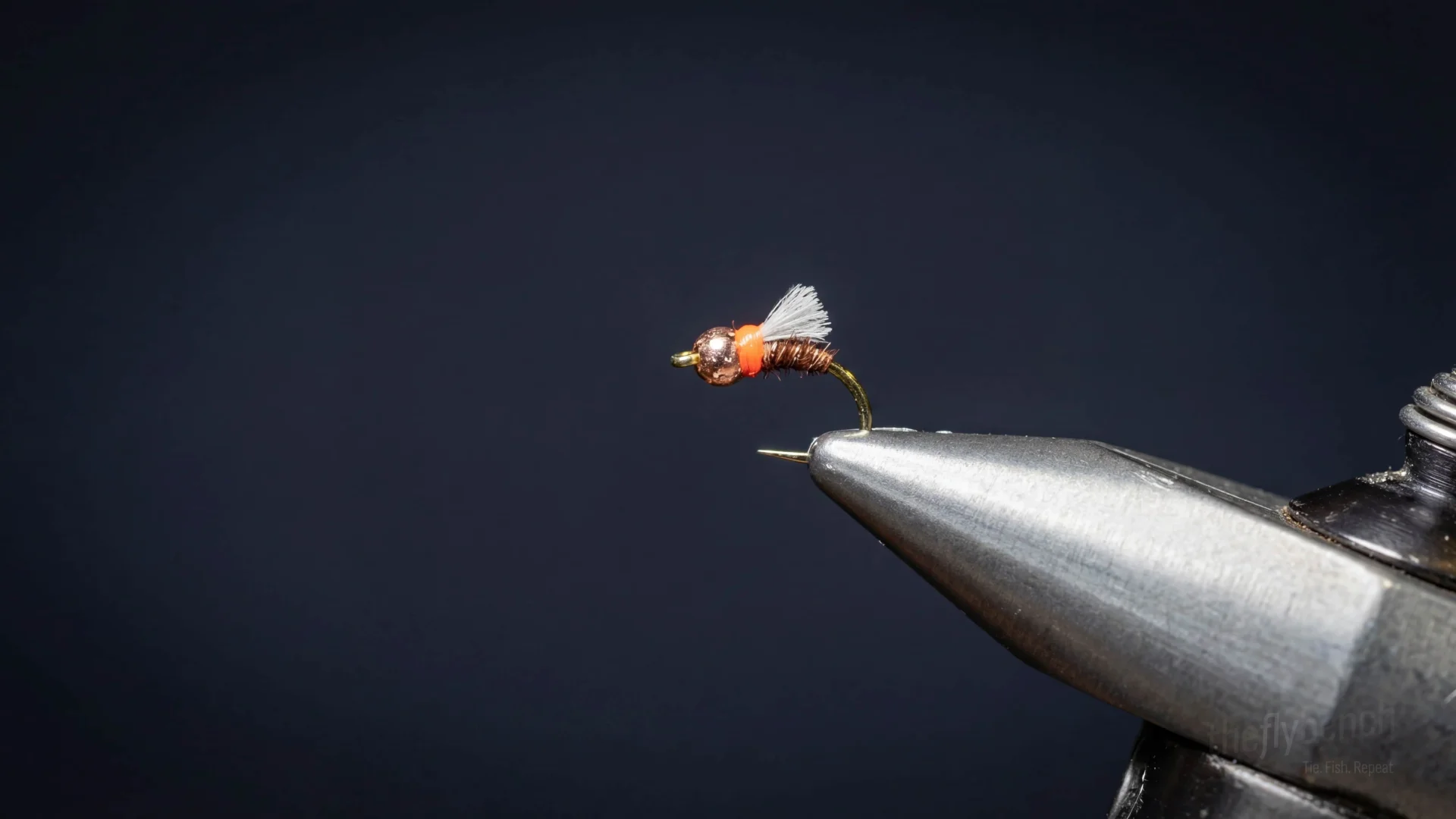
The Hot Vac is a tungsten-beaded pheasant tail variant featuring a fluorescent red hot spot and grey EP fiber wing. The natural pheasant tail body and copper wire rib create a classic nymph profile, while the bright thread collar adds a trigger point that attracts fish. Simple to tie yet highly effective.
Year Round
Beginner
Trout
Dec 2025
Overview
The Hot Vac combines proven pheasant tail nymph elements with modern materials. The fluorescent red thread creates a visible hot spot behind the bead that triggers strikes from curious trout. The grey EP fiber wing adds movement and suggests emerging wing pads. A reliable pattern that produces in varied conditions.
Materials
Hook: Tiemco 2488H, #16
Thread: Semperfli Classic Waxed Thread, 8/0, fluorescent red
Bead: Tungsten Bead, 3/32" (2.4mm), copper
Body: Pheasant Tail, natural
Rib: Ultra Wire, extra small, copper
Wing: EP Sculpt-A-Fly Fibers, grey
Behavior & Presentation
Natural Behavior: Baetis nymphs cling to rocks in moderate current, periodically releasing to drift between feeding stations with legs trailing and wing pads emerging. The dark pheasant tail body with emerging grey wing pad suggests nymphs in their final instar before emergence, drifting helplessly with the distinctive posture of pre-emergent mayflies preparing to ascend toward the surface.
Where Trout Eat It: Trout hold in 2-4 foot feeding lanes during Baetis emergence, keyed on drifting nymphs with emerging wing pads. The red hot spot and grey EP fiber suggest vulnerable emergers.
How to Fish It: Dead drift near bottom using indicator or euro rigs. The copper tungsten bead sinks quickly to mayfly feeding zones with the red collar providing trigger point.
Best Water: Target moderate runs with consistent current (2-4 feet) and riffle edges where hatches occur.
Strike Type: Watch for sharp indicator drops or feel sudden stops during euro-nymphing—the copper tungsten bead telegraphs strikes clearly as trout intercept drifting nymphs with quick, decisive takes near the bottom.
Fishing Strategy
Rigging Suggestions: Fish below an indicator or as part of a euro nymphing rig. Works well as either point or dropper fly.
Seasonal Timing: , particularly during Baetis and PMD hatches when pheasant tail colorations match the naturals.
Pro Tips: Sinks quickly with the tungsten bead. The red thread collar provides a visible attractor element.
Entomology
Baetis nymphs cling to rocks and aquatic vegetation in moderate to fast currents, periodically dislodging and drifting as they move between feeding stations. Their small size, high abundance, and year-round availability make them a staple food source that trout actively seek.
- Order
- Ephemeroptera
- Family
- Baetidae
- Common Name
- Baetis
- Organism Type
- insect
- Life Stage
- general