
Overview
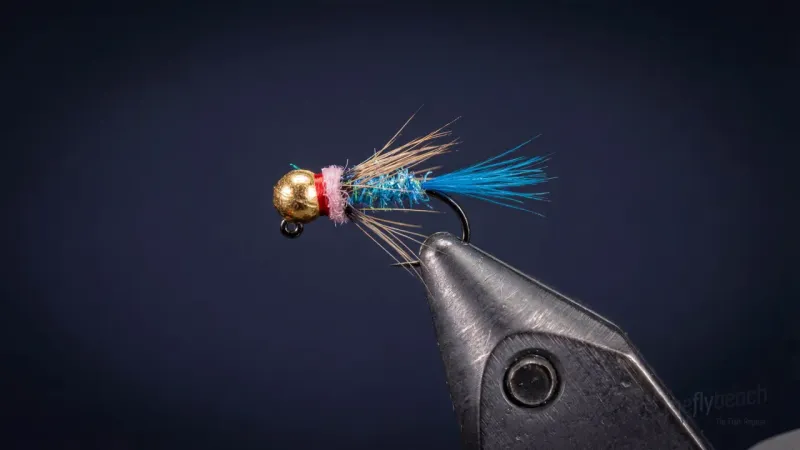
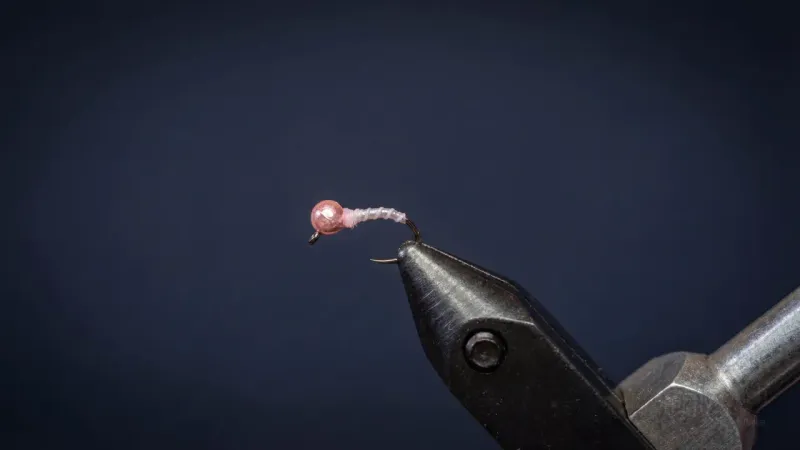
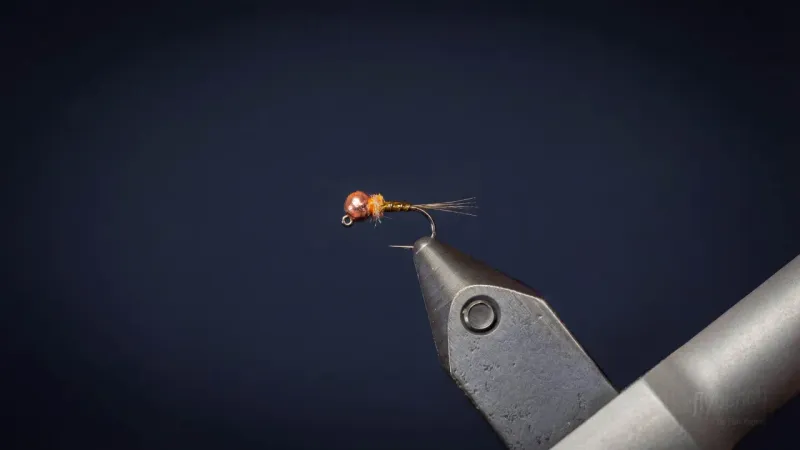
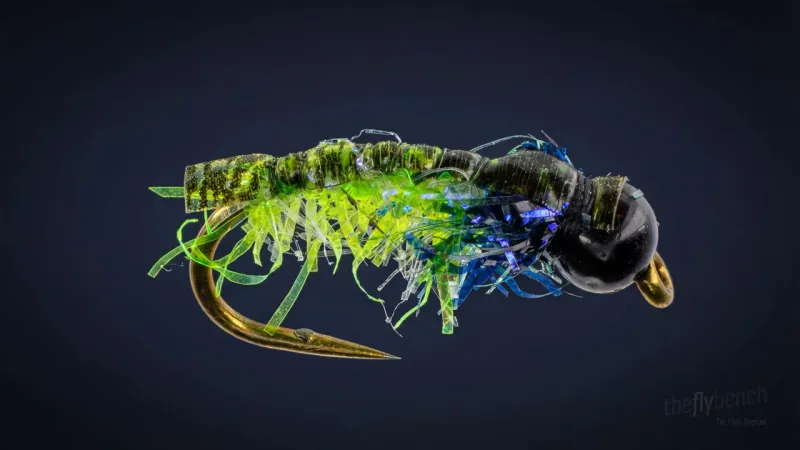
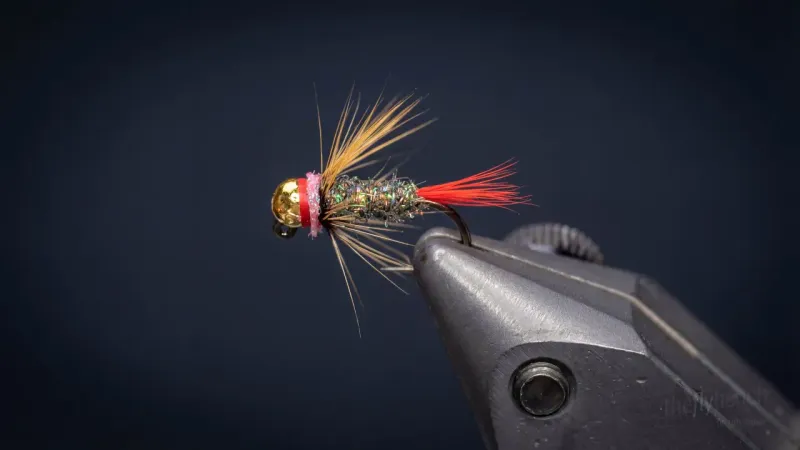
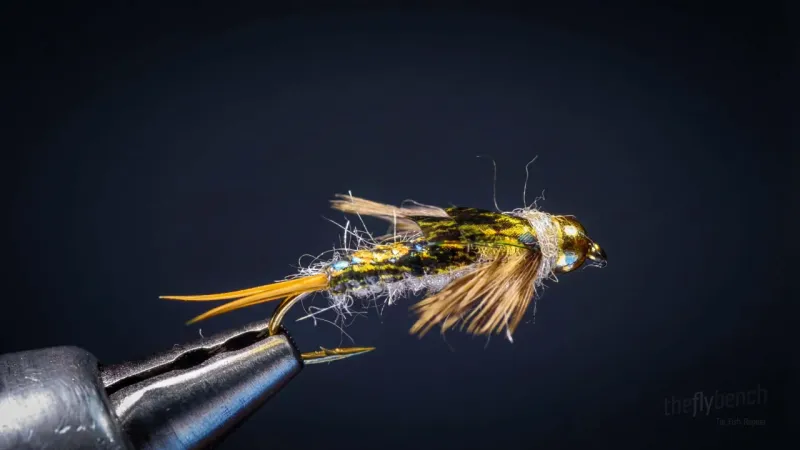
Designed by Lance Egan, a renowned competitive fly fisherman and Team USA member, this pattern showcases his expertise in euro nymphing techniques. The blue coloring specifically targets blue-winged olive hatches, which are prevalent during spring and fall. The soft hackle provides subtle movement and lifelike motion in the water. The pattern can be tied with or without additional lead wire depending on water depth and current speed.
Related patterns
Behavior & presentation
- Natural Behavior
- Baetis nymphs dominate winter and spring drift samples, maintaining active feeding behavior even in cold water when other mayflies enter dormancy. Fish prioritize these cold-water specialists because they represent the most abundant protein source during low-productivity periods, with their continued activity filling ecological feeding niches when alternatives are scarce.
- Where Trout Eat It
- Trout key on this during BWO hatches in tailwater runs and technical spring creek seams.
- How to Fish It
- Tight-line euro nymph with 5X-6X tippet using high-stick technique. The soft hackle pulses naturally in current.
- Best Water
- Tailwater seams and spring creek riffles where Baetis dominate cold-water feeding periods.
- Strike Type
- Fish hit during tight-line drifts with characteristic taps, sighter sags, or momentary stops in leader movement; execute quick lift-set keeping rod high to leverage the soft hackle collar's natural hooking angle.
Fishing strategy
- Rigging Suggestions
- Use 10-12 foot leader with 5X or 6X tippet for euro nymphing setups. Fish as the point fly with a lighter pattern as a dropper, or use alone in shallow water.
- Seasonal Timing
- and fall Baetis (blue-winged olive) hatches, typically March through May and September through November. Also productive in high-altitude streams during summer months when BWOs remain active.
- Pro Tips
- Sinks quickly with the 3.5mm tungsten bead, reaching depths of 3-5 feet rapidly. The kingfisher blue dubbing and opalescent ribbing create subtle flash and attraction without spooking fish.
Where to fish it
Rivers anglers pair with this fly, with local shops that stock it.
River details and fly shops from River & Run, our sister site.
Entomology
Baetis nymphs dominate winter and spring drift samples, maintaining active feeding behavior even in cold water when other mayflies enter dormancy. Fish prioritize these cold-water specialists because they represent the most abundant protein source during low-productivity periods, with their continued activity filling ecological feeding niches when alternatives are scarce.
- Order
- Ephemeroptera
- Family
- Baetidae
- Common name
- Baetis
- Organism
- insect
- Life stage
- nymph
Pattern details
- Moving Water
- Rocky Mountain
- tight-line-nymph
- competition
- dead-drift
- baetis-hatch
- attractor
- searching-pattern
- high-water
- low-clear-water
- tailwater
- freestone
- spring-creek