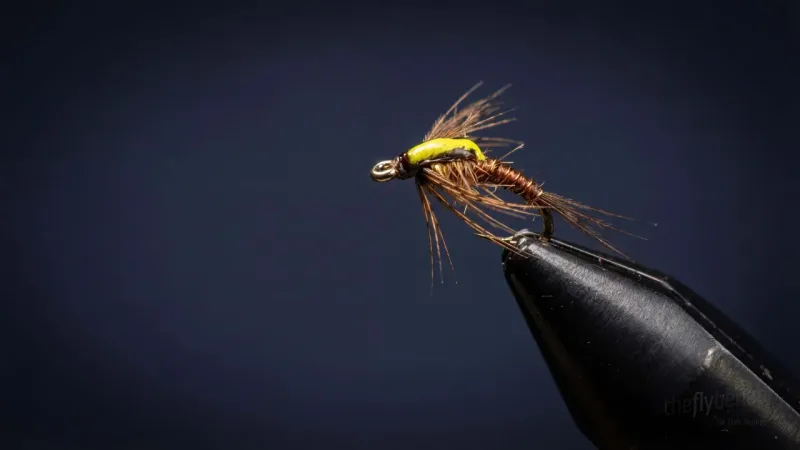
NymphGuides Choice Hares Ear
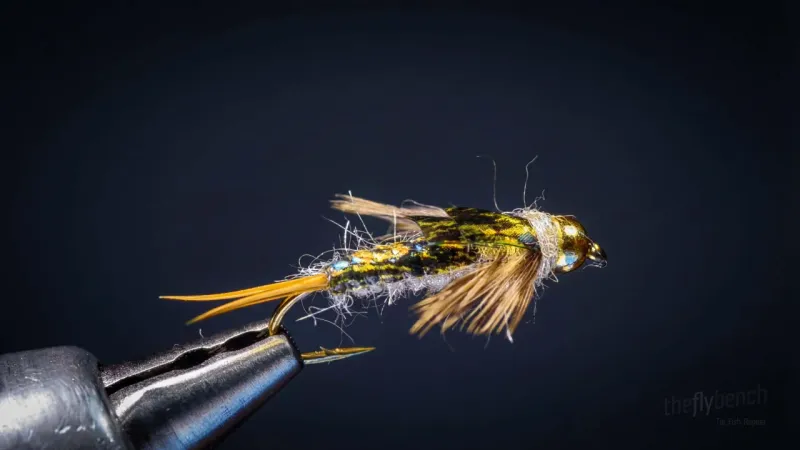
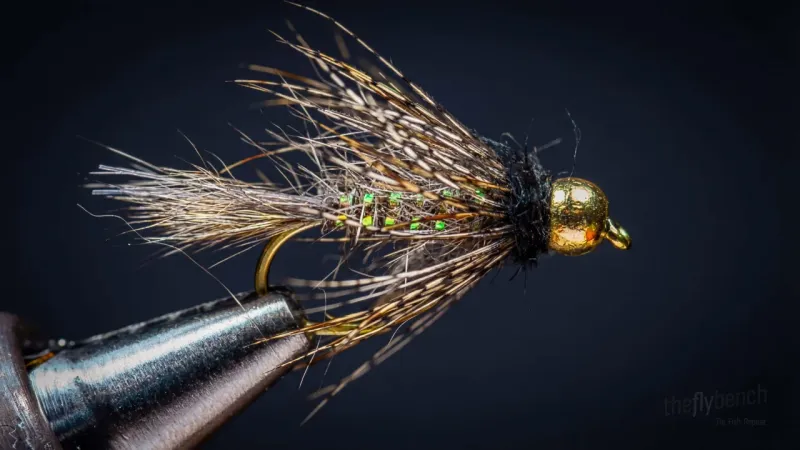
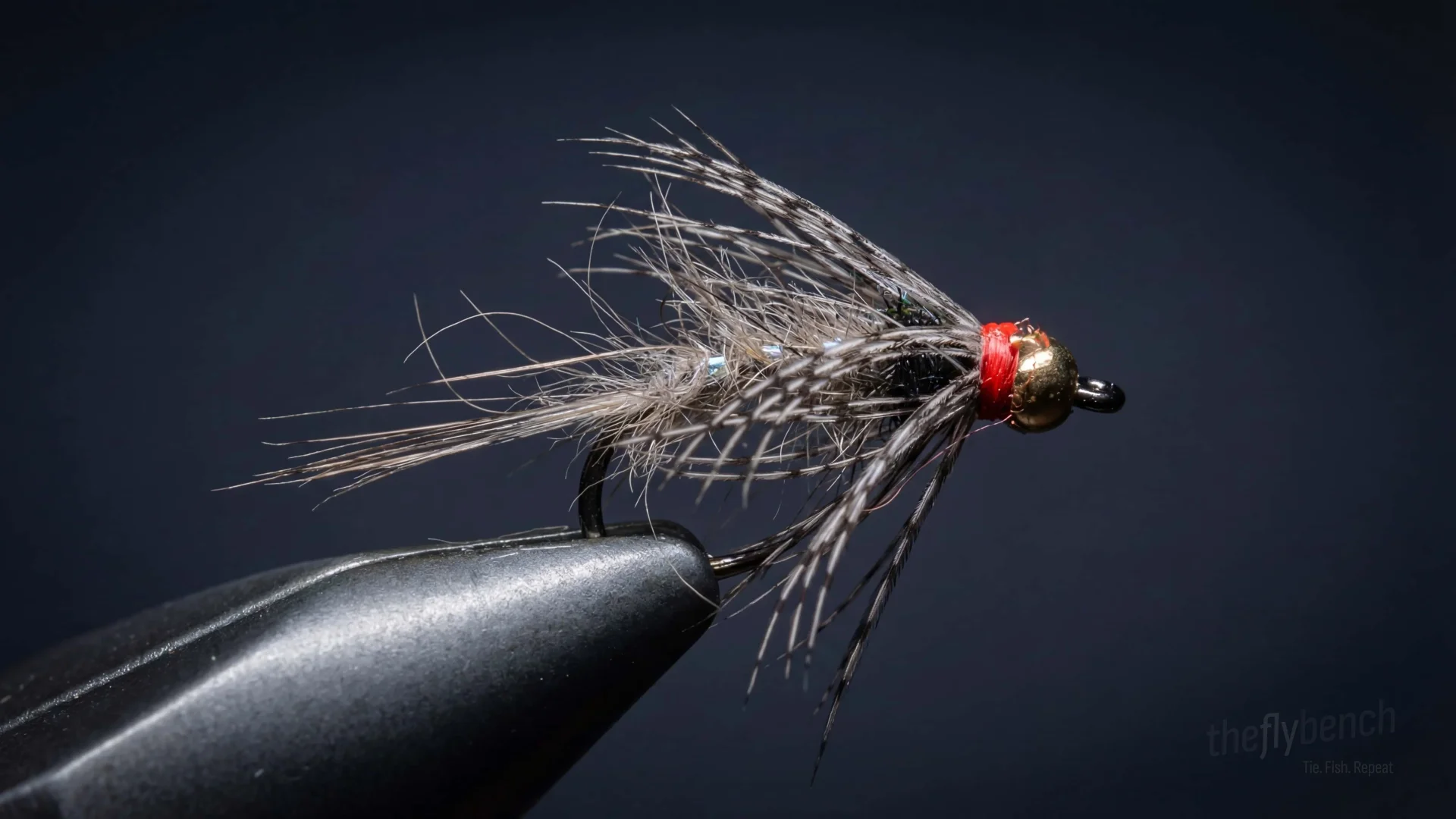
The Guides Choice Hares Ear is a variant of the original Hares Ear nymph, but with a hot spot and soft hackle to make it more attractive to fish. It's a versatile fly that imitates a broad range of aquatic insects including mayfly nymphs, caddis larvae, and small stoneflies.
Spring, Summer, Fall, Winter
Intermediate
Trout
Apr 2025
Overview
A modern twist on the classic, this version includes a soft hackle collar (usually partridge), a bead head for weight, and a hotspot or flash ribbing. The buggy body of hare's ear remains, making it a go-to attractor nymph for guides across the country.
Where to Buy This Fly
We only link to fly shops we trust. Some links are referral links, which may earn us a commission at no extra cost to you.
Materials
- Hook:
- Tiemco 5262, sizes #14-18
- Bead:
- Gold Tungsten Bead 7/64
- Weight:
- .015 Lead Free Wire
- Thread:
- Red Veevus 14/0
- Tail:
- Partridge Feather or Natural or Brown Coq De Leon Hen
- Body:
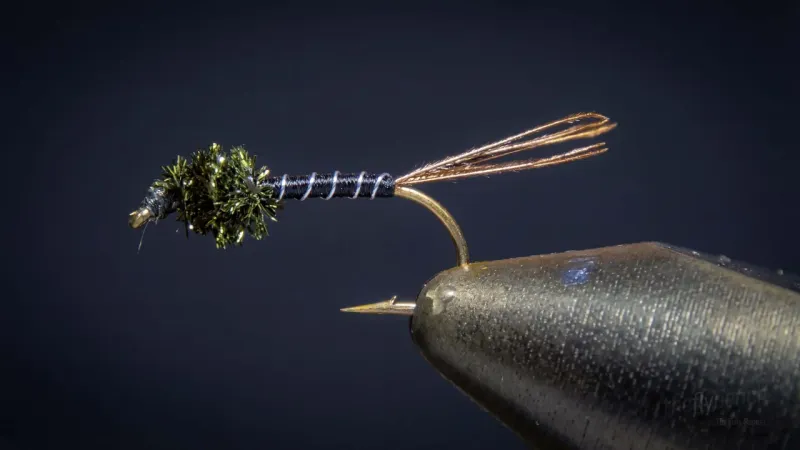
- Ginger Hare's Mask Dubbing
- Rib:
- Pearl Krystal Flash
- Flashback:
- Large Mirage Tinsel
- Thorax:
- Peacock Herl
- Collar:
- Partridge Feather or Natural or Brown Coq De Leon Hen
Behavior & Presentation
Natural Behavior: Small stonefly nymphs crawl actively through gravel spaces in riffles, occasionally swept into the drift where their bristly profile and segmented body create distinctive underwater silhouettes. This attractor pattern appeals to opportunistic feeders by suggesting multiple food forms.
Where Trout Eat It: Fish intercept this pattern near the bottom in riffles, runs, and pocket water in streams, and around weed beds at 5-15 feet in lakes.
How to Fish It: Dead-drift near the bottom using indicator or tight-line techniques, maintaining natural drift.
Best Water: Most effective in runs, pockets, channel swings, tail-outs, and drop-offs where current delivers generic nymph forms.
Strike Type: Indicator stops, twitches, or moves upstream against current—strikes on this attractor can be aggressive or subtle.
Fishing Strategy
Rigging Suggestions: Use 4X or 5X tippet depending on water clarity and fish size. Effective as a lead fly in a tandem rig with a smaller midge or mayfly pattern 16-20 inches below, or fished under a strike indicator.
Seasonal Timing: Year-round effectiveness makes this a true four-season pattern. Most productive during mayfly emergences from March through May and feeding periods in September and October, but works in all water temperatures.
Pro Tips: The gold tungsten bead gets the fly down quickly in heavy water and adds attraction. The hare's ear dubbing creates a buggy profile that suggests multiple food sources. This versatility makes it a guide favorite for prospecting water.
Entomology
Small stonefly nymphs crawl actively through gravel interstices in riffles, occasionally getting swept into the drift where their bristly profile and segmented body creates a distinctive underwater silhouette. This weighted attractor pattern appeals to opportunistic feeders because its suggestive buggy appearance matches multiple food forms, triggering strikes from fish that key on generic nymph characteristics rather than exact imitation during prospecting situations.
- Order
- Plecoptera
- Common Name
- Stonefly
- Organism Type
- insect
- Life Stage
- nymph