Dry FliesGinger Quill
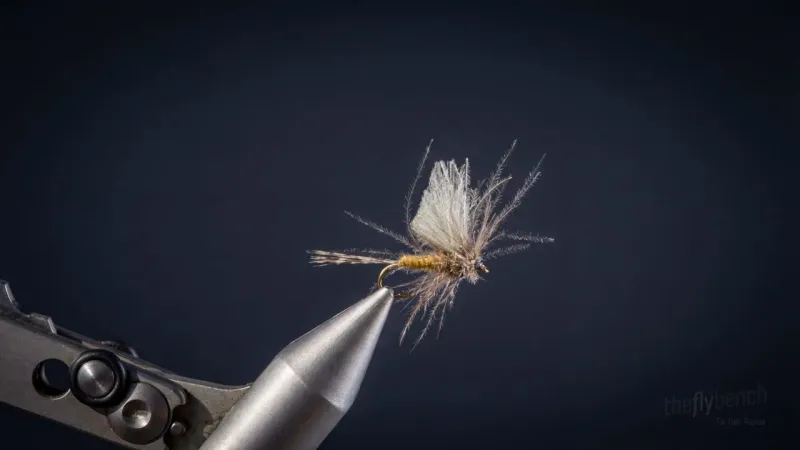
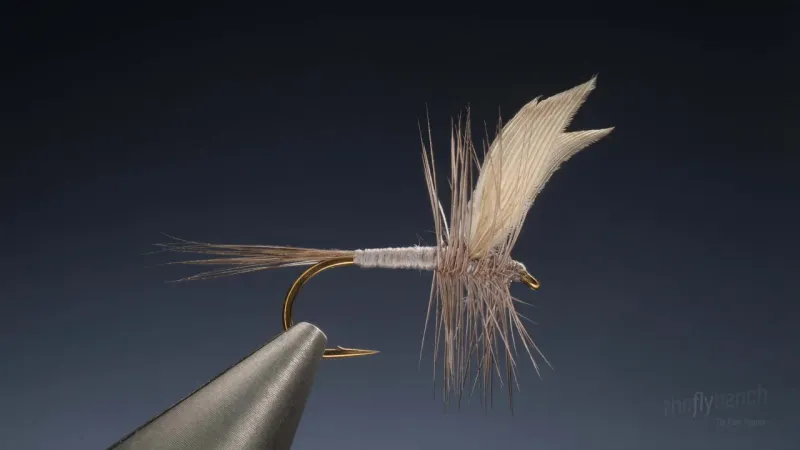
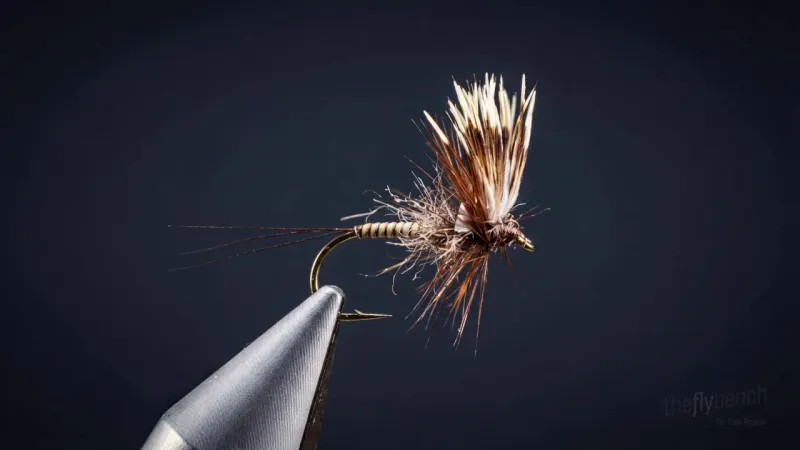
The Ginger Quill is a classic dry fly pattern with origins stretching back more than 200 years, making it one of the oldest and most revered patterns in fly fishing history. Tied in the traditional Catskill style, this elegant fly features a slender stripped peacock quill body that creates a beautifully segmented appearance no other material can replicate. Despite its age, the Ginger Quill remains highly effective at fooling selective trout.
Spring, Summer, Fall
Advanced
Trout
Dec 2025
Overview
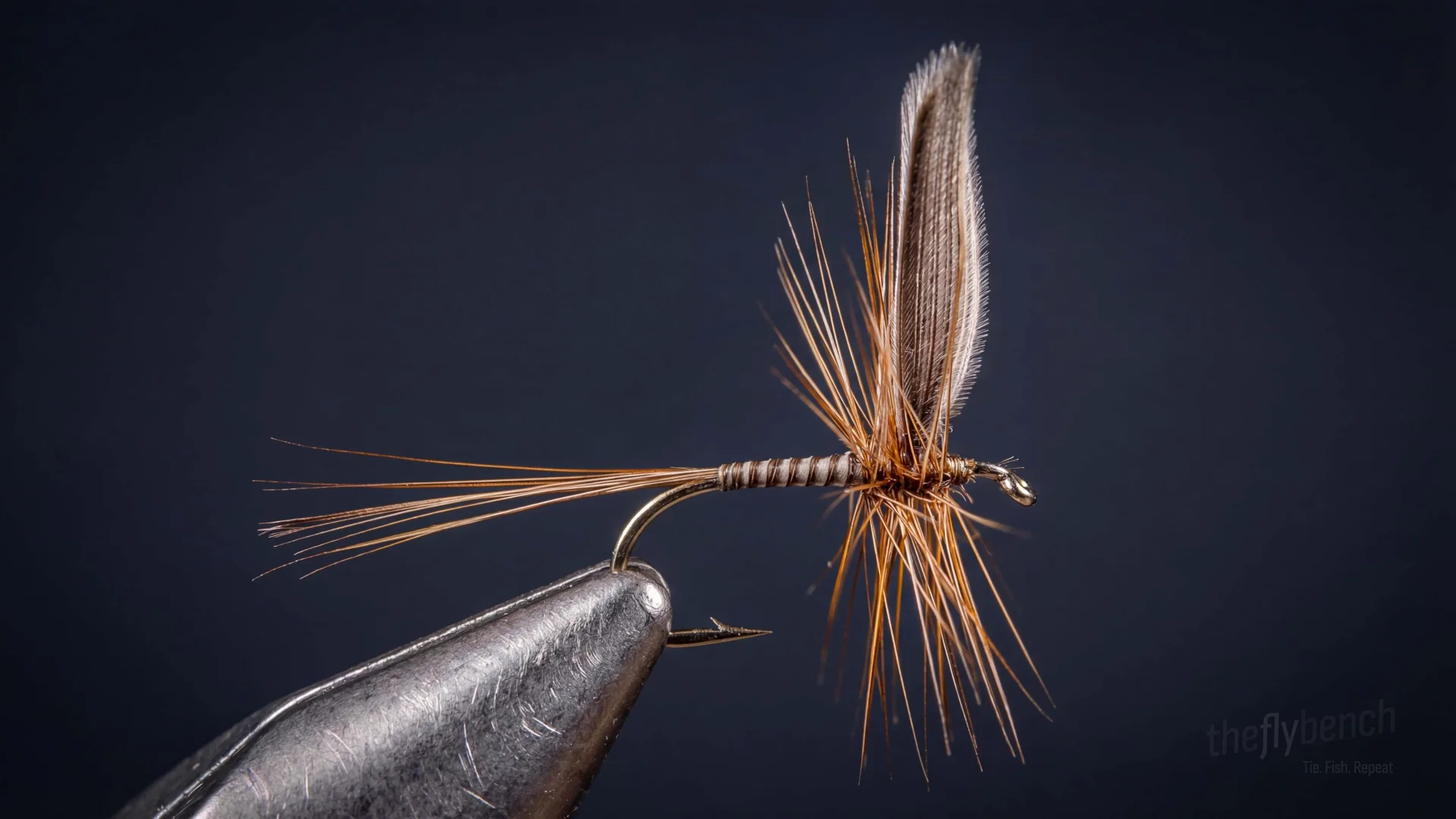
The Ginger Quill is tied in the traditional Catskill style, which demands precise proportions and careful technique. The key to a successful fly is the stripped peacock quill body, which must be wrapped with touching turns to create the distinctive segmented appearance. Many tiers avoid this pattern due to its exacting requirements, but mastering it is a rite of passage for serious fly tiers. The matched mallard wing segments and properly proportioned hackle are essential for the fly to land and ride correctly on the water's surface.
Materials
Hook: Standard dry-fly hook (Dai-Riki #300 or similar), #14–#20
Thread: Olive, 6/0 or 140 denier
Wings: Mallard primary feather segments, matched pair
Tail: Ginger or brown hackle fibers
Body: Stripped peacock quill, natural
Hackle: Ginger or brown, dry-fly quality
Behavior & Presentation
Natural Behavior: Light-colored duns emerge during evening hours, drifting extended distances on slower currents as they prepare wings for flight. The prolonged surface ride in gentle water allows trout to inspect and confidently take these classic mayflies whose pale coloration stands out against darker water at dusk.
Where Trout Eat It: Fish rise in classic stream runs and pools with moderate current where mayfly emergences concentrate during traditional hatch periods.
How to Fish It: Cast upstream and allow natural drift with the current, avoiding drag at all costs as selective trout refuse unnatural movement.
Best Water: Focus on pools, runs, and tail-outs in Eastern freestone streams and Catskill spring creeks where classic mayfly hatches occur.
Strike Type: Watch for visible rises or confident surface takes as trout inspect and accept the high-riding dry fly.
Fishing Strategy
Rigging Suggestions: Fish on a 9-12ft 5X or 6X tippet for proper turnover and delicate presentation. The light tippet helps the fly drift naturally and prevents micro-drag that educated trout will detect.
Seasonal Timing: Effective throughout the traditional trout season from spring through fall, particularly productive during mayfly hatches when fish are looking up and feeding on lighter-colored insects because this matches the ginger coloration. Best during mayfly hatches, particularly when lighter-colored mayflies like Pale Morning Duns or Light Cahills are emerging. Also effective as a searching pattern on freestone streams during summer evenings.
Pro Tips: This is a high-riding dry fly that floats on its hackle tips and tail. The ginger coloring provides good visibility to the angler while remaining natural to the fish. Apply floatant sparingly to the hackle, avoiding the delicate quill body which can become waterlogged.
Entomology
Light-colored mayfly duns emerge during evening hours, drifting extended distances on slower currents as they prepare wings for flight. The prolonged surface ride in gentle water allows trout to inspect and confidently take these classic mayflies, whose pale coloration stands out against darker water surfaces at dusk.
- Order
- Ephemeroptera
- Common Name
- Mayfly
- Organism Type
- insect
- Life Stage
- adult