Dry FliesRat Faced McDougal
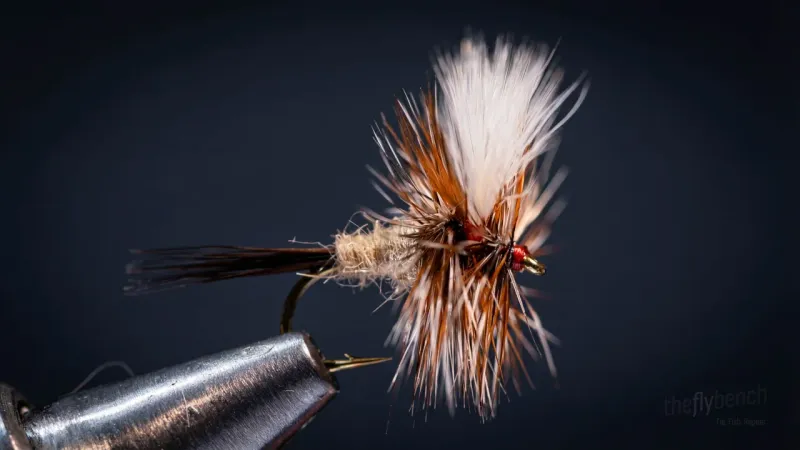
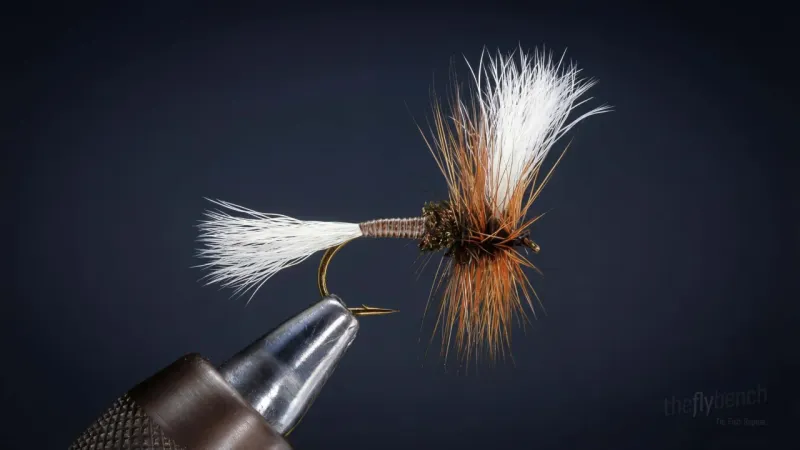
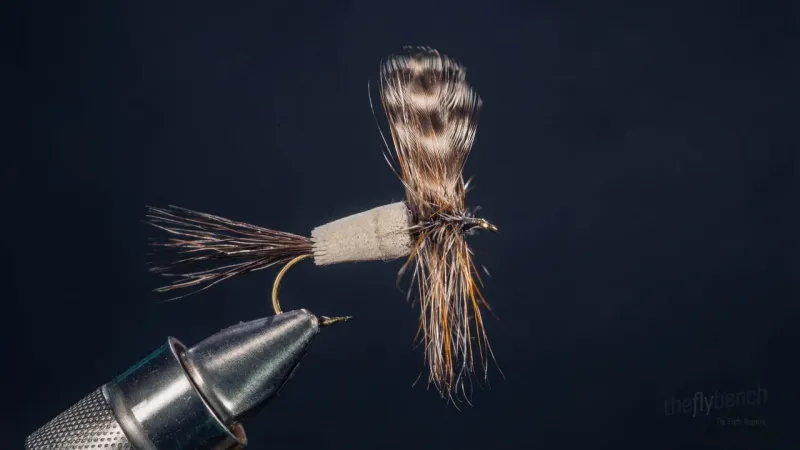
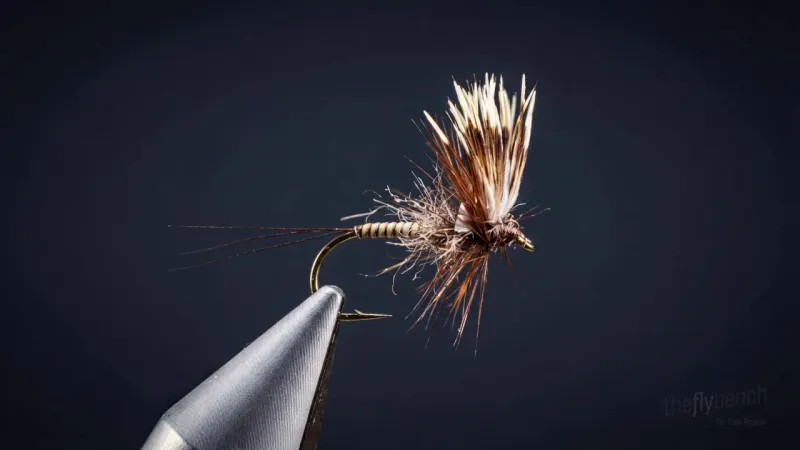
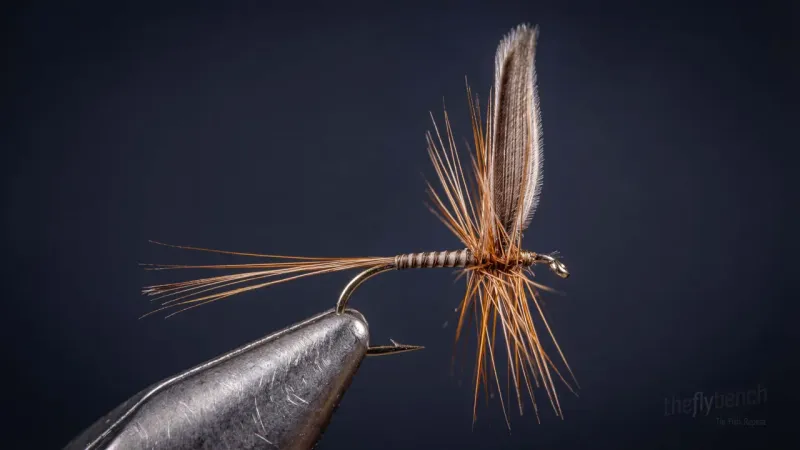
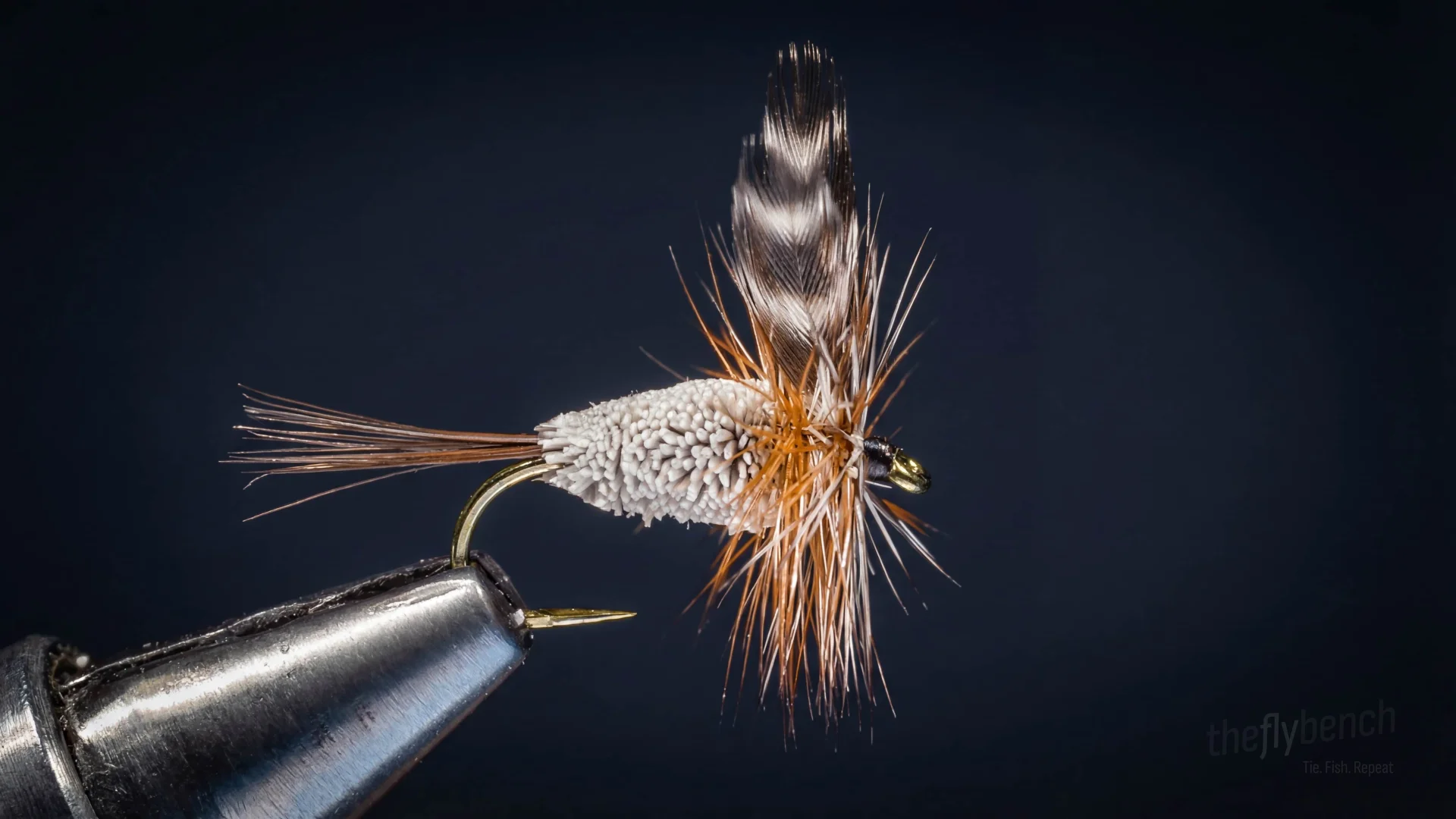
The Rat Faced McDougal, also known as the Adams Irresistible, is a classic deer hair dry fly that combines the effective Adams coloration with the exceptional buoyancy of a spun and clipped deer hair body. This pattern features a moose hock tail for durability, a carefully sculpted deer hair body shaped with a razor blade, grizzly hen cape wings, and a mixed grizzly and brown hackle collar. The result is an unsinkable attractor pattern that floats high in heavy water and imitates a wide range of mayflies.
Spring, Summer, Fall
Advanced
Trout
Dec 2025
Overview
This Charlie Craven pattern from Charlie's Fly Box represents one of the great deer hair dry fly traditions. The pattern name "Rat Faced McDougal" refers to the clipped deer hair head that gives the fly its distinctive face-like appearance when viewed from the front. The alternative name "Adams Irresistible" reflects how this pattern combines the famous Adams color scheme (grizzly and brown hackle, grizzly wings) with the irresistible-style deer hair body construction. The white Nanosilk thread provides strength during the demanding process of spinning deer hair without adding bulk. The key to this pattern is careful deer hair stacking and trimming - the body should be shaped to a tapered, bullet-like form using a double-edge razor blade for clean cuts. The moose hock tail provides exceptional durability compared to traditional hackle fiber tails.
Materials
Hook: Tiemco 100SP-BL, #14-18
Thread: Nanosilk 30D (Semperfli), white
Tail: Moose Hock
Body: Spinning Deer Hair
Wing: Hen Cape (Hareline), grizzly
Hackle: Rooster Cape or Saddle, grizzly and brown
Behavior & Presentation
Natural Behavior: Mayfly adults flutter and bounce on the surface during egg-laying activities, creating splashy disturbances that attract attention across wide holding areas. Fish strike these bushy attractor patterns aggressively because the exaggerated profile triggers instinctive feeding responses even when no specific hatch is occurring.
Where Trout Eat It: Designed for rivers, particularly faster riffles, pocket water, and freestone streams. The deer hair body provides the buoyancy needed to float in turbulent currents.
How to Fish It: Fish with a dead drift in riffles, runs, and pocket water. The exceptional buoyancy allows the fly to ride high even in turbulent water where other dry flies would sink. Dead drift matches the helpless floating behavior that triggers surface feeds.
Best Water: Focus on runs, riffles where trout hold and actively feed.
Strike Type: Observe explosive strikes in pocket water where trout smash the high-floating pattern, or watch for confident swirls in slower runs. The deer hair body disappears in aggressive takes.
Fishing Strategy
Rigging Suggestions: Fish on a 9-12 foot leader tapering to 4X-5X tippet for adequate turnover of the air-resistant deer hair body. Apply paste floatant sparingly to the deer hair body and hackle to maintain maximum buoyancy.
Seasonal Timing: Most effective during, and when mayfly hatches are active. The high-floating nature makes it particularly useful during heavy hatches when visibility is important.
Pro Tips: The deer hair body provides exceptional flotation while the grizzly and brown hackle create excellent visibility for the angler. The pattern rides high on the water, making it easy to track in rough water conditions.
Entomology
Mayfly adults flutter and bounce on the surface during egg-laying activities, creating splashy disturbances that attract attention across wide holding areas. Fish strike these bushy attractor patterns aggressively because the exaggerated profile triggers instinctive feeding responses even when no specific hatch is occurring.
- Order
- Ephemeroptera
- Common Name
- Mayfly
- Organism Type
- insect
- Life Stage
- adult