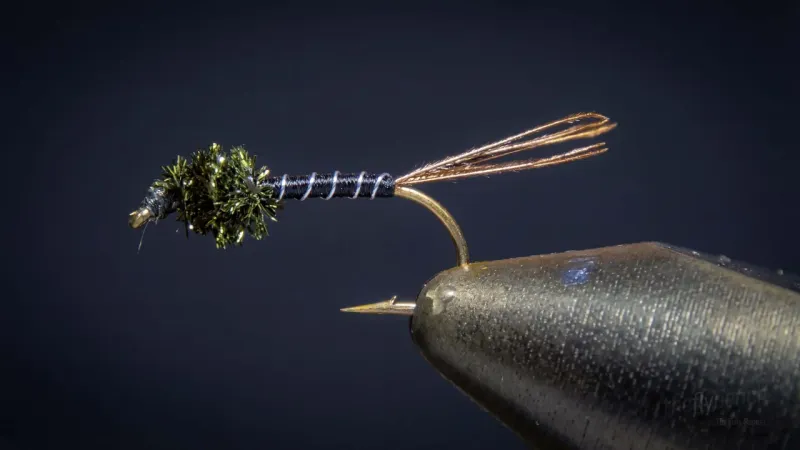
NymphGilled Nymph
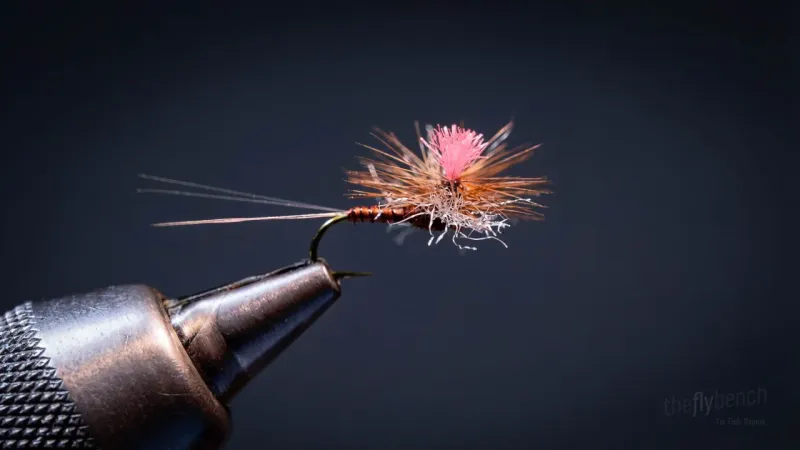
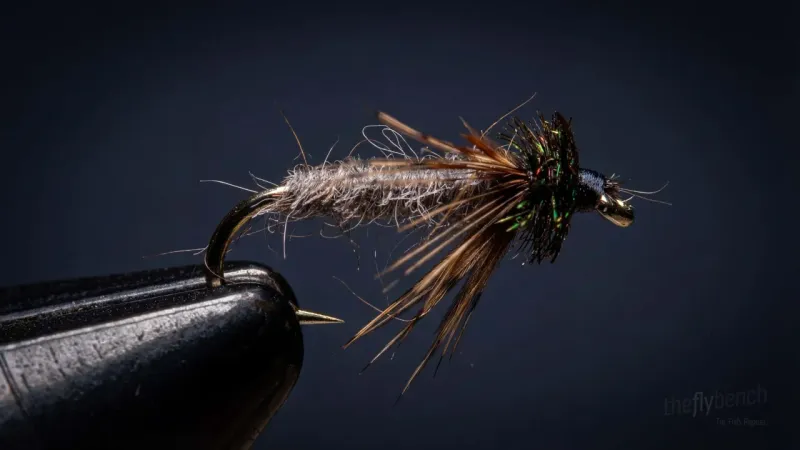
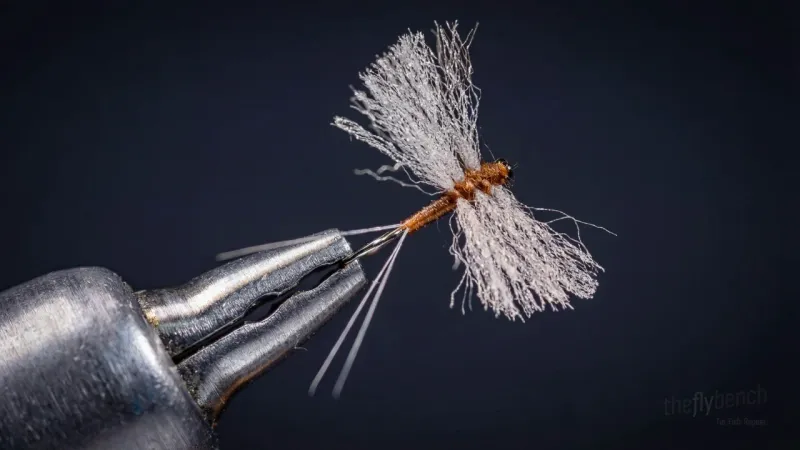
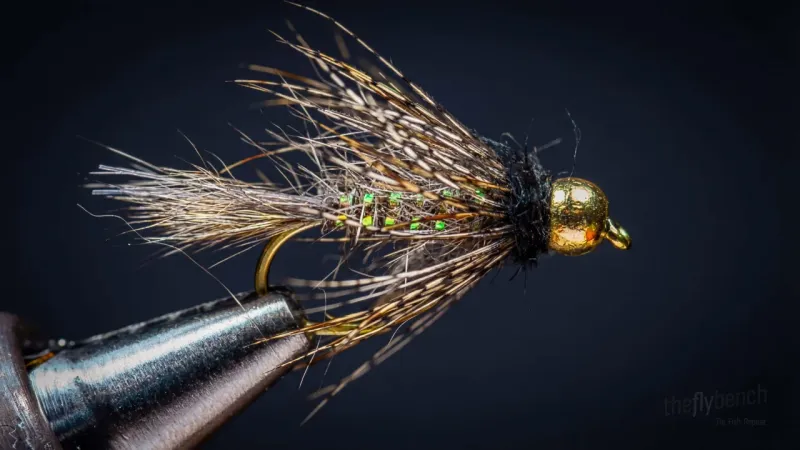
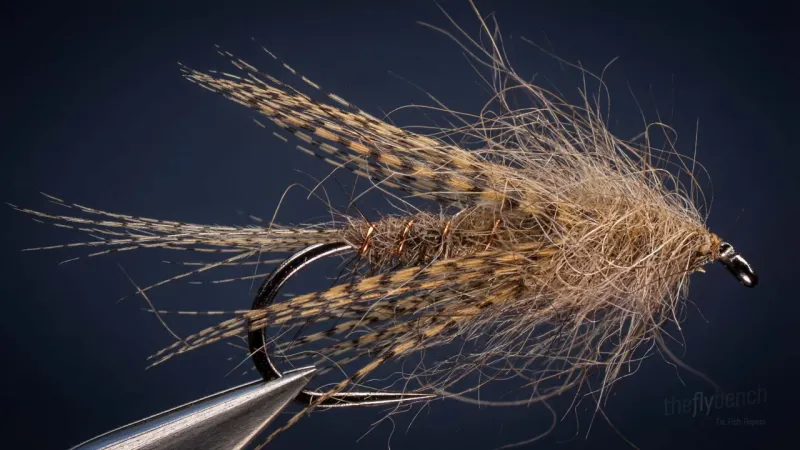
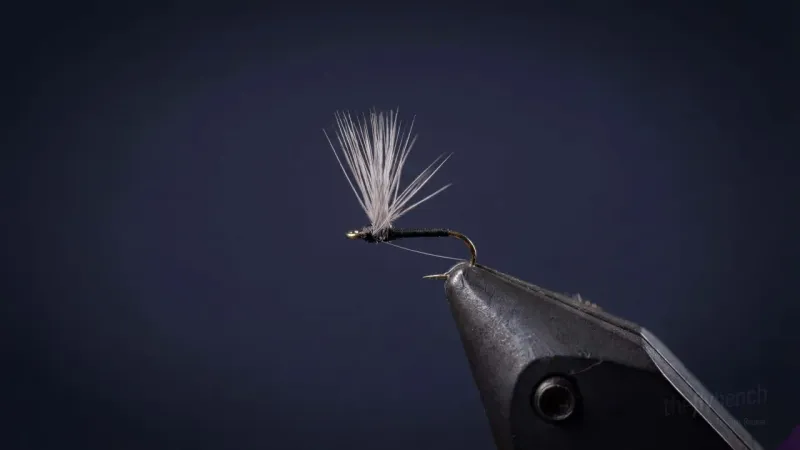
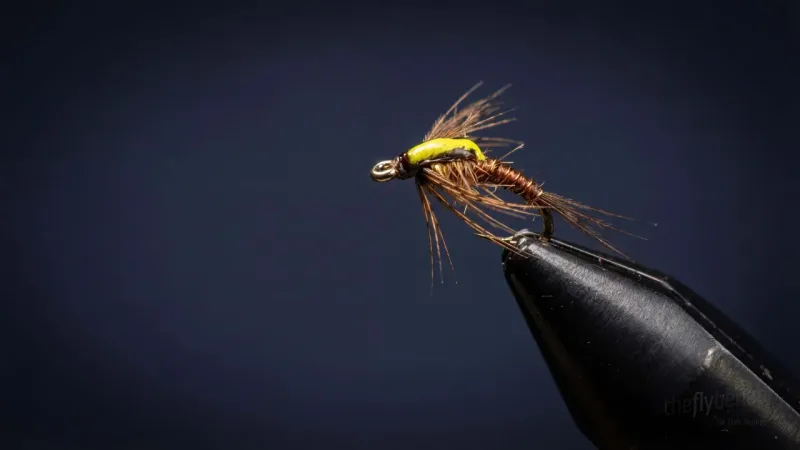
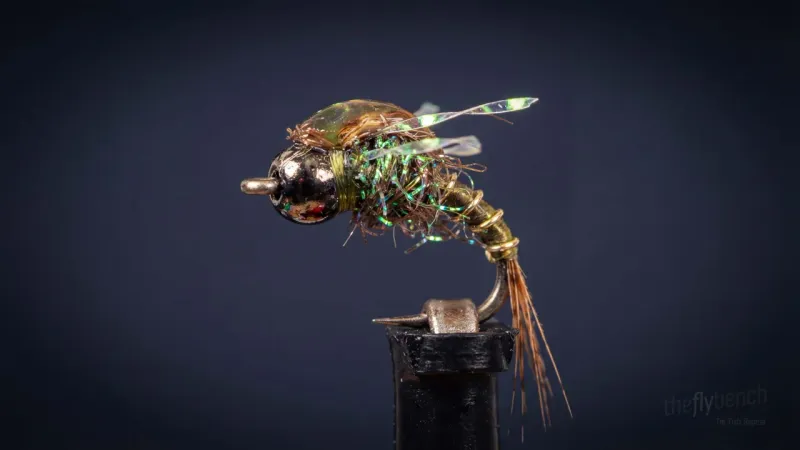
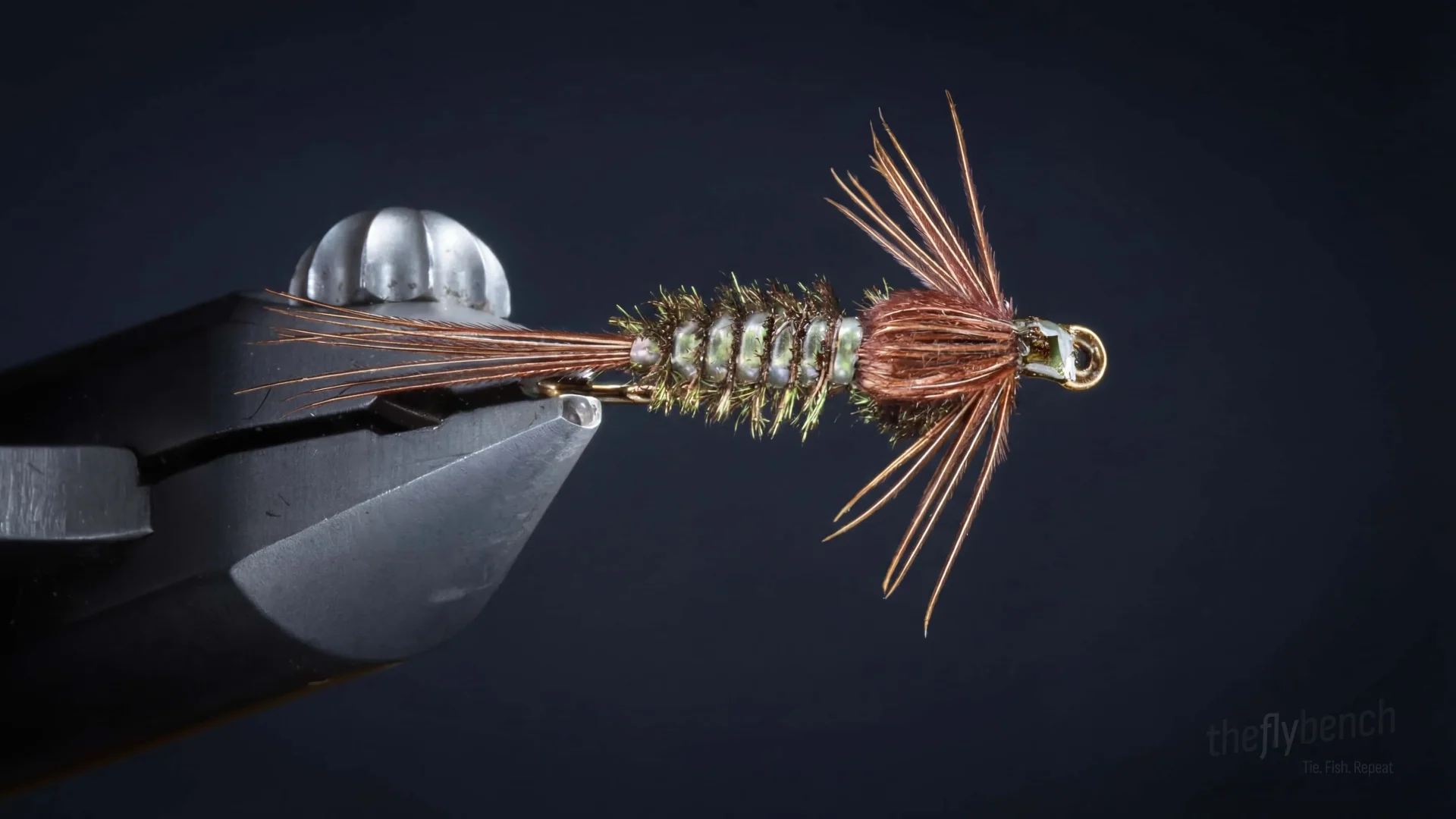
A realistic nymph pattern that imitates a variety of aquatic insects with gills. The use of soft hackle for the 'gills' gives the fly a lifelike movement in the water.
Spring, Summer, Fall
Intermediate
Trout
Apr 2025
Overview
Known for its ultra-buggy profile, the Gilled Nymph uses dense dubbing teased out along the sides to create a gill-like effect. Often tied with a ribbed underbody and peacock herl thorax, this fly is effective for imitating mayfly nymphs in rough water.
Where to Buy This Fly
We only link to fly shops we trust. Some links are referral links, which may earn us a commission at no extra cost to you.
Materials
- Hook:
- #16 Tiemco 200R
- Thread:
- Tan Veevus 14/0
- Tail:
- Natural Emu Herl or Ostrich Herl
- Body:
- Natural or Tan Ostrich Herl
- Rib:
- Fine Gold Wire
- Casing:
- Medallion Sheeting or Brown Swiss Straw
- Thorax:
- Tan Superfine Dubbing
- Legs:
- Partridge
Behavior & Presentation
Natural Behavior: Mayfly and caddis nymphs pulse their external gills rhythmically as they breathe, creating subtle movements that attract attention even when stationary.
Where Trout Eat It: Fish hold at mid-depth in feeding lanes, intercepting drifting nymphs tumbling through currents in both rivers and lakes.
How to Fish It: Dead drift or slight twitch to mimic natural movement, allowing soft hackle gills to undulate in the current.
Best Water: Focus on runs, pockets, and channel swings where current delivers nymphs. Tail-outs and drop-offs concentrate feeding fish.
Strike Type: Look for indicator pauses, brief upstream twitches, or slight color shifts in your sighter. The soft hackle gills generate takes that may feel like a gentle tightening rather than a sharp strike.
Fishing Strategy
Rigging Suggestions: Use a standard nymph rig with this fly as the dropper.
Seasonal Timing: Effective during active feeding periods throughout the season. Fish morning and evening for best results.
Pro Tips: This fly sinks and its lifelike movement and realistic 'gills' make it highly visible to fish.
Entomology
Mayfly and caddis nymphs exhibit external gills that create distinctive pulsing movements as they breathe, attracting attention even when nymphs are stationary. These gilled invertebrates inhabit both fast and moderate currents, drifting regularly during behavioral events. The Gilled Nymph's feather fibers undulate in current, mimicking this breathing motion and triggering strikes from trout attuned to gill movement.
- Order
- Trichoptera
- Common Name
- Caddisfly
- Organism Type
- insect
- Life Stage
- general