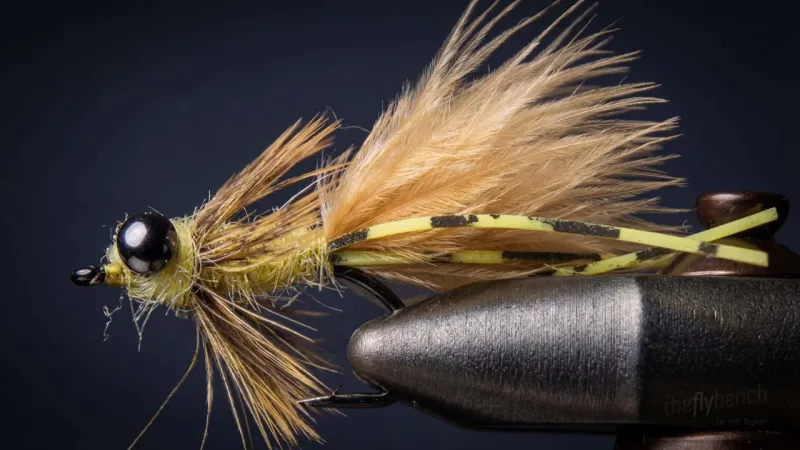
Dry FliesGabriel's Trumpet
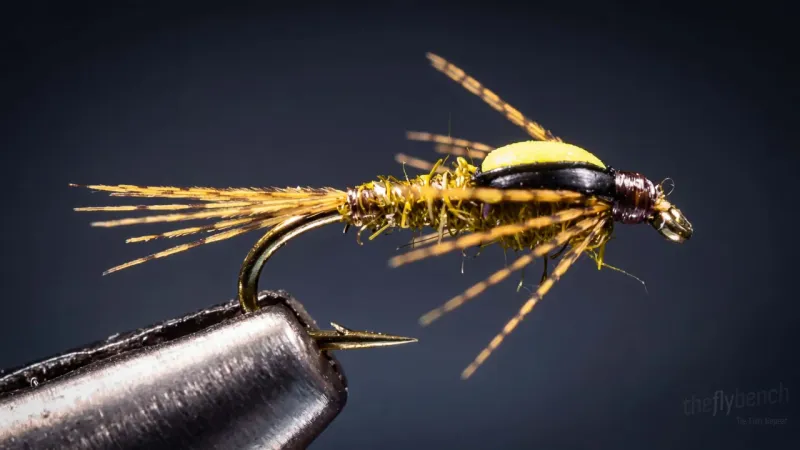
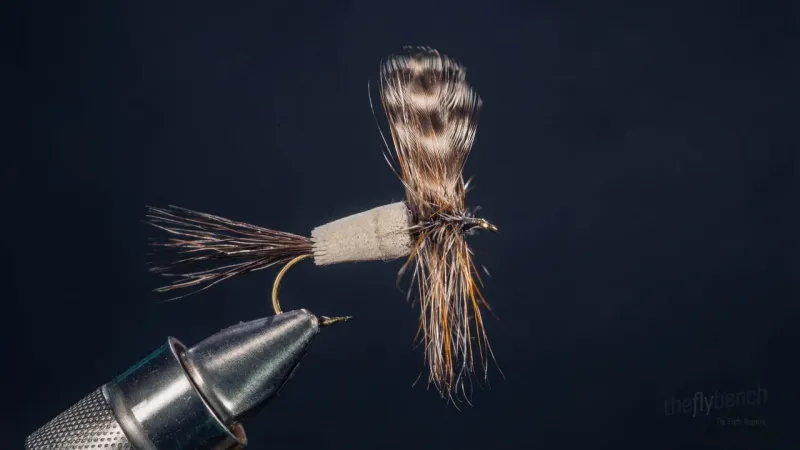
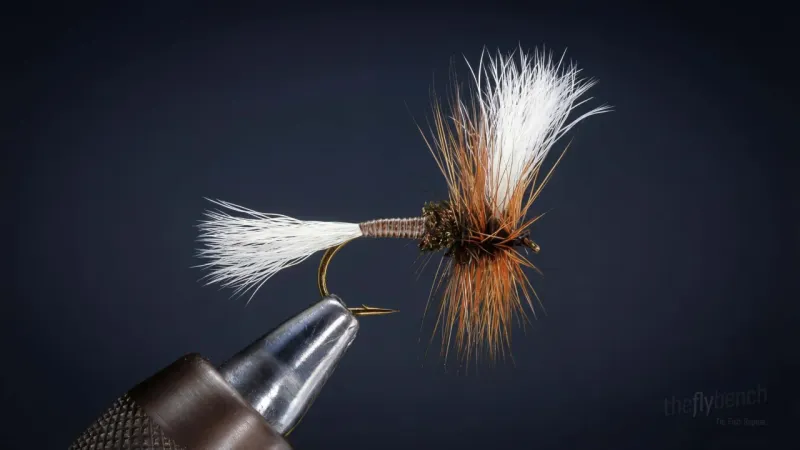
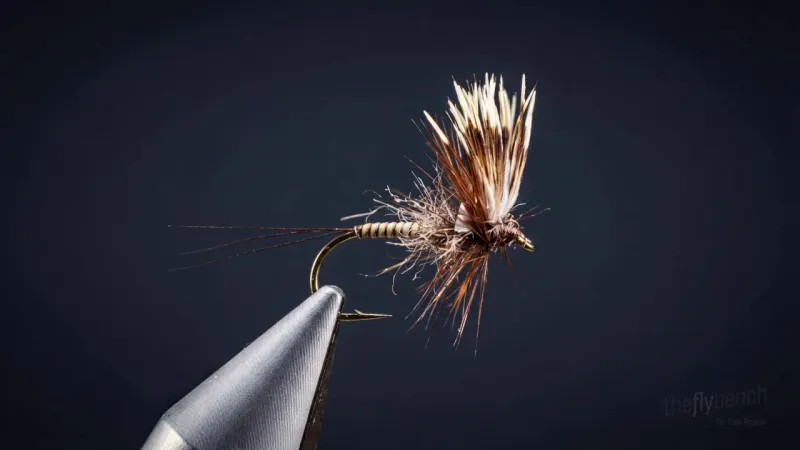
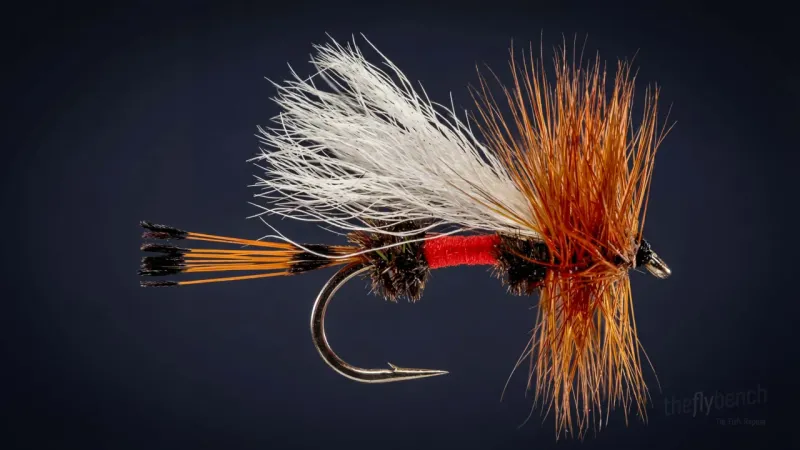
The Gabriel's Trumpet is an eye-catching dry fly that's effective for catching surface-feeding trout. Its high visibility and buoyant materials make it easy for both angler and fish to spot.
Spring, Summer
Advanced
Trout
Apr 2025
Overview
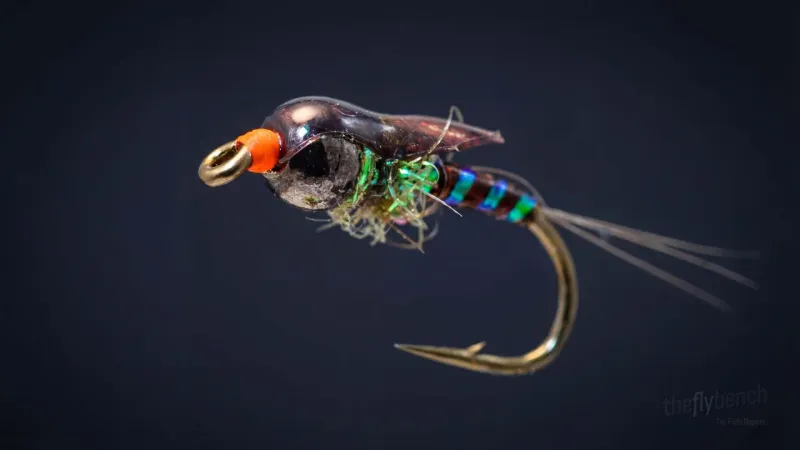
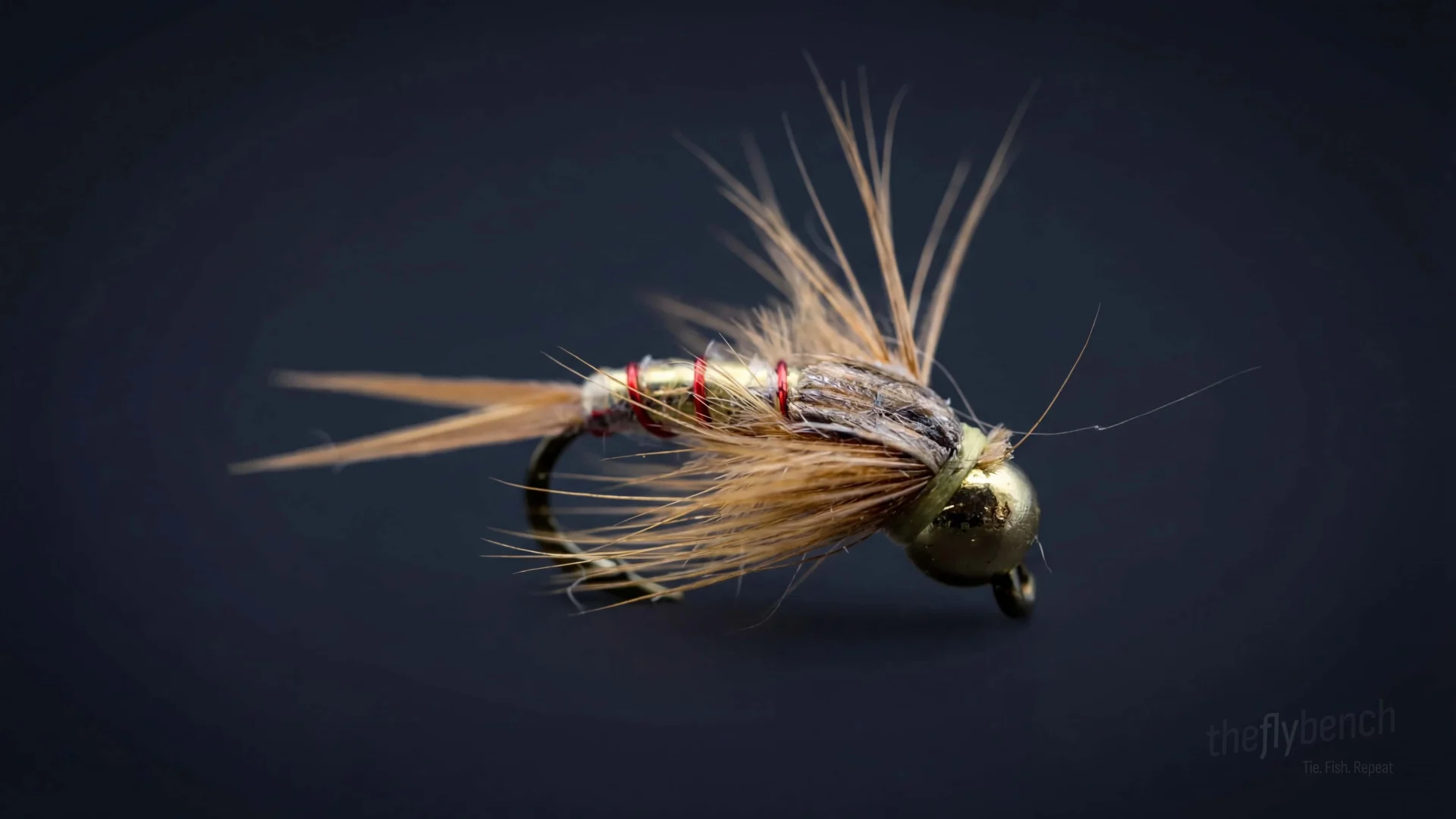
A modern attractor nymph often featuring a bright hot spot thorax (usually red or orange dubbing), a slim thread or wire abdomen, and a tungsten bead for weight. The fly is streamlined for Euro-style nymphing and great for triggering strikes in pressured water.
Where to Buy This Fly
We only link to fly shops we trust. Some links are referral links, which may earn us a commission at no extra cost to you.
Materials
- Hook:
- TMC 2457 #16 - #10
- Bead:
- 3/32" for #14 Hook
- Lead:
- .015" Lead
- Thread:
- 16/0 Tiemco
- Tail:
- Amber Goose Biots
- Abdomen:
- Gold Flashabou #14
- Rib:
- Red Copper Wire, small
- Wingcase:
- Medallion Sheeting, Mottled Brown, UV Knot Sense
- Thorax:
- Tan Ostrich Herl
- Legs:
- Hen Saddle, Tan
Behavior & Presentation
Natural Behavior: Midge pupae ascend in deliberate, controlled movements through the water column before hanging motionless in the surface film during emergence. These tiny insects struggle for several minutes to split their pupal cases, creating predictable feeding opportunities as they remain suspended and vulnerable.
Where Trout Eat It: Trout position in the upper water column and surface film along tail-outs and seams, targeting suspended emergers during concentrated midge hatches.
How to Fish It: Present with dead-drift techniques, allowing the fly to hang suspended in the film to match naturals stuck during the emergence transition.
Best Water: Focus on tail-outs and slicks in slow flows where midge hatches concentrate, targeting foam lines where suspended emergers collect in calm water.
Strike Type: Trout take with delicate sips as they feed on the tiny suspended emerger profile.
Fishing Strategy
Rigging Suggestions: Pair with a 9-foot, 5X leader on a floating line for optimal performance.
Seasonal Timing: Effective during active feeding periods throughout the season. Fish morning and evening for best results.
Pro Tips: The Gabriel's Trumpet is highly visible due to its white calf hair wing. The hackle and peacock herl body provide excellent buoyancy, keeping the fly afloat in all conditions.
Entomology
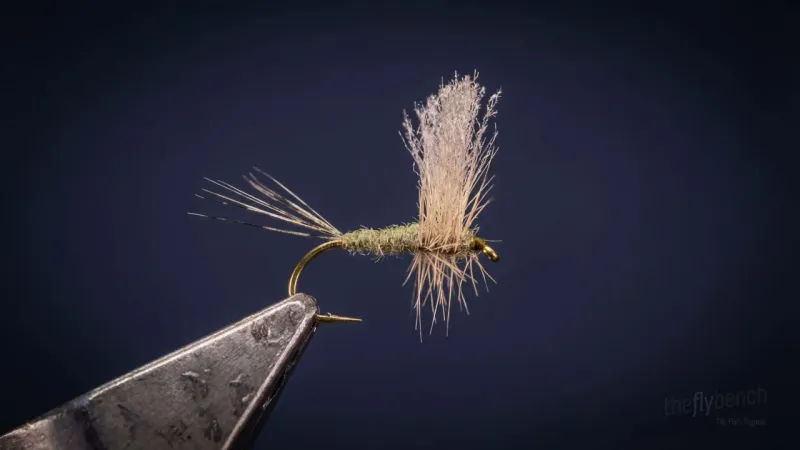
Freshly emerged mayfly adults drift on the water surface as they wait for their wings to dry and harden, occasionally twitching their bodies or fluttering weakly in failed takeoff attempts. This post-emergence resting period creates prolonged feeding opportunities for selective trout that have learned to differentiate between various mayfly species based on size, color, and behavior.
- Order
- Ephemeroptera
- Common Name
- Mayfly
- Organism Type
- insect
- Life Stage
- adult