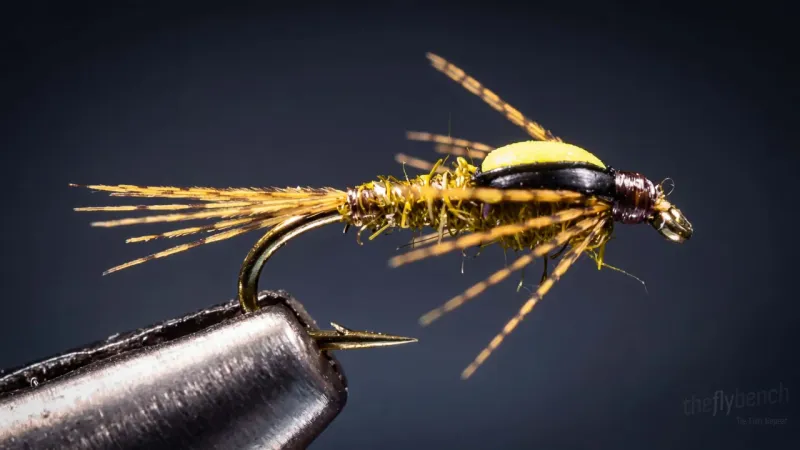
Dry FliesAlly Finn
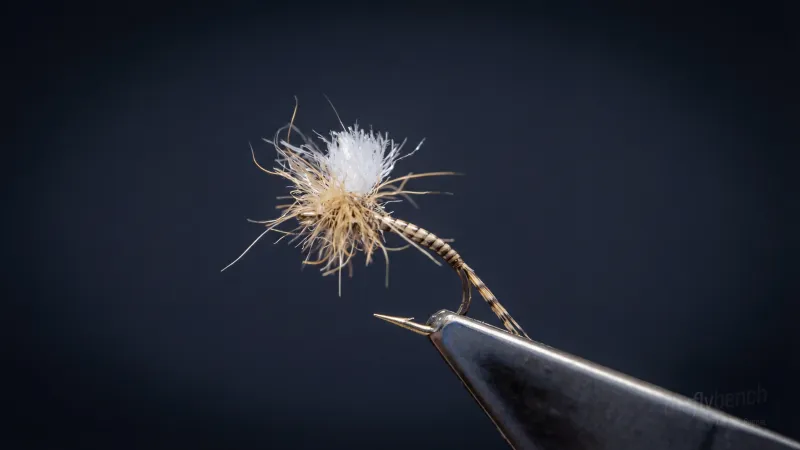
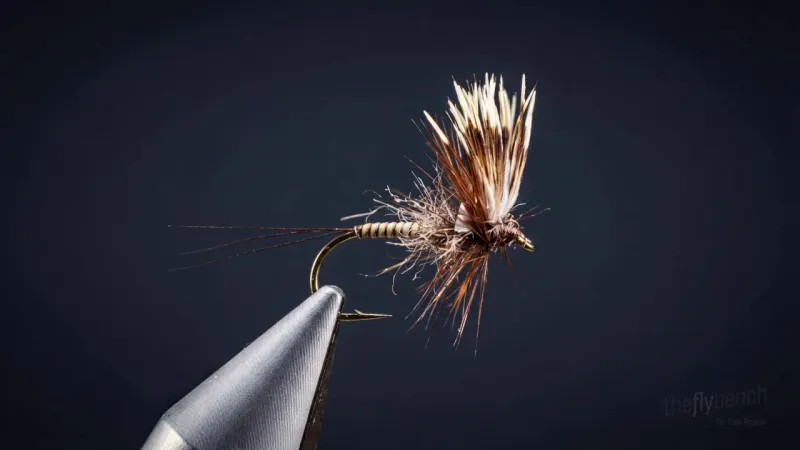
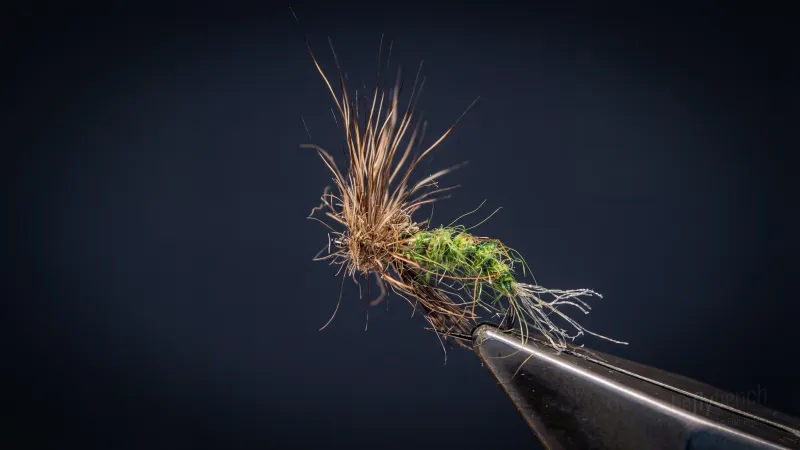
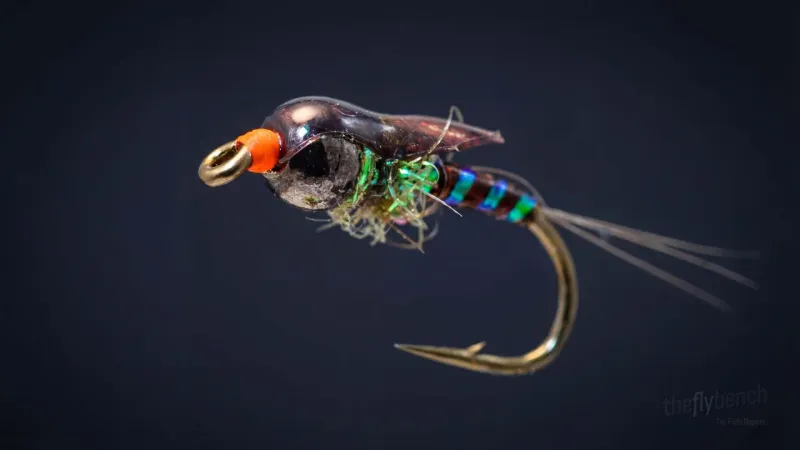
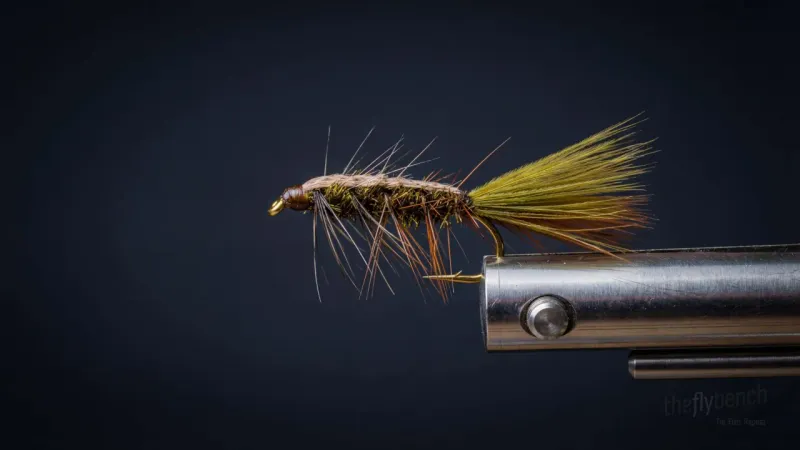
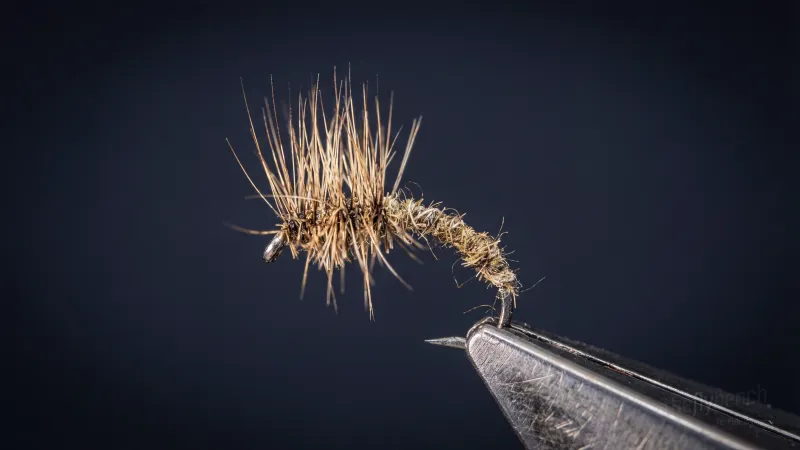
Steven Brennan's dry fly incorporates modern materials with classic proportions. Features visible wing post for easy tracking while maintaining natural insect profile. Dubbed body and quality hackle provide excellent floatation across multiple hatch situations.
Spring, Summer, Fall
Intermediate
Trout
Feb 2026
Overview
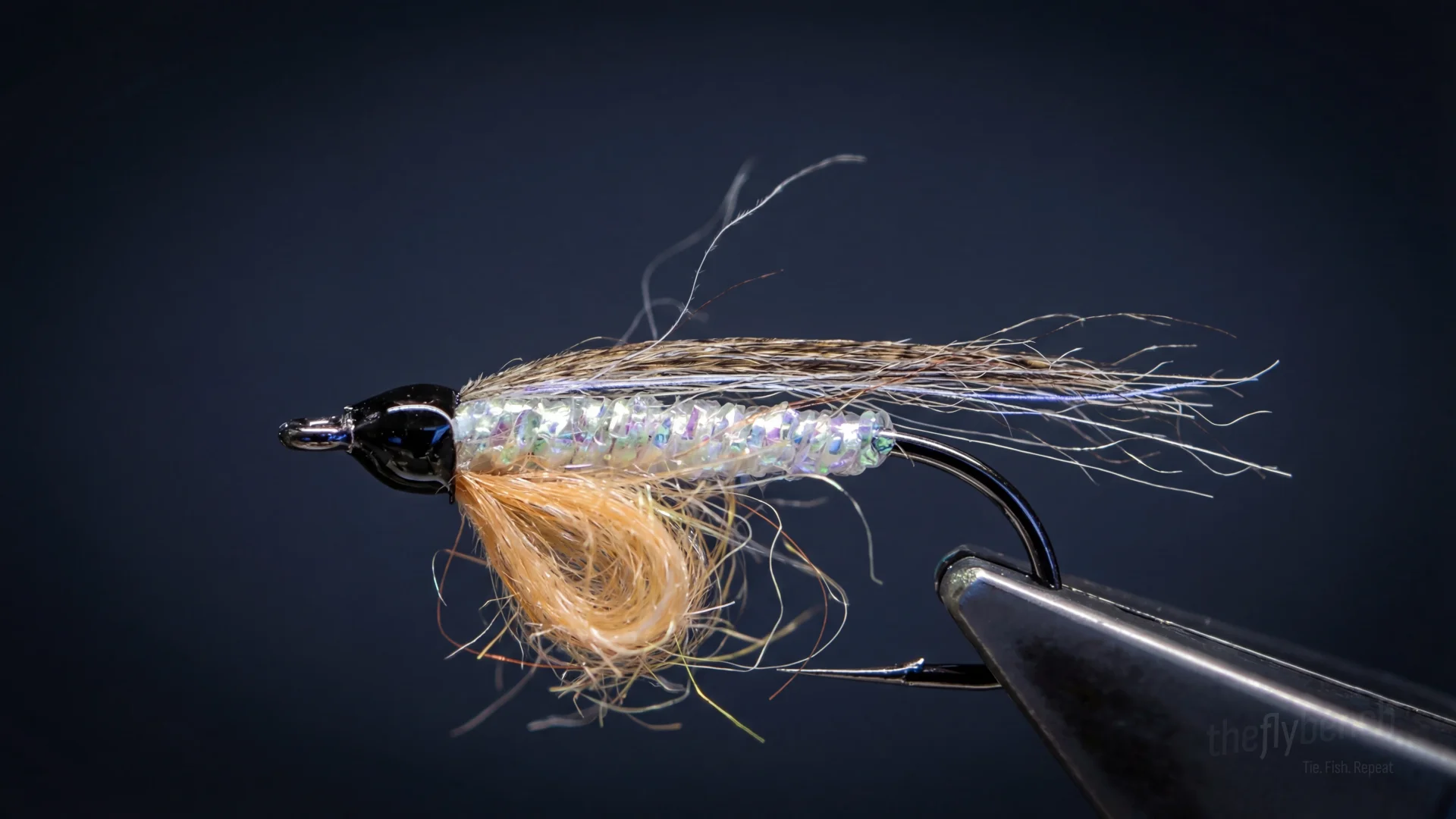
Steven Brennan's design incorporates modern materials with classic dry fly proportions. The pattern features a visible wing post for easy tracking on the water while maintaining a natural insect profile. The dubbed body and quality hackle provide excellent floatation, and the versatile color scheme works across multiple hatches. Particularly effective when trout are feeding on mixed populations of aquatic insects.
Where to Buy This Fly
We only link to fly shops we trust. Some links are referral links, which may earn us a commission at no extra cost to you.
Materials
- Hook:
- Tiemco 777SP #10
- Head:
- Sparton 6/0, black
- Body:
- Oil Creek Outfitters Crystal Meth braid, peach
- Underwing:
- Llama Mix, grey - very sparse
- Wing:
- Bronze mallard barbs - very sparse
- Head:
- Sparton 6/0, black
Behavior & Presentation
Natural Behavior: Emerging caddis break through the surface film, leaving trailing shucks while attempting flight. Multiple insects transform simultaneously during heavy hatches.
Where Trout Eat It: Fish feed on emergers and adults in runs, along riffle edges, and in tail-outs where concentrated emergence occurs during peak activity.
How to Fish It: Dead drift or add subtle twitches for caddis skating behavior. The visible post aids tracking during low light conditions.
Best Water: Focus on riffle edges with emergence activity, runs with moderate current, tail-outs collecting insects, and seams.
Strike Type: Watch for visible rises or expanding surface rings as fish take adults or emergers.
Fishing Strategy
Rigging Suggestions: Fish on 9-12 foot leader with 4X-5X tippet. Can serve as lead fly in dry-dropper rig, providing both surface indicator and fish-catching capabilities.
Seasonal Timing: Most effective during mayfly hatches April through June and caddis activity May through September. Peak productivity occurs when water temperatures reach 52-62°F during morning and evening feeding periods.
Pro Tips: Visible wing post makes tracking easy in low light. Apply floatant to hackle and post while keeping body materials slightly dampened for proper positioning in the film.
Entomology
Adult caddis emerge from their pupal shucks at the water surface and immediately attempt to take flight, often leaving behind trailing shucks and creating surface commotion. Fish respond to both the emerging adults and the discarded shucks during concentrated hatch periods when multiple insects are transforming simultaneously on the water.
- Order
- Trichoptera
- Common Name
- Caddisfly
- Organism Type
- insect
- Life Stage
- adult