Dry FliesDipping Sally
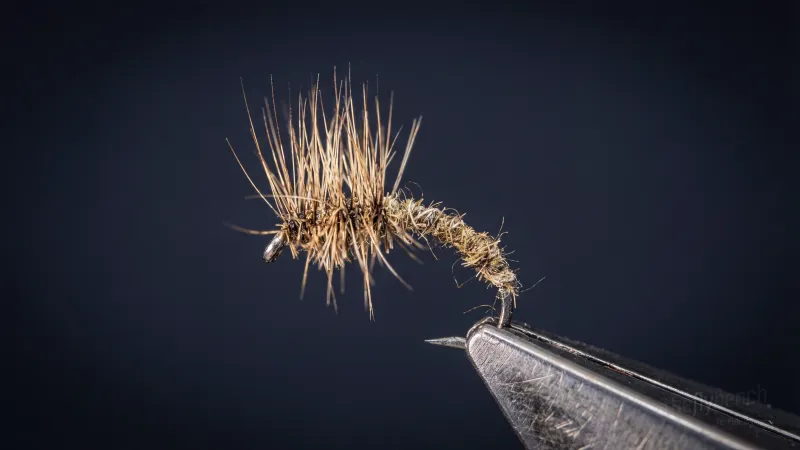
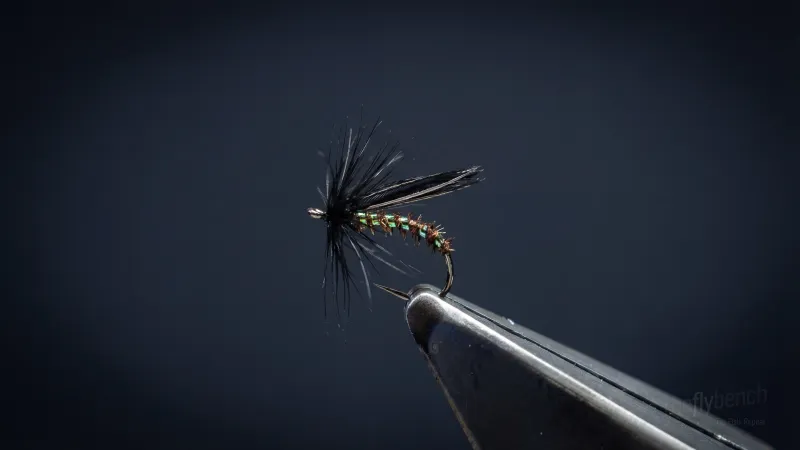
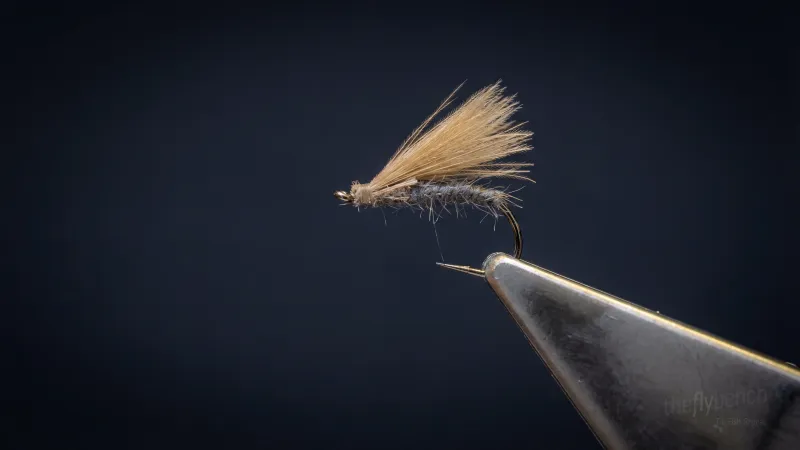
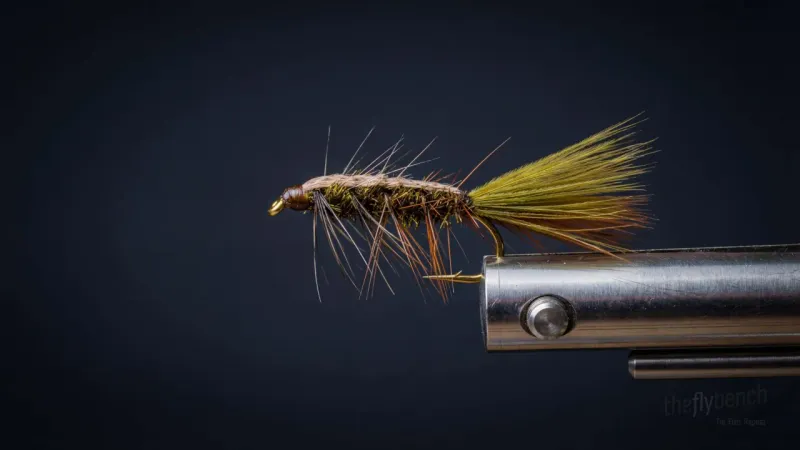
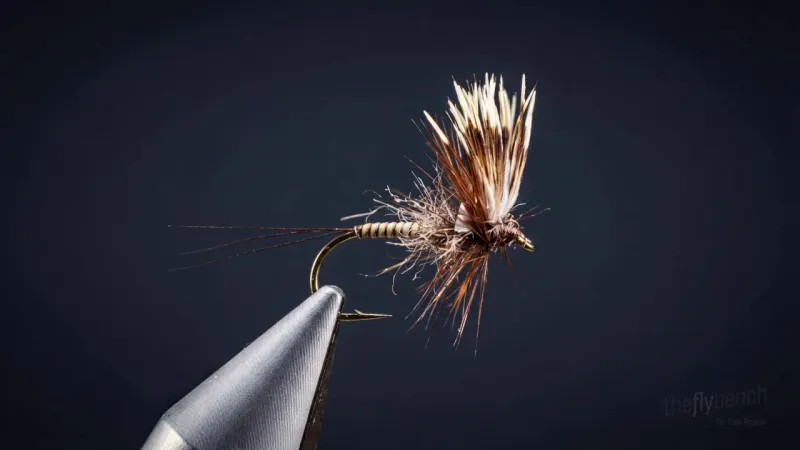
Randy Huntley designed this pattern to imitate ovipositing caddis that repeatedly touch the water surface. Features low-profile body with splayed hackle creating surface tension dimples mimicking naturals' footprint. Particularly effective during evening caddis activity when females return to lay eggs.
Spring, Summer, Fall
Intermediate
Trout
Feb 2026
Overview
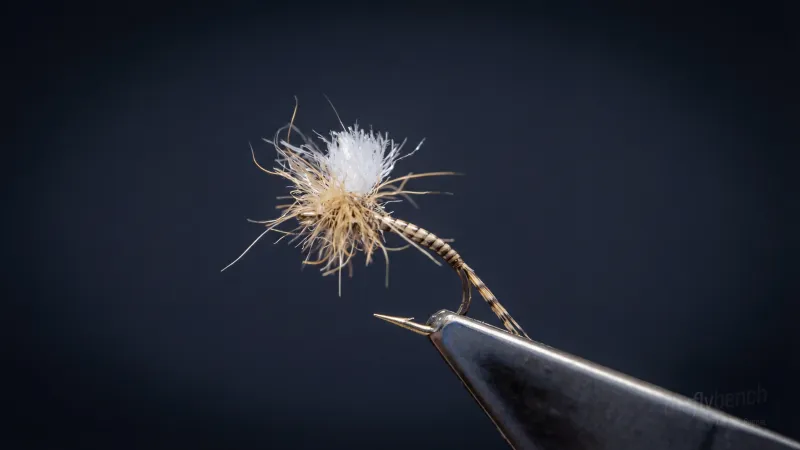
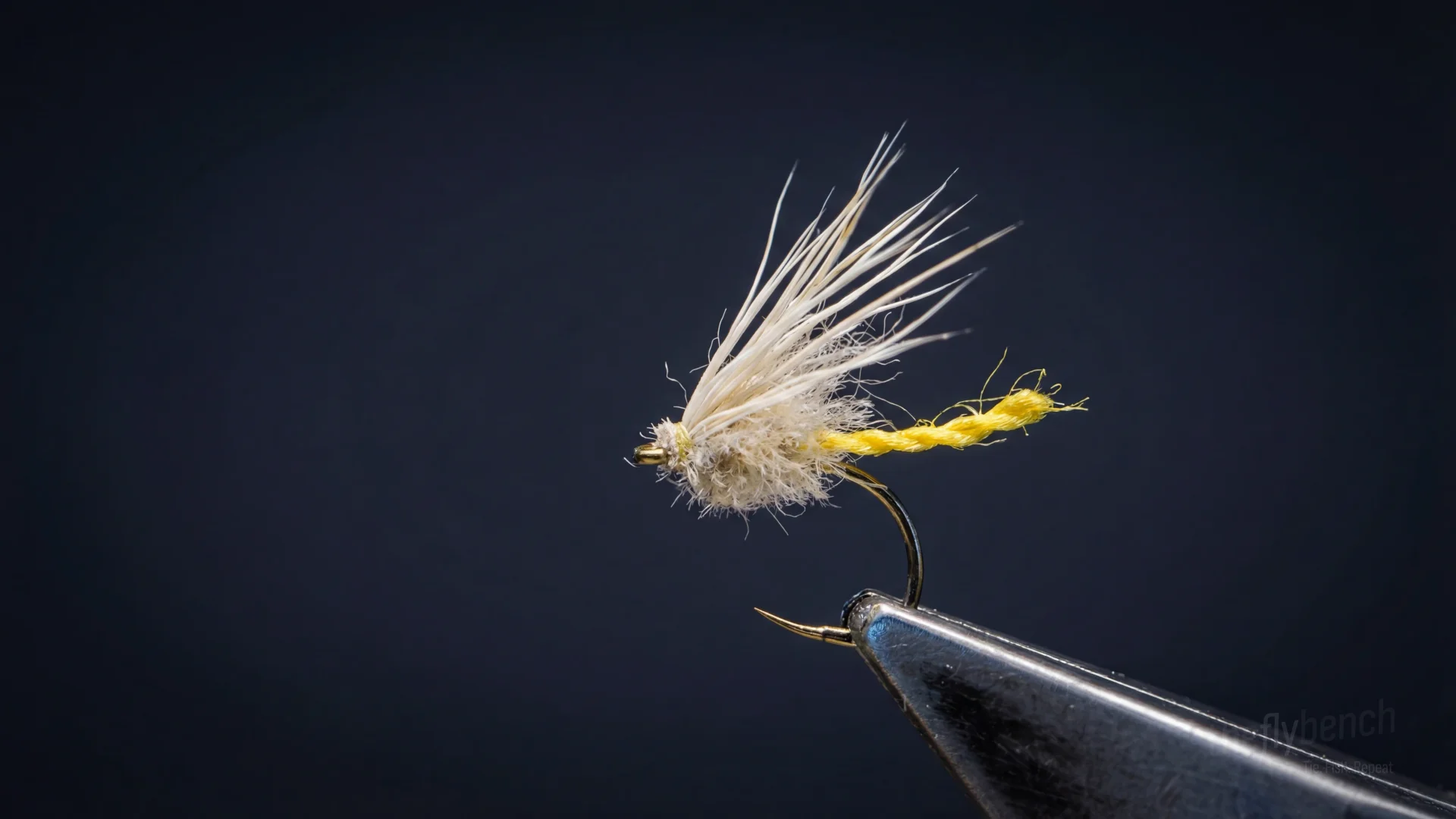
Randy Huntley designed the Dipping Sally to imitate ovipositing caddis that repeatedly touch the water surface. The pattern features a low-profile body with splayed hackle that creates surface tension dimples mimicking the naturals' footprint. The subtle color scheme and soft materials allow the fly to land delicately, while the durable construction withstands aggressive takes. Particularly effective during evening caddis activity when females return to lay eggs.
Where to Buy This Fly
We only link to fly shops we trust. Some links are referral links, which may earn us a commission at no extra cost to you.
Materials
- Hook:
- Tiemco 2499SP #14
- Thread:
- Benecchi 12/0, yellow
- Thorax:
- Snowshoe, cream - in split thread
Behavior & Presentation
Natural Behavior: Adult stoneflies flutter across the surface during egg-laying, periodically dipping abdomens to deposit eggs while creating visible wakes. Between dips, they rest on the film with wings folded flat.
Where Trout Eat It: Fish patrol near-surface zones, smashing egg-laying adults near bank edges and foam lines.
How to Fish It: Skate or twitch across the surface to imitate egg-laying behavior, or dead drift between movements.
Best Water: Bank edges, foam lines, pocket water, and current breaks during stonefly egg-laying periods.
Strike Type: Aggressive surface strikes with splashy rises as fish attack the active, fluttering profile.
Fishing Strategy
Rigging Suggestions: Fish on 9-12 foot leader with 4X-5X tippet. Position near banks and overhanging vegetation where caddis activity concentrates during egg-laying behavior.
Seasonal Timing: Most effective during peak caddis activity May through September, particularly June through August when evening egg-laying activity peaks. Water temperatures 55-65°F during evening hours 6-9 PM produce best results.
Pro Tips: The splayed hackle design creates authentic surface dimples matching ovipositing caddis. Fish during evening activity when natural behavior peaks, targeting feeding lanes where trout expect egg-laying females.
Entomology
Female caddisflies perform rapid dipping motions to wash eggs from their abdomens, creating rhythmic disturbances as they repeatedly strike the water surface in tight patterns. The repetitive behavior and concentrated activity in specific zones trigger competitive feeding responses as fish learn to anticipate the next touchdown.
- Order
- Trichoptera
- Common Name
- Caddisfly
- Organism Type
- insect
- Life Stage
- adult