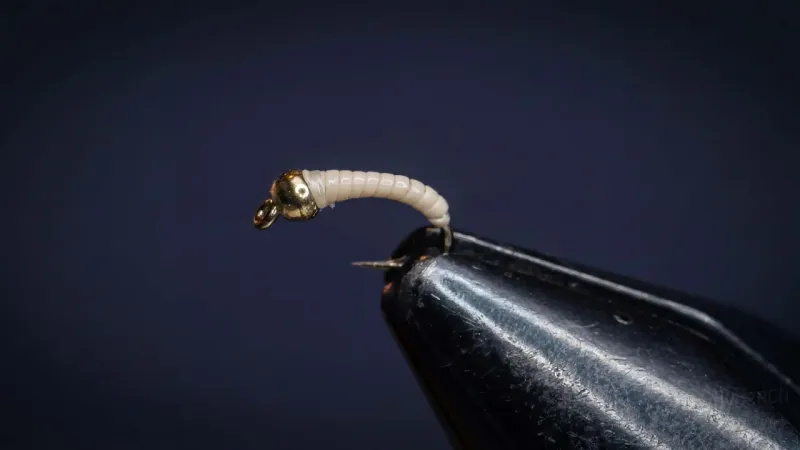
Midge / EmergersFlashback Caddis
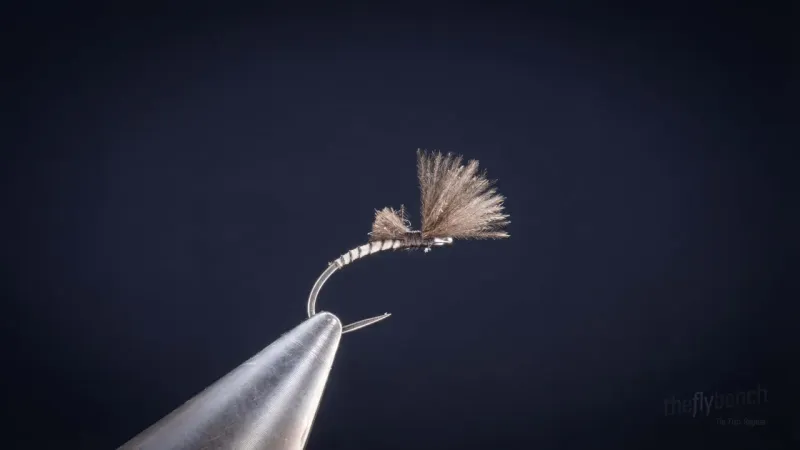
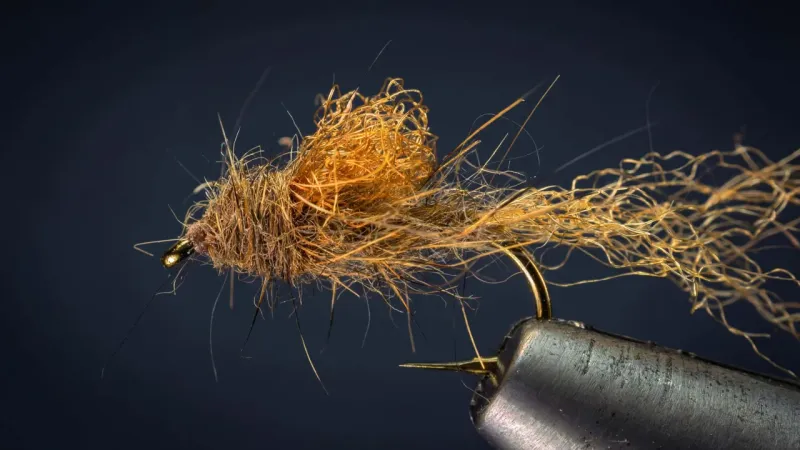
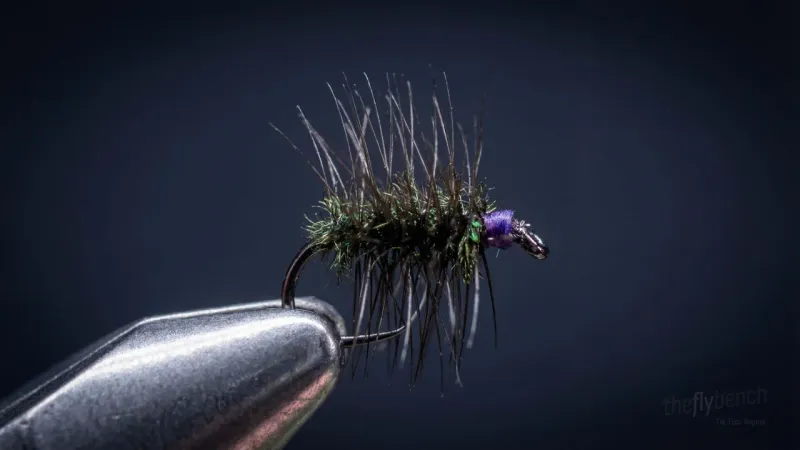
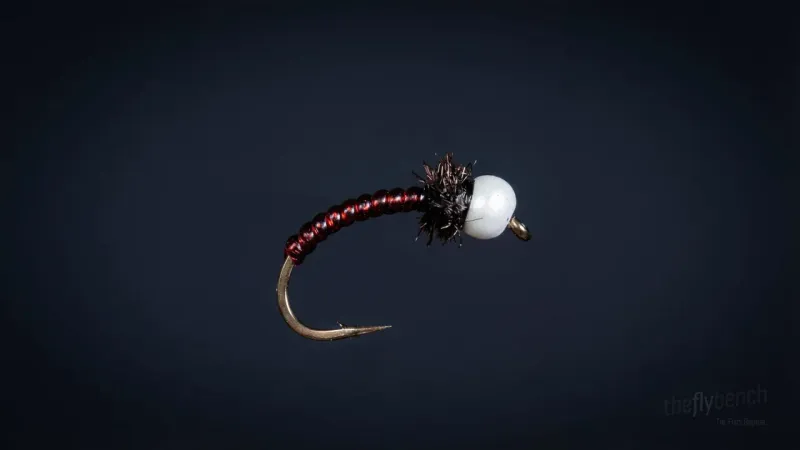
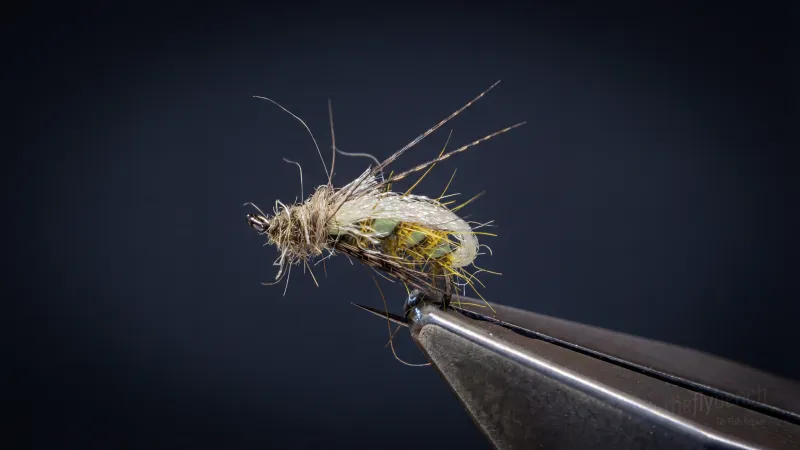
The Flashback Caddis is a midge emerger pattern designed by Hans Weilenmann. This effective pattern combines traditional materials with proven techniques for consistent results in a variety of water conditions.
Spring, Summer, Fall
Intermediate
Trout
Feb 2026
Overview
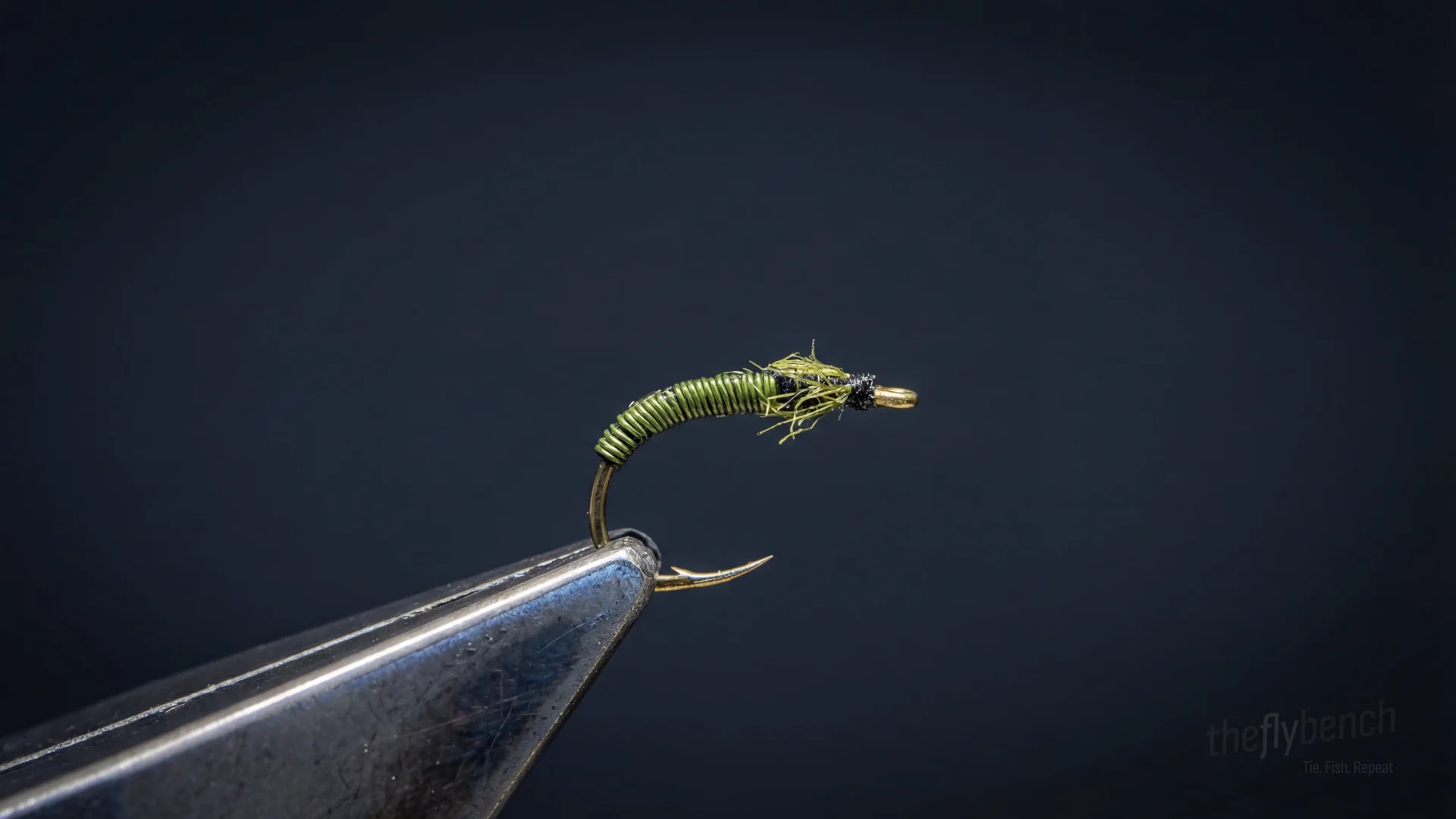
Hans Weilenmann's design features a pearl tinsel overbody that creates the distinctive flashback effect, mimicking the gas bubble trapped by emerging caddis. The dubbed body and CDC wing provide excellent floatation while the flashback triggers strikes in both moving water and stillwater. Works particularly well during caddis hatches when trout key on emergers transitioning through the film.
Where to Buy This Fly
We only link to fly shops we trust. Some links are referral links, which may earn us a commission at no extra cost to you.
Materials
- Hook:
- TMC 2499 SPBL, size 14 to 18
- Thread:
- Black 14/0
- Back:
- Dark Brown Krystal Flash
- Abdomen:
- Olive UTC wire, size Small
- Thorax:
- Black 14/0
- Wing case/legs:
- Black Fluorofibre
Behavior & Presentation
Natural Behavior: Caddis pupae ascend rapidly from the bottom toward the surface film, transitioning through mid-column zones before breaking through to emerge as adults. Trout intercept these ascending insects at various depths, focusing feeding efforts where pupae pause suspended just beneath the film before final emergence.
Where Trout Eat It: Trout intercept caddis pupae ascending rapidly from bottom, focusing on emergers in top 12 inches during surface transition.
How to Fish It: Control depth with greased leader to 6 inches of fly, maintaining subtle tension while dead drifting through upper column.
Best Water: Fish caddis zones in riffle tail-outs, pocket water edges where pupae pause before breaking film, and current compression areas.
Strike Type: Watch for quiet dimples just beneath the film or feel gentle resistance as fish inhale the suspended emerger. The indicator may barely twitch or slide slightly during the take.
Fishing Strategy
Rigging Suggestions: Use a 12-15 foot leader with 6X-7X tippet. Fish alone or as a dropper beneath a small dry fly.
Seasonal Timing: Most effective during peak feeding periods at dawn and dusk. Water temperatures between 45-65°F typically produce best results.
Pro Tips: The flashback triggers strikes in off-color water when natural caddis patterns fail. Grease leader to within 6 inches of fly for better depth control and strike detection.
Entomology
Caddisflies transition through various life stages near the surface, often struggling in the surface film as they emerge or oviposit, creating vulnerable opportunities for feeding fish. Trout key in on these insects during transitional moments because the struggling movements signal an easy meal that cannot escape quickly.
- Order
- Trichoptera
- Common Name
- Caddisfly
- Organism Type
- insect
- Life Stage
- general