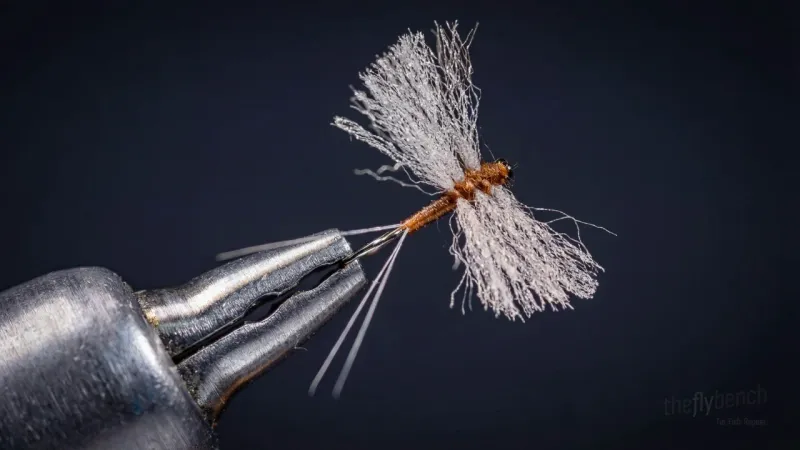
NymphMuskrat Nymph
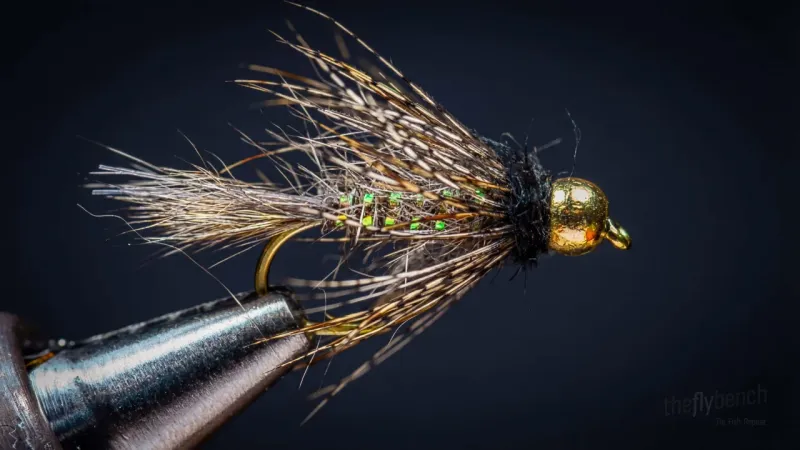
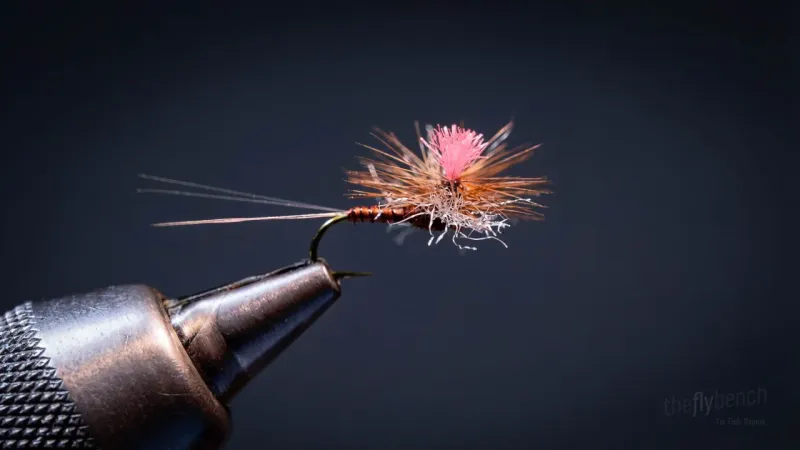
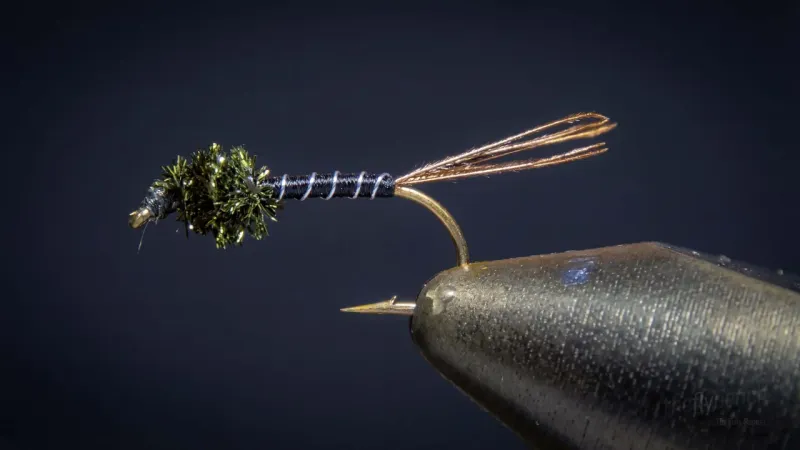
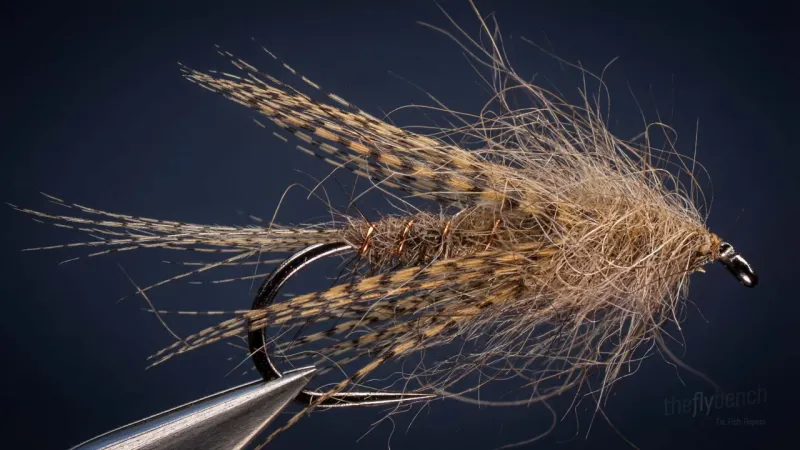
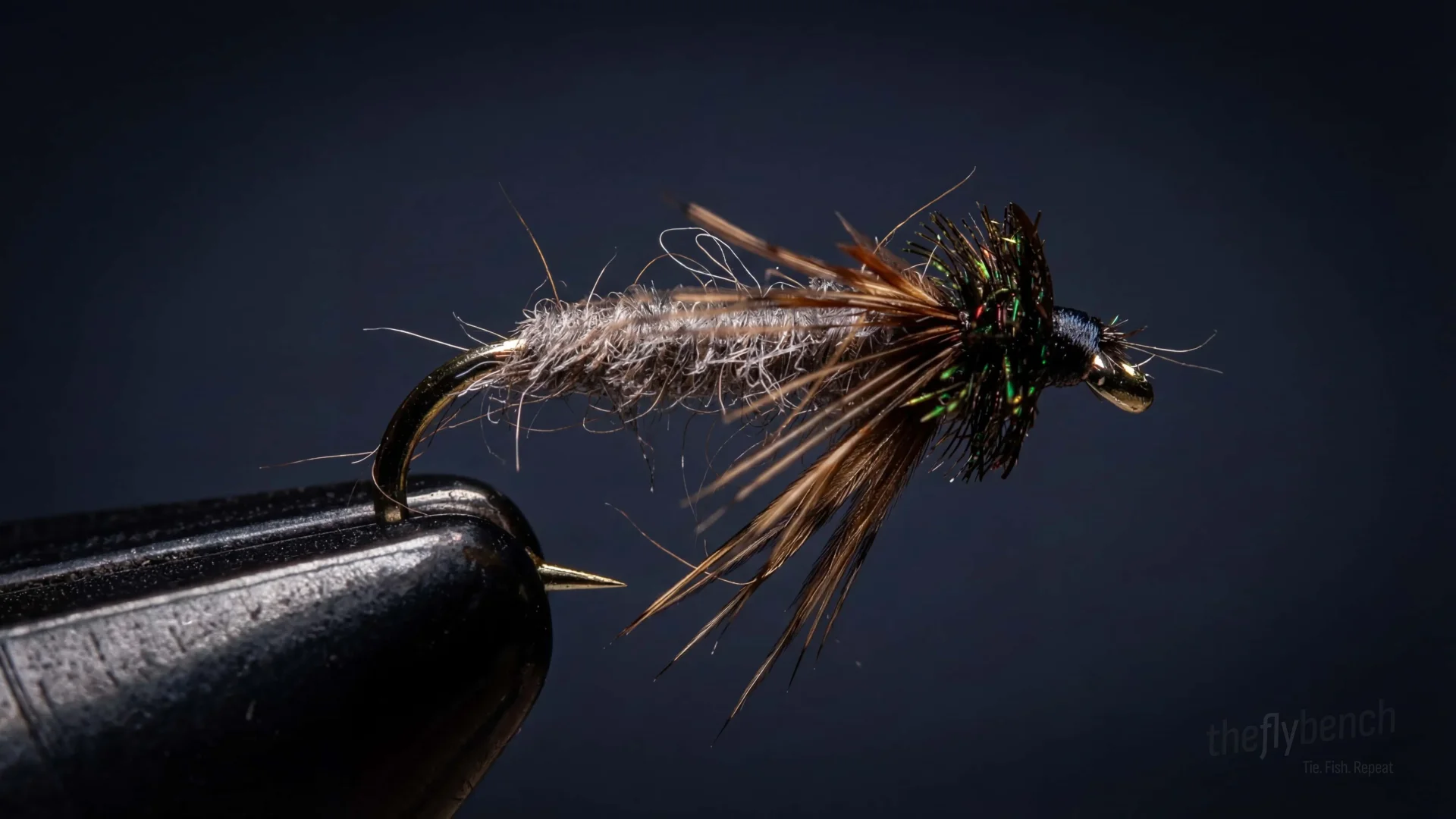
The Muskrat Nymph is a classic nymph pattern that imitates a wide variety of aquatic insects. Tied with natural muskrat fur, it has a lifelike appearance in the water and can be particularly effective in clear streams where trout are wary of artificial flies. The soft, gray fur of the muskrat gives the fly a natural, undulating movement in the water.
Spring, Summer, Fall
Intermediate
Trout
Apr 2025
Overview
An old-school, soft-bodied nymph using natural muskrat dubbing and a slim profile. Often ribbed with fine wire over a thread or dubbed underbody. Designed to imitate mayfly or caddis larvae in subtle, clear-water conditions.
Where to Buy This Fly
We only link to fly shops we trust. Some links are referral links, which may earn us a commission at no extra cost to you.
Materials
- Hook:
- Dai-Riki 730, sizes #14-#18
- Thread:
- 8/0 or 70 Denier, black
- Body:
- Natural muskrat dubbing
- Legs:
- Hungarian partridge
- Thorax:
- Peacock herl
Behavior & Presentation
Natural Behavior: Various aquatic nymphs crawl through substrate and drift during behavioral movements, tumbling helplessly when dislodged by current or while migrating. The generic nymph profile imitates multiple species creating opportunistic feeding situations.
Where Trout Eat It: Trout feed on drifting nymphs in the lower to mid-water column along runs and pocket water where behavioral drift concentrates vulnerable insects.
How to Fish It: Present with dead-drift nymphing techniques, allowing the fly to bounce naturally along bottom structure through feeding zones.
Best Water: Focus on runs and pocket water with gravel and cobble substrate, targeting seams and current breaks that funnel drifting nymphs.
Strike Type: Trout take with subtle taps or brief resistance as they intercept drifting nymph profiles.
Fishing Strategy
Rigging Suggestions: The Muskrat Nymph can be fished on a standard nymph rig with an indicator, or as part of a European nymphing setup.
Seasonal Timing: Effective during active feeding periods throughout the season. Fish morning and evening for best results.
Pro Tips: The natural fur of the Muskrat Nymph gives it good visibility in the water. It is designed to sink and imitate a nymph swimming or drifting in the current.
Entomology
Caddis larvae crawl along the streambed inside protective cases constructed from pebbles, sticks, or plant material, occasionally venturing partially outside to graze on periphyton films. Fish target these larvae when they abandon cases to pupate or when cases break apart in high flows, recognizing their soft, vulnerable bodies as nutritious prey items.
- Order
- Trichoptera
- Common Name
- Caddisfly
- Organism Type
- insect
- Life Stage
- general